
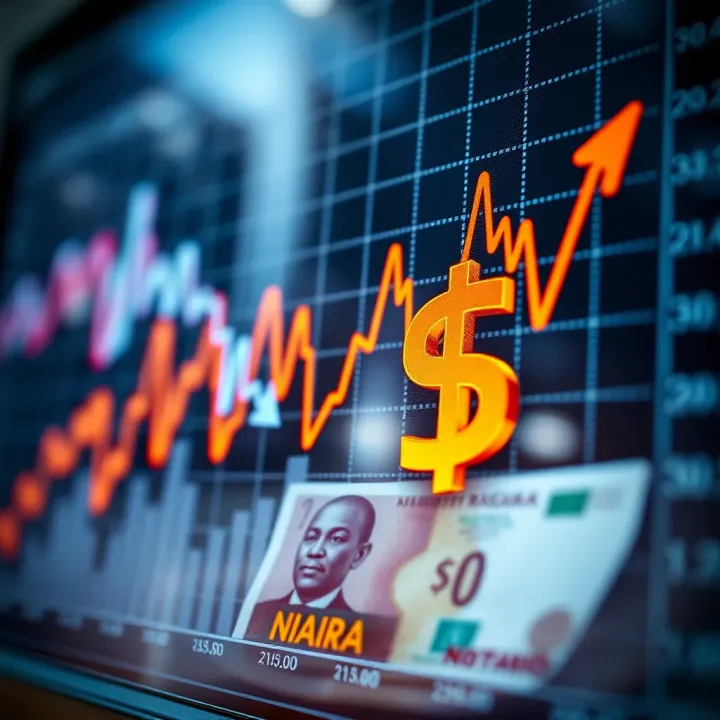
Understanding Forex Trading Signals in Nigeria
📉 Discover how forex trading signals guide Nigerian traders to spot real opportunities in volatile markets. Learn trusted sources, types of signals, and risk tips to grow your ₦ safely.
Edited By
Isabella Palmer
Forex trading, simply put, is the process of buying and selling currencies to take advantage of changes in their exchange rates. Unlike the stock market where you buy shares of companies, forex involves dealing with pairs of currencies — for example, the US dollar and the Nigerian naira (USD/NGN).
This market operates 24 hours a day through a network of banks, brokers, financial institutions and individual traders, making it the largest financial market in the world. For Nigerians, engaging in forex trading provides an opportunity to profit from the fluctuations between foreign currencies, especially with the constant naira volatility in recent years.
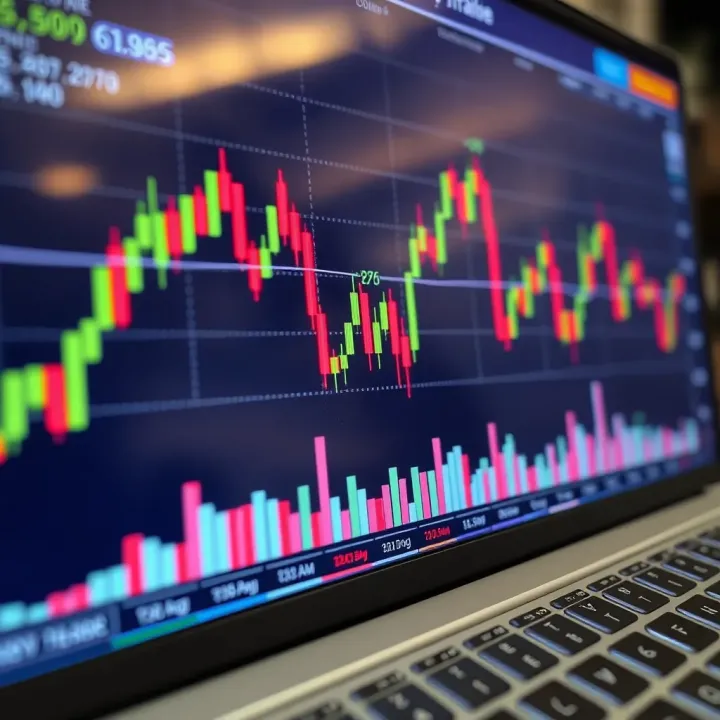
Currencies are always traded in pairs because you’re essentially exchanging one currency for another. If the naira loses value against the dollar, traders who bought USD/NGN earlier at a lower rate can sell at a profit if the dollar rises. The forex market price moves due to varied factors such as economic indicators, geopolitical events, interest rate changes, and market sentiment.
The main participants include:
Central Banks: Like the Central Bank of Nigeria (CBN), which influence currency values through monetary policies.
Commercial Banks and Brokers: Facilitate currency exchange and trading services.
Hedge Funds and Investment Firms: Trade to make profits or hedge against currency risks.
Retail Traders: Individual traders like you and me, using online platforms to trade forex from home.
Understanding who drives the market helps you make sense of price movements and timing.
To start trading forex in Nigeria, you need to select a reliable broker registered with the Securities and Exchange Commission (SEC) or regulated internationally. Platforms like MetaTrader 4 (MT4) or MetaTrader 5 (MT5) are popular because they offer real-time market data and analysis tools.
Risk management is vital, as forex trading carries high risks—markets can move sharply, causing losses. Use stop-loss orders and trade with amounts you can afford to lose.
Forex trading deals with exchanging currency pairs to profit from shifts in exchange rates.
It runs round-the-clock, making timing essential.
Nigerian traders must understand the market drivers, pick proper brokers, and manage risk carefully.
This foundation will prepare you for deeper insights into trading strategies and the tools you’ll use to navigate the forex market confidently.
Grasping the basics of forex trading is key to making informed decisions and managing risks effectively. Knowing how the forex market works and the fundamental terms helps you navigate trades with confidence rather than guesswork. This understanding is especially crucial for Nigerians who want to venture into forex trading and need to adapt to the unique market conditions.
Forex trading involves buying and selling currencies in pairs to profit from changes in their exchange rates. Unlike buying ordinary goods, forex trading focuses on currency values, which fluctuate based on economic events, political activities, and market sentiment. For example, when the US dollar strengthens against the euro, traders who anticipated this trend can make gains by buying dollars and selling euros.
In practical terms, forex is the largest and most liquid financial market globally, operating 24/7. Nigerians can participate from their homes using internet-enabled devices, accessing local and international currency pairs.
Currencies always trade in pairs, such as USD/NGN (US dollar/Nigerian naira) or EUR/USD (euro/US dollar). The first currency is the base, while the second is the quote. Exchange rates indicate how much of the quote currency you need to buy one unit of the base currency. For instance, if USD/NGN is ₦460, it costs ₦460 to buy one US dollar.
Understanding currency pairs is vital because your profit or loss depends on these exchange rate movements. In Nigeria, popular pairs include USD/NGN due to the naira's volatility, plus global pairs like GBP/USD which impact import-export business and remittances.
The forex market has no physical location or central exchange like the Nigerian Stock Exchange (NGX). It works through a network of banks, brokers, and financial institutions around the world connected electronically. This decentralised nature means currency prices can vary slightly across platforms, offering arbitrage opportunities but also demanding vigilance.
For Nigerian traders, this implies the need to choose reliable forex brokers registered with relevant authorities like the Securities and Exchange Commission (SEC) Nigeria, ensuring fair pricing and protection against fraud.
Forex operates 24 hours a day but follows four major sessions: Sydney, Tokyo, London, and New York. Each has unique trading volumes and volatility. For example, London session overlaps with New York in the afternoon, often generating the highest activity and price swings.
Nigerian traders should note that the London and New York sessions (peak times) mostly correspond to afternoon and evening hours in Nigeria. Understanding these sessions helps you pick the best time to trade based on your strategy and risk appetite.
Trading forex is not a random guesswork; understanding market timing and how currencies move during different sessions can improve your chances of making profitable trades.
In summary, mastering the basics of forex trading — from grasping what it is, knowing currency pairs, to appreciating how the market operates — equips you better to engage confidently and avoid rookie mistakes.
Understanding the key players in the forex market gives you clarity on how currency prices move and who influences them. Different sets of participants interact daily, each with unique goals and effects on liquidity. Appreciating their roles helps traders, investors, or brokers strategise better and anticipate market shifts.
Central banks and governments hold significant sway in forex markets due to their control over national monetary policies. For instance, the Central Bank of Nigeria (CBN) can intervene by buying or selling dollars to stabilise the naira exchange rate. Such interventions impact currency demand and supply, creating price movements that traders watch closely. When a government adjusts interest rates or announces foreign reserves data, these acts often create ripple effects across the forex market.
These institutions also set the tone for economic confidence. A policy shift signalling inflation control might strengthen a currency, while geopolitical tensions or poor fiscal management can cause depreciation. For Nigerian traders, monitoring statements from the CBN and federal government is practical because these signals frequently affect naira volatility amidst an environment prone to fuel subsidy changes and import dependency.
Commercial and investment banks serve as major market makers and liquidity providers. They execute large-scale trades for clients, hedge risk, or speculate based on market data. Nigerian branches of global banks like Standard Chartered or First Bank act as intermediaries, enabling local businesses and investors to participate in global forex markets.
These banks often set bid-ask spreads impacting how easily retail traders can enter or exit positions. Their activities create substantial volume that keeps the market liquid and ensures prices reflect real economic conditions. Traders benefit by observing bank flows and trading patterns, which sometimes reveal underlying market sentiment ahead of major moves.
Role of retail traders has grown in Nigeria with better internet access and mobile technology. Individuals can now trade forex from their smartphones using platforms like MetaTrader or local broker apps. Unlike institutional investors, retail traders usually operate with smaller capital but their collective actions can influence short-term price swings, especially in less liquid currency pairs.
Retailers bring diversity to the market, often trading on technical signals or news reports they gather. Their growing presence is reshaping forex dynamics in Nigeria, enabling more active participation in global markets. However, inexperienced traders must balance ambition with sound risk control to survive the market's ups and downs.
Functions of forex brokers are pivotal in connecting retail traders to the broader forex market. Brokers provide the trading platforms, access to liquidity providers, and customer support. Nigerian brokers also help with local payment options, such as bank transfers or USSD payments, making it easier to fund accounts securely.
A reliable broker offers transparent pricing, efficient execution, and a variety of currency pairs, plus access to educational resources. Since scams are a concern, traders should choose brokers registered with regulatory bodies such as the Securities and Exchange Commission (SEC) Nigeria. Brokers also offer leverage, which can magnify profits but equally inflate risks, so understanding broker terms is crucial.
Knowing who moves the market helps you trade smarter. Institutional players set the broad trends, retail traders add momentum, and brokers bridge the gap. Each must be factored into your trading plan to succeed consistently.
Understanding common trading strategies is essential if you want to survive and thrive in the forex market. These strategies provide structured ways to interpret market movements and decide when to enter or exit trades. In Nigeria, where trading conditions can be affected by global and local economic factors, having a clear method helps reduce guesswork and improves your chances of making a profit.
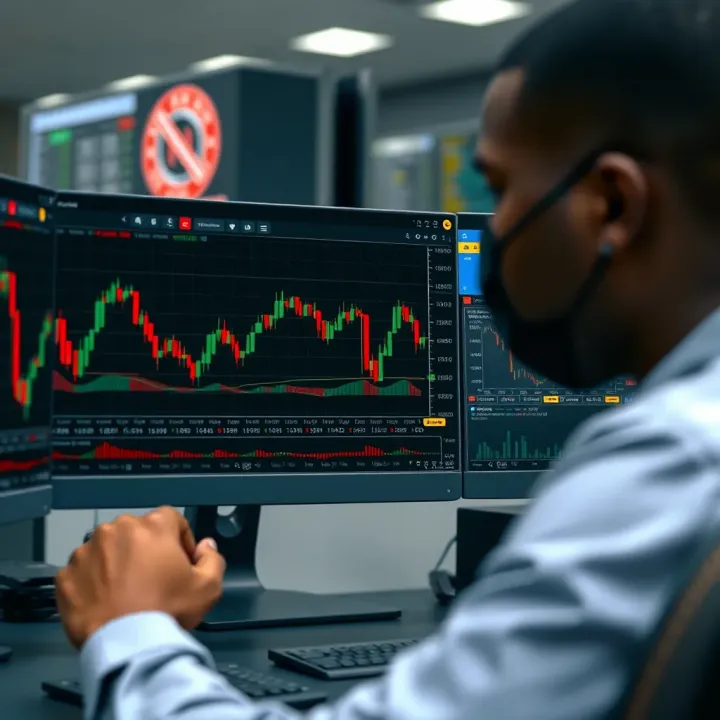
Chart patterns and indicators form the backbone of technical analysis. Traders use charts to spot price movements and trends over time. For example, the “head and shoulders” pattern often signals a trend reversal, helping traders predict when to sell or buy. Indicators like the Moving Average Convergence Divergence (MACD) or Relative Strength Index (RSI) quantify momentum or overbought/oversold conditions, giving clearer signals than charts alone. Practical use of these tools means you’re not trading blind but making decisions based on price behaviour histories.
Using support and resistance levels is another key part of technical analysis. These levels represent price points where the market consistently pauses or reverses direction. For instance, if the US dollar to Nigerian Naira (USD/NGN) pair repeatedly struggles to rise above ₦460, that’s a resistance level. Traders watch these zones to time their trades—buying near support where prices tend to bounce and selling near resistance where prices often fall. This approach is practical because it aligns trading moves with natural market psychology.
Impact of economic news and data cannot be overstated. Nigerian traders follow reports like inflation rates, unemployment figures, or Nigeria’s Gross Domestic Product (GDP) growth to predict currency strength. A surprise rise in inflation might weaken the naira, pushing traders to sell NGN against stronger currencies. Economic news affects central bank policies, which then move forex markets, so keeping an eye on data releases is crucial.
Role of geopolitical events also shapes forex prices. Any political tension within Nigeria—like election periods—or conflicts in oil-producing regions can cause increased volatility in the naira’s exchange rate. Globally, events like trade wars, sanctions, or diplomatic disputes between big economies influence currency values. Traders monitoring these disruptions can adjust their positions to protect capital or exploit sudden price swings.
Setting stop-loss and take-profit orders helps limit losses and secure profits. For example, if you buy the EUR/USD pair at 1.1000, setting a stop-loss at 1.0950 cuts your loss if the price drops, while a take-profit at 1.1100 locks in gains when the target is reached. This discipline prevents emotions from dictating trading decisions, a common downfall especially for beginners.
Position sizing and leverage use are vital for managing risk exposure. Nigerian traders often get tempted by high leverage offered by some brokers, which magnifies both gains and losses. It's safer to calculate how much of your total capital to risk per trade—say 1-2%—based on your account size. Using appropriate position sizes means you withstand market fluctuations without wiping out your account, allowing for steady growth instead of risking everything at once.
These strategies and risk tools are your trading compass; ignoring them is like driving blind in Lagos traffic—likely to end in disaster rather than success.
By combining technical patterns, fundamental data, and sound risk management, forex traders in Nigeria can build strategies that are both practical and effective in real-market conditions.
Selecting the right forex trading platform is fundamental to a trader's success. The platform is your main tool—your gateway to the forex market. A poor choice can limit access to useful features or expose you to security risks. For Nigerian traders, platform choice also affects the ease of funding accounts, withdrawing profits, and accessing local payment options.
MetaTrader 4 (MT4) and MetaTrader 5 (MT5) remain popular among Nigerian forex traders due to their reliability and extensive functionalities. MT4, known for its straightforward interface, caters well to beginners who want to apply technical analysis using built-in indicators and Expert Advisors (EAs). MT5 builds on this, adding features like more timeframes, an economic calendar, and improved order management, making it attractive for experienced traders.
These platforms support automated trading and allow users to create or import custom trading bots. Importantly for Nigerians, many brokers offering MT4/MT5 accept local payment methods such as bank transfers and USSD codes, easing fund deposits and withdrawals. For example, a trader using MT5 can connect with a broker like FXTM or OctaFX, both accessible in Nigeria, without struggling with cross-border payment issues.
Domestic brokers often provide proprietary trading platforms or mobile apps tailored to Nigerian users. These platforms may support quick local bank transfers and feature user interfaces optimised for lower-bandwidth mobile connections common in some parts of Nigeria. For instance, platforms from brokers like AfriMarket or AbokiFX focus on seamless naira funding and withdrawals, an essential factor given the challenges with forex exchange and naira liquidity.
Moreover, local apps sometimes integrate community features or market news relevant to Nigerian traders. The familiarity with local banking partners and customer support in Nigerian English adds practical comfort and confidence compared to international platforms, which might offer limited user support hours in Nigerian time zones.
A simple, intuitive user interface reduces errors and makes trading more comfortable—especially if you trade during off-hours or under pressure. Platforms that allow easy navigation between currency pairs, order types, and account details improve productivity. Nigerian traders should watch out for clunky designs or platforms that pile too many features on a single screen, which can be confusing.
For example, MetaTrader’s clean layout lets users quickly access charts and trade execution panels, while some local apps break down processes step-by-step to suit traders less familiar with digital finance tools. The ability to customise dashboards also helps traders focus on what's important without clutter.
Access to technical analysis tools like candlestick charts, moving averages, Fibonacci retracements, and oscillators is vital. These tools help traders spot trends and make data-driven decisions. MT4 and MT5 offer a wide range of indicators and the ability to add more from a large online community.
On local platforms, while the toolset might not be as extensive, brokers often include essential market news, daily forecasts, and even educational content within the app. This practical approach helps traders keep informed about how naira-related news or Nigerian economic reports affect forex pairs like USD/NGN or EUR/NGN.
Choosing a platform with a balance of usability and robust features helps Nigerian traders avoid costly mistakes and respond quickly to sudden market changes. Whether using MetaTrader or a local app, prioritising security, payment convenience, and essential tools will put you on a better footing in forex trading.
Entering forex trading without fully grasping its risks is like driving a danfo in Lagos without brakes—you're bound to crash. Recognising the challenges ahead helps traders prepare, manage expectations, and avoid costly mistakes. This section breaks down two main risks: market volatility and scams, both highly relevant for Nigerian traders.
Forex markets are known for swift and unpredictable price movements. These sudden swings can happen due to unexpected news or economic shifts. For example, a hawkish statement from the US Federal Reserve can prompt the dollar to surge within minutes, affecting currency pairs involving the dollar. In Nigeria, where the naira often faces pressure from oil price shocks or government policy announcements, similar rapid movements can lead to quick profits or heavy losses.
Being aware of this volatility means traders should use tools like stop-loss orders to automatically exit trades if prices move unfavourably. It also underlines why over-leveraging is risky—small price swings can wipe out entire trading accounts quickly.
Forex is intertwined with world events. When major economies like China or the Eurozone release economic data or change interest rates, the ripple effects reach markets worldwide. For instance, a slump in oil prices directly influences Nigeria’s naira value, since oil exports dominate the economy.
Consequently, traders must track international news and understand how developments abroad might affect local currency pairs. Ignoring this context is like playing a football match blindfolded—you're highly likely to miss critical moves that affect your trade outcomes.
In Nigeria, the surge of forex interest attracted many brokers, not all trustworthy. Credible brokers are usually licensed by recognised bodies like the Securities and Exchange Commission (SEC) Nigeria and offer transparent terms.
A reliable broker will provide clear information about fees, leverage limits, and account types, plus customer support in Nigeria. Traders should confirm broker registration and read reviews or ask fellow traders before committing funds. Avoid promises of guaranteed profits or overly aggressive marketing, which are red flags.
Forex scams often target beginners with schemes such as Ponzi setups, fake investment platforms, or impersonating legitimate brokers. Typical traps include "robot" software claiming to guarantee wins or asking for large upfront deposits with little proof of trading activity.
Awareness helps traders avoid falling prey. Always verify licensing, request verifiable proof of live trading accounts, and refuse unsolicited offers. Taking these precautions can save you from losing hard-earned money to fraudsters exploiting the growing Nigerian forex community.
Understanding these risks equips you with tools and mindset to trade smarter, protect your capital, and spot danger before it's too late.
📉 Discover how forex trading signals guide Nigerian traders to spot real opportunities in volatile markets. Learn trusted sources, types of signals, and risk tips to grow your ₦ safely.
Discover practical tips on navigating Forex Trading Majalahtaujih in Nigeria 🇳🇬. Manage risks, access local platforms, and thrive in the ₦ market effectively 💹.
Learn how to trade forex in Nigeria 🇳🇬 with this practical guide — explore currency markets, risks, trading platforms, and factors affecting exchange rates in naira trading.

📊 Explore how forex trading works, the main strategies, risks, and opportunities in Nigeria's market. Learn to navigate currency swaps and ₦ profits with ease.
Based on 8 reviews