
Basics of Forex Trading in Nigeria
📈 Explore forex trading basics, learn how Nigeria's forex market operates, understand key terms, trading tactics, plus solid risk management for confident ₦ trades.
Edited By
Henry Mitchell
Forex trading has gained serious traction in Nigeria as more people explore alternative sources of income beyond the traditional job market. For traders here, understanding the formats used in forex trading isn't just helpful — it’s necessary to avoid costly mistakes.
Put simply, forex trading involves buying and selling currency pairs, and the way these trades are quoted, ordered, and executed depends heavily on certain standardised formats. Learning these formats equips Nigerian traders to interpret market data correctly and place orders that match their strategy.
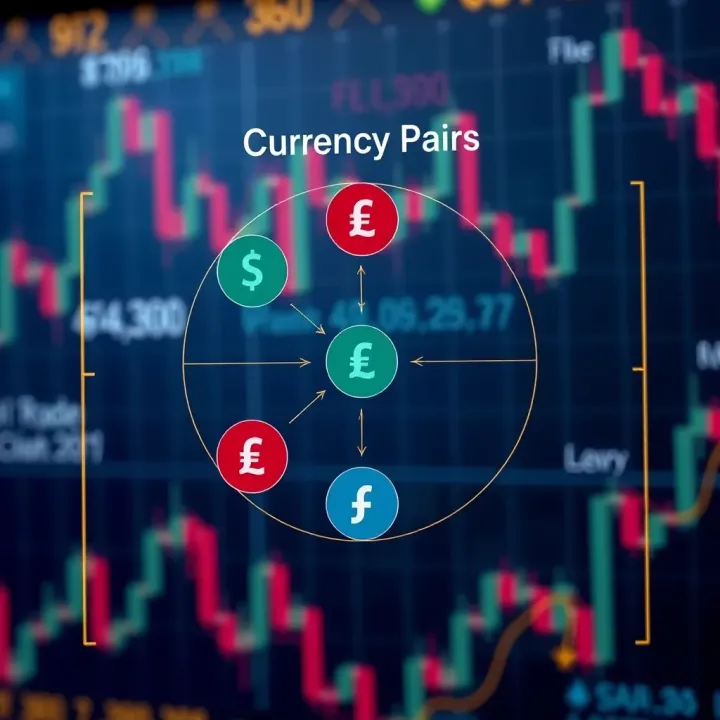
You’ll find forex quotes presented as currency pairs, for example, USD/NGN or EUR/USD. The first currency is the base currency, while the second is the quote currency. This format shows how much of the quote currency is needed to buy one unit of the base currency. So, if USD/NGN is 760, it means ₦760 buys $1. Knowing this helps you decide when to buy or sell.
Aside from quotes, forex orders come in different types like market orders, limit orders, and stop orders. Market orders execute immediately at the available price, while limit and stop orders let you specify the exact price at which you want to buy or sell. For instance, you might set a limit order to buy EUR/USD when it hits 1.1000, ensuring you don’t pay more than that.
Many Nigerian traders rely on popular trading platforms such as MetaTrader 4 (MT4), MetaTrader 5 (MT5), or broker-specific apps like Olymp Trade and Binomo. These formats aren’t just about how prices show up but also how you navigate the platform to place orders, check your open positions, and manage risks. Becoming familiar with these utilities and their display formats is essential for timely decisions.
Understanding forex trading formats saves you time and money. It clarifies market signals and stops you from falling into avoidable traps.
Here’s what you should focus on as you start your forex journey:
Recognise currency pair formats and what their quotes represent.
Know the types of orders and when to use each.
Learn how different platforms display trading information and execute trades.
Develop the ability to read and interpret forex market data accurately.
Mastering these basics will give Nigerian traders an edge in a fast-moving, sometimes volatile market. As you continue, these concepts will become second nature, helping you make informed, confident moves in forex trading.
Forex trading format refers to how information is structured and displayed when trading currencies. Understanding these formats is essential for Nigerian traders to make accurate decisions quickly, especially given the fast pace of the forex market. Without a proper grasp of trading formats, it’s easy to misread data, leading to costly mistakes.
The format covers how currency pairs are quoted, how price information appears on trading platforms, and how orders are placed and recorded. For instance, knowing the difference between a base currency and a quote currency helps traders understand which currency they are buying or selling. This knowledge is key when dealing with volatile pairs like USD/NGN or EUR/USD, where small price movements can affect profits.
Every forex pair shows two currencies: the base currency and the quote currency. The base currency is the first one listed, while the quote currency is the second. For example, in the EUR/USD pair, the euro (EUR) is the base, and the US dollar (USD) is the quote. This means the price tells you how much one euro costs in US dollars.
For Nigerian traders, understanding this is practical. When trading USD/NGN, the US dollar is the base, and the Nigerian naira is the quote. If the price is 460, then one US dollar is worth 460 naira. This helps traders calculate how much they stand to gain or lose in local currency.
The bid price is the highest price a buyer is willing to pay for a currency pair, while the ask (or offer) price is the lowest price a seller will accept. The difference between these prices is called the spread.
Practically, if you want to sell a currency, you will get the bid price, but if you want to buy, you pay the ask price. This spread represents a cost to traders and affects profitability. For example, in volatile ember months, spreads can widen, so monitoring bid and ask prices closely is crucial.
Currency pairs usually appear as a six-letter code. The first three letters indicate the base currency; the next three show the quote currency. Sometimes, a slash '/' separates these codes (e.g., GBP/USD), but some platforms drop it (GBPUSD).
This matters when choosing brokers or platforms because different formats can affect how orders are entered. Nigerian traders should confirm which notation their platform uses, avoiding confusion that could delay trade execution.
Forex prices change in small amounts called pips or points. A pip usually means the fourth decimal place in most currency pairs — that’s 0.0001. For pairs involving the Japanese yen, it’s the second decimal place (0.01). Points are smaller increments, often a fraction of a pip.
For example, if EUR/USD moves from 1.2000 to 1.2010, that is a 10-pip increase. Nigerian traders can use pips to measure gains or losses accurately and plan stop-loss or take-profit orders accordingly.
The spread is the difference between the bid and ask price. It serves as the broker’s fee for facilitating trades. Smaller spreads mean lower trading costs, which is important for scalpers or those trading frequently.
During periods of market instability, such as national elections or fuel scarcity impacting the naira, spreads may widen unexpectedly. Traders must watch these changes, as wider spreads can eat into profits.
Different trading platforms display prices uniquely. Metatrader 4 (MT4) and Metatrader 5 (MT5), popular among Nigerian traders, show five decimal places for most pairs. Some web-based platforms or mobile apps might present fewer or more decimals.
Knowing how your platform shows prices prevents misreading. For instance, a price listed as 1.23456 on MT4 corresponds to 123456 points. Mistaking this for fewer decimals could lead to wrong calculations and poor trade decisions.
Understanding how forex trading formats work, from quotes to price presentation, equips Nigerian traders to act decisively with confidence, avoiding costly errors caused by misinterpretation of market data.
Understanding the trading formats and platforms popular in Nigeria is key for any trader wanting to navigate the local forex market effectively. These formats determine how trade information is presented, how orders are placed, and ultimately, how traders make decisions. Nigeria’s forex scene is both vibrant and rapidly evolving, so familiarising yourself with the most widely-used platforms and standard trade display formats can save you stress and improve your results.
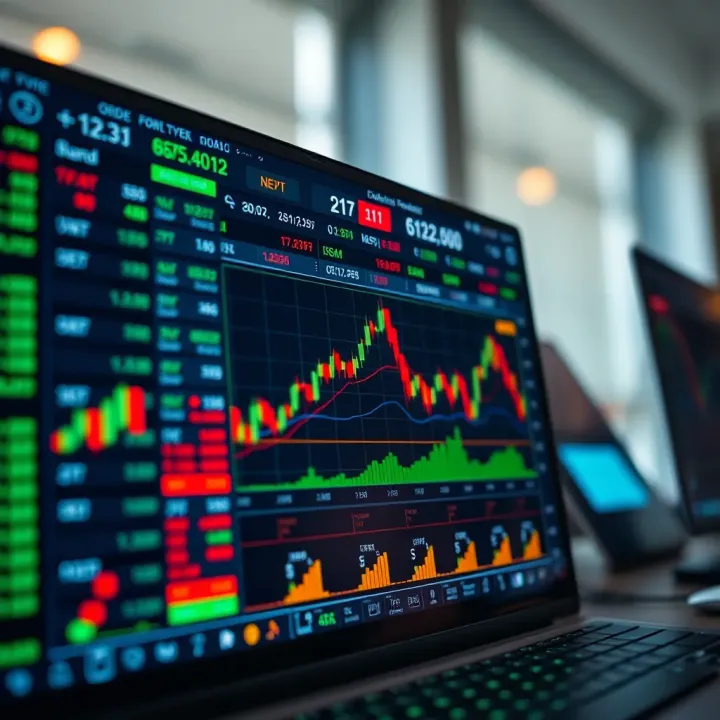
MetaTrader 4 (MT4) and MetaTrader 5 (MT5) are the favourites among Nigerian forex traders. Their interfaces offer charting tools, multiple order types, and a user-friendly layout that suits beginners and experienced traders alike. MT4 remains popular for its simplicity and wide broker support, while MT5 extends features with more timeframes, order options, and an economic calendar. In Lagos, Abuja, and Port Harcourt, many brokers push MT4 or MT5 because these platforms run well even with patchy internet, which is common.
Web platforms offer flexibility since you don’t need to install apps. Nigerian traders use platforms like IG or Saxo, which display real-time data and allow quick order execution. Though these interfaces vary slightly, they generally feature market watchlists, price charts, and order panels consolidated on a single page. However, web platforms can demand more stable internet, something traders should consider given the frequent power interruptions and varying network quality.
With mobile internet improving, smartphones have become crucial for forex trading in Nigeria. Apps like MT4 Mobile, MetaTrader 5 Mobile, and broker-specific apps such as OPay Markets or FXTM deliver trade updates and executions straight from the palm. These mobile versions keep most desktop features but condense data for smaller screens. This is ideal for traders on the go, especially in cities with heavy traffic like Lagos where sitting at a desk isn’t always practical.
Local brokers usually provide options to trade standard, mini, or micro lots to suit different capital sizes and risk appetites. A standard lot represents 100,000 units of the base currency, while mini and micro lots are 10,000 and 1,000 units respectively. Nigerian traders with smaller accounts tend to favour mini or micro lots to manage risk better, rather than exposing themselves to large losses on big positions.
Nigerian brokers typically show leverage as ratios like 1:100 or 1:200, which tell you how much you can multiply your deposit to control larger trades. Margin is the amount of capital reserved to open a position and is shown in either absolute figures or as a percentage of your account balance. Given the naira’s volatility and market risks, understanding how leverage inflates both profits and losses is vital. Nigerian traders should always confirm the margin requirements clearly before entering trades.
Most Nigerian forex brokers offer standard order types such as market orders, limit orders, stop orders, and occasionally more advanced ones like trailing stops. These order types are usually displayed in straightforward menus on trading platforms. Local traders appreciate the ability to quickly switch between order types without confusion, especially during volatile times like ember months when quick decisions can protect capital.
Knowing the specific formats and platforms used in Nigeria helps you trade smarter by matching your style to the right tools and managing risk carefully. Keeping up with these details lets you avoid surprises, especially in a market as dynamic as forex.
This understanding lays the groundwork for better trade execution and risk management in Nigeria’s forex market.
Understanding the different types of forex orders is essential for any trader, especially for those trading within the Nigerian market. Orders dictate how and when your trades are executed, directly affecting your risk exposure and profit potential. Knowing the distinctions helps you make swift decisions, particularly when volatility hits hard, like during ember months or economic announcements from the Central Bank of Nigeria (CBN).
A market order is the straightforward way to buy or sell currency at the best available price instantly. Nigerian traders often rely on this, especially when reacting to sudden market moves influenced by news like changes in the naira exchange rate. For example, if the USD/NGN rate suddenly spikes, placing a market order enables quick entry or exit, avoiding delays that might erode potential profits.
Market orders prioritise speed over price precision, so you might get a slightly different price than expected due to slippage, particularly when liquidity is low or volatility high. This is common during unstable periods, such as the ember months when forex markets can become choppy.
Limit and stop orders give traders control over specific entry or exit points without needing to watch the market constantly. A limit order sets a price at which you want to buy below the current market or sell above it, while a stop order activates a trade once the price hits a certain level.
Suppose you want to buy EUR/USD but only if the price dips to a more favourable level; placing a buy limit order ensures you don't pay more than intended. Conversely, stop orders help lock in profits or cut losses by triggering trades once the price moves unfavourably past your set point. These tools are invaluable for Nigerian traders managing positions alongside day jobs or other commitments.
Conditional orders, like OCO (One Cancels the Other) or pegged orders, combine features of limit and stop orders for more advanced strategies. For instance, you might want to buy if the price falls to a certain point but also sell if it rises to a specific target, with the execution of one canceling the other.
Using these orders helps Nigerian traders automate complex decisions, reducing emotional trading errors often seen during volatile periods like CBN policy announcements. Their practical use shines in managing trades during off-hours or when monitoring the market constantly isn’t possible.
Stop loss and take profit orders are the backbone of risk management in forex trading. A stop loss closes your position automatically to limit losses if the market moves against you. Conversely, a take profit order locks in gains by closing the trade once your target price is reached.
For instance, if you buy GBP/USD at 1.3000, you might set a stop loss at 1.2950 to cap losses at 50 pips and a take profit at 1.3100 to secure profits at 100 pips. This disciplined approach prevents emotional decisions, a common pitfall among Nigerian traders who might otherwise hold losing trades too long hoping for a reversal.
Both stop loss and take profit levels can be set by either price or pip distance. A pip represents the smallest price move in forex, typically the fourth decimal place. Nigerian traders often use pip-based settings for consistency across different currency pairs.
For example, setting a stop loss 30 pips below your entry price is easier than recalculating an exact price each trade. It also aligns well with technical analysis tools that suggest support or resistance levels at certain pip distances.
Trailing stops are dynamic stop loss orders that move in your favour as the market price changes, locking in profits while allowing potential for further gains. As the price moves up, the stop loss “trails” behind by a set pip amount; if the price reverses, the position closes at the trailing level.
This tool suits Nigerian traders who cannot monitor markets 24/7. For example, if you enter a USD/JPY trade and set a 20-pip trailing stop, the stop loss moves up each time the price advances 20 pips. When the market turns, your profits are secured without needing to manually adjust stops.
Proper interpretation and use of forex orders like market, limit, and stop orders can make the difference between consistent profitability and costly mistakes. Nigerian traders who master these formats stand a better chance of navigating volatile markets confidently and effectively.
In summary, understanding these order types and stop-level formats helps traders manage their risk while seizing market opportunities. Implementing them wisely aligns trade execution with personal strategies, making forex trading in Nigeria both more manageable and potentially more rewarding.
Reading forex market data and charts is fundamental for any trader aiming to make informed decisions. The raw price information alone tells only half the story; charts and data formats visualise market behaviour, revealing patterns and trends essential for timing trades. Nigerian traders, whether operating on platforms like MT4 or MT5, must master these to navigate volatility and spot entry or exit points effectively.
Line charts offer a simple view, connecting closing prices over a chosen timeframe. Though easy to interpret, their simplicity hides intraday price dynamics. Candlestick charts, on the other hand, show open, high, low, and close prices per period using candles, providing a richer picture. For example, a Nigerian trader watching the USD/NGN pair can spot bullish or bearish sentiment quickly with candlesticks, knowing when buyers or sellers dominated during a trading session.
In Nigeria, many forex traders prefer short-to-medium timeframes, such as 15-minute, 1-hour, or 4-hour charts, fitting the fast-paced trading lifestyle amid volatile markets. Scalpers may focus on 1-minute charts, while swing traders lean towards daily charts. Choosing the right timeframe helps Nigerian traders match their trading style and market rhythm, avoiding burnout and improving discipline.
Volume indicators reveal how much currency is traded over time, signalling the strength behind price moves. Although volume data is sometimes less transparent in forex, platforms do provide approximations or tick volume, which Nigerian traders can use to confirm trends. Other indicators like Moving Averages or RSI (Relative Strength Index) overlay chart data, simplifying decision-making by highlighting momentum or potential reversals. For instance, watching a crossover of moving averages might signal a good moment to buy or sell naira against the dollar.
Price action analysis centres solely on price movement, ignoring indicators. Nigerian traders watch support and resistance levels, chart patterns (like head and shoulders), and candlestick formations (such as doji or engulfing candles) to pinpoint when to enter or exit trades. For example, if USD/NGN price breaks above a historical resistance, it could signal a buying opportunity, especially if confirmed by rising volume.
The spread—the difference between bid and ask prices—is a direct trading cost. Nigerian traders should choose brokers offering tight spreads, especially for pairs like USD/NGN, to avoid unnecessary loss. Volatility indicates how much prices fluctuate; higher volatility can mean more profit chances but also more risk. Understanding these helps traders adjust position sizes and risk management plans according to market conditions.
Technical tools like Fibonacci retracement, Bollinger Bands, and MACD (Moving Average Convergence Divergence) assist traders in identifying trend strength, potential reversal zones, and market momentum directly from price data. Nigerian traders who integrate these tools into their chart analysis better anticipate price moves and align trade timing with market sentiment. For instance, spotting a price bounce at the 61.8% Fibonacci level on a USD/NGN chart may guide a timely buy.
Mastery of forex market data and chart reading empowers Nigerian traders to act decisively, cut losses early, and scale profits consistently. Understanding chart types, timeframes, and key price elements can separate a careless trader from a successful one.
By focusing on these core aspects, Nigerian forex traders build confidence navigating the market’s twists, turning raw price data into actionable insights with clear relevance to their local trading environment.
Understanding forex trading formats isn't just textbook knowledge—it’s a practical skill that directly impacts your success in the Nigerian market. The way you interpret price data, execute orders, and choose your platform can either protect your capital or expose you to unnecessary risks. Let’s run through some key tips to sharpen your approach.
Different trading styles demand different formats to match speed and precision. Scalpers, who make quick trades targeting small price changes, often prefer platforms with real-time tick data and low spread formats. For instance, an MT4 platform's fast refresh rate supports scalping well. Day traders might favour formats that offer clear candlestick charts and handy order entry options to execute multiple trades during the day without delay. In Nigeria, where connectivity can be patchy, using a web-based platform that synchronises data efficiently helps day traders avoid costly delays.
Appropriate lot sizing ties closely to risk management. Nigerians trading with limited capital—say ₦50,000—should start with micro lots to avoid blowing up accounts on single trades. Formats that transparently display lot sizes, profit/loss in naira, and margin requirements empower traders to set safer positions. If your broker's format only lists lots without a clear currency equivalent, you risk miscalculating exposure. Always pick formats that make risk clear and allow you to adjust lot sizes easily.
Transparency from your broker about how they display prices, spreads, and fees matters more than you might realise. Some brokers in Nigeria show prices with hidden markups or delay updates, which can trap unsuspecting traders. Opt for brokers whose platforms display real-time bid/ask spreads, slippage policies, and clear order execution formats. This reduces surprises during volatile naira fluctuations or major market events, and helps you trust your trading environment.
Many Nigerian traders stumble by confusing the bid and ask spread. The bid is what buyers offer; the ask is what sellers want. The difference—the spread—is where brokers make money and it's a cost to you. A wider spread means higher trading cost, especially harmful for scalpers and day traders. Understanding formats that display both figures clearly prevents costly mistakes such as entering a trade expecting one price but actually getting swayed by the spread’s hidden cost.
Leverage lets you control large trades with small capital but can be a double-edged sword. Nigerian traders often get excited by high leverage offerings—50:1 or even 100:1—but overlook how formats portray required margin and potential losses. A platform showing just 'lot size' without margin requirements can mislead you into overexposure. Always use trading formats that explicitly show leverage effects, margin calls, and liquidation levels in naira terms. This protects you from sudden account wipeouts.
Not all brokers display forex trading data the same way. Some may use pips and points differently, or their chart timeframes may not align with Nigerian trading habits. For example, a broker using fractional pips might confuse newcomers used to whole pip formats. Ignoring these differences could result in wrong entries or exits. Nigerian traders should familiarise themselves with their broker’s specific data formats, ask questions upfront, and test their platform with demo accounts before going live.
Clear understanding of trading formats is a shield Nigerian traders must wield wisely. It saves money, time, and sanity in a market that's already challenging.
By paying attention to these practical details, Nigerian traders can navigate forex markets with more confidence and fewer costly errors. Always choose formats that align with your style and risk appetite, and never underestimate the importance of clear, transparent data to guide your decisions.
📈 Explore forex trading basics, learn how Nigeria's forex market operates, understand key terms, trading tactics, plus solid risk management for confident ₦ trades.
📈 Start forex trading in Nigeria with clear steps: know the market, pick the right broker, use smart strategies, manage risk, and meet local rules easily.
📈 Discover how forex trading works for Nigerian traders—learn about currency pairs, top platforms, market players, and smart risk moves to grow your ₦ safely.
Learn how to trade forex confidently in Nigeria 🇳🇬. Understand markets, local risks, strategies, legal rules, and tips to grow your ₦investments safely 📈.
Based on 5 reviews