
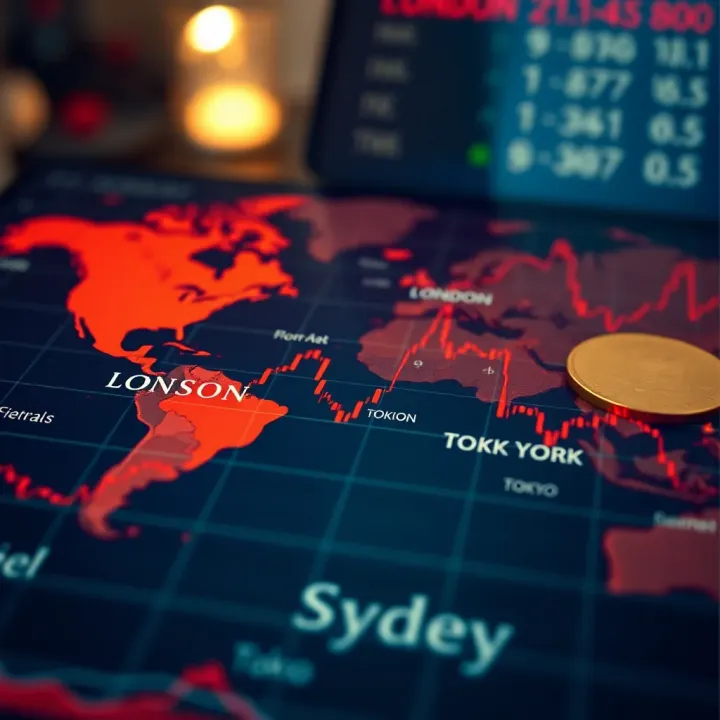
Best Time to Trade Forex in Nigeria
📈 Discover the best Forex trading times in Nigeria! Learn how global sessions and market moves impact your success for smarter trades. 💹🌍
Edited By
Isabella Carter
Forex trading involves buying and selling currencies to profit from changes in exchange rates. For Nigerian traders, understanding how the forex market works is key to making informed decisions and managing risks effectively.
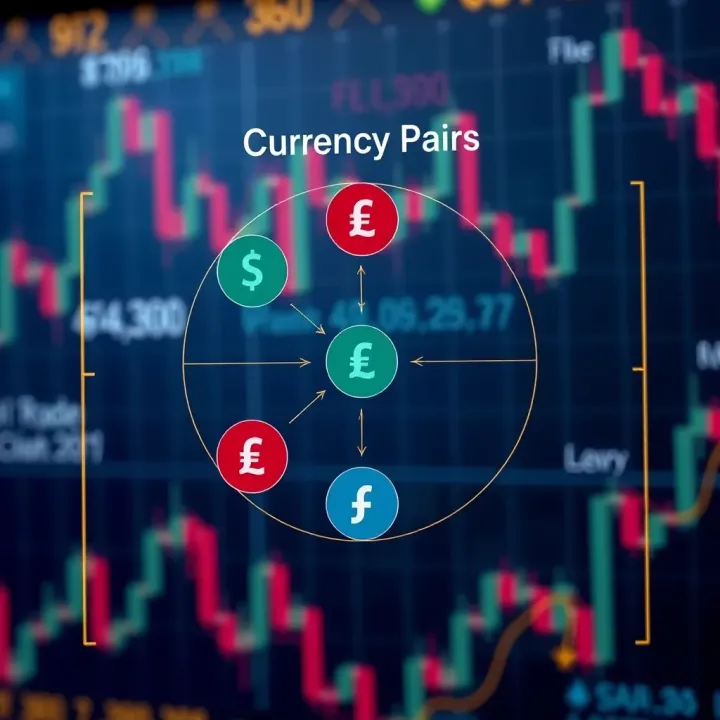
At its core, forex trading deals in currency pairs—such as USD/NGN or EUR/USD—where one currency is exchanged for another. Each pair has a base currency (the first) and a quote currency (the second). For example, in USD/NGN, the value tells you how many Nigerian Naira you need to buy one US Dollar. Spotting the right time to buy or sell depends on your analysis of market trends, economic indicators, and geopolitical factors.
The forex market operates 24 hours a day, five days a week, making it accessible for traders across different time zones. In Nigeria, trading generally peaks during the European and US market hours, given their influence on global currency movements. Platforms like MetaTrader 4 and local options such as PAMM accounts offered by some brokers give Nigerian traders convenient access.
Understanding the dynamics of currency pairs and market timings lets you capitalise on favourable price movements while avoiding unnecessary risks.
Key participants in the forex market include central banks, commercial banks, fund managers, retail brokers, and individual traders. The Nigerian Central Bank (CBN) also influences the market through its policies on exchange rates, foreign reserves, and naira liquidity, which add local flavour to these global transactions.
For Nigerians, practical steps in forex trading include:
Choosing a regulated broker with proper licencing to avoid scams
Learning fundamental and technical analysis to read market signals
Starting with demo accounts to practise without risking real money
Managing risk through stop-loss orders and proper position sizing
By grasping these basics, Nigerian traders can better navigate forex trading challenges like naira volatility, restricted access to foreign exchange, and occasional liquidity crunches. This foundation sets the stage for smarter trading decisions and opportunities to grow one's ₦ safely in the forex market.
Getting a solid grip on the basics of forex trading is key for any Nigerian who wants to trade successfully. Knowing how the forex market functions, what drives currency prices, and how to read currency pairs helps you avoid common pitfalls and spot good opportunities. Unlike ‘just buying and selling’, forex trading involves understanding global events, market dynamics, and how your local context fits into the bigger picture.
Forex trading, short for foreign exchange trading, is the buying and selling of currencies from around the world. When you trade forex, you’re exchanging one currency for another, for example, buying the US dollar (USD) with Nigerian naira (₦). This market operates continuously across time zones, making it very liquid and active 24 hours a day, five days a week.
The practical side of forex trading lies in predicting currency movements to make a profit. For instance, if you believe the dollar will strengthen against the naira, you buy USD/NGN with the hope of selling later at a higher rate. This can be useful not only for traders aiming for quick returns but also for businesses involved in import or export who want to hedge against currency risk.
Unlike other markets such as stocks or commodities, forex is decentralised. It does not have a central exchange, meaning trades happen directly between participants — individuals, banks, or companies — across a network. This decentralisation allows for flexibility but means prices can be affected swiftly by global news, political changes, or economic data, so staying informed is crucial.
Globally, the forex market moves trillions of dollars daily, making it the biggest financial market. For Nigeria, forex is critical because of the naira’s volatility and the country’s dependence on imports and oil exports priced in foreign currency. Understanding forex helps Nigerian traders and businesses manage risks stemming from exchange rate shifts, and it opens doors for those looking to leverage currency changes to grow their wealth.
Forex currencies are always traded in pairs. The first currency in the pair is called the base currency, while the second is the quote currency. For example, in USD/NGN, USD is the base and NGN is the quote. The quoted price tells you how much of the quote currency you need to buy one unit of the base currency.
This setup reflects the relative value of two different economies. If USD/NGN is 500, it means 1 US dollar costs 500 naira. This is important because traders bet on how this price will move, adjusting their positions accordingly.
Forex pairs come in three categories: major, minor, and exotic. Major pairs always include the US dollar and currencies from big economies like the euro (EUR), British pound (GBP), and Japanese yen (JPY). These pairs are popular for their liquidity and tight spreads.
Minor pairs do not include the dollar but pair other major currencies like EUR/GBP or GBP/JPY. Nigerians might find some minor pairs interesting, especially when dealing with trade partners outside the US.
Exotic pairs combine a major currency with the currency of developing or smaller economies, like USD/ZAR (South African rand) or USD/NGN. Exotic pairs often have wider spreads and more volatility, so while they can yield higher profit, they carry higher risks.
Currency pairs fluctuate due to multiple factors: economic indicators, interest rates, political stability, and market sentiment influence demand and supply for currencies. For example, a CBN policy change affecting naira liquidity can push USD/NGN higher or lower. Global shocks, like oil price changes, also impact Nigeria’s currency because of its oil dependency.
Understanding why currency pairs move helps you make better predictions and avoid trading on guesswork. It is not just about watching charts but linking price shifts to real-world events.
In summary, grasping how forex trading works, especially the currency pairs and market nature, lays a strong foundation for any Nigerian trader looking to navigate the forex market with confidence and practical knowledge.
Understanding who drives the forex market and how it operates is vital for Nigerian traders. It helps you grasp where liquidity comes from, how prices move, and how your trades fit into this vast system.
Central banks and governments play a major role in forex markets. They manage their countries’ foreign reserves, intervene to stabilise their currencies, or influence monetary policy. For example, the Central Bank of Nigeria (CBN) occasionally steps into the forex market to control naira volatility. These institutions can create abrupt price movements, affecting your trades. So, following their announcements and policy decisions is practical for managing risk.
Commercial banks and financial institutions act as the main intermediaries in forex. They facilitate transactions for corporations, governments, and individual clients. Big Nigerian banks like GTBank and Access Bank take part in the forex market by providing liquidity and executing trades. As a retail trader, you indirectly depend on their activity since they set bid and ask prices you see on your trading platform. Their involvement often influences spreads and market stability.
Retail traders and brokers are individual investors like you, plus the companies that provide trading access. Nigerian retail traders have grown sharply thanks to better internet access and platforms like HotForex and FXTM. Brokers bridge the gap, offering accounts, leverage, and trading tools. Choosing a reliable broker regulated by recognised bodies ensures you get fair pricing and funds security. Retail participants move the market less but can cause short-term swings, especially during high-volatility news.
The forex market is mainly an over-the-counter (OTC) market, meaning trades happen directly between parties rather than on a central exchange. This decentralisation means markets operate through a network of banks, brokers, and dealers globally. For Nigerian traders, this setup means you can trade anywhere, anytime, without relying on an exchange’s opening hours.
Forex trading runs across 24-hour sessions spanning different time zones. It starts in Asia, moves to Europe, then to the US markets. For traders in Nigeria, this means you can access the market during your convenient hours—whether morning or night. Being aware of these sessions helps you target the most active hours when liquidity and volatility are favourable.
Liquidity and market hours relevant to Nigeria are crucial for timing trades. The overlap between London and New York sessions generally offers the highest liquidity and narrowest spreads. Since Nigeria is close to GMT+1, the London session happens during the afternoon here, often the best time to trade. This access to liquid markets reduces costs and improves execution, essential for making profitable moves.
Knowing your market’s players and the way forex operates sharpens your trading approach. It lets you spot when big forces might move prices and when the best opportunities appear for Nigerian traders.
Getting started with forex trading in Nigeria involves more than just signing up on a website. It requires careful planning, choosing the right resources, and understanding the local trading environment. This section outlines practical steps Nigerian traders should follow to enter the forex market confidently and safely.
Regulation and licensing considerations are the first checkpoints when choosing a broker. In Nigeria, traders should look for brokers regulated by reputable bodies like the Securities and Exchange Commission (SEC) Nigeria or internationally accepted regulators such as the Financial Conduct Authority (FCA) in the UK. This ensures your funds are protected and that the broker follows fair practices. For example, a broker licensed by SEC Nigeria adheres to local financial laws, which can help prevent scams common in unregulated operations.
Next, evaluating trading platforms and tools is essential. A good broker offers a reliable, user-friendly platform with real-time charts and technical indicators. Platforms like MetaTrader 4 (MT4) and MetaTrader 5 (MT5) are popular for their ease of use and range of tools. Nigerian traders should pay attention to mobile compatibility since many trade on smartphones due to intermittent power supply or unstable internet. Also, look for brokers providing demo accounts, allowing you to practise without risking actual money.
For many Nigerian traders, deposit and withdrawal methods can make or break the trading experience. Opt for brokers that offer convenient options like bank transfers, USSD payments, or popular e-wallets such as Paystack and Flutterwave. These local payment systems ensure faster, smoother transactions in naira without costly currency conversion or delays. Avoid brokers with complicated or limited funding options as this may hinder your ability to manage your trading capital effectively.
The registration process is usually straightforward but requires accurate documentation. Nigerian traders must provide valid identification such as a National Identification Number (NIN), proof of address, and sometimes proof of income. This fulfils anti-money laundering requirements and guarantees traceability. Registration often takes minutes for online brokers but can take longer with local firms, so account for this when planning your trading start date.
Account types and minimum deposits vary widely between brokers. Some brokers offer micro or mini accounts with minimum deposits as low as ₦5,000, making them accessible for small-scale traders. Others require ₦50,000 or more for standard accounts, which might suit more serious traders seeking better spreads and higher leverage. It's important to match your trading budget and experience level with the right account type to avoid overexposure.
Using local payment options like USSD codes, bank transfers, and e-wallets streamlines funding in Nigeria. Services like GTBank’s 739 USSD code or Flutterwave-integrated wallets enable users to deposit instantly without leaving their comfort zone. Withdrawal is often the trickier part; choosing brokers that support quick withdrawals through local banks or wallets reduces wait times and protects your capital from unreasonable deductions or delays.
Starting forex trading in Nigeria is about combining global market access with local convenience. Taking time to select the right broker and account setup ensures your trading journey begins on solid ground.
This approach helps you avoid common pitfalls and leverages Nigeria’s growing fintech ecosystem to trade forex effectively and securely.
Understanding the practical mechanics of forex trading is vital for traders who want a hands-on approach to entering the forex market in Nigeria. This section breaks down how trades are placed, how orders function, and the critical role of reading market quotes and charts. For Nigerian traders, who often navigate challenges like fluctuating naira rates and limited access to global financial news, mastering these basics improves decision-making and helps manage risk effectively.
Market orders, limit orders, and stop orders form the backbone of executing trades. Market orders allow traders to buy or sell a currency pair immediately at the current market price, making them suitable when quick entry or exit is essential. For example, if the USD/NGN rate suddenly shows a profitable move, a market order lets you act fast without waiting.
Limit orders, on the other hand, enable traders to specify a price at which to buy or sell—this helps capture better rates without constant monitoring. Suppose you want to buy EUR/USD at a lower price than the current one, a limit order will execute only when the market reaches that rate. Stop orders work like safeguards; a stop-loss order can automatically close your position if the market moves against you beyond a certain point, preventing larger losses. Understanding these orders helps Nigerian traders protect their funds, especially given the volatile exchange rates common here.
Opening and closing positions means starting and ending a trade. When you open a position, you buy (go long) or sell (go short) a currency pair, depending on whether you expect its value to rise or fall. Closing a position triggers your profit or loss. For example, if you buy GBP/USD expecting the pound to strengthen, closing your position when that happens secures your gains. Nigerian traders must watch the timing due to local market overlaps and news that can cause sudden swings.
Leverage and margin are powerful but risky tools in forex trading. Leverage lets you control a bigger position size using a smaller amount of your own money (margin). For instance, with 100:1 leverage, ₦10,000 can control ₦1,000,000 in the market. This means profits can multiply quickly, but losses can also wipe your margin fast. Nigerian traders should use leverage cautiously, understanding their broker’s terms and ensuring they don’t risk more than they can afford to lose.
Forex quotes show the bid and ask prices—the bid is what buyers are willing to pay, the ask is what sellers want. The difference between them, called the spread, is a cost Nigerian traders must consider. For example, if the USD/NGN bid is ₦460 and the ask is ₦461, that ₦1 spread affects your profitability immediately upon entry.
Candlestick charts are popular for visualising price movements over time. Each candlestick shows the opening, closing, highest, and lowest prices within a set period. Familiarity with basic patterns, such as the hammer or doji, can indicate market sentiment. For Nigerian traders, who often juggle multiple distractions, these visuals provide quick insights to inform timely trades.
Technical indicators like the Relative Strength Index (RSI) or Moving Averages help confirm market trends and possible reversals. Using these tools alongside charts improves the chance of making informed trade decisions. For example, if the RSI signals an overbought condition on EUR/USD, a Nigerian trader might anticipate a short-term pullback and plan trades accordingly.
Mastering the practical mechanics—accurate order placement, position management, and smart chart reading—gives Nigerian traders an edge amid the market’s fast, unpredictable nature.
By focusing on these fundamentals, traders can build a solid forex trading foundation that navigates local market quirks and global currency movements with confidence.
Managing risks in forex trading is not just advisable; it’s essential for survival, especially in Nigeria's fast-moving market environment. Knowing how to control potential losses and setting realistic goals can keep your trading journey sustainable and reduce emotional pitfalls. This section highlights key risks and practical strategies to help Nigerian traders trade smartly and protect their capital.
Market volatility and price swings play a big role in forex trading. Prices can jump or drop sharply within minutes due to geopolitical events, economic data releases, or even rumours. For example, the Nigerian naira often experiences volatility during election seasons or oil price shocks, affecting currency pairs like USD/NGN. Traders must be ready to absorb sudden swings or use tools to minimise loss rather than chase profits recklessly.
Leverage risks and margin calls are another major concern. Leverage allows you to control bigger trades with less money, but it also magnifies losses. Suppose you use 1:100 leverage and your trade moves 1% against you; you could lose your entire margin quickly. Margin calls happen when your broker asks for more funds because your losses are close to your deposit. Nigerian traders often overlook this until it’s too late, leading to blown accounts. So, understanding how much leverage suits your experience and capital size is vital.
Scams and fraudulent brokers are unfortunately common in Nigerian forex circles. Some brokers promise unrealistic returns or delay withdrawals to trap traders. Others may lack proper regulation, putting your money at risk. Always verify a broker's registration with Nigerian authorities or international regulators. Using well-known platforms with local presence, like Alpari or FXTM, helps avoid falling victim. Never send large amounts without confirming legitimacy.
Setting stop-loss and take-profit levels is the core of risk control. A stop-loss order automatically closes a trade at a predetermined loss limit to prevent further damage. For instance, if you buy EUR/USD at 1.1000, placing a stop-loss at 1.0950 limits your risk to 50 pips. Similarly, take-profit orders secure gains once the price hits a favourable target, taking emotion out of decision-making. These simple steps ensure you don’t lose more than you can afford or miss booked profits.
Position sizing techniques help you decide how much capital to trade without exposing yourself dangerously. Instead of risking 50% of your account in one go like some eager beginners do, decide to risk only 1–2% per trade. For example, if your account holds ₦100,000, risk ₦1,000 to ₦2,000 per trade. This approach allows you to survive losing streaks and steadily grow your account without wiping it out.
Importance of ongoing education and demo trading cannot be overstressed. The forex market constantly changes, so keeping up with new strategies, economic news, and trading psychology is key. Demo accounts from brokers let you practise without risking real money. Nigerian traders can test strategies during calm periods before applying them live. This helps build confidence and reduce costly mistakes when transitioning to real trading.
Remember: Managing expectations is as important as managing money. Forex is not a get-rich-quick scheme, but with discipline and smart risk control, you can build lasting success in trading.
📈 Discover the best Forex trading times in Nigeria! Learn how global sessions and market moves impact your success for smarter trades. 💹🌍
📊 Find the best forex trading platform in Nigeria! Learn about security, fees, tools, and user experience to trade smart and avoid common risks.
Discover effective forex trading strategies 🇳🇬 tailored for Nigerian traders, focusing on risk management, analysis methods, and disciplined trading tips 📈💡.
Discover top forex trading tips, strategies, and platforms tailored for Nigerian traders 🇳🇬. Manage risks and trade smarter in today’s market 📈💡.
Based on 9 reviews