

Practical Guide to Forex Trading Books for Nigerians
Learn forex trading with top books tailored for Nigerian traders 📚. Master fundamental and technical analysis, risk management, and boost your skills in Nigeria's market today.
Edited By
Amelia Hughes
Navigating the forex market in Nigeria requires more than just luck or guesswork—it demands solid knowledge and practical strategies. This is where the right books come in. For Nigerian traders, whether beginners or seasoned professionals, understanding forex trading through carefully selected reading materials can sharpen skills, deepen market insight, and improve decision-making.
Forex trading books are not just theory; they offer actionable tools to handle Nigeria’s unique market conditions, including naira volatility, limited forex liquidity at times, and regulatory quirks from local financial institutions. Good books help traders build a foundation, master technical and fundamental analysis, and manage risks effectively.

Picking the right forex trading book is like choosing the right okada rider on Lagos traffic days — it can make all the difference between a smooth ride and getting stuck in endless jams.
Understanding Market Mechanics: Books explain how currency pairs move, impact of economic events, and the role of brokers in Nigeria’s context.
Learning Strategies: Find tested techniques ranging from scalping to swing trading that traders can customise for local market behaviour.
Managing Risk: Numerous volumes provide frameworks for setting stop-loss orders and sizing trades, crucial in a volatile market like Nigeria's.
Developing Trading Psychology: Emotional discipline is essential, especially when naira fluctuations and news headlines stir panic.
Look for Books with Local Examples: Titles that discuss Forex in emerging markets resonate better and offer applicable lessons.
Combine Theory with Practice: After reading, try out strategies using Nigerian brokers with demo accounts before investing real naira.
Keep Updated: Forex markets shift rapidly; contemporary books or recent editions reflect new trends and tools.
This guide will walk you through essential forex trading books that match various skill levels and focus areas, helping you trade smarter under Nigerian market realities.
Before diving into the complex world of forex trading, foundation knowledge is essential. Books in this category serve as the stepping stone for Nigerian traders who want to grasp how the currency markets function, learn key jargon, and understand straightforward strategies that can be applied even with limited capital. This section guides you through the basics, ensuring you don’t get lost amid the financial buzz.
Overview of currency markets: The forex market is the largest financial market globally, with trillions of dollars changing hands daily. For Nigerian traders, understanding global currency flows—how the US dollar, euro, and naira interact—is vital since fluctuations affect import costs, remittances, and business transactions. Books explaining these basics help demystify how geopolitical events, central bank decisions, and crude oil prices (which Nigeria depends on) influence currency values.
Essential trading terminology: Before trading, you must get comfortable with terms like pips, lots, leverage, margin, and spread. Such terms might seem intimidating but are straightforward once explained well. Beginner-friendly books break down these terminologies using examples tied to Nigerian realities, like how ₦/US$ exchange rates move and what impact leverage can have on a small trading account. Knowing this lingo helps avoid costly mistakes.
Simple trading strategies: Not every trader needs to start with complex methods. Many beginner books introduce easy-to-follow strategies such as trend following or breakout trading. These strategies can suit Nigerian traders using mobile platforms like MTN Mobile Money or Kuda, where simple rules help control risk. Having a clear method is critical to avoid random decision-making, especially in volatile markets during ember months or political seasons.
Books with clear explanations: Look for books that use plain language rather than heavy jargon. Titles like "Currency Trading for Dummies" provide step-by-step guidance, making forex approachable. Clear explanations help beginners build confidence rather than overwhelm them with theory.
Practical examples relevant for Nigerians: Nigerian-centric examples make concepts relatable. For instance, showing how a change in crude oil prices might affect the naira’s strength or how local bank policies influence forex liquidity. Books that situate lessons within our economy’s dynamics make the learning experience realistic and easier to apply.

How to apply concepts to local trading: It’s one thing to understand theories, but the key is applying them in Nigeria’s unique market. Books that guide on managing high volatility due to fuel scarcity, forex scarcity, or sudden policy changes add immense value. For example, adapting stop-loss limits during ember months when markets tend to swing helps traders protect capital. Combining book knowledge with live market observation improves skills much faster.
Practical reading forms the foundation of confidence in forex trading — without it, even the best platform and capital won’t guarantee success.
By focusing on beginner books that clearly explain fundamentals, use Nigeria-specific examples, and show how to navigate local market quirks, you set yourself up for smarter trading choices and sustainable growth in forex trading.
Experienced traders in Nigeria often reach a stage where beginner materials no longer meet their needs. Advanced forex trading books provide deeper insights into market analysis, help refine trading strategies, and improve decision-making. These resources focus on advanced concepts like technical and fundamental analysis, algorithmic trading, and tailoring approaches to match one’s style. Selecting the right titles can sharpen skills that cater to the unique dynamics of the Nigerian forex scene.
Technical analysis techniques involve studying price charts, patterns, and indicators to predict future movements. For instance, books teaching how to read candlestick formations or identify support and resistance levels equip traders with tools to make timely entry and exit decisions. This is vital for Nigerians navigating volatile naira exchange rates and fluctuating global market influences. Practical guides that demystify oscillators like RSI or MACD can make a huge difference in recognising profitable trade signals.
Fundamental analysis in global and Nigerian contexts centres on understanding economic events, news releases, and monetary policies. A good example is analysing how CBN's interest rate decisions or oil price shifts impact the naira and forex pairs. Advanced books covering these aspects enable traders to build a broader perspective, linking global economic trends with local realities. Nigerian traders benefit most from resources that highlight factors like petrol subsidy changes or export-import data, which aren’t always covered deeply in generic forex literature.
Algorithmic and quantitative trading approaches leverage mathematical models and automated systems to spot opportunities. Books on this topic guide experienced traders on coding strategies or using software to execute trades with minimal emotion. Considering Nigeria’s intermittent internet connectivity and power issues, it’s also useful to learn how to backtest algorithms and manage risk when automation isn’t perfectly reliable. Skillfully applied quantitative methods help traders remove guesswork and improve consistency.
Scalping and day trading resources focus on fast-paced strategies, aiming for small but frequent profits within a day. Books that explain real-time chart reading, speed in execution, and managing tight spreads can help traders who thrive on quick moves, especially when market liquidity changes sharply during Nigerian market hours. This style requires resources rich in practical tips to reduce emotional pressure and avoid overtrading.
Swing trading and position trading guides cater to those who prefer holding trades longer to capture bigger price moves. Advanced literature covering trend analysis, market cycles, and event-driven strategies suits traders who want a more relaxed pace or who juggle trading with other commitments. Nigerian investors often find swing trading appealing during ember months when market patterns can be unpredictable due to local economic shifts.
Combining strategies for optimal results involves understanding how to merge scalping, swing, and position techniques effectively. Books addressing this offer guidance on adjusting tactics according to market conditions or news flow. For Nigerian traders, combining strategies improves adaptability—say, using scalping intraday and swing trading for broader trends helps balance quick gains with larger profits. It encourages flexibility, avoiding rigid approaches that may miss local market nuances.
Experienced traders benefit most when books provide practical applications tailored to Nigeria’s evolving forex environment. Advanced reading sharpens skills, boosts confidence, and supports sustainable trading practices.
Trading psychology and risk management are often the thin line between success and failure in forex trading. For Nigerian traders, understanding how to manage emotions and risk isn’t just theory; it directly affects how well you navigate the volatility of the naira against major global currencies. Books on these topics teach you control over impulses, decision-making, and how to safeguard your trading capital in unpredictable markets.
Managing emotions during trading is critical because forex markets move fast and unpredictably. When prices drop unexpectedly, panic can set in, leading traders to make rash decisions like closing positions too early or chasing losses. Nigerian traders experience this especially during ember months when market activity can be erratic due to economic and social factors. Learning to keep a cool head helps you stick to your plan and avoid emotional trading.
Discipline and patience go hand in hand in trading. Many beginner traders rush to make profits quickly but soon realise that patience brings better rewards. Discipline means following your trading strategy strictly and waiting for the right setup before entering or exiting trades. For example, not reacting to every news headline about CBN policies or naira fluctuations without analysis saves you from losses. Forex books focused on discipline help build this mindset, crucial for long-term success.
Books focusing on mindset improvement target deep-rooted mental habits that influence trading outcomes. Titles that cover cognitive biases, such as overconfidence or loss aversion, are especially useful. They teach how to develop a growth mindset — accepting losses as learning opportunities and not personal failures. Nigerian traders can benefit greatly from these perspectives, given the often unpredictable economic environment and pressures to perform quickly.
Preserving capital is the foundation of any trading strategy. Risk management sections in forex books guide you on setting realistic limits to losses so your account survives market swings. Practically, if you trade with ₦100,000, you might risk only ₦2,000 on a single trade to avoid significant damage. Without this discipline, repeated losses can wipe accounts fast, especially when naira exchange rates fluctuate sharply.
Position sizing and stop-loss orders are essential tools taught in these books. Position sizing ensures you never risk too much of your trading capital on one trade. Stop-loss orders automate the exit from losing trades, preventing emotional indecision. For example, due to frequent power outages in Nigeria causing internet instability, having a stop-loss order protects you from unexpected price changes when you can’t monitor your screen.
Proper risk management allows you to survive bad trades and keep playing the forex game longer — something Nigerian traders often overlook in the rush to recover losses.
Practical examples from Nigerian market conditions include volatility around CBN FX policies, fuel subsidy debates, or political events that influence currency pairs like USD/NGN. Books that use such scenarios teach you how to adjust your risk approach depending on local news cycles and macroeconomic shifts. This is especially useful during ember months, where trading volumes increase, but so do unexpected price swings.
In summary, trading psychology and risk management are not just abstract concepts found in books but practical skills Nigerian traders need to master. Investing time in these readings pays off in better decision-making, fewer losses, and a steadier trading journey amid local market challenges.
Selecting the right forex trading books and using them effectively matters a lot for Nigerian traders. Given Nigeria’s unique market conditions, such as naira volatility and the irregular pattern of global economic news impacts, choosing books that speak to these realities can sharpen your understanding and trading edge. Good books provide foundational knowledge and updated strategies, but combining this with local context makes their lessons truly practical.
Online platforms and local bookstores are the main sources for forex trading books. Platforms like Jumia Nigeria often stock popular titles, while specialised bookshops in Lagos or Abuja cater to traders seeking printed editions. Shopping online offers convenience and a wider selection, especially for titles not commonly found offline. However, local stores sometimes have knowledgeable staff who can guide you to books favoured by Nigerian traders.
Digital editions vs printed copies is an important choice traders face. E-books offer quick access and easier searching through content, which is handy when you want to revisit specific strategies during active trading sessions. On the other hand, printed books avoid screen fatigue and can be annotated. For many Nigerians dealing with frequent power outages, printed copies remain more reliable. An effective approach is using digital versions for study and printed books for note-taking.
Community recommendations and reviews hold strong value in Nigeria’s trading circles. Forums, WhatsApp groups, or local meetups often share insights on which books genuinely helped traders improve their skills. Such social proof cuts through less useful publications and highlights those that address Nigerian market challenges, like currency controls or changes in CBN policies. Pay attention to reviews that mention practical application rather than just theory.
Practice through demo accounts is where theory meets reality. Most Nigerian brokers offer demo accounts where you can test strategies from books without risking real money. Using these accounts lets you understand how market fluctuations affect your trades, especially during periods of high naira instability or sudden news announcements.
Applying lessons during ember months market trends sharpens your timing and strategy. The ember months often see heightened volatility due to festive spending and global market adjustments. Books explaining how to read market sentiment or manage risk help you navigate this period better if you pair the knowledge with real-time practice.
Learning from local trading challenges ensures you don’t treat forex trading like a generic foreign venture. Nigerian factors like limited internet access, power supply issues, and regulatory shifts create obstacles not always covered in standard textbooks. Combining book knowledge with lessons drawn from local experience, perhaps by following experienced Nigerian traders or coaching programmes, makes your trading approach sharper and more resilient.
Use books as a solid foundation, but ensure you adapt their lessons to Nigeria’s market quirks and deepen your learning with practice and community insights. This balanced approach improves not just your skills but your confidence navigating forex trading here.
Choosing and using forex trading books wisely in Nigeria is a blend of sourcing the right materials, balancing formats, trusting community advice, and grounding theoretical knowledge in practical, local experience. That makes a trader ready for real challenges and opportunities on Nigeria’s forex scene.
Learn forex trading with top books tailored for Nigerian traders 📚. Master fundamental and technical analysis, risk management, and boost your skills in Nigeria's market today.

📚 Find the best forex trading books tailored for Nigerian traders! Learn key concepts, tips, and practical advice to boost your trading skills in Nigeria's market.

📚 Discover top forex trading books offering practical strategies, market insights, and risk management tips to help Nigerian traders boost skills and confidence.
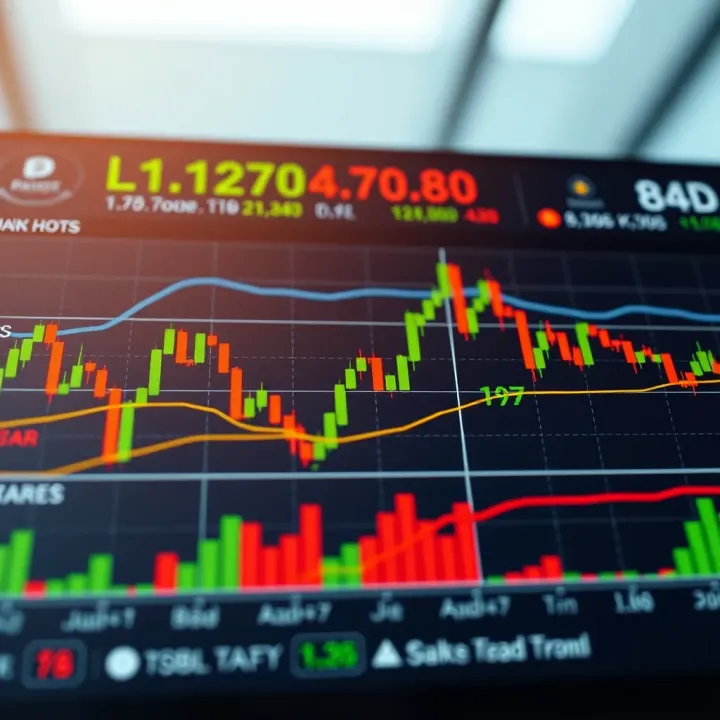
📊 Master forex trading in Nigeria with a strong plan. Learn to set goals, handle risks, develop strategies, and adjust for local market vibes. Trade smarter with confidence.
Based on 10 reviews