
Forex Trading Basics for Beginners
Start your forex trading journey with confidence 📈 Learn key concepts, market types, trading methods, and tips tailored for beginners in Nigeria 🇳🇬
Edited By
Liam Foster
Forex trading is a global market that never truly sleeps, primarily because it operates across various sessions that correspond with major financial centres around the world. Understanding these sessions is vital for traders and investors, especially in Nigeria, where market timing can significantly affect trade outcomes.
The forex market is generally divided into four main sessions — Sydney, Tokyo, London, and New York. Each session has distinct start and end times that align with local business hours, affecting liquidity, market activity, and volatility. For instance, the London session tends to be the busiest, reflecting Europe’s dominance in forex turnover, while the Tokyo session is typically slower but can offer unique opportunities during Asian market hours.
The key to effective forex trading lies in recognising when these sessions overlap. For example, when the London and New York sessions run simultaneously, the market often experiences higher volatility, creating more trading opportunities. Nigerian traders should pay attention to these windows to time entries and exits better.
Sydney Session: Opens at 10 pm WAT and closes by 7 am WAT.
Tokyo Session: Runs from 12 am to 9 am WAT, influencing Asian currencies like the Japanese yen.
London Session: Starts at 8 am and closes at 5 pm WAT, often driving the most significant price movements.
New York Session: Operates between 1 pm and 10 pm WAT, overlapping partly with London’s.
Traders in Nigeria should note that forex market activity peaks during session overlaps, especially between London and New York. Volatility increases during these periods, allowing for sharper price swings and potentially better entry points, but also higher risks.
Strategically, a trader focusing on Nigerian naira pairs might find more liquidity and price stability during the London and New York sessions due to higher global participation. Conversely, the Sydney and Tokyo sessions may show lesser volatility but offer quieter periods for longer-term positioning or adjustment.
By aligning trading activity with these sessions, Nigerian traders can plan their trades to suit their risk tolerance and market strategy. Awareness of session timings also helps avoid trading during low liquidity periods, which often results in wider spreads and higher transaction costs.
In essence, understanding the forex trading sessions and their rhythms enables sharper decision-making, better risk management, and readiness for market movements specific to each time zone.
Understanding forex trading sessions is essential because the forex market is not continuous but operates in chunks of time when different financial centres open and close. These sessions influence trading volume, volatility, and price movements. For Nigerian traders especially, knowing when these sessions start and end helps in planning trades around periods of high liquidity and avoiding times with low market activity.
Forex trading sessions refer to specific time frames during the 24-hour day when global markets are active. Since forex is a worldwide market, liquidity and trading intensity fluctuate as doors open and close in major financial hubs. Each session offers distinct market traits shaped by regional economic news, business hours, and trader behaviour.
Dividing the forex market into sessions helps traders focus on periods with the strongest market momentum. For example, trading during high-volume sessions increases the chance of fair prices and tighter bid-ask spreads. It also helps manage risks by avoiding slow and erratic market times. The session structure adds order to what might otherwise seem like a nonstop and chaotic market.
London session: This session is often seen as the most important since London is a major financial centre. It typically kicks off around 8 am and runs until 4 pm London time, overlapping neatly with other sessions. Given London's role in handling a significant chunk of forex volume, currency pairs like GBP/USD and EUR/USD tend to move vigorously here. Nigerian traders should pay attention to this session for sharp price movements influenced by European market news.
New York session: Starting at 8 am and ending at 5 pm New York time, this session overlaps with the latter part of the London session, creating a highly active trading window. The US dollar is the dominant currency during this time. News releases like US economic indicators often lead to big swings. Nigerian traders can expect heightened volatility in pairs involving USD, such as USD/NGN or USD/JPY, during this session.
Tokyo session: Covering Tokyo’s business hours, this session runs roughly from 9 am to 6 pm Japan time. Its quieter compared to London or New York but very important for Asian currencies like the Japanese yen, Australian dollar, and New Zealand dollar. Nigerian traders interested in AUD/USD or USD/JPY should watch Tokyo’s session for trends that start to form and occasionally continue into London’s opening.
Sydney session: This session is the smallest in volume since it’s the first to open the trading day and mainly handles the Australian and New Zealand markets. While it has less volatility, its timing is crucial for setting the tone of the Asian market day. Nigerian traders dealing with commodities-linked currencies like AUD or NZD can use this session to identify early market sentiment.
Knowing the characteristics and timing of each forex trading session arms Nigerian traders with the ability to time their trades better, match strategies to market behaviour, and manage risk during ember months or volatile periods.
Knowing the exact timing and typical traits of each forex trading session helps traders spot the best opportunities. These timings matter because the forex market behaves differently depending on the trading centre’s opening hours, liquidity, and volatility. Nigerian traders, working mainly on West Africa Time (WAT), must align their activities with these global sessions to trade effectively without facing unexpected risks or idle times.
London session timing
The London session runs roughly from 8:00 am to 4:00 pm WAT. This period marks the start of the European trading day when the UK financial markets open. Liquidity usually peaks as major banks and institutions transact within this window. For Nigerian traders, this session is convenient as it fits neatly within the typical working day, allowing them to monitor trades actively without disrupting their local schedules.
New York session timing
The New York session opens around 1:00 pm and closes at 9:00 pm WAT. This session overlaps with the London session in the early afternoon, increasing market activity and volatility substantially. Traders in Nigeria can catch both sessions, but the New York session extends into the evening, suitable for those who prefer trading after their regular work hours or need to react to US economic news released during this time.
Tokyo session timing
Tokyo’s forex trading session takes place from 12:00 am to 9:00 am WAT. This session is the first to start among the major global centres and mostly involves Asian currency pairs like JPY. Nigerian traders who prefer early morning trading or want to trade currencies driven by Asian market moves need to be awake before dawn to take advantage of this window.
Sydney session timing
The Sydney session runs roughly from 9:00 pm to 6:00 am WAT and signals the start of the forex trading week on Sunday night WAT time. Although it is the smallest in terms of liquidity, it sets the tone for the day and week ahead in other markets. Nigerian traders might find this session less active but useful for picking up early trends or reacting to global events happening overnight.
High volatility periods
Periods of high volatility usually coincide with session overlaps, such as the London-New York overlap between 1:00 pm and 4:00 pm WAT. During these hours, trading volumes surge, causing significant price movements which offer trading opportunities for scalpers and day traders. Traders should prepare for rapid price changes and use appropriate risk management during these peak times.
Low activity times
Late evening and early morning hours, especially between the Sydney and Tokyo sessions from 6:00 am to 8:00 am WAT, generally experience low market activity. Lower liquidity means wider spreads and subdued price action, which might not suit traders looking for quick moves or tight spreads. Nigerian traders may prefer to avoid these quiet times unless they use range trading strategies.
How session characteristics affect currency pairs
Each session influences currency pairs linked to its region. For example, during the London session, EUR/USD and GBP/USD see increased activity, while JPY pairs dominate during the Tokyo session. Understanding these patterns helps traders pick the right pairs for their chosen session, enhancing their chance of profitable trades. For instance, focusing on USD/NGN during New York session overlaps might give better insights due to relevant US economic data releases.
Matching your trading activity with the timing and nature of forex sessions means better use of market liquidity and volatility — a key step toward smarter trading decisions in Nigeria's forex market.
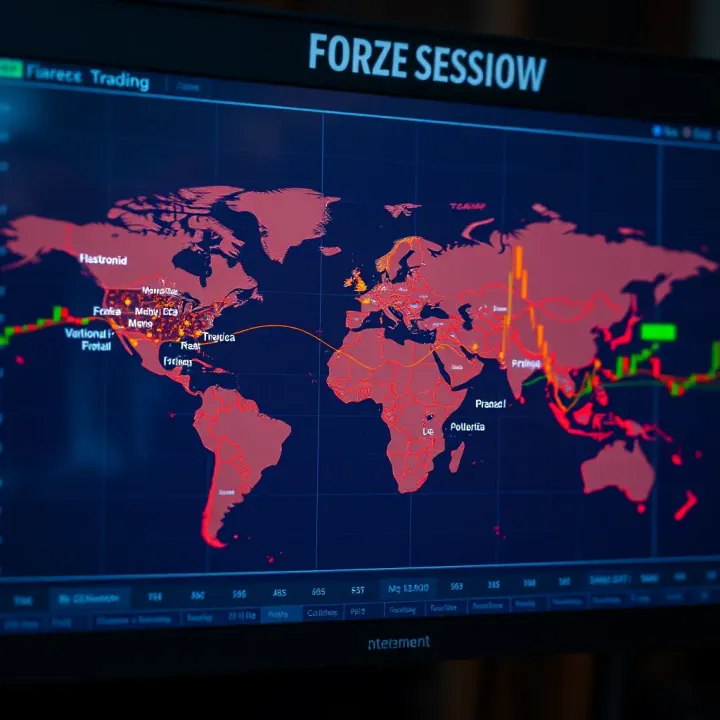
London session: 8:00 am – 4:00 pm WAT
New York session: 1:00 pm – 9:00 pm WAT
Tokyo session: 12:00 am – 9:00 am WAT
Sydney session: 9:00 pm – 6:00 am WAT
When forex trading sessions overlap, it creates unique conditions that can significantly affect market behaviour. Understanding these overlaps is essential because they tend to bring higher trading volumes and greater volatility, offering both opportunities and risks for traders. Nigerian forex traders, in particular, can benefit from knowing when these overlaps happen to optimise their trading times and strategies.
Liquidity refers to how easily assets can be bought or sold in the market without causing significant price changes. During session overlaps, two major financial centres are active at the same time, resulting in more market participants and bigger transaction volumes. For instance, when both London and New York sessions run concurrently from 2 pm to 6 pm Nigerian time (West Africa Time, WAT), liquidity surges.
This increase in buying and selling activity means traders can enter or exit positions more easily and with less slippage. Liquidity is especially crucial for larger traders or institutions, as it helps prevent price manipulation and reduces spreads, ultimately lowering trading costs. If you are trading with platforms like MT4 or MT5, you will notice tighter spreads during these overlaps, which is a clear sign of improved market conditions.
Alongside more liquidity, overlapping sessions often bring heightened volatility. With many participants trading simultaneously, price swings can become more pronounced. This happens because overlapping sessions attract greater participation from banks, hedge funds, and other market players who react to fresh news and economic data releases.
For example, when the Tokyo and London sessions overlap around 9 am to 10 am WAT, there is often a spike in volatility for currency pairs involving the Japanese yen and the euro or British pound. This volatility can provide excellent trading opportunities, but it also demands risk management skills to avoid sudden losses during sharp price swings.
This overlap is the busiest session overlap and runs roughly from 2 pm to 6 pm Nigerian time. It covers peak activity hours in two of the world's biggest financial centres. The London–New York overlap drives about 70% of daily forex volume, making it the most liquid and active period in the market.
Nigerian traders watching this period can benefit from more dynamic markets and tighter spread conditions. It is also the time when crucial economic data from the US and Europe gets released, intensifying market reactions. For instance, Non-Farm Payroll (NFP) reports often cause sharp price movements during the New York session but can already start to influence the market during the London overlap.
Though shorter and less active than the London–New York overlap, this session runs for a brief window around 9 am to 10 am WAT. It connects Asian and European trading centres, making it relevant for forex pairs like USD/JPY, EUR/JPY, and GBP/JPY.
Activity during this overlap can be unpredictable, often driven by late Asian news and early European market reactions. Traders focusing on Asian-European pairs find this period useful for spotting trends or reversals. However, the lower volume compared to the London–New York overlap means spreads can widen, so careful trade planning is necessary.
Major pairs like EUR/USD, GBP/USD, USD/JPY, and USD/CHF show notable price activity during session overlaps. For example, EUR/USD often spikes around the London–New York overlap due to the currency exposure in both these regions. Similarly, USD/JPY responds to the Tokyo–London overlap as both Japan and Europe are active.
Understanding these patterns helps traders set better entry and exit points. For instance, if you trade EUR/USD, focusing your trading during the London–New York overlap increases chances of profitable moves with manageable spreads. Meanwhile, yen pairs require more attention during Asian-European overlaps when volatility sneaks in unexpectedly.
Session overlaps create a fertile ground for increased market activity, blending liquidity with volatility. Traders who grasp these windows can better time their moves to maximise gains while controlling risks.
Being aware of session overlaps is more than just clock-watching; it's about recognising when the market breathes its deepest and moves the fastest. Nigerian traders can use this knowledge to blend local schedules with global rhythms, making forex trading more strategic and less guesswork.
Trade success depends heavily on aligning strategies with the unique behaviour of different forex sessions. Each session’s volatility, market volume, and typical currency activity dictate which trading style works best. Recognising these nuances helps traders time their entries and exits more effectively, avoiding unnecessary risks and capturing potential profits.
Scalping during high volatility: Scalping is a fast-paced strategy focused on making small profits from quick price movements. The London and New York sessions often experience heightened volatility due to economic data releases and market overlap. During these times, liquidity surges, creating rapid price swings that scalpers can exploit. For instance, a scalper might enter short trades on GBP/USD after a key UK interest rate announcement, aiming to ride brief surges before exiting quickly.
This approach requires sharp attention and disciplined risk management since volatility can lead to sudden reversals. Nigerian traders using platforms like MT4 or MT5 can leverage one-minute charts and tight stop-loss orders to handle these fast moves.
Range trading in quiet sessions: When markets move sideways with little volatility, typically during the Tokyo or Sydney sessions, range trading becomes more suitable. Here, traders identify price levels where currencies repeatedly bounce between support and resistance, placing trades within this range.
For example, a trader might watch USD/JPY during the Tokyo session, noting its tendency to oscillate in a narrow band before the London open. Rather than chasing breakouts, range traders wait for price to touch boundaries and then enter trades expecting a reversal. This strategy reduces exposure during low liquidity periods common with Nigerian traders who might prefer less stressful market hours.
Best pairs for London session: The London session drives major activity in European currencies, especially the GBP, EUR, and CHF pairs. GBP/USD, EUR/USD, and EUR/GBP see enhanced volume and sharper trends during London hours due to overlapping European market participation. Nigerian traders keen on momentum-based strategies often watch these pairs, as the London session’s volatility offers good trade setups and clearer trend signals.
Pairs suited to Asian sessions: During Asian hours, currency pairs involving the JPY, AUD, and NZD show more predictable behaviour. Pairs like USD/JPY, AUD/JPY, and NZD/USD often trade within tighter ranges but can experience spikes around Japanese or Australian economic reports. Nigerian traders who prefer calmer markets and stable ranges can focus on these pairs in the early hours before the main European sessions begin.
Pairs influenced by US session: The New York session strongly affects USD-related pairs, especially USD/CAD and USD/MXN, thanks to North American market activity and crude oil price influence. For Nigerian traders interested in commodity-linked trades, this session presents opportunities as oil price releases and US financial data cause notable fluctuations. Timing trades on USD/CAD during overlapping London-New York hours often improves chances of capturing sharp price moves.
Adapting your trading plan to the rhythm of forex sessions not only improves timing but also helps manage risk in Nigeria’s local market context, where daily life and market hours may clash.
By understanding session-specific behaviours and choosing strategies accordingly, Nigerian traders can sharpen their edge and navigate the global forex market with more confidence.
Practical advice for Nigerian forex traders helps bridge the gap between global market behaviour and local conditions. Understanding when to trade, how to use technology, and managing seasonal risks can protect your capital and improve your chances of success. Nigerian traders often face particular challenges, such as erratic power supply, high data costs, and cultural factors influencing trading habits. These tips focus on balancing these realities with smart market engagement.
Balancing trading with local lifestyle is key to sustainable forex trading in Nigeria. Nigerian traders typically juggle work, family commitments, and social life, so picking sessions that fit realistically into daily routines is crucial. For example, the London session overlaps with Nigerian working hours, making it possible to observe the market live during the day. On the other hand, the New York session starts late afternoon Nigerian time and runs into the night, which might require night owambe parties or social downtime to be adjusted. Structuring your trading schedule to avoid burnout while capitalising on the most active sessions can increase focus and reduce emotional trading.
Managing risks during ember months deserves special attention. From September through December, volatility often spikes due to increased consumer spending, currency pressure, and geopolitical events common in the season. For instance, naira volatility usually intensifies as demand for foreign exchange rises for imports and festive activities. A practical approach is to keep position sizes smaller during these months, set tighter stop-loss levels, and avoid trading on major holidays when liquidity dries up. This helps mitigate sudden price swings that might otherwise wipe out profits.
Using MT4/MT5 and mobile apps has become essential for Nigerian traders who cannot afford fixed desktops or reliable power throughout the day. MetaTrader 4 and 5 platforms provide Nigerian traders with real-time quotes, charting tools, and automated orders that can be managed even on spotty internet connections via mobile. Apps let you track and react to the London, New York, or Tokyo sessions no matter where you are, whether waiting for a danfo or at a barbing salon. Choosing brokers that support these platforms with low latency is critical.
Instruments for monitoring sessions and news help traders stay ahead of market-moving events. Trading sentiment, economic calendars, and session timers available on both desktop and smartphone apps allow Nigerian traders to watch when major banks open and close, expect volatility spikes, and plan accordingly. For example, knowing when CBN policy announcements or FOMC releases occur can inform when to pause trading or reduce exposure. Combining this with platforms like Bloomberg or Reuters Nigerian editions improves access to local forex factors.
Too many Nigerian traders ignore timing and technology, only to find themselves caught on the wrong side of volatile moves. Aligning your schedule, tools, and risk management with session realities is the best way to trade smarter and sustain long-term profits.
Start your forex trading journey with confidence 📈 Learn key concepts, market types, trading methods, and tips tailored for beginners in Nigeria 🇳🇬
📈 Learn forex trading basics, strategies & risk management tailored for Nigerian traders 🇳🇬. Discover where to find trustworthy training for better trading success! 💡
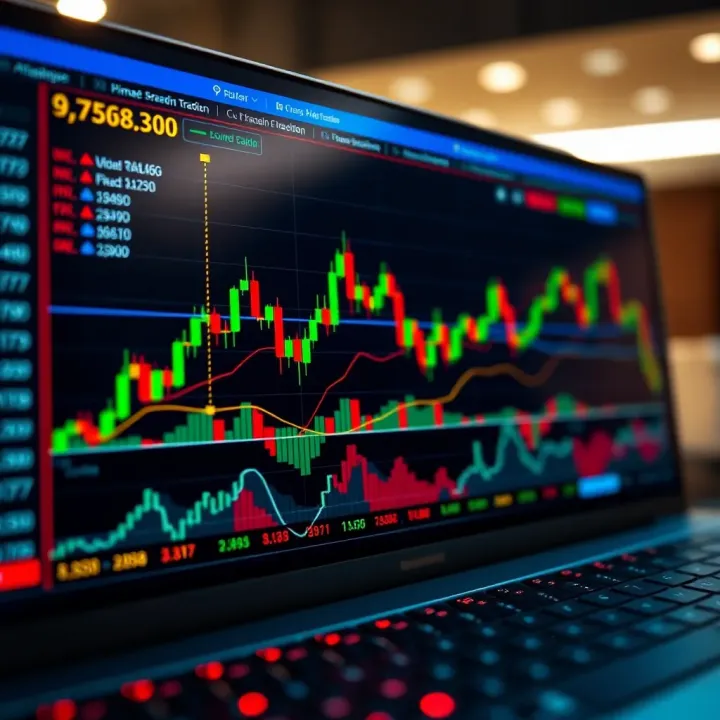
📈 Learn forex trading basics, find reliable brokers, master strategies, and manage risks effectively in Nigeria's vibrant forex market. Start making savvy trades today! 💱

Start your forex trading journey with a clear guide designed for Nigerian traders 🇳🇬. Learn market operation, account types, platforms, and risk tips to trade confidently.
Based on 11 reviews