
Understanding Forex Trading Formats for Nigerian Traders
🌍 Master forex trading formats in Nigeria with clear guidance on quotes, orders, platforms, and market info to trade confidently and make informed decisions. 💹
Edited By
Sophie Lawrence
Forex trading, or foreign exchange trading, involves buying and selling currencies to profit from changing exchange rates. For Nigerian traders, the forex market offers a unique opportunity because it operates 24 hours daily, allowing trading around Nigerian Standard Time (WAT). The market’s huge liquidity and constant price movements make it attractive but also risky.
Unlike the stock market, forex trading doesn’t happen on a central exchange. Instead, trades occur via an electronic network of banks, brokers, and individual traders. This decentralised setup means price fluctuations respond quickly to global news, economic data, and geopolitical events. For Nigerian traders, factors like naira volatility, CBN policies, and global oil prices have a direct impact on forex pairs involving the naira.
Before starting, understand key terms such as:
Currency pairs: Forex trades involve currencies quoted in pairs, for example, USD/NGN or EUR/USD.
Pips: The smallest change in currency price, usually the fourth decimal place.
Leverage: A double-edged tool allowing you to control larger positions with a small capital outlay but increases risk.
Getting set up requires choosing a reliable broker authorised by the Securities and Exchange Commission (SEC) or reputable international brokers offering access through platforms like MetaTrader 4 (MT4) or MetaTrader 5 (MT5). These platforms provide charts, indicators, and order tools essential for trading.
Starting forex trading without knowing market volatility, leverage risks, and trading costs can quickly drain your funds. Approach with caution and solid knowledge.
Nigerian traders should also consider transaction costs, such as spreads and commissions, which affect profitability. Opening the right account type — standard or mini accounts — helps match your budget and trading style.
Practical advice:
Begin with a demo account to practice without risking real money.
Learn fundamental and technical analysis to understand market behaviour.
Manage risk by setting stop-loss orders and never investing more than you can afford to lose.
Finally, stay aware of local restrictions on capital flows and currency regulations by the Central Bank of Nigeria (CBN). Many Nigerian traders have turned to trusted platforms such as OPay or Paystack to fund accounts in foreign currencies safely.
Exploring forex trading with discipline, practical tools, and local market awareness can give you a strong footing to trade confidently and responsibly.
Forex trading, short for foreign exchange trading, represents the buying and selling of currencies. It's the world's largest financial market, where currencies fluctuate in value against each other. For Nigerians, understanding forex trading opens doors to participate in this global market from their homes or offices. It matters because it offers liquidity, flexibility, and an opportunity to leverage capital in ways conventional investments often cannot match.
Forex is the global marketplace where currencies are exchanged at agreed prices instantly. Unlike the stock market, forex isn't tied to a physical location or central exchange and runs 24 hours on weekdays. This continuous nature makes it attractive for Nigerian traders who may want to trade outside traditional business hours due to local commitments or internet availability.
Trading forex involves currency pairs — for example, USD/NGN or EUR/USD. When you trade a pair, you're buying one currency while selling the other simultaneously. If you expect the US dollar to strengthen against the naira, you buy USD/NGN. If it rises, you profit; if it falls, you incur a loss. Understanding how currency pairs move helps Nigerian traders anticipate the impact of economic policies or events on their trades.
The naira often faces pressure from inflation, foreign exchange shortages, and policy changes by the Central Bank of Nigeria (CBN). Forex trading provides a channel for individuals and firms to access foreign currency more flexibly than through traditional banking. Moreover, remittances, import-export businesses, and travel all depend on efficient currency exchange, making forex trading a practical tool within the economy.
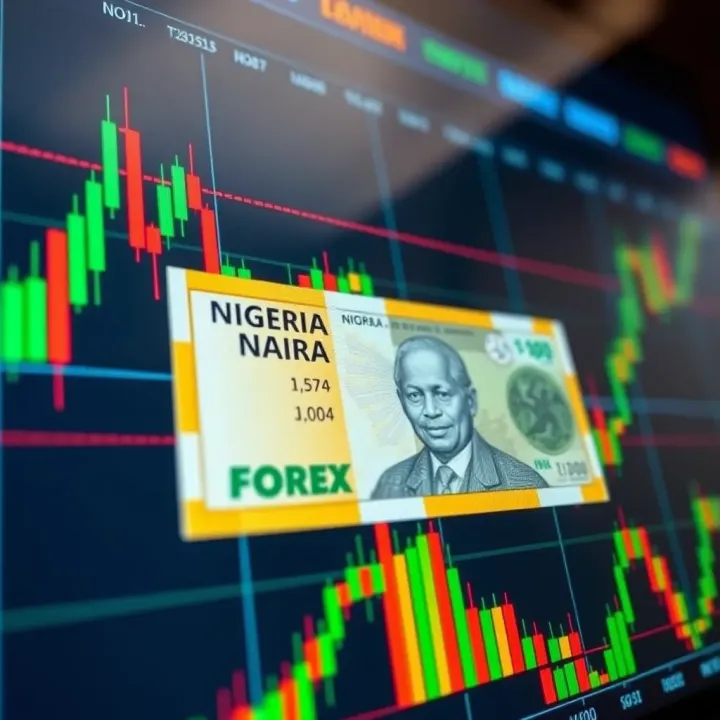
Forex trading allows Nigerians to diversify income sources beyond local markets affected by economic fluctuations. Many individual traders have turned to forex to generate extra income or even full-time earnings, taking advantage of price changes in major currencies like the US dollar or euro. Businesses engaging in international trade use forex strategically to hedge against currency risks and lock in prices, thus protecting profit margins.
Understanding forex trading equips Nigerians with practical means of navigating currency fluctuations in daily life and business, especially amid naira volatility.
By learning how forex works and appreciating its role in the Nigerian financial ecosystem, traders become better positioned to manage risks and seize opportunities this unique market presents.
Understanding how the forex market works is key to succeeding as a trader, especially in Nigeria where economic shifts can be sudden and impactful. The forex market doesn’t have a single physical location; it’s a global network of buyers and sellers transacting currencies 24 hours a day. Knowing its structure and operation lets you time your trades better and pick the right partners.
The forex market is decentralized, meaning it operates across various financial centres worldwide rather than through a central exchange. This decentralisation allows continuous trading from Monday morning in Asia through Friday evening in New York, giving you flexibility to trade at any time. For Nigerian traders, this means you can trade alongside global markets, reacting to news from the US, Europe, or Asia without waiting for local business hours.
Major players shape this market heavily. Banks stand out as the biggest forex dealers, handling large volumes and influencing currency rates. Next are brokers, acting as intermediaries between banks and retail traders like you. These brokers provide platforms and access to the market, often offering leverage to increase your buying power.
Retail traders, though smaller in volume, have grown significantly thanks to online platforms. For example, with ₦50,000 and a reliable broker, you can start trading currency pairs like USD/NGN or EUR/USD. But remember, your choice of broker matters for security and costs.
Forex’s 24-hour cycle splits into four major sessions: Sydney, Tokyo, London, and New York. Each session has unique activity levels. The London and New York sessions overlap in the afternoons Nigerian time, bringing higher liquidity and more price movement — ideal times to trade major currency pairs.
Liquidity refers to how easily a currency pair can be bought or sold without affecting its price much. High liquidity means tight spreads (the difference between buying and selling prices), lowering your costs. For instance, during London/New York overlaps, USD/NGN might show better pricing and faster order execution.
Low liquidity periods, like late at night Nigerian time, often bring wider spreads and unpredictable price swings, increasing risk. Understanding these cycles helps you schedule trades to avoid unnecessary slippage and maximise profit chances.
Grasping the forex market’s operation — its decentralised nature, key players, and continuous trading hours — equips Nigerian traders to optimise their strategies and react smartly to market dynamics.
This knowledge is not just theory; it directly affects the timing of your trades, selection of currency pairs, and choice of brokers, which altogether shape your forex experience here in Nigeria.
Before jumping into forex trading, setting up the right account, choosing appropriate platforms, and understanding regulations in Nigeria are foundational steps every trader must take. These elements directly shape your trading experience and safeguard your investments.
Forex brokers offer various account types tailored to different trading needs. Commonly, traders will come across standard, mini, and micro accounts. A standard account usually requires higher minimum deposits but offers larger trade sizes and tighter spreads, suitable for more experienced traders with bigger capitals. On the other hand, mini and micro accounts allow smaller trade sizes, making them ideal for beginners or Nigerians trading with limited funds.
Capital requirements vary significantly. For instance, some brokers accept as low as ₦10,000, which opens doors for Nigerians with tight budgets to enter the market. Leverage is another key point; it allows traders to control larger positions than their deposit. While leverage of up to 1:500 is available, it comes with increased risk. Nigerians should use leverage cautiously, considering the volatility of the naira and forex markets.
MetaTrader 4 (MT4) and MetaTrader 5 (MT5) dominate the Nigerian forex space because of their user-friendly interfaces and comprehensive tools. MT4 is widely preferred by beginners for its simplicity and stability. MT5 offers enhanced features such as more timeframes, additional technical indicators, and a built-in economic calendar, which suits traders aiming to deepen their analysis.
In Nigeria, both local and international brokers operate, making it easier to find trading partners. Platforms like MT4 and MT5 are supported by brokers such as FXTM, HotForex, and local options like OPay Forex, which integrate local deposit and withdrawal options for Nigerian clients. Choosing a broker that supports Naira deposits and withdrawals eases transactions and reduces forex conversion costs.
Regulation is crucial to protect Nigerian traders from scams and malpractice. Traders dealing with regulated brokers enjoy higher security for their funds and fair trading practices. Unregulated brokers may offer tempting bonuses but pose severe risks.
In Nigeria, the Securities and Exchange Commission (SEC) oversees forex trading activities, especially with the rise of local brokers. It’s advisable for traders to verify a broker’s registration with SEC Nigeria or equivalent international bodies like the Financial Conduct Authority (FCA) or Cyprus Securities and Exchange Commission (CySEC). This verification helps ensure a safer trading environment.
Always confirm that your broker adheres to regulatory standards before opening an account, to avoid falling prey to fraudulent schemes.
Understanding these basics on setting up your trade will make your forex journey more secure and effective within the Nigerian market context.
Starting forex trading without a good strategy is like trying to navigate Lagos traffic without a map — confusing and risky. Basic trading strategies provide the foundation for making informed decisions rather than relying on guesswork. They help you identify potential entry and exit points, manage risks, and understand market behaviour over time. For Nigerian traders, mastering these basics is key to turning occasional wins into consistent profits.
Fundamental analysis involves looking at the economic factors that influence currency prices. Key economic indicators to watch include inflation rates, interest rates, GDP growth, and employment data. For example, a rise in Nigeria’s inflation or changes in the Central Bank of Nigeria (CBN) monetary policy can directly affect the naira's strength against other currencies. These indicators give a bigger picture of a country's economic health and its currency's future direction.
Besides global economic events, Nigerian economic news plays a significant role. Announcements about oil production, government budgets, or foreign investment inflows can impact forex prices. For instance, sudden statements from the Nigerian National Petroleum Company (NNPCL) about output cuts might strengthen the naira temporarily as investors react. Keeping tabs on such news helps traders anticipate volatility and make timely moves.
Technical analysis focuses on price charts and patterns to predict future movements. Common chart patterns such as head and shoulders, double tops and bottoms, and trend lines are straightforward tools that help traders spot potential trend reversals or continuations. Indicators like moving averages and the Relative Strength Index (RSI) assist in confirming entry points.
Applying technical analysis in Nigerian market conditions requires extra care due to local factors like naira volatility and irregular liquidity. For example, during ember months or election seasons, price patterns might be less predictable. Still, combining technical signals with current Nigerian economic context enhances accuracy, allowing traders to avoid false signals and better time their trades.
Remember, no strategy guarantees profit, but understanding these fundamental and technical basics boosts your confidence and edge in the forex market.
Managing risks and overcoming challenges are vital for anyone venturing into forex trading, especially Nigerian traders who face unique market conditions. Without a clear risk management strategy, traders may lose significant capital quickly due to the volatile nature of the forex market. This section highlights how understanding these risks and applying disciplined money management can safeguard your investment and improve your chances of consistent returns.
Market volatility arises from factors like geopolitical events, economic data releases, central bank policies, and unexpected global shocks. For instance, sudden changes in Nigeria's fuel subsidy policy or fluctuations in the naira exchange rate can trigger sharp price movements affecting forex pairs linked to the naira or those involving major global currencies. Traders must stay alert to these events and understand how they ripple across the market.
Nigerian traders also encounter pitfalls such as unregulated brokers, unreliable internet connections, and fluctuating power supply which may impact trade execution and timely decision-making. Inexperienced traders can fall victim to emotional trading or over-leveraging, which quickly eats into capital, leading to losses. Recognising these hazards upfront helps traders prepare and avoid common mistakes that derail their trading journey.
Setting stop-loss and take-profit levels is essential for preserving your capital. A stop-loss order limits potential losses by closing a position at a preset level, preventing you from losing more than you can afford. Conversely, take-profit locks in gains once a target price is reached. For example, if you buy the USD/NGN pair at ₦450 and set a stop-loss at ₦445 and take-profit at ₦460, your risk and reward are clearly defined, helping you avoid costly guesswork.
Trading discipline holds particular importance in Nigeria's trading environment, where market unpredictability and local challenges test a trader's resolve daily. It means sticking to your trading plan, avoiding impulsive decisions, and managing emotions like fear and greed. Many Nigerian traders succumb to temptation during the ember months by deviating from their strategies to chase quick profits. Maintaining discipline helps you navigate these bumps and build steady progress.
Effective risk management is not about avoiding all losses but controlling them so that profits can accumulate over time. This mindset is crucial if you want to succeed in forex trading amidst Nigeria’s dynamic market landscape.
In summary, learning to handle market volatility, recognising local trading pitfalls, and adopting solid money management practices are key to protecting your investment. With a clear plan and disciplined approach, you can trade smarter and build confidence on your forex journey.
🌍 Master forex trading formats in Nigeria with clear guidance on quotes, orders, platforms, and market info to trade confidently and make informed decisions. 💹
📈 Explore forex trading basics, learn how Nigeria's forex market operates, understand key terms, trading tactics, plus solid risk management for confident ₦ trades.
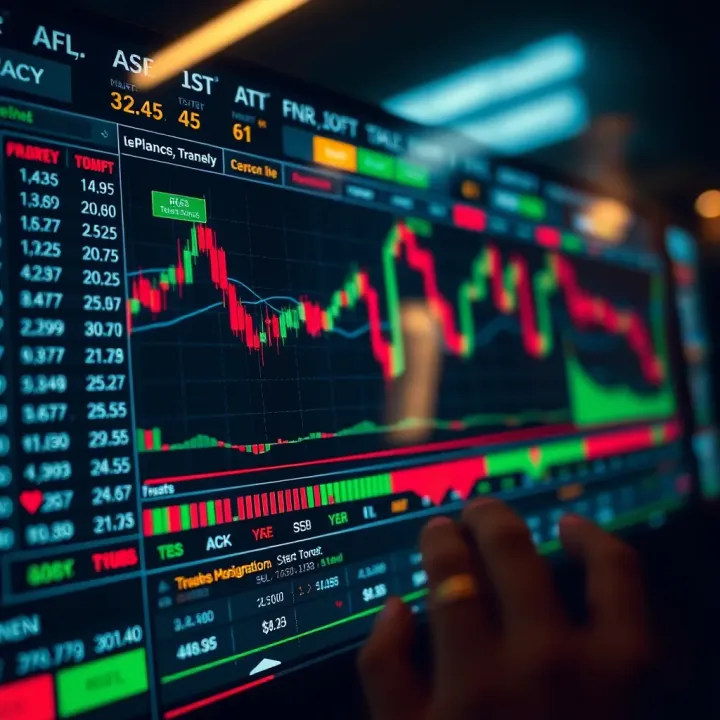
📈 Start forex trading in Nigeria with clear steps: know the market, pick the right broker, use smart strategies, manage risk, and meet local rules easily.
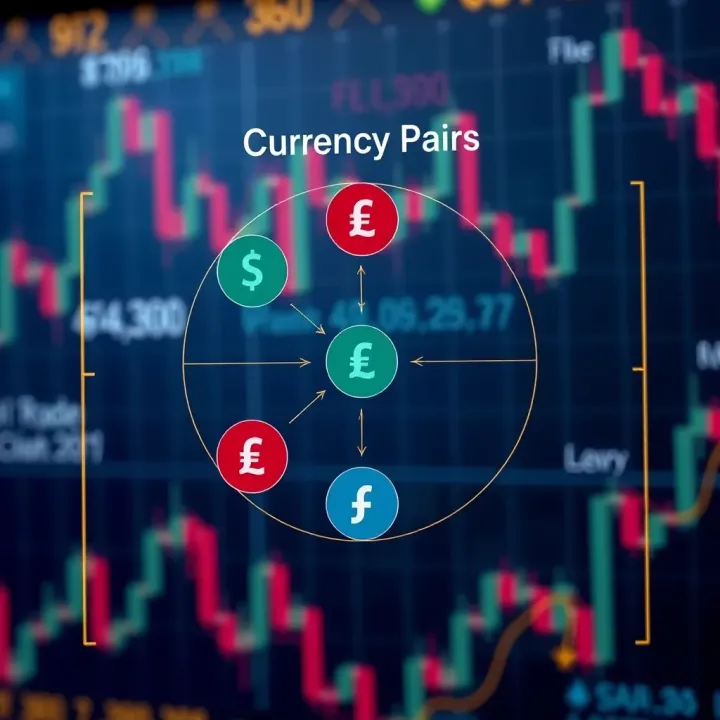
📈 Discover how forex trading works for Nigerian traders—learn about currency pairs, top platforms, market players, and smart risk moves to grow your ₦ safely.
Based on 8 reviews