
Start Forex Trading with Just $10 in Nigeria
Start forex trading in Nigeria with just $10! Learn smart money management, risk control, and tips to grow your small budget📈💰
Edited By
James Worthington
Forex trading in Nigeria is becoming more popular as people seek alternative ways to grow their wealth beyond traditional bank savings or fixed investments. The foreign exchange market, where currencies are bought and sold, operates 24 hours a day globally, offering a chance for Nigerians to trade USD, Euro, GBP, Naira, and other currencies. However, jumping in without proper understanding could mean losing your hard-earned money rather quickly.
Before you get started, it’s essential to build a firm foundation. You need to grasp how forex works and the unique factors that influence currency prices, such as interest rates set by the Central Bank of Nigeria (CBN), oil price fluctuations, and global economic events.
Understand the Market Dynamics: Forex pricing depends on supply and demand, geopolitical stability, and central bank policies. For instance, naira exchange rate volatility often spikes during ember months due to increased imports and demand.
Start with Learning and Demo Trading: Most brokers in Nigeria provide demo accounts where you can practise without risking real money. This helps you get used to the trading platform and test strategies.
Choose Your Broker Carefully: Pick brokers regulated by recognised authorities like the Securities and Exchange Commission (SEC) Nigeria or foreign regulators known for strict oversight. Beware of scams as many fake brokers target Nigerians with promises of quick profits.
A solid forex trading start in Nigeria demands discipline and preparation, not just jumping in for quick returns.
To trade forex successfully, you'll also need:
A reliable internet connection to avoid disruptions during critical trades.
Access to a PC or smartphone with trading apps like MetaTrader 4 or 5.
A defined trading plan outlining entry and exit points, capital allocation, and risk tolerance.
Forex trading isn’t about luck but informed decision-making. Nigerian traders, especially beginners, must focus on learning, understanding local economic signals, and slowly building experience. This approach helps you navigate the foreign exchange market confidently, avoiding common pitfalls that new traders often face.
Taking these early steps seriously sets the stage for a more predictable and controlled trading experience.
Grasping the fundamentals of forex trading is vital before putting your money on the line. Forex trading involves buying and selling currencies in pairs, so knowing how these pairs work and what moves the market saves you from costly mistakes. It's like learning to drive before hitting Lagos traffic – understanding your vehicle and the road ensures a safer journey.
Forex, short for foreign exchange, is the global marketplace where currencies are traded. It's the largest financial market worldwide, with a daily volume surpassing $6 trillion. Unlike the stock market, forex never sleeps; traders from all continents participate around the clock, which means opportunities and risks are always present.
In Nigeria, forex trading has grown popular as many seek to diversify earnings beyond traditional businesses. It is crucial to understand that trading forex is not about owning foreign currency physically but speculating on price movements to make profits.
Currencies are always quoted in pairs, for example, USD/NGN or EUR/USD. The first currency is called the base, while the second is the quote currency. The price shows how much of the quote currency is needed to buy one unit of the base currency.
For instance, if USD/NGN is quoted at ₦780, it means ₦780 will buy you one US dollar. If you expect the naira to weaken against the dollar, you might buy USD/NGN to benefit from this shift. Understanding this pairing helps you anticipate market moves and plan your trades accordingly.
Major pairs involve the most traded currencies globally, such as USD, EUR, JPY, and GBP. These pairs typically offer higher liquidity and tighter spreads, making them cost-effective for traders.
Minor pairs don't include the US dollar but involve other strong currencies like EUR/GBP or AUD/NZD. They can be less liquid and sometimes more volatile. For Nigerian traders, starting with majors like USD/NGN or EUR/USD is generally safer due to their stability and better market information.
The Nigerian Naira (₦) plays a unique role in the forex market. Although it's not a major global currency, the naira is frequently traded locally, especially against the US dollar. Given Nigeria's import-driven economy and fluctuating naira exchange rates, forex trading often reflects naira's value shifts.
Traders who understand the macroeconomic factors affecting the naira, such as CBN monetary policies or crude oil prices, gain an edge. This insight helps predict when the naira is likely to strengthen or weaken, guiding better forex trading decisions.
Nigerians engage in forex trading primarily through online brokers. They fund trading accounts using platforms like Paystack, Flutterwave, and bank transfers. Some also access forex via local bureaux de change or even purchase hard currencies, but online forex trading offers broader opportunities.
Many beginners start with small capital, practising through demo accounts before moving to live trades. The key is to pick brokers allowed to operate in Nigeria and understand local forex restrictions to avoid scams.
The forex market operates 24 hours from Monday morning in Asia to Friday evening in the US. However, peak activity aligns with major financial centres: London, New York, and Tokyo.
For Nigerians, the best trading windows are during Lagos and London overlap (2 pm to 6 pm WAT) and New York sessions (2 pm to 10 pm WAT). These hours usually see higher liquidity and price movements.
Volatility—the speed and size of price changes—can spike around economic news or geopolitical events. For example, unexpected CBN policy announcements might cause sharp swings in USD/NGN. Being aware of market hours and expected volatility helps traders time trades better and manage risks effectively.
Understanding forex basics creates a solid foundation for successful trading. Without this knowledge, you risk losing money to unpredictable market behaviour.
Before jumping into forex trading, making solid preparations can make the difference between losses and gains. Getting ready involves building skills and setting clear goals, plus knowing exactly how much money you can afford to risk. Especially in Nigeria’s trading scene, where volatility and scams can catch newcomers off guard, good preparation helps you trade smarter.
Understanding basic economic indicators gives you clues about how currencies will move. For instance, when Nigeria’s inflation rate spikes or the Central Bank of Nigeria (CBN) changes interest rates, it directly affects the naira’s strength. Knowing these signals helps you predict currency shifts and decide when to buy or sell.
Technical analysis focuses on price charts and patterns to forecast future movements. Fundamental analysis, on the other hand, looks at economic events and broader factors like political stability or trade balances. Most traders in Nigeria find mixing these approaches useful — technical tools help time trades, while fundamentals give the bigger picture.
Self-learning resources range from books to online courses on platforms like Coursera or Udemy. Locally, some fintech startups and financial blogs offer tutorials relevant to Nigerian markets, which can be more practical since they consider local economic structures and trading conditions. Practising with these prepares you before risking real money.
Deciding how much to invest is a balancing act. Think of it this way: never put more than you can afford to lose, considering your monthly expenses. For many Nigerians, starting with ₦50,000 to ₦100,000 is reasonable. That amount offers enough room to learn without risking financial hardship.
Expectations need managing too. Forex trading isn’t a quick path to riches. It involves ups and downs, so prepare for occasional losses. A good rule is to aim for steady, small profits rather than chasing huge gains. This keeps emotions in check and prevents rash decisions.
Starting small lets you grow your confidence and understand the mechanics before scaling up. For example, using demo accounts allows you to test strategies risk-free. Once you’re comfortable, moving to live trading with small stakes minimises potential losses while learning live market dynamics.
Be patient with yourself: forex trading is a skill that takes time to develop, so pacing your entry and investment protects both your capital and your peace of mind.
By building the right skills and setting clear, realistic goals, you put yourself on firmer ground in the unpredictable world of forex trading in Nigeria. With these preparations, you can approach the market ready and confident.
Picking the right broker is a game changer for your forex trading success in Nigeria. The broker is your gateway to the market—they provide the platform, tools, and customer support necessary to trade effectively. A reliable broker protects your funds, offers transparent pricing, and ensures smooth operations without hidden charges or delays.
The foremost factor to check is whether the broker is properly regulated. In Nigeria, the Central Bank of Nigeria (CBN) and the Securities and Exchange Commission (SEC) oversee financial activities and set guidelines for forex firms. While most brokers operating here are linked with international regulators like the Financial Conduct Authority (FCA) or Australian Securities and Investments Commission (ASIC), a broker regulated by respected bodies means higher trust and security.
Choosing an unlicensed broker risks your capital and may lead to fraud. Always verify licences on official regulator websites before committing funds. It also affects your recourse options if disputes arise.
A good broker provides a reliable trading platform with user-friendly features. MetaTrader 4 (MT4) and MetaTrader 5 (MT5) are popular choices among Nigerian traders due to their simplicity, charting tools, and automated trading options. Some brokers also have proprietary platforms tailored for mobile use, which is handy since many Nigerian traders rely on smartphones.
Practical tools like economic calendars, real-time news feeds, and technical indicators help you make informed decisions. Consider the broker’s platform stability—frequent crashes or slow execution can cost you real money during volatile moments.
Costs eat into your profits, so scrutinise the broker’s fee structure. Most brokers earn via spreads (the difference between buy and sell prices), commissions, or both. Nigerian traders benefit from brokers offering tight spreads, especially on popular currency pairs like USD/NGN or EUR/USD.
Beware of hidden fees such as inactivity charges, withdrawal fees, or minimum deposit requirements. For example, some brokers may charge ₦5,000 or above just for withdrawing your funds, which adds unnecessary cost. Transparent brokers list all fees upfront.
Nigerians can choose from a mix of reputable international brokers and local firms. International brokers such as Exness, HotForex, and FXTM have strong Nigerian presence and offer platforms adapted to local needs. Local brokers like Meritrade offer Nigerian Naira accounts, which reduces currency conversion charges.
Evaluating which type suits you depends on your preferred assets, funding ease, and customer service quality. International brokers usually provide a wider range of assets, while local ones focus on easier deposits and withdrawals.
Reading genuine reviews helps uncover red flags before you commit. Many online forums and Nigerian trading communities discuss broker reliability, withdrawal speed, and platform issues. Pay attention to consistent complaints, such as delayed payments or poor customer support.
Look for balanced reviews that mention both strengths and weaknesses. Avoid brokers hammered with many scam accusations or unexplained account closures.
Quality customer service matters, especially if you are new to trading. Nigerian traders should prioritise brokers offering responsive support through phone, live chat, or WhatsApp during local daytime hours. Quick problem-solving can save you from missed trades or account troubles.
Also consider the ease of funding your account. Brokers allowing deposit and withdrawal via local options like bank transfers, Quickteller, or USSD codes provide convenience. For instance, being able to fund your account directly from GTBank or Zenith Bank without extra steps simplifies your trading experience.
Choosing the right broker is as important as understanding the forex market itself. A trustworthy broker lays a strong foundation for your trading journey, helping you focus on strategy rather than worrying about safety and operations.
Beginning with your first trades in forex trading is where theory meets practice. This stage is critical for building confidence, testing what you have learned, and gradually developing a trading style that suits you. A well-planned approach reduces costly mistakes and lays a foundation for long-term success.
Using a demo account is essential before risking real money. It provides a risk-free environment where you can understand the trading platform, how orders are placed, and how market movements affect your trades. Most brokers offer demo accounts funded with virtual money that simulate actual market conditions.
Practising trade execution and trying out strategies on a demo account helps you gain practical experience. For instance, you can test how quickly you can open and close trades, or observe the impact of spread changes on your profit or loss. It also allows you to experiment with different currency pairs and timing techniques without financial pressure.
Transitioning from demo to live trading should be gradual. Many beginners jump in too soon and face unexpected emotional pressures like fear or overconfidence. To ease the shift, start small with real money and scale up only when you consistently make informed decisions on your demo account. This way, you manage risks and build discipline steadily.
Trend following and breakout strategies are straightforward yet effective for new traders. Trend following means trading in the direction of the prevailing market momentum, such as buying a currency pair that shows a steady upward movement. Breakout strategies focus on entering trades when the price moves beyond a known resistance or support level, aiming to catch new momentum before others.
Stop-loss and take-profit orders protect your capital and lock in gains by automatically closing trades at predefined price levels. For example, if you buy EUR/USD at 1.2000, setting a stop-loss at 1.1950 limits your maximum loss to 50 pips, while a take-profit at 1.2100 secures a 100-pip gain. These tools help avoid emotional decision-making during fast market swings common around economic events.
Timing your trades around economic news releases can be very profitable, but it requires vigilance. Important announcements, like CBN interest rate decisions or U.S. non-farm payroll reports, often disrupt forex prices significantly. Try to check an economic calendar daily, and avoid entering trades just before high-impact news unless you have a clear strategy, as sudden volatility can trigger unexpected losses.
Starting your first trades carefully and using proven strategies builds your forex trading foundation. By practising on demo accounts, managing risks with orders, and paying attention to market events, you improve your odds of success and handle Nigeria’s forex environment smarter.
Managing risks and maintaining discipline are the backbone of sustainable forex trading, especially in Nigeria's sometimes volatile market environment. Without a clear plan to handle potential losses and unemotional adherence to strategies, traders can quickly see their capital vanish. Strong risk management limits financial damage, while discipline protects you from impulsive decisions that usually lead to losses.
Setting maximum loss limits means deciding beforehand the highest amount of money you are willing to lose on a single trade or within a trading day. For example, if you start with ₦500,000 capital, it's wise to set a maximum loss limit of 1-2% per trade, which is ₦5,000 to ₦10,000. This prevents one bad trade from wiping out your entire account. By respecting loss limits, traders can avoid emotional distress and keep their trading bankroll intact for future opportunities.
Position sizing and leverage are directly linked to risk management. Position sizing determines the volume of currency units you trade and should align with your loss limits. Leverage, common in forex, lets you control larger positions with smaller capital, but it also multiplies risks. For instance, using 50:1 leverage means ₦1,000 controls ₦50,000 in the market—making gains bigger but losses steeper too. A good practice is to use low leverage initially and adjust position sizes to match your risk tolerance.
Avoiding emotional trading decisions is vital as fear and greed often drive poor calls. Emotional trading happens when you chase losses by increasing stakes or exit winning trades too early due to anxiety. Sticking to your strategy, regardless of short-term outcomes, keeps emotions at bay. Nigerian traders often face pressure from fluctuating naira values and local events, making discipline even more essential. Developing patience and detachment improves consistency over time.
Keeping a trading journal helps you track every move—entry and exit points, reasons behind trades, and results. This habit exposes patterns, both good and bad, allowing you to learn from mistakes instead of repeating them blindly. In Nigeria, where access to professional mentorship can be limited, a journal becomes your personal coach, sharpening your trading skills steadily.
Reviewing and adjusting strategies involves regular assessment of what works and what doesn’t. Market conditions change, and strategies effective today might fail tomorrow. By reviewing trades weekly or monthly, you spot trends and make informed tweaks. For example, if a breakout strategy fails during periods of low volatility typical in Nigerian market hours, you might switch to a range-bound approach temporarily.
Sticking to established rules means consistently following your risk limits, position sizes, and entry criteria without bending them based on impulses or outside opinions. A common pitfall is abandoning rules after a few losses or wins, which often leads to bigger losses. Discipline builds a trader’s edge by avoiding reckless behaviour and maintaining a professional approach regardless of emotions.
Risk management and discipline are not optional luxuries in forex trading. They are what separate a casual gambler from a serious trader in Nigeria's dynamic forex scene.
By embedding these practices into your forex trading routine, you build a robust foundation for long-term success rather than chasing quick profits that may disappear with one wrong trade.
Understanding the regulatory and legal environment is essential for anyone starting forex trading in Nigeria. The Nigerian forex market isn’t completely unregulated, and knowing the rules protects you from penalties and unscrupulous operators. Beyond compliance, navigating these considerations helps safeguard your investments.
The Central Bank of Nigeria (CBN) is the key authority overseeing currency operations within the country. While it doesn’t directly regulate every forex broker, it establishes guidelines and policies that impact trading. For instance, the CBN restricts certain foreign exchange dealings, especially for transactions involving the Nigerian naira.
Traders must be aware that the CBN’s regulatory framework shapes liquidity and the legal landscape. Banks and authorised dealers that comply with CBN directives ensure safer currency transactions. Ignoring CBN rules can expose traders to transaction reversals or legal action.
Nigerian regulations limit some types of forex trading to licensed dealers. Retail traders must use brokers authorised to operate internationally or locally with proper licences. Certain speculative activities or trading with non-regulated entities are prohibited and can lead to sanctions.
Also, the CBN restricts unofficial currency dealings such as parallel market transactions. Though some traders may be tempted by the exchange rate differences, these pose risks related to legality and fraudulence.
Any profits made from forex trading in Nigeria are subject to taxation by the Federal Inland Revenue Service (FIRS). It is vital to keep accurate records of all trades, profits, and losses for tax reporting.
Failing to report forex income can attract penalties. Traders should understand their obligations, including paying personal income tax or company tax if trading through a corporate entity.
Forex scams in Nigeria often promise guaranteed profits, use high-pressure tactics, or require large upfront deposits. Be cautious of platforms that lack transparency or push you to recruit others.
Phishing emails, fake websites, and impersonation of legitimate brokers are frequent. Always question offers that seem "too good to be true" and verify credentials before investing.
Staying alert to typical scammers’ behaviour can save you from losing your capital. If a broker’s claims do not match reasonable market realities, it’s safer to steer clear.
Before funding an account, check if the broker is registered with relevant authorities such as the Securities and Exchange Commission (SEC) Nigeria or recognised international bodies like the Financial Conduct Authority (FCA) in the UK.
User reviews, third-party audit reports, and clear disclosure of business practices help confirm a broker’s reliability. Avoid brokers that cannot provide verifiable licences or have unresolved complaints from traders.
Using secure payment channels protects your funds. Opt for brokers that support bank transfers through Nigerian banks or trusted Nigerian fintech platforms like Paystack or Flutterwave.
Be wary of brokers insisting on cryptocurrencies or obscure wallets for both deposits and withdrawals, particularly without clear exit plans. Always verify withdrawal policies upfront to avoid delays or refusal when you want access to your money.
Navigating these regulatory and legal issues carefully ensures that your forex trading in Nigeria stays above board and reduces the risk of unnecessary losses or legal troubles.
Start forex trading in Nigeria with just $10! Learn smart money management, risk control, and tips to grow your small budget📈💰
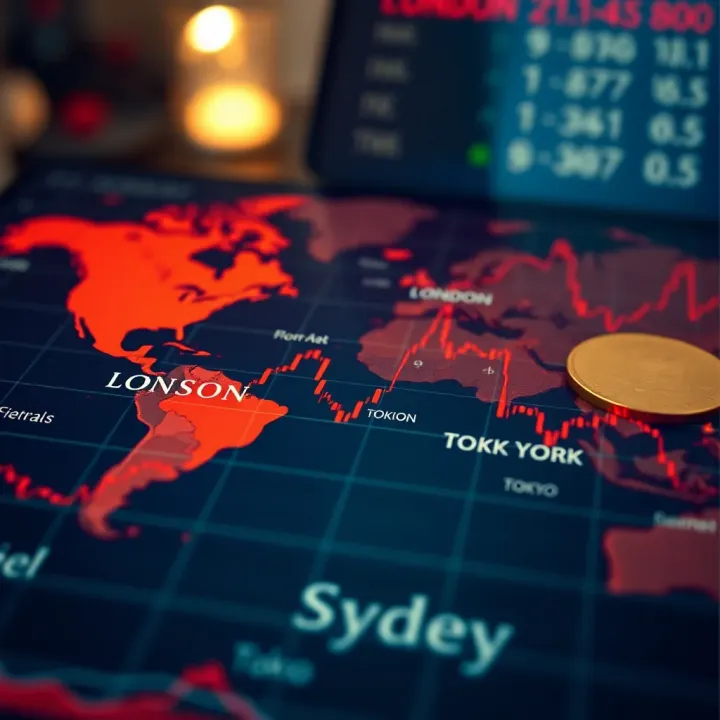
📈 Discover the best Forex trading times in Nigeria! Learn how global sessions and market moves impact your success for smarter trades. 💹🌍
📊 Find the best forex trading platform in Nigeria! Learn about security, fees, tools, and user experience to trade smart and avoid common risks.
Discover effective forex trading strategies 🇳🇬 tailored for Nigerian traders, focusing on risk management, analysis methods, and disciplined trading tips 📈💡.
Based on 11 reviews