

Introduction to Forex Trading for Nigerian Traders
Start your forex trading journey with a clear guide designed for Nigerian traders 🇳🇬. Learn market operation, account types, platforms, and risk tips to trade confidently.
Edited By
Amelia Foster
Forex trading in Nigeria has grown beyond just a financial buzzword; it represents a viable way for many to multiply their savings or diversify income streams. However, the market's high volatility demands a good grasp of its workings before diving in.
Understanding forex means recognising it as the market where currencies are bought and sold. Traders earn from the fluctuations in exchange rates between pairs like the US dollar (USD) and the Nigerian naira (₦), or euro (EUR) and pound sterling (GBP). This market operates 24/5, offering flexibility unmatched by usual stock exchanges.
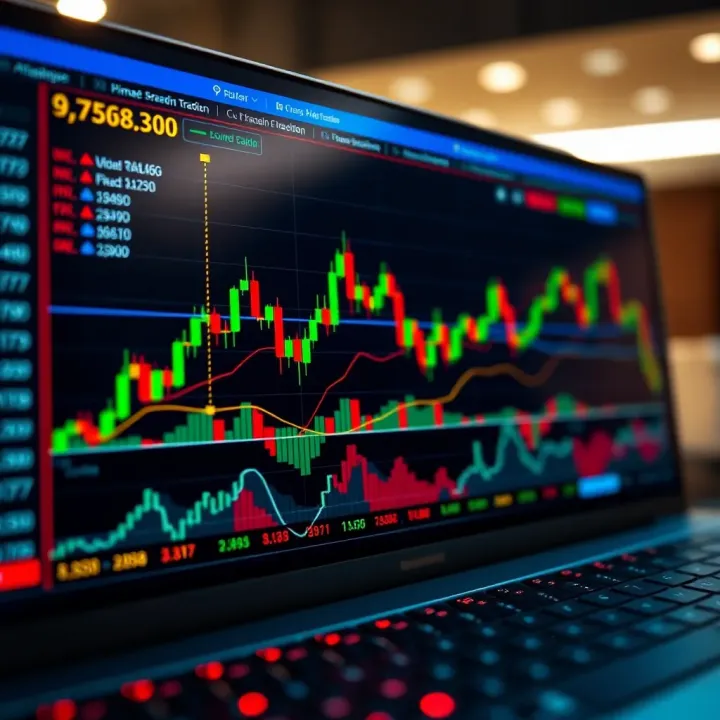
Before trading, you need basic knowledge of terms such as pips (percentage in point), leverage, and spreads. For instance, a trader using 1:100 leverage can control ₦100,000 with just ₦1,000. While leverage magnifies gains, it equally increases risks, especially if the market moves against you.
Practical learning begins with sourcing dependable education. Nigerian forex forums, YouTube channels like "Naira Forex Academy," and brokers such as FXTM or HotForex offer tutorials tailored to local contexts. Avoid promises of quick riches; instead, focus on solid strategies and risk management.
Choosing the right broker is crucial. In Nigeria, top brokers must be registered with regulatory bodies like the Securities and Exchange Commission (SEC). They should offer easy deposit and withdrawal options, including local payment methods such as bank transfers or USSD codes.
Starting with demo accounts lets you practise without risking real money. It helps test strategies in real-time market conditions, refining your skills before committing actual funds.
Above all, managing risk is non-negotiable. Using stop-loss orders and limiting leverage are ways to protect your capital.
Tip: Keep a trading journal to record your trades and emotions. Reviewing this regularly improves decision-making and discipline.
By mastering these basics, you prepare yourself to engage the Nigerian forex market confidently and responsibly—turning interest into profitable action.
Grasping the basics of forex trading is the foundation for anyone looking to thrive in this field, especially for Nigerians navigating a unique and fast-changing market. By understanding core concepts such as what forex trading involves, how currency pairs work, and the global operation of the market, traders can make informed decisions that reduce risks and enhance their chances of success. For example, knowing why the US dollar to Nigerian naira (USD/NGN) pair behaves a certain way during economic announcements can shape smarter trade timing.
Forex trading is the buying and selling of currencies to profit from changes in exchange rates. It is the largest financial market in the world, with trillions of dollars traded daily, far surpassing stock markets. For Nigerians, forex offers a chance to participate in an international market from the comfort of home, provided you understand how it works.
At its core, forex trading involves exchanging one currency for another, hoping to sell it later at a better rate. Since currency values are influenced by many factors — such as government policies, interest rates, and economic data — prices fluctuate constantly, creating opportunities and risks.
Currencies are traded in pairs, for instance, EUR/USD or GBP/USD. Each pair shows how much of the quote currency (second) is needed to buy one unit of the base currency (first). In Nigeria, pairs involving the naira (NGN) are popular among traders wanting direct exposure to local currency movements.
Understanding currency pairs helps traders track trends; for example, if political tensions in Nigeria create naira volatility, the NGN/USD rate can swing sharply. This means timing your trades around news and understanding the pair’s behaviour is critical.
The forex market never sleeps. It operates 24 hours a day, five days a week, divided into major trading sessions: Asia, Europe, and North America. For Nigerians, this means flexibility to trade anytime, but also the need to know when markets are most active for particular currency pairs.
Global operation implies that events happening continents away can affect prices locally. For instance, a US Federal Reserve policy change can influence USD pairs directly connected to the naira, even before Nigerian markets open.
Pip, lot, spread, and leverage are fundamental terms. A pip is the smallest price move in a currency pair, usually 0.0001, which tells you the profit or loss scale. A lot refers to the trade size; standard lots represent 100,000 units of currency, but many brokers offer smaller "micro" lots suitable for beginners.
Spread is the difference between the bid (selling) and ask (buying) price and represents a cost traders pay, so tighter spreads mean cheaper trades. Leverage allows trading larger positions with a small capital upfront but can magnify gains and losses — using leverage wisely is a must.
Bid and Ask Price define the prices at which you can sell and buy a currency pair. For example, if the USD/NGN bid is ₦460 and ask is ₦462, you can sell dollars at ₦460 or buy at ₦462. The spread—difference between the two—affects your trade cost immediately.
Margin and Rollover: Margin is the amount required to open a leveraged position; think of it as a security deposit. If your margin is ₦10,000 with 50:1 leverage, you can control ₦500,000 worth of currency. Rollover refers to the interest paid or earned when positions are held overnight, affected by interest rate differences between currencies.
Knowing these terms inside out puts you in control, so you don’t get caught unaware by common trading mechanics or costs. It also helps to communicate effectively with brokers and other traders.
Understanding these basics is the first step towards confident trading in Nigeria’s forex market. It equips you with the knowledge to explore deeper strategies and wisely navigate brokers, risk, and market news.
Accessing reliable learning resources is the foundation for anyone venturing into forex trading, especially within Nigeria's dynamic trading environment. With the rise of scams and misinformation, knowing where to find accurate, practical materials can save you from costly mistakes and accelerate your learning curve.
Several local and international online courses cater to Nigerian traders, offering clear insights into forex basics and advanced strategies. Local courses often contextualise trading within Nigeria's market challenges, such as naira volatility and payment gateway issues, providing practical tips. Meanwhile, international courses tend to be comprehensive, covering global forex dynamics and offering in-depth technical analysis.
When deciding between free and paid courses, consider their depth and credibility. Free courses are great for beginners scanning the basics without risk, but paid courses often offer structured learning, mentorship, and certifications. Nigerian traders seeking serious progress usually benefit from investing in paid options from recognised platforms, as these often update content reflecting current market conditions.
Popular platforms like Udemy, Coursera, or specialized forex education sites provide diverse courses. Moreover, Nigerian platforms such as Naira Invest or ForexTime occasionally offer localized tutorials and webinars tailored to Nigerian users. These platforms allow you to learn at your own pace, combining video lessons and quizzes for reinforcement.
Several books are excellent starting points to understand forex trading fundamentals. Titles like "Currency Trading for Dummies" by Brian Dolan or "Forex Trading: The Basics Explained in Simple Terms" by Jim Brown break down complex ideas into digestible parts. While many books focus on global markets, Nigerian traders should complement them with local forex guides that discuss Nigeria-specific lessons, such as handling the Central Bank of Nigeria’s policies or navigating local payment methods.
To use forex guides effectively, pace your reading with consistent practice. Don't rush through theories alone; actively apply concepts in demo trading platforms. Highlight key points and revisit chapters as your understanding deepens. This approach ensures you absorb practical knowledge, not just theory.
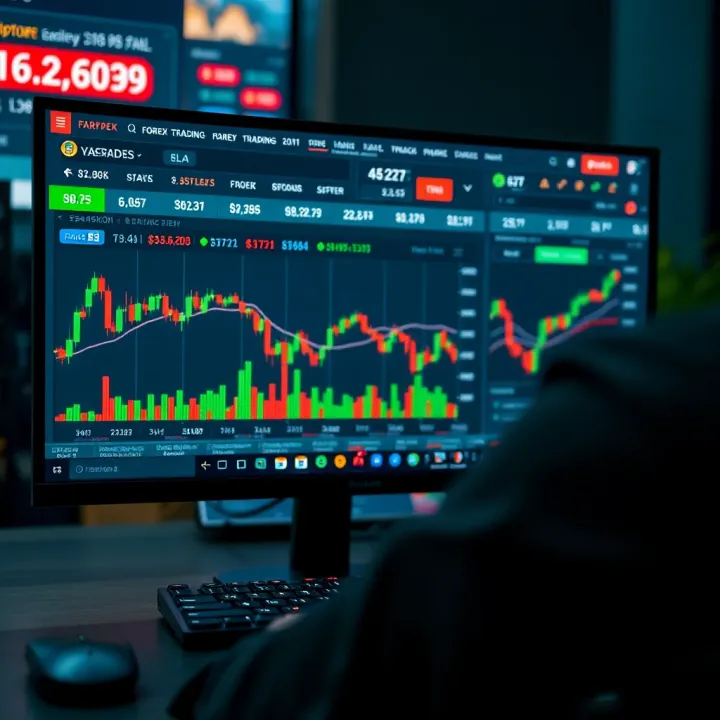
Social media groups and forums on platforms like Facebook, Telegram, and WhatsApp host vibrant discussions among Nigerian traders. These spaces offer real-time sharing of trading tips, alert on market changes, and practical advice from those experiencing Nigeria’s forex scene firsthand.
Joining local trading groups lets you connect with like-minded individuals, share challenges, and learn from others’ successes or failures. This peer interaction is vital for motivation and can reveal useful insights into brokers, payment methods, and regulatory issues relevant to Nigerian traders.
Events and webinars organised by community groups or forex educators provide direct access to professionals. These gatherings often address pressing Nigerian market concerns, from understanding CBN regulations to leveraging technological tools for better trading outcomes. Participating in such events sharpens your skills and keeps you updated on evolving trends.
Learning forex through reliable resources positions you to navigate Nigeria's forex market smarter and safer, turning knowledge into profitable practice.
Selecting the right forex broker is one of the most critical steps for any Nigerian trader looking to succeed in the foreign exchange market. The broker acts as the bridge between you and the global forex market, handling your trades, deposits, and withdrawals. Choosing poorly can lead to lost funds, unfavourable trading conditions, or even exposure to scams. Therefore, knowing what to look out for and how to assess brokers is essential.
Trading through a regulated broker protects you from unscrupulous practices. Brokers licensed by respected authorities, such as the Financial Conduct Authority (FCA) in the UK or the Cyprus Securities and Exchange Commission (CySEC), must follow strict rules concerning client fund segregation, reporting, and fair dealing. While Nigeria's Securities and Exchange Commission (SEC) is working towards local broker regulation, many Nigerians trade with internationally regulated brokers to ensure safety.
Before opening an account, check the broker's claims of regulation by visiting the regulatory body's official website. Most regulators provide searchable databases where you can enter the company's name to verify its licence status. If a broker claims local licencing, confirm with the SEC Nigeria to avoid unlicensed operators that target Nigerian clients.
Trustworthy brokers use separate bank accounts for client funds to prevent commingling with company money. This separation ensures that even if the broker faces financial trouble, your money remains safe. Additionally, strong cybersecurity practices like encryption and two-factor authentication safeguard personal data and transactions from hacking. Always confirm a broker’s security protocols before proceeding.
Most brokers offer demo accounts, allowing you to practise trading with virtual money under real market conditions. This feature is invaluable for beginners to understand mechanics, test strategies, and build confidence without risking real capital. Transitioning to a live account should come only after consistent success and understanding.
Some brokers require deposits as low as $10 (about ₦6,000), while others ask for hundreds or even thousands of dollars. For Nigerian beginners, a broker offering low minimum deposits is helpful to start trading with manageable risk. However, very low minimum deposits might come with higher spreads or less favourable conditions, so balance affordability with quality.
Brokers providing educational materials, responsive customer support, and easy-to-use platforms typically suit new traders better. Look out for brokers that offer personalised help in Nigerian time zones and accept common local payment methods, easing the onboarding process.
MetaTrader 4 (MT4) and MetaTrader 5 (MT5) remain the top platforms globally and among Nigerians. They offer user-friendly interfaces, charting tools, and automated trading features. Other platforms like cTrader or proprietary options also exist, but MT4/5 is often preferred for its reliability and wide support.
Reliable brokers support various payment methods convenient for Nigerians, such as bank transfers through local banks, card payments (Visa/MasterCard), and mobile payment services including OPay and Flutterwave. Quick and affordable withdrawals are crucial — some brokers take days or impose high fees, which frustrates traders.
Most brokers trade in dollars or euros, which means deposits and withdrawals often involve currency exchange. Some brokers allow direct naira funding through local gateways, reducing conversion costs and simplifying money flow. Understanding exchange rates and possible charges upfront helps avoid surprises affecting your capital.
Choosing your broker carefully can mean the difference between smooth trading and endless hassles. Always prioritize regulation, security, and convenient payment options to trade confidently in Nigeria’s forex environment.
Starting forex trading without a strategy is like stepping into Lagos traffic without a plan — confusing and costly. Basic trading strategies provide a structured approach to analyse the market and make informed decisions. These strategies help new traders avoid common mistakes by focusing on clear methods for entering and exiting trades.
Charts are the backbone of forex trading. They display currency prices over time, offering visual cues to potential market movements. Indicators such as Moving Averages, Relative Strength Index (RSI), and Bollinger Bands help simplify complex price data. For instance, a trader using a 50-day Moving Average might notice that when the price crosses above the average, it signals a possible upward trend.
These tools allow traders to anticipate price shifts based on historical data rather than guesswork. A Nigerian trader could apply this by checking charts during market hours, using platforms like MetaTrader, to time their trades better.
Recognising trends is a practical skill that separates disciplined traders from amateurs. A rising series of higher highs and higher lows usually points to an uptrend, while the opposite indicates a downtrend. Patterns like 'head and shoulders' or 'double top' often hint at reversals.
For example, if the USD/NGN pair shows a consistent increase over weeks, spotting this uptrend early enables you to ride the wave before it peaks. Such pattern recognition helps mitigate risks and plan exits at optimal points.
Government reports and economic indicators heavily influence forex prices. Information like Nigeria’s inflation rate, Gross Domestic Product (GDP), and trade balance can sway the naira's strength.
When Nigeria releases positive economic data, such as lower inflation or improved oil revenue, naira pairs often strengthen. By following scheduled releases on economic calendars, traders can anticipate volatility and position themselves advantageously.
Central Banks, including the Central Bank of Nigeria (CBN), adjust interest rates to influence economic activity. A rate hike often leads to currency appreciation as higher yields attract investors. Conversely, political instability or election uncertainties can weaken the naira due to increased risk perception.
Understanding these forces helps Nigerian traders avoid surprises. For example, during a politically turbulent period, you might reduce exposure or tighten stop-loss orders to guard against sudden declines.
Using demo accounts is like training in a flight simulator before taking real controls. It provides a risk-free space to test strategies and understand platform functions without financial loss.
Nigerian brokers commonly offer demo accounts with virtual funds. Practice here allows you to get comfortable with order types, leverage settings, and chart tools in a low-pressure environment.
Simulated trading helps sharpen decision-making and emotional control. You learn how to react to market movements, manage risks, and execute plans efficiently.
For example, practising entry and exit points on USD/EUR pairs using a demo account can build confidence. This experience reduces costly errors when you switch to live trading. It also discourages impulsive moves driven by fear or greed, common pitfalls among beginners.
Starting with solid strategies and practice boosts your chance of consistent success in Nigeria’s forex market. Don't rush into live trades without first acquiring these essential skills.
Managing risks in forex trading is a vital skill for Nigerian traders who want to protect their capital and trade sustainably. The forex market is volatile, and losses can quickly pile up without proper control measures. By learning how to set limits on losses, control leverage, and avoid emotional decisions, traders can maintain steadier growth and avoid costly mistakes common in the market.
How to limit losses: Stop losses are orders set to automatically close a trade once it hits a predetermined loss level. This tool protects your capital if the market moves against you unexpectedly. For example, if you buy the USD/NGN pair at ₦460 and set a stop loss at ₦450, your position closes automatically at ₦450, limiting further loss. Using stop losses helps you avoid wiping out your trading fund during sudden price swings, especially when news events affect naira exchange rates.
Locking in profits effectively: Take profit orders help you secure gains by automatically closing trades when the price reaches your target. Suppose you sell EUR/USD at 1.1000 and set a take profit at 1.1050; the trade closes once this level is reached, ensuring you don't miss out if the price falls back. Take profits prevent greed from creeping in and help Nigerian traders protect profits in volatile markets where prices can reverse quickly.
Using leverage wisely: Leverage allows traders to control larger trade values with less capital. While it can boost profits, excessive leverage risks magnifying losses. For a trader with ₦50,000, using 10:1 leverage means controlling ₦500,000 worth of currency. But if the market moves against you by 2%, your loss is ₦10,000 — which is 20% of your trading fund. Nigerian traders should use leverage conservatively, starting low and increasing only once they understand the risks.
Choosing the right trade size according to capital: Position sizing ensures your trades match the size of your trading account and risk tolerance. If your account is ₦100,000, risking 2% per trade means you shouldn’t lose more than ₦2,000 on any single trade. Adjusting lot sizes based on account equity helps manage risk and keeps your portfolio balanced through ups and downs.
Maintaining discipline: Emotions like fear and greed often cause traders to deviate from their plans, leading to impulsive buying or selling. Successful Nigerian traders learn to stick to clear rules and suppress knee-jerk reactions to market changes. For instance, when prices plunge, resisting the urge to double down on a losing trade preserves capital.
Sticking to a trading plan: A trading plan outlines your entry, exit, risk management rules, and strategy. Following it reduces guesswork and keeps you on track amid market noise. Nigerian traders benefit by documenting their trading goals, stop losses, and profit targets and reviewing their plan regularly to avoid chasing losses or making rash decisions.
Consistent risk management sets successful traders apart. Use stop losses and take profits, control leverage, size your trades smartly, and stay disciplined for long-term gains in forex trading.
Staying updated with forex market trends and news is essential for traders who want to make smart decisions rather than just guessing. Forex prices move fast, and economic events can cause sharp changes within minutes. For Nigerian traders, following these updates helps to time trades properly and avoid unnecessary losses.
Tracking economic announcements means keeping an eye on scheduled events like Central Bank of Nigeria (CBN) policy meetings, interest rate changes, or reports from the U.S. Federal Reserve. These announcements affect currency value significantly. For example, when the CBN changes the Monetary Policy Rate (MPR), it impacts the naira’s strength relative to the dollar. Knowing when such news is coming helps you prepare for potential market volatility.
Staying informed with these tools is not just about timing but also about understanding market sentiment. If you know that a poor inflation report is expected, you can expect currency weakness before the news breaks. This helps in planning stop losses or deciding when to stay out of the market. Economic calendars list events like GDP releases and employment data across various countries, all of which influence forex pairs involving those currencies.
Finding credible analysis involves tuning into sources with demonstrated expertise and track records. Websites like Investopedia, Bloomberg, or Nigerian financial news platforms give detailed forex insights and forecasts. Social media channels of established forex educators or licensed brokers can also be reliable if they share clear evidence-based updates.
Assessing expert advice means being alert to the quality of their claims. Probe whether they back their predictions with facts or just opinions. Look for explanations supported by data rather than vague statements like “market will definitely rise.” Watch out for consistency in their analysis over time and cross-check insights across multiple experts before making trading moves.
Successful forex trading demands you monitor market shifts actively and critically analyse information sources. Relying on good news services, economic calendars, and trustworthy analysts can keep you ahead in a challenging market.
Regularly updating knowledge, particularly about events affecting currencies like the naira, empowers you to trade with conviction and avoid surprises. In Nigeria’s shifting economic environment, traders who pay attention to trends and facts inevitably position themselves better.
Start your forex trading journey with a clear guide designed for Nigerian traders 🇳🇬. Learn market operation, account types, platforms, and risk tips to trade confidently.
🌍 Master forex trading formats in Nigeria with clear guidance on quotes, orders, platforms, and market info to trade confidently and make informed decisions. 💹
📈 Explore forex trading basics, learn how Nigeria's forex market operates, understand key terms, trading tactics, plus solid risk management for confident ₦ trades.
Ready to trade crypto in Nigeria? Learn market basics, pick the right platforms, manage risks, and handle ₦ payments safely. Start your crypto journey today! 🚀💰🇳🇬
Based on 14 reviews