

Best Forex Trading Books for Nigerian Traders
📚 Find the best forex trading books tailored for Nigerian traders! Learn key concepts, tips, and practical advice to boost your trading skills in Nigeria's market.
Edited By
Amelia Gray
Forex trading in Nigeria has grown steadily with improvements in internet access, mobile technology, and fintech platforms like Paystack and Flutterwave. Yet, many traders still struggle with consistency because they lack a solid trading plan tailored to Nigerian realities. This gap often leads to losses, emotional decisions, and missed opportunities.
An effective forex trading plan acts as a roadmap, helping you navigate volatile currency markets while controlling risks. It’s not just about choosing currency pairs or timing trades; it involves setting realistic goals, managing capital wisely, understanding local factors that impact the naira’s value, and regularly reviewing your strategy.
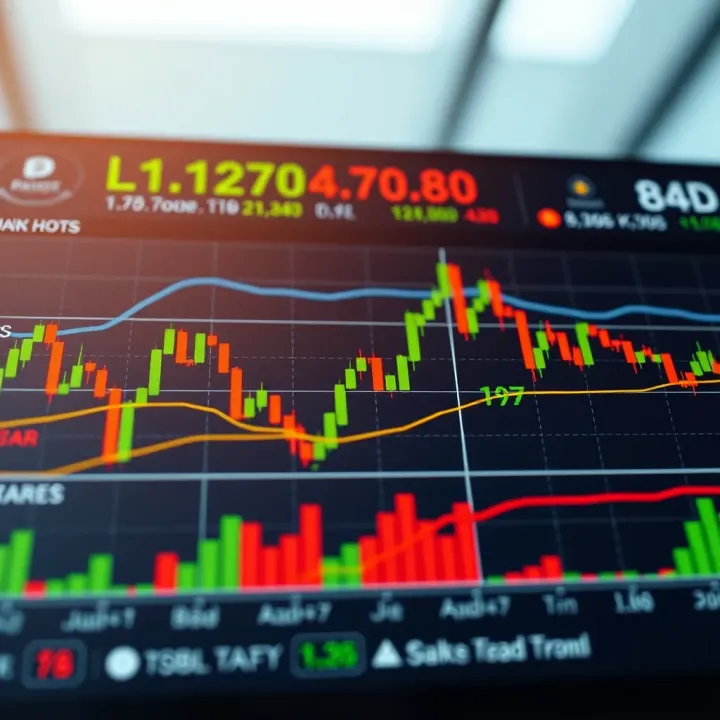
Consider the impact of Nigeria’s economic changes—like fuel subsidy adjustments, CBN monetary policy shifts, or political events—on naira volatility. These external factors demand a trading plan that’s flexible and responsive, not rigid and static.
At its core, your trading plan should cover four key areas:
Clear Goals: Define what success looks like. Are you aiming for steady monthly returns or long-term capital growth? Setting measurable objectives helps avoid chasing unrealistic profits.
Risk Management: Decide how much of your capital to risk per trade. For example, risking 1–2% of your trading funds limits losses and preserves capital during unavoidable rough patches.
Strategy Development: Choose the trading approach that suits your style and market conditions—scalping, swing trading, or position trading—and back it up with technical and fundamental analysis.
Regular Review: Markets change, especially in contexts like Nigeria where macroeconomic factors affect price movements. Update your plan based on your results and evolving market dynamics.
A well-crafted forex trading plan isn’t just a checklist—it’s your trading compass amidst Nigeria’s fast-changing forex market.
By focusing on these practical aspects, Nigerian traders will trade more confidently and consistently. Coming sections will break down each element with local examples and steps you can apply right away.
A forex trading plan is the foundation every serious trader in Nigeria needs. It acts like a roadmap, providing a clear direction and helping you avoid costly mistakes in the volatile forex markets. Without a solid plan, trading can easily turn into guesswork, emotional decisions, or just reacting chaotically to price moves.
A good trading plan establishes a routine and clear rules for entering and exiting trades. This structure stops trading from becoming a purely emotional exercise. For example, a Lagos trader might decide to only take trades during specific hours when market liquidity is high and avoid random impulses influenced by the noise on social media or sudden headlines.
Discipline goes hand in hand with structure. By following your plan strictly, you prevent reckless behaviour like chasing after every spike or doubling down on losing positions. Traders who stick to their rules regularly see steadier progress over time.
Forex trading stirs up emotions: fear, greed, hope, and frustration. Such feelings cloud judgement and often lead to poor choices. A detailed plan provides clear criteria for every trade, reducing the temptation to make impulsive decisions.
Consider a trader in Abuja who encounters a sudden plunge in the naira-dollar rate. Without a plan, panic selling or overbetting to recover losses can occur. However, a risk-managed plan with preset stop losses may help the trader remain calm and protect capital efficiently.
With specific entry and exit rules, you trade based on facts and strategy, not gut feelings. Consistency builds confidence and helps identify what works over time.
For instance, using a trend-following approach with precise rules for stop-losses and take-profits allows Lagos traders to gather reliable data on outcomes. This consistency makes it easier to refine strategies and boost winnings.
Without a plan, many traders fall into the trap of overtrading—making too many trades without proper selection criteria. This often happens when impatience kicks in or when traders try to recover from losses quickly.
A Nigerian trader might keep opening positions during their daily commute on an okada, reacting to every price change, which leads to unnecessary losses and fatigue. Clearly defined trading hours and strategy rules help curb such impulsiveness.
Lack of a plan usually means no clear risk limits. Traders might take excessive positions or ignore stop losses, exposing their accounts to huge drawdowns.
For example, not setting a stop loss on a trade during volatile naira-dollar fluctuations often leads to bigger losses than anticipated. Many Nigerian traders have lost substantial capital this way, making risk management a must-have in any plan.
Without a structured plan and trade journal, it’s tough to understand where profits come from or why losses happen. This stalls improvement and creates repeating mistakes.
Keep detailed records of trades, including reasons for entry and exit, and outcomes. Nigerian traders using apps like Excel or specialised platforms can spot what is working and adjust their methods accordingly.

A trading plan is your best defence against market unpredictability and emotional trading. It helps you stay disciplined, manage risk, and learn continuously—keys to lasting success in Nigeria’s dynamic forex scene.
Setting well-defined and achievable trading goals is essential for Nigerian forex traders who seek consistent success. Clear goals serve as a roadmap, guiding your daily decisions and shaping your approach amid the market's ups and downs. Without them, you risk drifting aimlessly or falling prey to impulsive trades that harm your capital.
Profit targets give you specific milestones to aim for over different periods. For example, you may set a short-term goal of earning ₦50,000 monthly from forex trading while aiming to grow that to ₦500,000 annually. These targets help you stay focused and measure progress realistically rather than hoping for some vague ‘big win’. It also helps curb the temptation to chase risky trades just to hit unrealistic gains quickly.
Beyond immediate profits, focusing on capital growth ensures steady increase of your trading account size. For instance, reinvesting part of your earnings rather than withdrawing all profits can compound your capital, allowing bigger trades and better returns over time. This strategy is particularly important considering the naira's volatility, which can erode value if profits are not safeguarded and grown.
Ambition is good but overestimating your potential can lead to disappointment or reckless trading. Nigerian traders often face challenges like internet hiccups or power issues, which can limit trading time. Setting ambitious but achievable goals means recognising these constraints and planning accordingly. For example, if you can only trade an hour daily due to work, expecting ₦1 million monthly might be unrealistic. Instead, set moderate, attainable goals that build confidence and provide steady returns.
Forex trading demands consistent attention to market movements and trade management. Your trading goals should reflect the time you realistically can devote. For example, a full-time trader in Lagos with flexible hours can set daily goals, while a busy entrepreneur might focus on weekly or monthly targets. Overcommitting to time-intensive strategies without availability often leads to frustration and losses.
Your trading plan must consider the capital you have without jeopardising essential funds. Many Nigerian traders start with limited capital ₦20,000–₦50,000, which requires conservative risk management. Allocating only a small portion of your total capital per trade, such as 1–2%, helps protect against heavy losses. Also, recognize costs like internet data and power backup expenses as part of your financial plan.
Most Nigerian traders balance forex alongside full-time jobs or family commitments. Your trading goals should factor in these responsibilities. For instance, if you work in a bank from 9 am to 5 pm, trading during volatile times like Asian sessions may be impractical. Instead, adjusting your strategy to focus on more suitable windows, and setting modest profit expectations, keeps your plan sustainable and stress-free.
Clear and achievable trading goals, aligned with your lifestyle and resources, create a foundation that supports discipline and steady success in forex trading.
By building your goals around practical realities, you avoid burnout and improve your chances of lasting in the forex market amidst Nigeria's unique challenges. Start small, plan thoughtfully, and grow confidently from there.
A solid risk management framework is the backbone of any successful forex trading plan. For Nigerian traders, risk control is not just about protecting capital but also navigating unique local challenges like naira volatility and infrastructural issues. Establishing clear rules on how much to risk per trade and managing overall exposure prevents devastating losses that can wipe out your trading account.
Using percentage risk rules: Most successful traders swear by risking a small percentage of their trading capital on each trade, typically 1-2%. For example, if your trading account holds ₦500,000, risking 2% means your maximum loss per trade should not exceed ₦10,000. This rule ensures that a string of losses won’t drain your funds completely, giving you room to recover. It encourages discipline and helps Nigerian traders avoid emotional decisions made during losses.
Setting stop-loss levels: Stop-loss orders act as your safety net, automatically closing a position when it hits a certain loss threshold. Setting appropriate stop-loss points prevents runaway losses, especially in Nigeria where market shocks can cause sudden swings. For instance, if trading USD/NGN and the naira suddenly depreciates sharply, a stop-loss will limit how much you lose. This tool is especially vital when power outages mean you may not be online to manage trades constantly.
Avoiding overleveraging: Leverage allows traders to open positions larger than their capital, but it can be a double-edged sword. Overleveraging exposes you to huge losses quickly. Nigerian traders, facing a volatile currency and sometimes thin liquidity, must use leverage prudently. For example, using 10:1 leverage instead of 100:1 reduces exposure and helps protect your account from being wiped out by one bad trade. Manage leverage carefully by adjusting it downward during ember months when markets tend to be choppy.
Naira volatility impact: The naira often experiences sharp fluctuations due to economic policies and foreign exchange scarcity. This volatility affects forex pairs involving the naira, potentially increasing risk for traders. To mitigate this, Nigerian traders should incorporate wider stop-losses or reduce position size during times of known naira instability. Monitoring CBN policies and forex market announcements gives an edge in forecasting volatility.
Impact of power outages on trading consistency: In Nigeria, erratic electricity supply remains a major hurdle for uninterrupted trading. Sudden power cuts can prevent you from executing timely trades or closing positions, escalating losses. Traders should invest in backup power solutions like generators or inverters to maintain uptime. Also, setting automated stop-losses or take-profits can help manage risk even when you lose direct control due to power failure.
Dealing with unreliable internet connectivity: Unstable internet connections are common across Nigeria, causing delays or failures in trade execution. To combat this, consider using mobile data backup, subscribing to reputable internet providers with good service level agreements, and regularly testing your connection quality. Besides, some traders use VPS (Virtual Private Server) hosting to run their trading platforms on remote servers with reliable internet, ensuring trades happen as planned regardless of local connectivity issues.
Risk management is not optional but critical, especially in Nigerian forex markets where external factors can unexpectedly affect trading. Build your framework carefully to preserve your capital and improve long-term performance.
By addressing these local realities within your risk management framework, you create a robust plan that can withstand both market and infrastructural shocks. This approach not only protects your funds but also builds trading confidence essential for Nigeria's dynamic forex environment.
Choosing the right trading strategies is vital for Nigerian forex traders aiming to succeed in volatile markets. A solid strategy offers a framework for making consistent decisions and managing risk effectively. Testing these strategies before real trading helps to avoid costly mistakes and fine-tune approaches that fit local market conditions.
Trend following and breakout methods focus on identifying market momentum. Traders look for currencies exhibiting a clear upward or downward trend, entering trades when the price breaks past defined support or resistance levels. For instance, if the USD/NGN pair breaks above a recent high during a period of strong dollar demand, this might signal a good opportunity to buy. This approach suits Nigerian traders who can patiently follow market direction while keeping losses small through stop-loss orders.
Range trading techniques work well in markets showing sideways movement. Here, traders buy near support zones and sell near resistance, capitalising on predictable price swings. Since the Nigerian forex market can sometimes enter quiet phases between major news events, range trading helps capture smaller profits steadily. However, traders should watch for sudden breakouts that may invalidate ranges, especially during periods of Naira volatility or changes in CBN policies.
News-based and event-driven approaches rely on reacting to economic reports, political developments, or Central Bank announcements. Nigerian traders aware of scheduled releases like the Monetary Policy Committee (MPC) decisions or inflation reports can anticipate heightened volatility and plan entries accordingly. For example, a hawkish tone in CBN statements often strengthens the Naira, favouring short-term short positions on USD/NGN. This method requires staying updated and quick execution but offers chances to profit from sharp price swings.
Using historical data for validation means replaying past price movements to see how your chosen strategy would have performed. For Nigerian traders, this could involve checking how a trend-following strategy fared during previous Naira devaluations or political changes. Backtesting highlights weaknesses and strengths, helping to set realistic expectations and money management rules.
Practising trades in simulated environments allows traders to hone skills without risking real money. Demo accounts provided by platforms like MT4 or MetaTrader 5 let you execute trades in real-time market conditions. This is especially helpful in Nigeria, where unpredictable internet and power outages can disrupt actual trading. Practising on demo accounts helps build confidence and improves order execution skills.
Adjusting strategies based on results is key for ongoing improvement. After backtesting and demo practice, analyse which trades worked and why others didn’t. You might discover your range trading approach performs poorly during high volatility or that your stop-loss distances need tweaking. Make clear, data-driven changes rather than guessing. The best Nigerian traders regularly refine their plans, adapting to market shifts and personal trading style.
Testing and selecting the right strategy is not a one-time task but a continuous process that sharpens your edge in Nigeria’s challenging forex market.
In sum, Nigerian traders should focus on strategies aligned to their time availability, capital, and local market traits. Combining trend, range, and news methods with disciplined backtesting and demo practise offers a practical path to steady forex success.
Reviewing and adapting your forex trading plan are key steps that keep you grounded and flexible in the ever-changing forex market. Regular evaluation helps you spot what’s working or not, so you can adjust your approach for better results. For Nigerian traders especially, adapting to local market dynamics and global shifts can make a big difference in performance.
Keeping a detailed record of your trades is fundamental. It’s not enough to remember your wins and losses; systematic logging of entry points, exit points, profit or loss, and timing provides clear evidence of patterns. For example, if you notice consistent losses around major announcements like CBN policy rates or Naira depreciation, you can modify your strategies accordingly.
Trading isn’t purely mechanical — emotions play a huge part. Recording how you’ve felt when making trades helps identify negative patterns such as impulsive decisions driven by fear or greed. Say you find that after a string of losses, you tend to overtrade in an attempt to recover quickly. Recognising this lets you set safeguards, like pausing trading or tightening risk controls during those times.
The journal becomes a mirror reflecting your trading strengths and weaknesses. By reviewing your records, you can pinpoint habits that hamper progress, such as not sticking to stop-loss rules or trading outside your preferred strategy. You may realise, for instance, that your entries are often premature. This insight guides you in honing specific skills to raise your overall trading edge.
Forex markets react sharply to economic events like inflation reports or global commodity price changes. Nigerian traders must stay alert to events like oil production cuts or foreign exchange policy shifts, which influence Naira value. When you spot these shifts early, you can recalibrate your trading plan — adjusting leverage, altering risk limits, or even pausing trading to protect your capital.
Regulatory environments in Nigeria can change, affecting how forex brokers operate, capital controls, or taxation policies. It’s vital to keep informed about directives from the Central Bank of Nigeria (CBN) or Securities and Exchange Commission (SEC). If restrictions tighten on currency flows, your plan should account for altered trade volumes or compliance requirements to avoid penalties.
Reviewing both winning trades and losses sharpens your judgement. Each success reveals what to repeat, while each mistake offers lessons to prevent repetition. For example, a trader might notice that patience during Naira dollarisation rumours led to better entry points. Conversely, rushing into trades during unstable periods led to losses. Documenting these helps solidify wise habits and weed out costly errors.
Consistently reviewing and fine-tuning your trading plan keeps you ahead of shifting markets and sharpens your decision-making. It’s the difference between guessing and trading with confidence.
📚 Find the best forex trading books tailored for Nigerian traders! Learn key concepts, tips, and practical advice to boost your trading skills in Nigeria's market.

📚 Discover top forex trading books offering practical strategies, market insights, and risk management tips to help Nigerian traders boost skills and confidence.
Explore forex trading benefits for Nigerian investors 🇳🇬 including easy access, high liquidity, leverage options, and portfolio diversification opportunities 📈💰

Start your forex trading journey with confidence 📈 Learn key concepts, market types, trading methods, and tips tailored for beginners in Nigeria 🇳🇬
Based on 14 reviews