
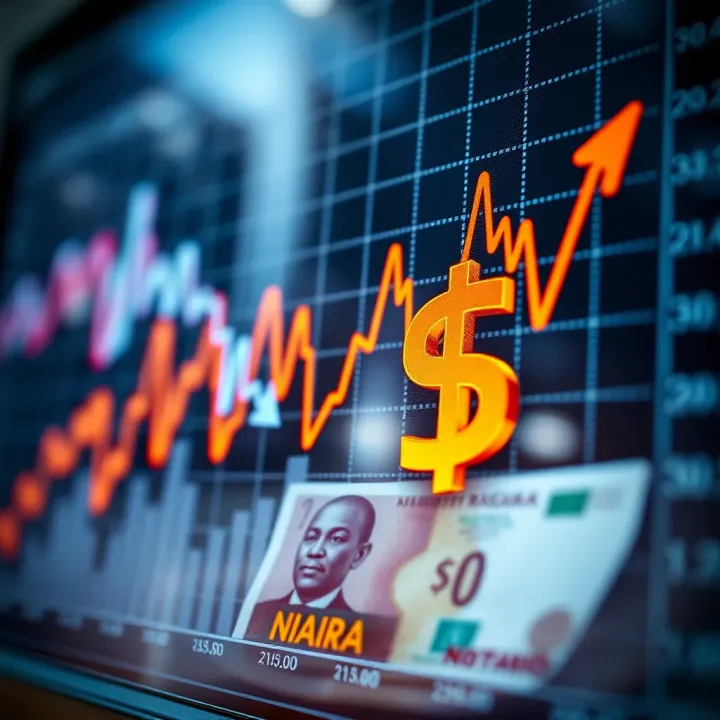
Understanding Forex Trading Signals in Nigeria
📉 Discover how forex trading signals guide Nigerian traders to spot real opportunities in volatile markets. Learn trusted sources, types of signals, and risk tips to grow your ₦ safely.
Edited By
Chloe Armstrong
Forex trading is buying and selling currencies to make profit from changes in their exchange rates. Unlike fixed prices in shops, forex prices move constantly because of many factors — economic data, political events, or market sentiment. For Nigerians, forex trading offers access to a global market worth over US$6 trillion daily.
The key currencies traded include the US dollar, euro, British pound, Japanese yen, and Nigerian naira. Traders look to buy when they expect a currency to strengthen and sell if they think it will weaken. For example, if you believe the naira will lose value against the dollar due to rising inflation, you might sell naira and buy dollars to benefit from the shift.
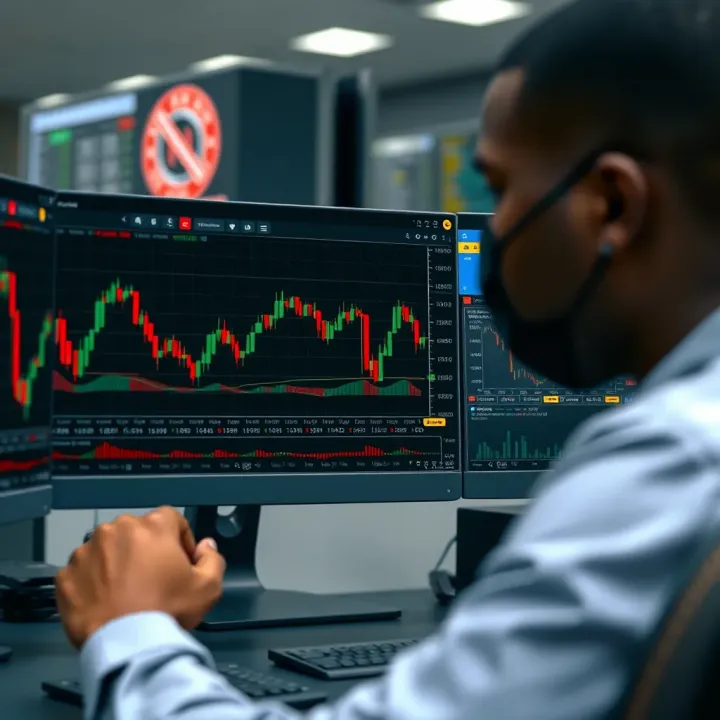
Forex trading isn’t a get-rich-quick scheme. It requires understanding market drivers, managing risks, and disciplined strategies.
Forex operates 24 hours each weekday across major financial centres—London, New York, Tokyo, among others—meaning trade can happen any time Nigerians are awake and alert. Trading usually happens through brokers who offer platforms connecting buyers and sellers.
Many Nigerians use online platforms like InvestBy or FXTM, enabling them to trade from mobile phones. These platforms offer tools such as live charts and news feeds to help traders make decisions.
Regulation: Always choose brokers registered with the Securities and Exchange Commission (SEC) Nigeria to avoid scams.
Currency pairs: Start with major pairs like USD/NGN or EUR/USD before exploring exotic options.
Leverage: While platforms offer high leverage, it raises risk. Use it cautiously.
Funding your account: Use secure payment methods like bank transfers or trusted fintechs (OPay, Flutterwave).
Understanding forex trading basics allows Nigerians to navigate the market better and avoid common pitfalls. Next, we will explore the major factors influencing currency values and how to read price movements effectively.
Forex trading is the backbone of global currency exchange, making it vital for anyone interested in earning from the fluctuations of exchange rates. For Nigerians venturing into this space, understanding the basics is the first step toward making informed decisions and avoiding common pitfalls. This section lays the groundwork by clarifying what forex trading entails, who the key participants are, and why it behaves differently from other financial markets.
Forex trading, short for foreign exchange trading, involves buying one currency while simultaneously selling another. The goal is to profit from changes in exchange rates — for example, purchasing the US dollar with naira and selling the dollars later at a higher rate. This straightforward buy-and-sell process is what drives the market's enormous daily turnover, exceeding $6 trillion globally.
Currency pairs are the units traded in forex. Each pair consists of a base currency and a quote currency — for instance, USD/NGN. When you see a rate like 460 for this pair, it means ₦460 buys you one US dollar. This pairing system simplifies trading by always considering the value of one currency relative to another, allowing traders to speculate on which way rates will move.
Forex differs from other financial markets, such as stocks or commodities, mainly because it operates 24 hours a day during weekdays and does not have a central exchange. While stock markets like NSE or NGX close in the evening, forex trading continues across major financial centres worldwide. This continuous activity means the forex market reacts quickly to news and events, offering both opportunities and risks to traders.
Central banks and governments play a significant role in forex markets. For example, Nigeria's Central Bank (CBN) engages in currency interventions to stabilise the naira's value. They might buy or sell foreign reserves to manage supply and demand, influencing exchange rates significantly. Understanding their actions helps traders interpret sudden market moves.
Financial institutions and banks also form a considerable chunk of forex activity. These entities conduct trades to facilitate international trade, hedge risks, or profit from short-term price changes. Big banks like Zenith Bank or Access Bank serve their corporate clients by handling large currency exchanges daily, creating the bulk of liquidity in the market.
Retail traders and investors, including many Nigerians, enter forex for speculative purposes or as a secondary income source. They typically use online trading platforms and brokers that provide access to currency pairs and leverage. Unlike institutional participants, retail traders operate on a smaller scale but contribute to market dynamics and liquidity. However, retail trading requires discipline and understanding of risk management to avoid losses.
Forex trading is not just about guessing currency prices; it involves knowing who moves the market and why, as well as how currency pairs behave. This knowledge helps Nigerian traders build strategies grounded in real market forces.
Understanding how the forex market works globally helps Nigerian traders appreciate the scale and structure of currency trading beyond local boundaries. Forex trading isn’t confined to one place—it operates continuously across the world, responding to events from Abuja to New York. This global nature influences currency prices and trading opportunities that local traders must grasp to navigate risks and spot profitable moments.
Forex is a decentralised market, meaning it has no central exchange like the Nigerian Stock Exchange (NGX). Instead, trading happens electronically over-the-counter (OTC), directly between buyers and sellers worldwide. This structure allows 24-hour trading, unlike stock markets that close at certain hours.
For Nigerian traders, this means you can trade whenever you want—during the Lagos workday or late at night when New York is active. However, the lack of centralisation also means prices can differ slightly between platforms, so choosing a reliable broker is key.
The currency market has major hubs in London, New York, Tokyo, and Sydney. These centres overlap in trading hours, producing higher activity when two or more centres operate simultaneously. London, often the busiest, accounts for about 40% of daily forex volume.
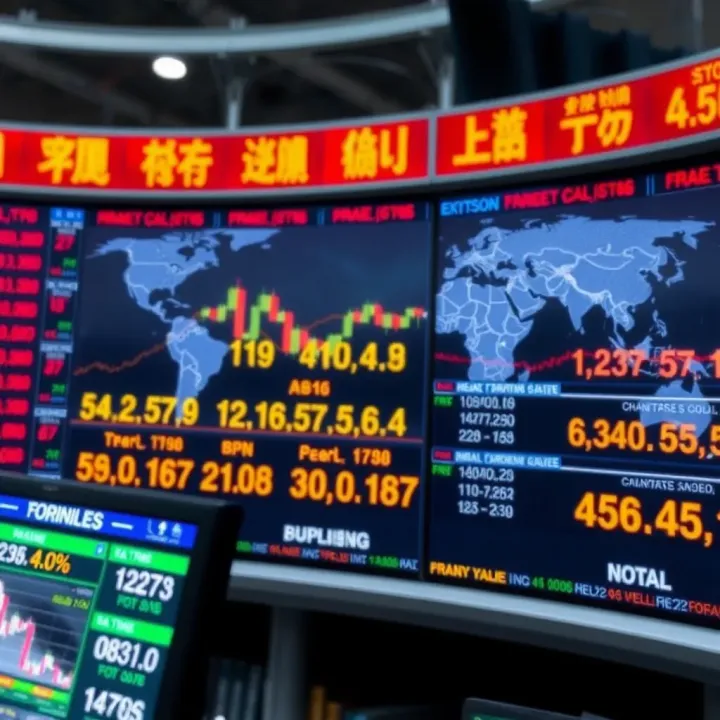
For instance, when it’s 3 pm in Lagos, both London and New York markets are open, creating more trade volumes and tighter spreads. Nigerian traders who understand these centres' schedules can take advantage by trading during peak liquidity to reduce costs.
Forex trading runs on four major sessions: Sydney, Tokyo, London, and New York. Each session lasts about eight hours, and together they cover 24 hours of trading from Monday to Friday. The market pauses on weekends globally.
Knowing when these sessions open and close helps traders plan; for example, volatility often spikes during session overlaps. Nigerian traders keen on suya or jollof breaks might want to schedule trades during London–New York overlaps for better price moves.
Market makers are institutions or dealers that provide continuous buy and sell prices, ensuring liquidity. Brokers act as intermediaries between the market and retail traders, offering platforms and access.
In Nigeria, brokers like HotForex, FXTM, or local-regulated firms offer trading accounts, but it’s crucial to pick brokers regulated by recognised authorities to avoid scams. Market makers can influence spreads and execution speed, affecting trading costs.
Speculators aim to profit from price changes, often making frequent trades based on analysis or news. Hedgers, such as importers/exporters or multinational companies, use forex to manage risks from currency fluctuations.
A Nigerian business that imports machinery from Europe might hedge by locking in the exchange rate today to avoid losses from naira depreciation later. Meanwhile, a speculator may take the opposite side, betting naira will strengthen.
Liquidity providers, usually large banks or financial institutions, supply the bulk of currency stocks, enabling smooth trading without big price jumps. Their continuous buying and selling keep the market fluid.
For Nigerian traders, working through brokers connected to reliable liquidity providers means better pricing and reduced risk of order slippage during trades, particularly in volatile periods caused by local events or global shocks.
The global forex market’s 24/5 operation, decentralised setup, and role of key players highlight why Nigerian traders need both technical understanding and cautious broker selection to succeed.
Understanding forex trading in Nigeria means recognising the local factors shaping how Nigerians trade currencies. The unique economic landscape, infrastructural challenges, and regulatory environment all influence trading experiences. Grasping these realities helps Nigerian traders navigate the market better and avoid common pitfalls.
Forex trading platforms generally come in three main types: desktop software, mobile apps, and web-based platforms. Desktop platforms like MetaTrader 4 and 5 offer comprehensive charting tools and custom indicators suited for serious traders with steady internet access. Mobile apps, such as those from XM and FBS, provide flexibility for on-the-go trading, which is handy in Nigeria’s often unstable power and internet conditions. Web platforms allow simple access without installation, making them useful for beginners or those with low-spec devices.
Some brokers reputed among Nigerian traders include HotForex, FXTM, and Alpari. These brokers usually provide customer service tailored to Nigerian clients and accept naira deposits through local payment options. Choosing brokers with a solid reputation and transparent terms reduces risk and improves trade execution reliability. Nigerian traders should test demo accounts first to get comfortable with platform features and broker service.
Regulation of forex in Nigeria is overseen by the Securities and Exchange Commission (SEC) for investment-related activities and, to some extent, the Central Bank of Nigeria (CBN) for currency controls. SEC-licensed brokers are few, and many Nigerians trade with foreign brokers licensed outside Nigeria. This combination means regulatory protection is limited locally. Traders should therefore verify broker credentials carefully and avoid unregistered operators promising unrealistic returns.
Exchange rate volatility in Nigeria can be severe, often driven by fluctuating oil prices and policy shifts. This unpredictability affects forex trading because it impacts the naira’s value and thus the cost of foreign exchange transactions. A trader might find that what was profitable yesterday seems less so today due to sudden changes in the official or parallel market rate.
Access to foreign exchange remains a problem for many Nigerians due to CBN restrictions on forex availability for speculative trading. This means traders can struggle to fund accounts or withdraw profits in dollars, leading some to rely on parallel market rates, which comes with added risk and cost.
Scams and fraud are a persistent threat in the Nigerian forex scene. Unsuspecting traders often fall for schemes promising guaranteed high returns or unregulated brokers who disappear with clients’ funds. Nigerian traders must stay vigilant by checking for proper licences, reading reviews, and avoiding brokers asking for unusually high upfront fees. Remember,
**"If it sounds too good to be true, it probably is."
Taking precautions and educating oneself about scam tactics helps safeguard investments while trading forex in Nigeria.
By understanding Nigeria’s trading environment, from platform choices to local hurdles, forex participants can make informed decisions and improve their chances of success.
Currency prices in forex trading reflect how much one country’s money is worth compared to another’s. Several factors push these prices up or down, shaping opportunities and risks for traders. Understanding these drivers helps Nigerian traders make sense of market moves instead of relying on guesswork.
Interest rates and inflation are fundamental to currency valuations. When Nigeria’s Central Bank (CBN) raises interest rates, it tends to draw foreign investors seeking higher returns. This inflow pushes the naira’s value up. Conversely, rising inflation erodes purchasing power, causing the naira to weaken as traders anticipate reduced demand for Nigerian assets. For example, if inflation jumps to 15%, the naira may lose ground as investors fear the real return on investments will be low.
GDP growth and unemployment provide insight into a country’s economic health. Strong GDP growth signals increased productivity and wealth, which usually strengthens the national currency. Unemployment tells a similar story — high rates indicate economic stress and can drag the naira down. For instance, Nigeria’s yearly GDP growth rate fluctuates around 2-3%, but prolonged dips below 1% often lead to depreciation, as seen during the pandemic.
Trade balance and current account show how much a nation imports versus exports. Nigeria’s economy relies heavily on oil exports. When oil prices fall, export revenues decline, widening the trade deficit and putting downward pressure on the naira. A positive trade balance, where exports exceed imports, tends to support currency strength by increasing demand for that currency to pay for goods.
Government policies and political stability directly affect investor confidence. Clear, consistent policies like those that encourage foreign investment will boost the naira’s appeal. On the other hand, political unrest or sudden policy shifts create uncertainty, often causing currency sell-offs. Nigeria’s electoral cycles frequently bring volatility as traders weigh possible changes in government priorities.
Geopolitical tensions can rattle markets globally. For countries like Nigeria, conflicts in key regions or disruptions in oil supply lines usually trigger heightened currency volatility. For example, instability in the Niger Delta or global sanctions affecting oil exporters can quickly impact the naira’s standing.
Effects of global market sentiment represent how traders feel about risk overall. In times of crisis, investors tend to flee to ‘safe-haven’ currencies like the US dollar, causing emerging market currencies like the naira to fall. Conversely, optimism in global growth can lift demand for riskier assets, strengthening the naira.
Nigerian forex traders who track these factors can better anticipate currency fluctuations and manage their trading strategies more effectively.
Understanding these key influences grounds trading decisions in real-world economic and political changes rather than speculation alone. This knowledge is especially critical in Nigeria, where external shocks and internal policies frequently cause sharp swings in currency prices.
Starting forex trading in Nigeria requires a clear understanding of how to open your trading account and the strategies that work for beginners. This stage is essential because it lays the foundation for your trading journey, helping you avoid common pitfalls and make informed decisions. Many Nigerians have lost money simply because they rushed in without knowing what to expect or how to manage risks.
Selecting the right broker is the first step. A credible broker offers transparent pricing, good customer support, and reliable platforms. For Nigerian traders, brokers regulated by reputable authorities like the Financial Conduct Authority (FCA) or the Nigerian Securities and Exchange Commission (SEC) give extra assurance. For example, platforms like FXTM and HotForex have won trust in the local market. A poor choice could mean difficulty withdrawing funds, hidden fees, or exposure to scams.
Once you choose a broker, you must complete the verification process. This usually involves submitting your National Identification Number (NIN), proof of address, and a valid identification like the International Passport or Driver’s Licence. This step helps brokers comply with Anti-Money Laundering (AML) laws and protects you from fraud. Proper documentation ensures your account remains active and withdrawal processes are smooth.
Funding your trading account follows verification, and the process must be clear and straightforward. Nigerian traders benefit when brokers accept local payment options such as bank transfers, USSD codes, or e-wallets like OPay or Paystack. Deposits of ₦10,000 to ₦50,000 are typical starting amounts. Remember, start with small capital you can afford to lose as you learn the ropes.
Understanding charts, trends, and indicators forms the backbone of forex trading. Beginners should start with simple tools like moving averages, support and resistance levels, and candlestick patterns to spot entry and exit points. For example, recognising a bullish engulfing candle at support might suggest a good buying opportunity. Technical analysis helps you make decisions based on price action rather than guesswork.
Leverage allows you to control larger positions with a small amount of money, but it’s a double-edged sword. If you use 1:100 leverage with ₦10,000, you trade as if you have ₦1,000,000. This can amplify gains but also losses. Margin is the actual deposit required to keep trades open. Knowing how much margin you need and how leverage affects your exposure is critical to avoid liquidation of your positions.
Preserving your capital beats chasing big wins. Wise traders set stop-loss orders to limit possible losses and ensure no single trade wipes out their account. For example, risking 1-2% of your trading capital per trade keeps you afloat through losing streaks. Diversifying trades and avoiding emotional decisions also help maintain steady progress. Good risk management is what separates successful traders from gamblers.
Opening a forex account and learning basic strategies carefully will prepare you for the realities of trading. Nigerian traders who invest time in these steps tend to fare better and build lasting trading habits.
Start small, choose your broker wisely, and always protect your funds with solid risk management.
📉 Discover how forex trading signals guide Nigerian traders to spot real opportunities in volatile markets. Learn trusted sources, types of signals, and risk tips to grow your ₦ safely.
Discover practical tips on navigating Forex Trading Majalahtaujih in Nigeria 🇳🇬. Manage risks, access local platforms, and thrive in the ₦ market effectively 💹.

📊 Explore how forex trading works, the main strategies, risks, and opportunities in Nigeria's market. Learn to navigate currency swaps and ₦ profits with ease.
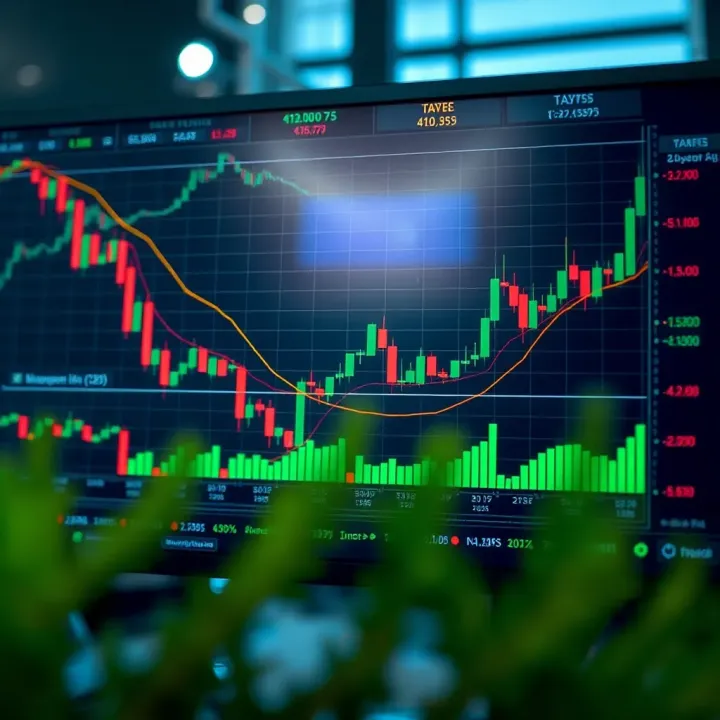
📈 Explore forex trading basics, learn how Nigeria's forex market operates, understand key terms, trading tactics, plus solid risk management for confident ₦ trades.
Based on 14 reviews