
Best Forex Trading Signals for Nigerian Traders
Discover how Nigerian forex traders can pick top forex trading signals 📈. Learn to evaluate providers, use signals wisely, and boost your trading results effectively.
Edited By
Isabella Graham
Forex trading signals have become a key tool for many Nigerian traders looking to navigate the often unpredictable forex market. These signals act as alerts that suggest when to buy or sell currency pairs, giving traders a clearer edge in decision-making.
At its core, a forex trading signal is a recommendation generated either by experienced analysts, automated software, or social trading platforms. For instance, if there’s a signal indicating a strong chance for the naira to weaken against the dollar due to central bank policy changes, a trader can use that tip to enter or exit positions at the right moment.
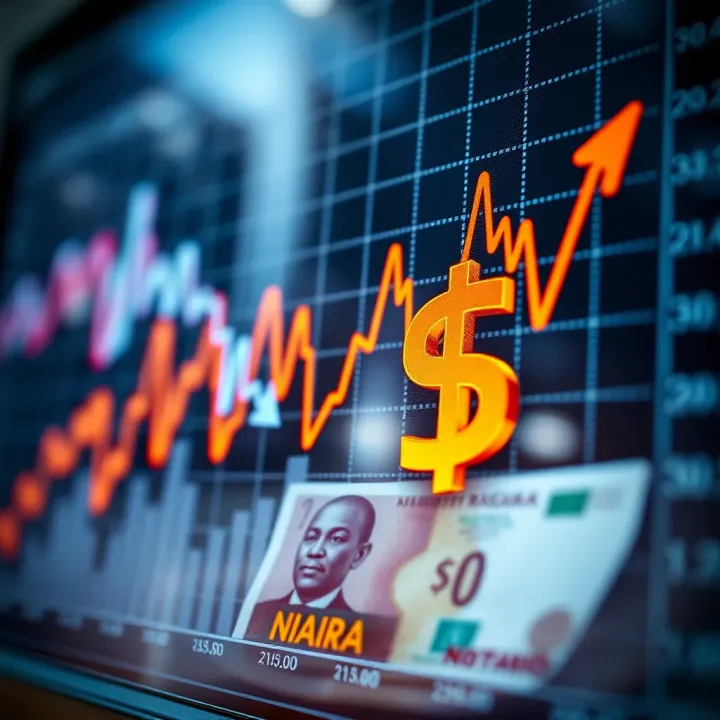
Nigerian traders often face unique challenges: frequent naira volatility, unreliable power supply which affects market monitoring, and the noise of unverified signal sources. That means knowing where to get credible signals matters more than ever.
There are three main types of trading signals popular among Nigerian forex enthusiasts:
Manual signals created by professional traders or analysts who closely track fundamental and technical indicators.
Automated signals generated through algorithms and bots analysing market data without human bias.
Copy trading signals found on platforms like eToro or ZuluTrade, where you follow decisions made by successful traders directly.
Using signals effectively demands more than just acting on every alert. Traders should consider their overall strategy, risk appetite, and prevailing market conditions before entering trades. For example, if a signal suggests buying EUR/USD but Nigeria’s economic news hints at dollar strength, caution is necessary.
Successful signal use depends on balancing timely information with sound judgement, especially in Nigeria's fast-changing forex scene.
In the coming sections, we will explore how to identify trustworthy signal providers and integrate their advice into a consistent trading approach, helping you protect and possibly grow your ₦ investment in the complex forex market.
Forex trading signals are alerts or suggestions to buy or sell a currency pair at a specific price and time. For Nigerian traders, these signals provide a quick way to spot potential market moves without spending hours analysing charts. Instead of guessing, signals give actionable entry or exit points based on market trends and technical indicators.
In the simplest terms, forex trading signals act like traffic lights for traders. They tell you when to go, pause, or stop in the market. These signals can come from human analysts who study patterns or from computer algorithms that scan huge volumes of data in seconds. For example, a signal might suggest buying USD/NGN when the dollar price breaks a resistance level, signalling possible price rise.
Signals typically include:
The currency pair (e.g., EUR/USD, GBP/USD)
The suggested action (buy or sell)
Entry price where you should open a trade
Stop-loss level to limit potential losses
Take-profit point to close the trade at a gain
Having these details ready helps a trader move fast and avoid second-guessing, which often leads to missed opportunities or losses.
Signals simplify trading decisions, especially for those who lack time or technical skills. For a trader in Lagos juggling a full-time job and side hustle, signals offer a shortcut to spot forex opportunities without deep chart analysis.
Using signals can also reduce emotional trading, a common pitfall in forex where fear or greed clouds judgement. When a signal advises selling GBP/USD at a set price, the trader follows the plan rather than acting on impulse from sudden market news or rumours.
Additionally, signals can serve as learning tools. By reviewing successful and failed signals, new traders sharpen their understanding of market behaviour. This combined with personal analysis builds stronger confidence, enabling smarter independent trades over time.
While forex signals can be valuable, relying on them blindly without understanding can backfire. A good trader treats signals as guides rather than gospel, blending them with personal research and sound risk management.
In Nigeria, where forex market volatility is heightened by local economic factors like naira fluctuations and global oil price shifts, signals offer a way to navigate choppy waters with more clarity. But knowing how to read and apply these signals remains key to turning alerts into profitable trades.
Ultimately, forex trading signals provide a practical toolkit to help Nigerian traders identify promising trades, control risks, and build skill more effectively in the fast-moving currency market.
Understanding the different types of forex trading signals is essential for Nigerian traders aiming to improve their success rate in the forex market. Each type offers its unique approach, strengths, and limitations. Knowing these can help you decide which suits your trading style and risk appetite.
Manual signals are generated by experienced traders or market analysts who study price charts, market news, and economic indicators. They interpret these factors to recommend entry and exit points. For example, a seasoned analyst might advise buying USD/NGN if economic reports suggest a stronger dollar ahead. This personalised insight can be useful when the analyst understands local market nuances affecting currencies, such as CBN policy changes affecting naira liquidity.
Manual signals often reflect qualitative factors that automated tools can't easily capture, such as geopolitical developments or central bank announcements. However, relying on manual signals requires trusting the source's credibility and track record because subjective errors can occur. Many Nigerians join local trading groups on Telegram or WhatsApp to receive such signals from reputed analysts.
Automated forex signals come from software powered by algorithms that analyse vast amounts of market data instantly. These bots use technical indicators like moving averages, RSI, or MACD to generate buy or sell alerts. For instance, an algorithm might flag a EUR/USD buy signal when the 50-day moving average crosses above the 200-day moving average.
Automated signals appeal to traders who prefer objective, data-driven decisions. They operate 24/7 without emotion or fatigue, which helps capture opportunities across global forex sessions. But these bots are only as good as their programming and may fail during unexpected market events or sudden volatility, common in emerging markets like Nigeria.
Forex signals come in both free and paid formats, each with trade-offs. Free signal services attract many Nigerians starting in forex trading. For example, some brokers or social media channels offer free signals to attract clients. While useful for learning, free signals often come with no guarantees, less detailed analysis, or delayed alerts.
Paid signal providers usually charge subscription fees, promising higher accuracy or more frequent updates. Some Nigerian traders find value with paid services that provide in-depth reports, risk management advice, or customised alerts aligned with the local forex market. However, not all paid services deliver on promises; some may even be scams.
Always test signal providers with demo accounts or small trades to verify their claims before committing large sums.
When choosing between free and paid signals, consider your experience level, budget, and the provider’s transparency. Successful Nigerian traders often combine both, using free signals for ideas and paid services for execution support.
In sum, recognising the differences among manual, automated, free, and paid forex signals helps you make informed decisions and integrate these tools effectively into your trading journey.
Accessing dependable forex trading signals is vital for Nigerian traders aiming to make informed and timely decisions. With the volatile nature of currency markets, signals serve as guides that reduce guesswork, but choosing the right source matters enormously. Getting signals from unreliable platforms can lead to losses rather than profits, so it's prudent to be aware of trusted avenues.
Many Nigerian traders turn to widely recognised apps and platforms for forex signals. Tools like MetaTrader 4 (MT4) and MetaTrader 5 (MT5) not only provide price charts but offer integrated signal services from global providers. These platforms are popular because they link directly with broker accounts, making the application of signals swift and accurate.
Additionally, apps like TradingView allow users to follow professional traders who share their analysis and signals openly. While some signals here are free, many experienced traders charge subscription fees, reflecting the quality and consistency of their calls. Nigerian traders often benefit from using local fintech apps such as OPay and PalmPay, which, besides payment services, are beginning to explore investment signals, though these are still developing.
Choosing platforms with user reviews and a history of transparency helps reduce the risk of following poor advice. Always look for services that provide verifiable track records or examples of past performance.
Many Nigerian forex brokers now offer proprietary signals or partner with local analysts to supply signal services tailored to the Nigerian market. Brokers like FXTM Nigeria and EFX Group include signals that factor in global events and local economic indicators, making them relevant to Nigerian traders.
Local trading communities also serve as valuable sources. These are groups where traders exchange signals, tips, and experiences through organised platforms or WhatsApp groups. While these communities may provide real-time insights and peer support, caution is necessary; signals here vary in quality and may lack formal verification.
Working with brokers or communities that provide clear terms, transparency on signal performance, and some form of support can enhance trust and trading outcomes.
Social media platforms like Twitter, Telegram, and Facebook play a fast-growing role in signal sharing among Nigerian traders. There are Nigerian forex influencers and groups that regularly post signals and market updates. For instance, Telegram channels focused on forex often deliver near-instant signals, trading ideas, and news relevant to traders in Nigeria.
Forums such as Nairaland have dedicated threads for forex trading where members discuss signal providers, review their effectiveness, and share experiences. These forums offer a platform to vet signal services through community feedback before subscribing.
While social media and forums can be rich sources of forex signals, it’s essential to approach them with a critical eye due to the prevalence of scams and unverified tips.
Overall, Nigerian traders should balance signals from online platforms, local brokers, and social media with their own analysis. A blended approach reduces risks and helps build a personalised trading strategy.
By carefully selecting where your forex signals come from—be it trusted apps, reputable brokers, or active communities—you place yourself in a better position to profit from the forex market’s fluctuations while managing risk effectively.
Integrating forex trading signals into your trading strategy can significantly improve your chances of success, especially in Nigeria's volatile market. Signals provide timely cues on when to enter or exit trades, but their real value comes when combined thoughtfully with your own analysis and risk management. This section focuses on practical ways you can use signals to enhance your trading decisions.
Forex signals help pinpoint ideal moments to open or close positions, saving you from blindly guessing market moves. For instance, if a signal indicates a strong buy opportunity in EUR/USD at a specific price level, acting promptly can help you enter before the market moves too much. Similarly, exit signals prevent losses or lock in profits by warning when the market may reverse. Many Nigerian traders use signals alongside price charts on platforms like MetaTrader 4 or 5 to synchronise timing accurately. The key is to treat signals as prompts rather than gospel; confirm signals with other tools before acting.
Relying solely on signals can be risky. Instead, combine signal alerts with technical analysis tools like moving averages, RSI, or support and resistance levels to verify the strength of a setup. Equally important is factoring in fundamental events such as CBN policy announcements, oil price changes, or major economic data releases that impact currency values. For example, a buy signal on GBP/USD may seem promising, but if Nigeria's inflation data just came out worse than expected, the Naira pairs might react unpredictably. Using both approaches lets you build a more complete picture and avoid whipsaws caused by short-term noise.
Risk management remains vital even with high-quality forex signals. Always set stop-loss orders to limit potential losses if the trade goes against you. For Nigerian traders, adhering to a sensible risk-to-reward ratio—such as risking 1% of capital to gain 2%-3%—can help protect your ₦ investment over time. Avoid placing all your trust in a single signal provider; diversification across several reliable sources can reduce overexposure. Also, backtest signals (using demo accounts) to gauge their performance before committing real funds. Combining signals with strict risk limits prevents small setbacks from becoming devastating losses.
Signals are like navigational aids, not autopilots. Your success depends on how well you combine them with your own analysis, discipline, and risk controls.
By thoughtfully incorporating forex trading signals into your broader strategy, you empower yourself to make informed decisions, improve timing, and better protect your capital—essentials for thriving in Nigeria’s dynamic forex market.
Forex trading signals can be valuable tools, yet traders must tread carefully to avoid common mistakes that many fall into, especially in Nigeria's volatile market environment. Signals are not magic spells for instant profits; they require careful use and critical evaluation. Navigating these pitfalls helps protect your capital and sharpen your trading skills.
Scams in forex signals are sadly not rare in Nigeria. Some providers promise overnight riches with little effort, pushing you to subscribe or buy expensive packages upfront. These signals often lack transparency about their success rates or fail to back-test results. A typical red flag is when providers ask for huge sums without offering trial periods or verifiable track records.
To protect yourself, verify the authenticity of signal vendors by checking reviews from Nigerian forex communities on platforms like WhatsApp groups, Telegram channels, or Facebook forums. Legitimate providers usually share past performance data openly and encourage traders to test signals on demo accounts first. Avoid anyone who pressures you to commit quickly or guarantees 100% success — forex trading is inherently uncertain, and no signal can promise absolute certainty.
While signals can guide your trades, depending solely on them is risky. Some Nigerian traders jump from one signal to another without developing their own understanding of market dynamics. This approach turns you into a passenger, not a driver, leaving you vulnerable when signals suddenly stop or become unreliable.
Successful trading involves pairing signals with your own technical and fundamental analysis. For instance, before entering a trade based on a signal, check market news—such as unexpected Central Bank of Nigeria (CBN) announcements or geopolitical events—that could disrupt forex patterns. Signals should inform your decisions, not replace your judgement.
Testing signals before real-money trading is key, especially in Nigeria where market volatility can quickly wipe out unverified strategies. Use demo accounts offered by brokers like GTBank Forex or Access Bank to simulate trades using the signals. This way, you can measure a provider’s accuracy and risk levels without losing hard-earned naira.
Regularly review signal performance over several weeks or months. A signal service that once performed well can deteriorate due to changing market conditions or shifts in the provider’s methodology. Keep records of your trades and calculate win-rate percentages and average returns. This practice helps you decide whether to continue trusting a signal provider or to switch.
Keep in mind: Forex trading signals are tools, not guarantees. Your best defence in Nigerian forex markets is combining signals with your own analysis and strict risk management.
By recognising scams early, avoiding blind reliance, and testing signals thoroughly, you improve your chances of growing your capital steadily and safely in Nigeria's forex market. This careful approach keeps you ahead of the pitfalls many others fall into and builds your confidence as a savvy trader.
Discover how Nigerian forex traders can pick top forex trading signals 📈. Learn to evaluate providers, use signals wisely, and boost your trading results effectively.

📈 Discover the best Forex trading times in Nigeria! Learn how global sessions and market moves impact your success for smarter trades. 💹🌍
📊 Find the best forex trading platform in Nigeria! Learn about security, fees, tools, and user experience to trade smart and avoid common risks.
Discover effective forex trading strategies 🇳🇬 tailored for Nigerian traders, focusing on risk management, analysis methods, and disciplined trading tips 📈💡.
Based on 6 reviews