

Understanding Risk Management in Nigerian Businesses
📊 Learn how Nigerian businesses can spot, assess, and manage risks effectively to protect operations and resources, especially during ember months and market swings.
Edited By
Amelia Gray
Risk is part of everyday business life, especially in Nigeria where market dynamics, regulatory shifts, and economic uncertainties constantly shift. Traders, investors, brokers and entrepreneurs who succeed do so because they understand the risk management process and apply it systematically.
Managing risk means identifying potential problems before they arise, measuring their impact, and planning steps to prevent or handle them. This proactive approach protects your capital, supports smarter decisions, and ensures compliance with Nigerian regulations.
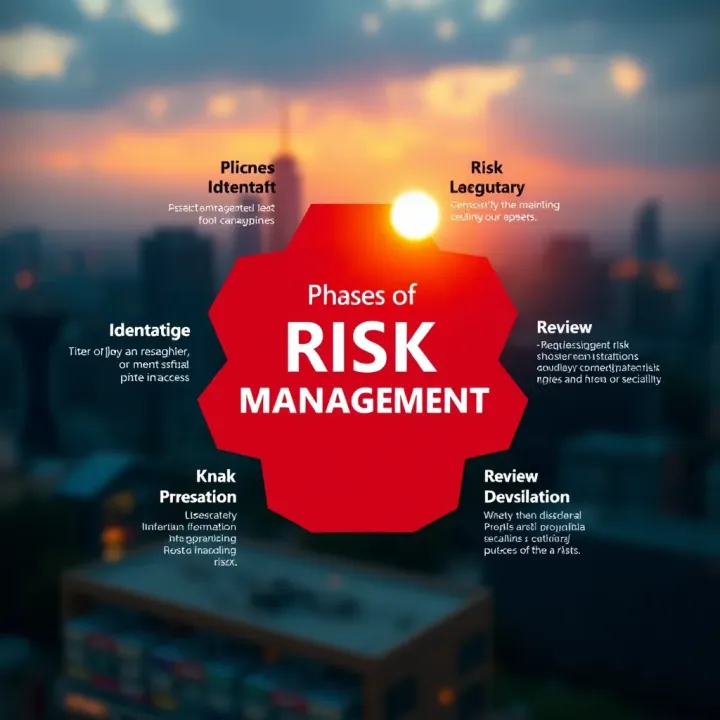
"Good risk management doesn’t eliminate risk; it controls it wisely to secure business continuity and growth."
The process can be broken down into clear, practical steps every business or investor should use:
Risk Identification: Spotting risks relevant to your industry or operation. In Nigeria, this might include currency fluctuations, power outages affecting operations, or sudden policy changes by the Central Bank of Nigeria (CBN).
Risk Assessment: Evaluating how likely these risks are and measuring their potential impact, whether financial loss, reputational damage, or operational delays.
Prioritisation: Not all risks carry equal weight. Focus efforts on those with significant consequences or high probability.
Mitigation Strategies: Develop action plans like diversifying investment portfolios, securing backup power generators, or using hedging instruments to reduce exposure.
Monitoring: Keep an eye on risk factors constantly. For instance, tracking FX rates or industry trends regularly.
Review: Update the risk management plan based on new information or changing conditions, such as during ember months when economic activities and risks intensify.
By following these steps, Nigerian businesses and investors build resilience against shocks and unexpected events. This guide aims to provide practical insights tailored to the Nigerian context, so you can apply risk management confidently and effectively.
Risk management forms the backbone of sustainable business practices, especially in Nigeria's dynamic economic environment. It involves identifying, assessing, and handling potential threats that could disrupt business operations or financial stability. This section sets the stage by unpacking what risk management truly means and why it holds particular significance for Nigerian enterprises.
At its core, risk management is about anticipating problems before they snowball into major setbacks. It’s a continuous process where businesses spot hazards, evaluate how likely these hazards may occur, and decide on suitable actions to mitigate their effects. For instance, a Lagos-based retail company might assess the risk of supply chain delays caused by poor road conditions or fuel scarcity and then find ways to either avoid those issues or lessen their impacts. This proactive stance helps organisations steer clear of unnecessary losses and maintain steady growth.
Moreover, risk management isn’t just about avoiding trouble. It also involves making informed decisions that balance risk with reward. By using proper risk assessment tools, an investor can decide whether to put money into a new venture or diversify into safer assets, considering the Nigerian market’s volatility.
Nigeria’s business environment throws up unique risks that make risk management more relevant here than ever. Political uncertainties, fluctuating exchange rates, infrastructural challenges, and regulatory changes present constant challenges. For example, during the ember months, many businesses face increased security risks coupled with a rise in operational costs due to heightened demand and unreliable power supply. A solid risk management plan can help companies prepare and respond adequately.
Additionally, compliance with government regulations such as tax laws enforced by the Federal Inland Revenue Service (FIRS) or guidelines from the Nigerian Communications Commission (NCC) requires careful monitoring. Non-compliance could lead to hefty fines or legal troubles that could cripple business operations.
Effective risk management not only shields your business from potential losses but also builds credibility among investors, customers, and regulators, making it an indispensable part of business strategy in Nigeria.
In summary, understanding the basics of risk management equips Nigerian traders, investors, brokers, and entrepreneurs with the tools to protect assets, make smarter decisions, and sustain their businesses against the backdrop of local uncertainties. This foundational knowledge sets the pace for the deeper steps covered in the subsequent sections.
Detecting risks is the critical first step in the risk management process, serving as the foundation for all subsequent actions. Without correctly identifying potential threats, businesses expose themselves to unexpected setbacks that can drain resources or stall growth. In the Nigerian business environment, where factors like currency fluctuations and infrastructural challenges are ever-present, spotting risks early can save companies from costly shocks.
Nigerian businesses face a range of risks that vary by sector but often include economic, operational, and regulatory risks. For example, the ongoing naira volatility affects importers who rely on foreign exchange, causing cost price uncertainty. Power supply instability is another major operational risk, especially for manufacturing firms that depend heavily on continuous electricity.

Security risks remain a pressing concern, particularly for businesses in the Niger Delta or northern regions where unrest or vandalism of pipelines can disrupt supply chains. On the regulatory front, sudden policy changes, such as shifts in trade tariffs or tax rules by the Federal Inland Revenue Service (FIRS), can impact profitability. Even fintech startups must navigate data protection and cybersecurity risks as they handle sensitive customer information.
Several techniques help businesses identify risks before they escalate. One effective method is brainstorming sessions involving diverse teams, which bring different perspectives on what might go wrong. For instance, a Lagos-based agro-processing company might include workers from logistics, sales, and finance in such sessions to catch sector-specific risks.
Another technique is conducting SWOT analysis (Strengths, Weaknesses, Opportunities, Threats) with an eye on external changes like political developments or currency trends. Regular market scans looking at competitor behaviour, economic indicators, or geopolitical events also alert firms to emerging risks.
Additionally, using structured tools such as risk checklists tailored to Nigerian contexts ensures key threats like fuel scarcity or inflation spikes are not overlooked. Technology helps too; businesses increasingly use data analytics platforms to monitor transactional irregularities or supplier performance, flagging potential risks early.
Early detection of risks allows businesses to plan practical mitigation steps, avoiding surprises that could cripple operations or reduce profits.
Detecting risks is not a one-time event but a continuous effort demanding vigilance and adaptation. Nigerian businesses that systematise this process are better positioned to protect their investments and respond quickly to the country’s dynamic economic climate.
Analysing and evaluating risks is a linchpin in effective risk management. This phase helps businesses understand not just what risks exist, but also how serious each threat could be to their operations. Without this evaluation, efforts to manage risks become guesswork rather than informed action. For traders and investors in Nigeria’s dynamic market, knowing which risks carry the biggest impact can make the difference between profit and loss.
Measuring risk involves two key factors: impact and likelihood. Impact refers to the potential damage a risk may cause, such as loss of funds, reputation damage, or operational disruption. Likelihood is the chance of the risk occurring. To do this properly, many Nigerian businesses use a simple matrix scoring system. For example, a fintech startup might rate the impact of a data breach as very high, given its threat to customer trust, with a medium likelihood due to robust security measures.
Actual figures help sharpen this approach. Imagine a manufacturing firm that estimates a power outage could cost ₦5 million daily. If such outages happen twice monthly on average, the risk score becomes substantial. Quantifying in this way helps keep attention where the stakes are highest.
Not all risks deserve equal attention. Prioritising based on analysis ensures resources go to protecting the business’s most vulnerable areas. This means grouping risks into categories like high, medium, or low priority.
A Lagos-based retailer, for instance, might face high priority risks from supply chain delays worsened by traffic jams and fuel scarcity. Conversely, risks from minor equipment failures might be low priority, managed by routine maintenance.
Setting priorities also steers decisions on mitigation. High-priority risks may require immediate action such as seeking insurance coverage or developing contingency plans, while lower priorities might simply warrant monitoring.
Assessing risks carefully ensures decisions are backed by facts, not guesswork, letting businesses stay ahead in an environment where surprises can come fast and hard.
Together, measuring and prioritising risks create a focused approach that helps safeguard investments, ensures regulatory compliance, and supports strategic growth. For Nigerian entrepreneurs and investors, this is not just theory but a practical step needed to survive and succeed.
Managing risks effectively is vital for Nigerian businesses to safeguard assets, maintain steady operations, and stay competitive amid economic uncertainties. Strategies for managing risks provide a toolkit to handle threats before they escalate and disrupt business continuity. This section explores practical approaches such as avoiding, reducing, or sharing risks, the necessity of robust contingency plans, and the crucial roles that insurance and compliance play.
Avoiding risks means steering clear of activities that pose unwanted exposure. For example, a retailer in Lagos might avoid sourcing products from unstable suppliers prone to delivery delays or quality issues. However, total avoidance isn't always feasible, so businesses often focus on reducing risks. This involves measures like improving internal controls, diversifying suppliers to limit dependence, or enhancing cybersecurity to curtail data breaches.
Sharing risks is done through partnerships or financial arrangements. For instance, a construction company might enter a joint venture to spread the liability and financial burden of a large project. Another common method is outsourcing non-core operations like IT support or janitorial services to firms specialised in those areas, thus transferring associated risks.
Contingency plans act as safety nets when risks become realities. Effective planning anticipates worst-case scenarios such as power outages, supply chain disruptions, or sudden regulatory changes typical in Nigeria’s business environment. A fintech startup, for example, could establish backup servers and alternative payment channels to keep services running during internet or electricity failures.
Such plans should lay out clear steps and responsibilities to minimise downtime and loss. Testing these plans regularly helps identify weaknesses and prepares the team to respond promptly when trouble strikes. This proactive stance ensures resilience, which is a big deal for businesses relying on steady cash flows.
Strong contingency plans distinguish businesses that survive ember months stress, power cuts, and market volatility from those that falter.
Insurance remains a tangible way to cushion financial blows. Nigerian firms commonly insure assets against fire, theft, or flood. Beyond property, many are now adopting professional indemnity and cyber insurance as tech risks rise. Choosing the right insurance depends on understanding specific exposures and balancing premiums with probable losses.
Compliance is equally strategic. Abiding by laws—ranging from tax regulations enforced by the Federal Inland Revenue Service (FIRS) to standards from regulatory bodies like NAFDAC—prevents legal penalties and preserves company reputation. Regular audits, proper documentation, and constant review of evolving legal landscapes are practical steps businesses take to remain compliant.
Together, insurance and compliance form pillars that protect businesses not just financially, but also in maintaining licences to operate smoothly.
Using these risk management strategies, Nigerian entrepreneurs, traders, and investors can build more resilient organisations equipped to handle uncertainties and secure sustainable growth.
Monitoring risk measures is not just a routine task; it is the backbone of effective risk management for any Nigerian business. Without constant oversight, even well-crafted risk strategies may falter as circumstances change. Regular review and updating ensure that risk controls remain practical and relevant to the business environment, especially in Nigeria’s fast-changing economy.
Tracking risk indicators means keeping a close eye on the signals that warn about potential or emerging risks. For instance, a Nigerian fintech company might monitor daily transaction failure rates or unusual login attempts as indicators of cybersecurity threats. Consistent measurement of these indicators helps businesses respond before problems escalate, reducing operational setbacks. Organisations should set up clear performance metrics to evaluate if their risk controls are working as intended. This could be in the form of loss frequency, downtime hours, or compliance errors discovered during internal audits. By analysing this data, businesses identify weak spots and adjust their strategies accordingly.
The Nigerian business landscape can shift abruptly due to policy changes, currency fluctuations, or infrastructural issues like power outages. Adapting risk measures means businesses have to stay alert to these shifts and respond quickly. For example, a manufacturing firm surprised by a sudden increase in diesel price could revise its contingency budget or explore alternative energy sources. Good risk management is not rigid; it evolves alongside the environment. Regular scenario analysis and stress testing allow businesses to anticipate new challenges. Incorporating feedback from actual risk events helps refine their approach, keeping the risk framework practical and responsive.
Risk management is not a one-person job. Engaging different stakeholders—from team members on the ground to executive leaders—builds a more resilient risk culture. Employees often spot emerging risks early on; for example, drivers for a logistics company may report increasing road hazards due to seasonal flooding. Involving these frontline workers in risk discussions ensures practical insights feed into the review process. Top management support is vital for allocating resources and enforcing necessary changes. Besides internal stakeholders, some Nigerian businesses even involve suppliers or customers in risk assessment to get a wider perspective. Regular communication keeps everyone aligned and committed to managing risks efficiently.
Effective monitoring and review sharpen a company’s ability to navigate uncertainties, protect assets, and seize opportunities confidently. It is a cycle of vigilance that transforms risk from a threat into a manageable part of business growth.
In sum, continuous monitoring, thoughtful adaptation, and active stakeholder involvement make risk management a living process—not a once-off checklist. Nigerian businesses that take these steps seriously stand a better chance of achieving stability amid complexity.
📊 Learn how Nigerian businesses can spot, assess, and manage risks effectively to protect operations and resources, especially during ember months and market swings.
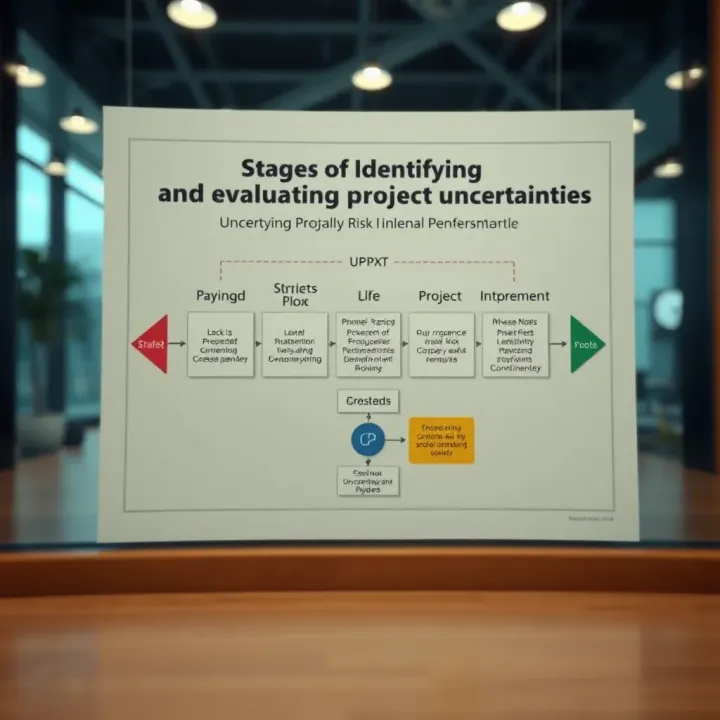
📊 Discover practical ways to spot and handle project risks in Nigeria. Learn key steps, common issues, and reliable tools to protect your project budget and time.

📊 Learn how effective risk management in Nigerian businesses reduces losses and boosts smart decisions through clear steps like risk ID, analysis, control, and monitoring.
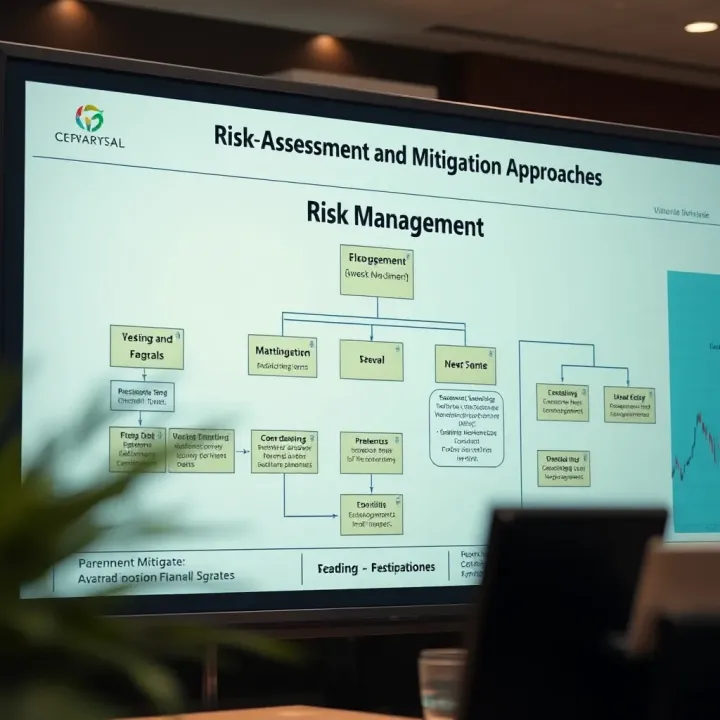
📊 Discover key risk management types crucial for safeguarding your assets and improving decisions amid Nigeria’s fast-changing business and personal landscape. 🔐
Based on 8 reviews