
Understanding Binary Options for Nigerian Traders
Explore how binary options work, practical trading tips, risks, and legal advice designed for Nigerian traders 🇳🇬 to navigate this market safely 📈💡
Edited By
Amelia Gray
Risk management is not just for the big multinational companies; it's a vital process for Nigerian traders, investors, brokers, and entrepreneurs who want to keep their ventures safe and profitable. Whether you run a small shop in Lagos or manage investments on the NGX, understanding how to spot and handle risks helps you avoid costly surprises.
At its core, risk management involves identifying potential threats, assessing their impact, and deciding how to respond. For example, a trader in Lagos might face risks from currency fluctuations or power outages, especially during the ember months when expenses and market volatility usually spike. Meanwhile, an entrepreneur could be wary of supply chain disruptions caused by road blockades or fuel scarcity.

Successful businesses keep a constant eye on risks — they not only prepare for what can go wrong but also adjust their strategies based on how well previous actions worked.
Identification: What are the possible risks? These might be financial, operational, regulatory, or environmental. For instance, a startup dealing with fintech services should consider risks related to cyber-attacks or data breaches.
Assessment: How likely is the risk, and what damage could it cause? Assessing this helps prioritise which risks need immediate attention. A broker might look at market downturns and estimate potential losses.
Treatment: Decide how to manage risks — whether to avoid, reduce, transfer (e.g., insurance), or accept them. Nigerian SMEs often use insurance to mitigate fire or theft risks in their business premises.
Monitoring: Risks evolve, so continuous checking is vital. This ensures that risk controls remain effective and allows quick reaction when new risks emerge.
Applying these steps with context makes risk management practical. For example, during JAMB result season, tuition payment delays can affect cash flow for private schools. Planning for such disruptions protects financial health. Similarly, maintaining diversified investment portfolios helps investors withstand naira volatility or unexpected policy changes by the CBN.
In the following sections, we'll break down each stage of risk management with real-life Nigerian examples and practical tips tailored to help you protect your resources and maximise opportunities in your business or investments.
Identifying risks is the very first step in managing them well. It's about spotting the issues before they cause serious harm to your business or investments. For Nigerian traders, investors, brokers, analysts, and entrepreneurs, recognising risks early is critical. It allows you to design better strategies and avoid costly shocks that may come from unexpected events. In practice, this means keeping a close eye on both internal and external factors that could disrupt operations.
Nigeria's economy often navigates turbulent waters with frequent shifts in currency value and inflation rates. These economic swings can affect everything from import costs to consumer demand. For instance, a sudden drop in the naira might make imported raw materials expensive, squeezing profit margins for manufacturers. Traders also face foreign exchange risk, especially when payments outside Nigeria are involved.
Power supply instability remains a common challenge. Frequent outages force businesses to rely on generators, increasing operational costs substantially. Imagine a manufacturing firm in Lagos whose machines halt due to NEPA (now called DISCOs) outages; production delays can push delivery schedules off track, harming client relations. Poor road networks and unreliable internet can also add to logistical headaches, impacting timely delivery and communication.
Political developments, especially around election seasons or policy changes, create uncertainty. Shifts in government regulations or taxation policies can alter the business landscape overnight. For example, new import tariffs or tightening of foreign exchange controls might disrupt supply chains or increase costs, but companies that anticipate these changes can plan accordingly, avoiding sudden setbacks.
Operational risks include failures within a company’s processes or systems. These might arise from inadequate employee training or weak internal controls. Market risks could be sudden shifts in consumer preferences or competitor moves. For example, if an entrepreneur relies heavily on sales during the ember months (September to December), a sudden drop in buying power due to general market downturn may affect profits seriously.
Gathering key staff and stakeholders to brainstorm can reveal risks that might otherwise be missed. Different perspectives sharpen risk identification. For example, a team led by a supply chain manager might spot logistical risks while the finance department uncovers currency vulnerabilities. Regular discussions keep everyone alert, enabling quicker responses.
SWOT (Strengths, Weaknesses, Opportunities, Threats) can be tweaked to focus on risks by emphasising threats and weaknesses in particular. This approach helps businesses spot vulnerabilities and external pressures simultaneously. It’s practical for a Nigerian start-up assessing market entry risks and domestic challenges like power supply.
Historical data on previous mishaps is a goldmine for spotting recurring risks. For instance, a transport company noting seasonal road blockages during heavy rains can prepare routes or schedules accordingly. Keeping records of losses or delays helps identify patterns that need addressing before they grow into bigger problems.
External experts provide valuable insights drawn from broader experience. They can spot risks that an internal team overlooks, especially in regulated sectors like finance or oil and gas. Entrepreneurs benefit by consulting legal advisers on compliance risks or financial analysts to understand market volatility trends, offering a clearer picture of possible threats.
Understanding where risks come from and how to spot them early can save your business from unexpected downfalls and unnecessary costs. Nigerian environments demand sharp attention because risks often combine local and global factors.
Identifying risks effectively isn’t about fear but about preparation and informed decision-making. Nigerian businesses that master this step increase their chances of thriving even when the market throws curveballs.
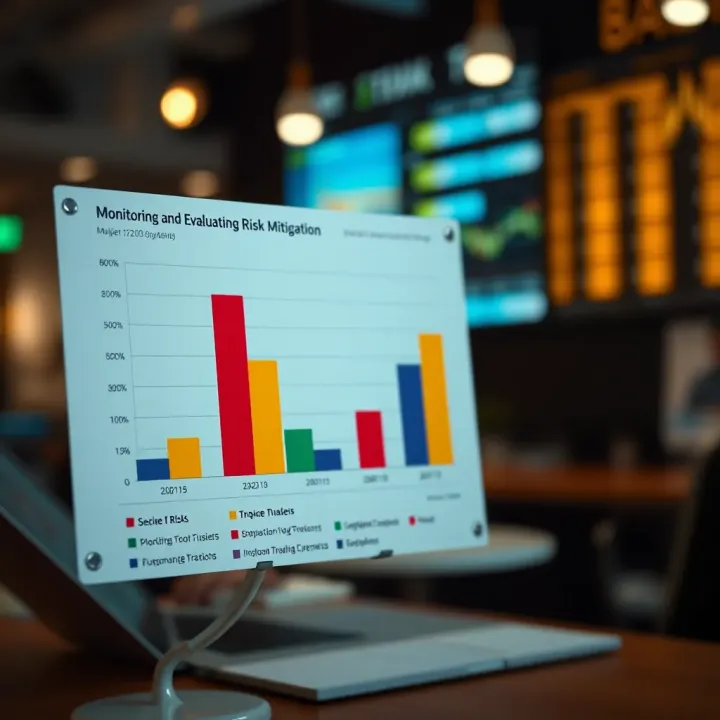
Assessing risks is a critical step in managing uncertainty in Nigerian businesses. It focuses on understanding how likely a risk is to occur and the potential damage it could cause. This clarity helps traders, investors, and entrepreneurs prioritise which risks deserve immediate attention and resources. For instance, a manufacturer in Aba assessing the chances of power outages and the cost impact of running diesel generators can decide whether to invest in alternative energy.
Risk assessment can be either quantitative, with numeric data, or qualitative, based on subjective judgement. Quantitative methods might use historical sales drops during recession periods or currency depreciation rates, giving concrete figures to slot risks into. On the other hand, qualitative assessments rely on expert opinion or stakeholder interviews to gauge potential effects where data is missing or unreliable.
For example, a fintech startup in Lagos may measure currency risk quantitatively by analysing past ₦-dollar exchange trends. Yet, they might use qualitative insight from industry experts to assess regulatory risk stemming from possible new Central Bank of Nigeria (CBN) policies.
Once the likelihood and consequences are clear, ranking risks by their severity helps focus on the highest threats. A risk with a low chance of happening but with extreme impact, like civil unrest during election season, might be ranked higher than a common but minor operational glitch.
This step ensures decisions aren’t swayed by merely frequent but low-impact issues. Nigerian exporters faced with fluctuating global demand need to balance risks linked to supply chain disruptions versus occasional port strikes, for instance.
Probability assessment in Nigeria must consider local factors like market volatility and regulatory unpredictability. The probability of supply chain delays might spike during ember months or fuel scarcity periods, necessitating flexible contingency plans.
Investors in Nigerian equities should factor in these market-specific probabilities rather than applying generic risk models. This approach aids realistic expectations and better preparation for disruptions common in the local context.
These visual tools map the likelihood against impact, providing an immediate snapshot of where risks lie. For example, a heat map may colour-code risks from green (low) to red (high), enabling managers to spot critical issues quickly.
A Lagos-based trading firm might use a risk matrix to evaluate operational risks like cyber-attacks, power failures, or payment defaults, prioritising measures for red-zone threats.
This involves imagining different future states—best case, worst case, and most likely—and exploring how risks play out in each scenario. Scenario analysis helps businesses prepare for shocks like sudden naira devaluation or regulatory changes.
For instance, a real estate developer in Abuja may forecast scenarios for construction delays caused by import restrictions on building materials, adjusting their contracts and timelines accordingly.
Technology bolsters accuracy and speed in assessing risks. Software tools can aggregate data from multiple sources, run probabilistic models, and generate reports.
Nigerian banks increasingly use predictive analytics to assess credit risks, combining customer data with economic indicators. Such innovations help reduce non-performing loans and improve decision-making in a complex, volatile market.
Effective risk assessment equips Nigerian businesses with a clear picture of potential threats, driving smarter, faster responses. In markets known for unpredictability, this foresight becomes a competitive weapon rather than just a cautionary exercise.
Developing strategies to handle risks is a crucial step in effective risk management. It moves a business from merely recognising threats to actively dealing with them. For Nigerian traders, investors, and entrepreneurs, shaping practical risk treatment plans helps shore up operations against economic fluctuations and regulatory uncertainties common here.
Choosing the right approach to risk means weighing both the potential impact and the cost of action. Poor planning can lead to wasted resources or exposure to avoidable losses. For example, a small retailer in Lagos might decide to reduce the risk of theft by installing CCTV instead of trying to avoid stocking high-value goods entirely, which would limit growth. Each strategy offers a different balance between control, cost, and complexity.
Avoidance means steering clear of risks altogether by dropping activities that expose the business to unwanted hazards. A Nigerian farmer, for instance, may avoid planting cash crops vulnerable to volatile prices and focus instead on staple foods with steady local demand. This strategy works best when the risk outweighs the potential gains sharply.
Though effective at removing the immediate danger, avoidance can also restrict opportunities. In volatile markets like ours, some risks are unavoidable, so businesses must decide carefully when avoidance is a feasible option.
Reduction involves lessening the likelihood or impact of a risk through specific actions. For example, a Lagos-based textile company might invest in better machinery maintenance to reduce breakdowns caused by power instability. This approach improves resilience, allowing businesses to carry on despite challenges.
By implementing controls and improving processes, risk reduction helps protect assets and income streams without needing to stop essential operations. Nigerian businesses often apply this to cope with infrastructure challenges like erratic power supply or local transport delays.
Insuring assets or operations shifts some risk burden to an insurer. For Nigerian entrepreneurs, buying insurance for goods in transit or fire cover for warehouses provides financial protection against losses.
Insurance doesn’t eliminate risk but helps manage the financial fallout. Choosing the right cover requires understanding policy terms and exclusions—something many small business owners overlook, leading to unexpected gaps in protection.
Sometimes, businesses accept certain risks because taking action is too costly or impractical. In such cases, setting up contingency plans keeps the company ready to respond swiftly. For example, a brokerage firm might accept currency volatility but maintain reserve funds to cover potential losses during tough periods.
This approach acknowledges some risks as inherent to business, focusing instead on preparedness. It’s particularly relevant in Nigeria, where unexpected regulatory shifts or market shocks can arise suddenly.
Every risk strategy comes with costs. Nigerian businesses must balance spending on risk management against the expected benefits. For instance, investing heavily in high-tech security might not make sense for a small market stall where simple locks and vigilant staffing suffice.
Businesses should prioritise strategies that fit their size, sector, and risk profile to avoid overextending limited resources.
Nigeria’s regulatory landscape can change suddenly, affecting risk strategies. Staying compliant reduces legal risks and penalties. For example, a firm exporting goods must ensure documentation and quality standards meet Nigeria Customs Service requirements to avoid delays and fines.
Regularly reviewing risk plans against new laws or policies keeps businesses on the right side of regulations and protects reputation.
Many Nigerian enterprises operate partly or entirely in the informal sector, presenting unique risk challenges like limited access to insurance or credit. Risk strategies here rely more on community networks, trusted suppliers, or adaptable business models.
Entrepreneurs might accept higher risks but mitigate by diversifying income sources or maintaining flexible inventory. Understanding these distinct conditions is key to realistic risk handling in Nigeria’s informal economy.
Effective risk treatment combines practical options with clear understanding of local business realities. Strategy must reflect not just theory, but the day-to-day environment Nigerian traders and investors navigate.
Implementing and monitoring risk management steps ensure that identified risks do not remain mere concerns on paper but are actively controlled and adjusted as needed. For Nigerian traders and investors, this stage guards against unforeseen losses by embedding risk controls firmly within day-to-day operations. Through consistent monitoring, businesses can spot emerging trends, such as supply chain disruptions from petrol scarcity or fluctuations in the naira, and respond before these risks escalate.
Assigning Roles and Responsibilities: Clearly defining who handles each aspect of risk control is vital. In Nigerian enterprises, especially those with multiple departments or locations, this means specifying risk owners responsible for areas like foreign exchange risk or regulatory compliance. For example, a manufacturing firm dealing with power outages must assign a team member to coordinate backup power solutions and liaise with the electricity supplier. When responsibilities are assigned, accountability improves, and the chance of risk measures being neglected reduces sharply.
Incorporating Risk Procedures into Operations: Integrating risk management directly into everyday activities ensures risk control is not a separate, forgotten task. Businesses can include routine checks—like verifying suppliers’ capacity or reviewing transaction limits during ember months—into standard workflows. For instance, financial institutions often embed fraud prevention steps into their digital payment systems, ensuring each transaction undergoes risk evaluation without delay. Such operational embedding reduces gaps in risk responses and strengthens overall resilience.
Setting Key Risk Indicators: These are measurable signs that highlight rising risk levels. Nigerian companies might track indicators such as exchange rate variations beyond chosen thresholds or increased customer complaints after policy changes. By monitoring early signals, businesses can act swiftly rather than react after damage occurs. Properly selected indicators align with local business realities, enhancing foresight on risks peculiar to the Nigerian market.
Regular Reporting and Feedback Loops: Ongoing communication about risk status aids quick decision-making. Structured reports, weekly or monthly, bring stakeholders up to speed about current risks and control effectiveness. Feedback loops—meetings or digital dashboards—allow teams to discuss challenges and share insights. For example, a logistics company facing frequent road closures for local events can use such feedback to adjust delivery routes proactively.
Adjusting Strategies Based on Outcomes: No single risk control fits all situations permanently. Nigerian enterprises must be agile, modifying risk strategies when monitoring shows reduced effectiveness or new threats. If a trading firm finds insurance coverage doesn't fully mitigate supply chain risks during periods of unrest, it might adopt alternative suppliers or build stronger local partnerships. Such flexibility ensures risk management stays relevant and efficient, preventing complacency.
Embedding risk management into operations and continuously tracking risk indicators transforms reactive responses into proactive business practices tailored to Nigeria’s dynamic environment.
This practical approach to implementation and monitoring elevates risk management from checklist activity to a living, adaptive process critical for sustained success in Nigeria’s business climate.
Explore how binary options work, practical trading tips, risks, and legal advice designed for Nigerian traders 🇳🇬 to navigate this market safely 📈💡

🔍 Learn how binary investment works, risks involved, strategies, and Nigerian regulations to make smart, safe choices in this fast-growing market. 🇳🇬💼

Explore binary division basics and applications in computing 💻. Learn step-by-step manual methods and understand its role in digital tech advancements 🔢.

🤖 Explore how binary bots work in Nigeria's trading scene, their pros, risks, and key tips for safer binary options trading with automated tools.
Based on 6 reviews