

Understanding Binary Options for Nigerian Traders
Explore how binary options work, practical trading tips, risks, and legal advice designed for Nigerian traders 🇳🇬 to navigate this market safely 📈💡
Edited By
Emily Thompson
Project risk management refers to the process of identifying, assessing, and handling uncertainties or events that could disrupt a project’s success. Nigerian businesses and entrepreneurs often face a unique set of risks—ranging from currency fluctuations and power outages to unexpected regulatory changes and supply chain delays. Understanding these risks early on helps you save time, avoid wasted resources, and protect your project budget.
Managing risk in projects isn't just about avoiding problems; it's about recognising potential issues early and preparing ways to minimise their impact. For example, a construction project in Lagos might face disrupted supply of building materials because of port congestion. Recognising this risk means planning alternative suppliers or adjusting timelines before the problem affects progress.
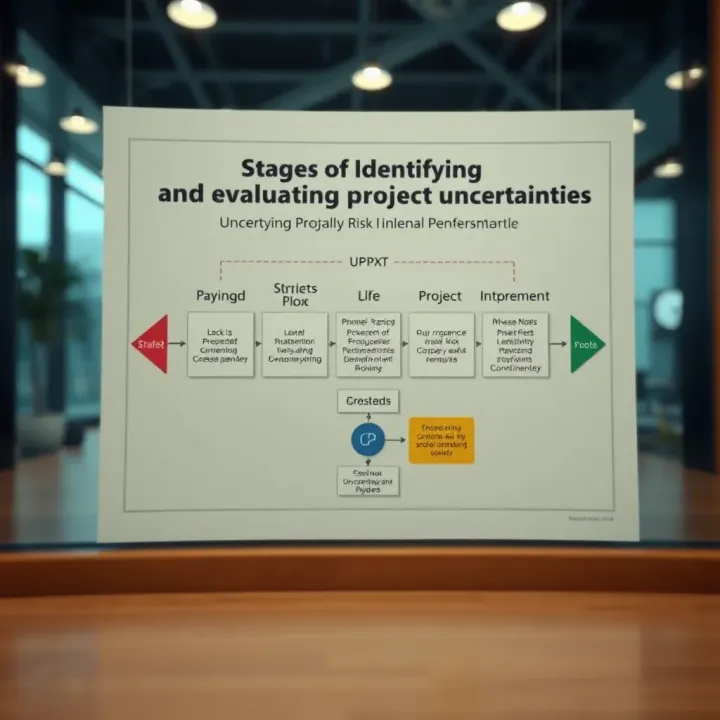
Having a clear risk management plan allows businesses to weather uncertainties without panic, keeping projects on track and stakeholders reassured.
It protects your investment by reducing surprises that could inflate costs beyond budget.
Helps maintain project timelines, preventing delays that can affect client confidence.
Improves decision-making through evidence-based evaluation of potential setbacks.
Increases your chances of project success in an unpredictable environment.
Financial risks: Naija’s naira exchange rate volatility can suddenly increase foreign procurement costs.
Operational risks: Frequent power outages force reliance on generators, increasing overall project expenses.
Regulatory risks: Sudden tax policy changes by the FIRS can inflate project costs unexpectedly.
Environmental risks: Flooding during heavy rains can delay site work, especially in Lagos and Port Harcourt.
Proper risk management ensures these factors don’t catch you off guard.
Identify risks: List possible events that could derail your project.
Assess impact: Understand how severe each risk would be if it happened.
Plan responses: Decide whether to avoid, mitigate, transfer (e.g., insurance), or accept the risk.
Monitor continuously: Risks evolve; stay alert and adapt your plans accordingly.
In Nigeria’s business climate, effective project risk management provides a realistic edge. It’s not about predicting every problem but preparing smartly so your project can stay on course despite inevitable challenges.
Project risk management is about spotting potential problems before they erupt and finding ways to handle them to keep your project steady. In Nigeria's unpredictable business environment—where power cuts can delay work and naira fluctuations spike costs—understanding what risk means for your project can prevent costly setbacks.
Every project carries some uncertainty. This means things can go wrong despite careful planning. Think of a construction firm facing sudden fuel shortages that stall generator-powered machines or a tech startup grappling with unstable internet during crucial software launches. These uncertainties aren’t just random hiccups; they are risks that might derail timelines or inflate budgets.
Risks differ from issues in timing and certainty. Risks are potential problems—what might happen—while issues are problems that have already occurred. For example, if you notice delays due to customs clearance risks for imported Tokunbo machinery, that’s a risk to watch. But if the equipment is already stuck at the port with expired paperwork, that’s an issue that needs immediate fix. Knowing the difference helps teams prioritise which problems to tackle now and which to prepare for.
The main goal of risk management is to shield your key project targets: time, budget, and quality. Imagine an entrepreneur planning a new suya stand: getting the right location, sourcing ingredients affordably, and attracting customers on time matter. By spotting risks like supplier delays or festival periods that change foot traffic, you protect these goals from slipping away.
Risk management improves choices throughout your project. When you know the risks and their chances, you can decide whether to invest extra resources or adjust plans. For instance, a trader considering a new import route learns that political unrest in a neighbouring port city might increase shipment delays. Knowing this, they can opt for alternate routes or slower schedules rather than risking massive losses. Such clarity helps reduce guesswork and increases the odds of success.
Having a clear grasp of risk means your project won't just rely on hope; it prepares you to act before problems grow too big.
Overall, understanding project risk management equips you to safeguard your investment, keep stakeholders confident, and navigate Nigeria’s unique project challenges with foresight and control.
Managing risks effectively is vital for projects in Nigeria because the country’s unique challenges can easily derail even cleverly planned initiatives. From unpredictable power supply to fluctuating currency values, these factors make it necessary for project managers and investors to anticipate setbacks before they escalate. Without proper risk management, projects face delays, ballooning costs, and sometimes complete failure.
Nigeria’s infrastructure remains a significant barrier to smooth project implementation. Frequent power outages are perhaps the most visible problem. Projects relying on consistent electricity often need to arrange for generators, which adds to operational costs and causes delays if fuel runs out or machines break down. For example, a manufacturing plant in Lagos had to halt production several times due to unstable power, leading to missed delivery deadlines.
Beyond electricity, poor road networks and logistics inefficiencies also complicate timely delivery of materials and equipment. This creates ripple effects on schedules and budgets — what should have been a one-week transport can stretch into several weeks.
The naira’s instability against major foreign currencies affects project expenses sharply. Import-dependent projects, such as construction or technology installations, feel the pinch when dollar rates spike unexpectedly. A ₦500 million budget planned at ₦460 to a dollar can suddenly become insufficient if the exchange rate moves to ₦520.
Inflation further impacts the buying power for local inputs, from materials to labour costs. For instance, during the 2023 ember months, inflation drove up cement prices sharply, forcing construction projects to revise budgets or source cheaper alternatives.
Nigeria’s regulatory environment is often unpredictable, with policies changing quickly and differing between states. Projects can be held up by delays in obtaining permits, changes in tax directives, or unforeseen compliance requirements. Political events such as elections can also disrupt operations, with security concerns or new government policies affecting project continuity.
An infrastructure project in Abuja experienced stoppage when a new local administration reviewed environmental clearances, delaying progress by almost two months.
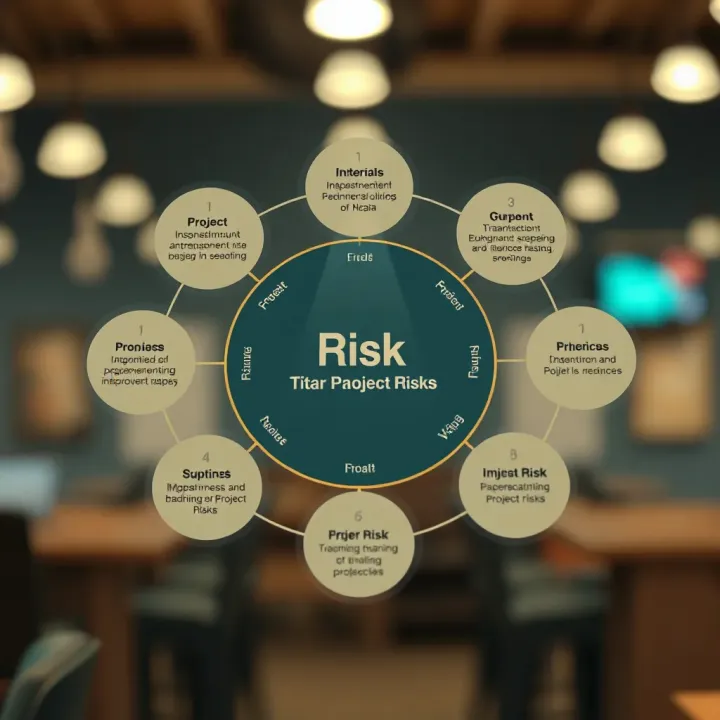
By spotting and understanding these risks early, project teams can plan contingencies that keep the timeline intact. For instance, having alternative suppliers arranged can prevent supply chain bottlenecks. Regular monitoring also allows quick action on emerging issues, reducing downtime and avoiding surprise setbacks.
This proactive approach translates to more predictable project milestones and boosts stakeholder confidence, particularly important when dealing with investors and regulatory bodies.
Proper risk management helps allocate resources wisely, avoiding waste on unnecessary buffers or panic spending when problems hit. Instead of holding large, costly stockpiles, a project might adopt a just-in-time material strategy if logistics risks are low but power stability is guarded by backup systems.
This targeted use of funds and equipment helps control overhead and helps projects stay within budget while maintaining efficiency.
Projects that manage risk can reduce unexpected costs and losses. For example, buying insurance against currency fluctuation or political risk can shield against large sudden expenses. Additionally, foreseeing inflation trends may allow for negotiated contract clauses that prevent loss from rising prices.
Effective risk management is not just about avoiding losses but about building resilience into projects so they can adapt and survive Nigeria’s complex environment.
Ultimately, managing risks translates into stronger project outcomes, timely delivery, and better returns on investment — all critical for firms operating in Nigeria’s challenging but promising market.
Managing risks effectively requires a clear, step-by-step process to spot potential problems before they disrupt a project. The core steps in project risk management help traders, investors, and entrepreneurs in Nigeria stay ahead of uncertainties, protect investments, and ensure smoother delivery. These stages—the identification, analysis, response planning, and continuous monitoring of risks—transform vague threats into manageable elements.
Early risk identification is like spotting potholes on a new road before they wreck your car. Techniques such as brainstorming sessions, checklists, and SWOT (Strengths, Weaknesses, Opportunities, Threats) analysis help uncover risks lurking beneath the surface. For instance, a construction firm might use historical data to spot delays from material shortages during rainy seasons, giving a chance to plan alternatives.
Engaging stakeholders and experts sharpens this risk spotting. When project managers include on-ground contractors, finance officers, or local regulatory bodies, they draw from diverse knowledge pools. This approach proved invaluable in a Lagos tech startup, where involving the legal team early flagged data privacy risks linked to regulatory changes, helping avoid costly penalties.
Once risks are identified, analysing them guides which ones deserve the most attention. Qualitative analysis involves describing risks based on experience—asking whether a power outage is likely to cause a small delay or a major halt. Quantitative analysis adds numbers, like estimating that a 10% chance of inflation rising by 15% could add ₦5 million to project costs.
Prioritising risks means focusing limited resources on what matters most. For example, a trader managing import logistics in Nigeria might rate customs delays higher than minor transport issues, allocating contingency funds accordingly. This selective focus prevents spreading efforts too thin and ensures timely responses.
There are four classic ways to deal with risks. Avoidance means changing plans to dodge risks—say, switching suppliers to avoid unreliable local vendors. Transferring risk shifts responsibility, like outsourcing security services. Mitigation tries to reduce impact; an IT company might add backup power to handle frequent NEPA outages. Acceptance involves recognising some risks can’t be avoided but preparing to deal with consequences.
Assigning clear responsibilities and setting deadlines turn plans into action. A project manager could task the finance team to monitor inflation monthly while scheduling weekly progress reviews with contractors. This clarity ensures no risk slips through the cracks.
Risk management is not a one-off task; it requires constant watching. Tracking risk triggers means spotting early warning signs—if fuel prices spike beyond a set threshold, transportation risks escalate. Maintaining alertness allows swift adjustments, avoiding cascading failures.
As projects evolve, so do their risks. Updating risk plans regularly reflects changed realities like new regulations or supplier shifts. A real estate developer in Abuja might revise risk strategies next tomorrow after government policy announcements affecting land acquisition.
Effective project risk management acts like a compass, guiding your investments safely through the unpredictable terrain of Nigerian business. Staying systematic in identifying, analysing, responding, and monitoring risks can save you time, money, and reputation.
Understanding the types of risks common to Nigerian projects helps you prepare and respond better. These risks often stem from economic instability, infrastructural issues, and regulatory changes. Recognising them early can prevent project delays, budget overruns, and legal troubles, ensuring smoother delivery even in Nigeria’s challenging environment.
Exchange rate fluctuations often hit Nigerian projects hard, especially those relying on imported materials or foreign finance. For example, a construction project dependent on tokunbo equipment priced in US dollars can face sudden cost surges if the naira weakens unexpectedly. This unpredictability makes budgeting difficult and cash flow uncertain, forcing managers to reconsider procurement and payment timings.
Besides direct costs, exchange rate swings can affect loan repayments or investors’ returns. Projects with dollar-denominated loans might see their naira obligations balloon, straining finances. Therefore, risk plans should include currency hedging strategies or local sourcing whenever possible to reduce exposure.
Inflation and cost overruns remain persistent threats. Nigeria’s inflation, driven by pump prices, food costs, or imported goods, can escalate project expenses beyond initial estimates. For instance, a road project budgeted at ₦500 million could easily surpass ₦600 million if inflation hikes fuel and material prices.
Cost overruns often result from poor forecasting or ignoring wider economic trends. Contractors may demand price adjustments mid-project, slowing progress. Effective risk management means monitoring inflation data regularly and negotiating contracts with clauses to manage price changes fairly.
Power outages and equipment failures are daily realities in many Nigerian projects. Frequent NEPA/DISCO supply interruptions compel site managers to rely on generators, increasing fuel expenses and downtime. For example, a manufacturing plant might lose production for hours during a blackout, creating deadlines stress.
Equipment failures, whether due to maintenance lapses or substandard spare parts, compound these problems. Regular preventive maintenance and backup plans for critical machinery can help curb these risks.
Supply chain disruptions can stall projects abruptly. Lagos port delays, customs clearance hold-ups, or transport challenges like traffic congestion and road repairs often disrupt material delivery schedules. A delayed cement shipment for a building project can set back timelines by weeks.
To mitigate this, project teams need alternative suppliers and realistic schedules that factor local logistics issues. Building good relationships with vendors and clearing agents can also reduce surprises.
Changing policies and permits in Nigeria create uncertainty for project teams. Sudden shifts in environmental regulations or local government rules often require new permits or compliance measures, adding unplanned work and costs. For example, a mining project might face unexpected restrictions following government policy changes.
Navigating these risks means constant engagement with regulatory bodies and legal advisors to stay updated. Proactive planning includes budgeting for possible compliance costs and keeping permit documents in order.
Contract disputes frequently arise, especially when project scopes or payments become contentious. Disputes can be over delayed milestones, quality standards, or unexpected expenses. For example, a subcontractor might demand additional payment for fuel price hikes causing work stoppage.
Clear contract terms, regular communication, and swift conflict resolution processes are crucial. Ensuring all parties understand responsibilities reduces costly legal battles and keeps projects on track.
Nigerian projects face an intricate mix of financial, operational, and legal risks. Successful risk management recognises these specific challenges and tailors strategies to the local environment, preventing delays and losses while steering projects towards completion.
These insights aim to equip entrepreneurs, investors, and professionals with an understanding of the environment they’re operating in. Handling these typical Nigerian project risks with clear plans improves chances of success despite often unpredictable conditions.
Managing project risks effectively requires the right tools and techniques. These help project teams identify, assess, and control risks in a clear, organised way. For traders, investors, and entrepreneurs, using these tools ensures project objectives are protected from surprises that could derail progress or spike costs. Nigerian projects, often faced with unique challenges like power instability and currency swings, benefit especially from practical and visual risk management methods.
Documenting and scoring risks starts with creating a risk register—a detailed log that captures every identified risk along with its characteristics. This document typically records risk descriptions, likelihood of occurrence, potential impact, and existing controls. For example, a construction project in Lagos might note "possible delay due to power outages" with a high likelihood and significant impact score. Documenting this way guides teams to focus attention where it matters most.
Once risks are logged, scoring them helps prioritise which ones demand urgent action. Scoring criteria often include financial loss, effect on project timeline, and reputational damage. Rankings help avoid spending scarce resources on minor risks while ignoring threats that could sink the project.
Visualising risk priorities is where the risk matrix proves invaluable. This tool plots risks on a grid according to their likelihood and impact, producing a clear picture of priorities. Risks in the high-impact, high-probability zone appear in red, signalling immediate attention, while low-impact, low-probability risks fall into green zones.
In Nigerian projects, visual risk matrices help team members and stakeholders grasp complex risk landscapes quickly. For instance, a fintech startup in Abuja could place currency fluctuation risk in the red zone, prompting pre-emptive hedging or contingency budgeting.
Popular risk management platforms like Primavera Risk Analysis, Oracle Primavera, or local solutions integrated with SAP are increasingly used by large Nigerian firms and project consortia. These platforms automate risk tracking, send alerts for risk triggers, and provide dashboards for real-time monitoring. They reduce human error, increase accountability, and often come with customisable templates suited to industry-specific needs.
For smaller businesses or startups, affordable digital tools include spreadsheets with specialised risk log templates or cloud-based platforms like Microsoft Project integrated with Power BI for risk visualisation. Digital solutions allow remote teams to collaborate effectively, an advantage in Nigeria's spread-out and often unstable internet environments.
Integrating tools with project management software is key in making risk management part of everyday project work. Combining risk registers with scheduling, budgeting, and resource management systems means that risk mitigation activities fit naturally into routine workflows. For example, if a risk triggers a procurement delay, integrated software can automatically update project timelines and send notifications to relevant managers.
In practice, integration prevents fragmented information and supports decision-making that’s timely and informed. Projects in sectors like oil and gas or telecoms, where delay costs rapidly escalate, stand to gain the most.
Collaborative risk gathering through workshops brings together team members from various parts of the project to identify risks that might otherwise be overlooked. In a Nigerian setting, including site engineers, finance officers, and local community representatives can reveal operational, financial, and social risks unique to the project environment.
These sessions foster open communication, helping to capture fresh perspectives. For instance, a workshop ahead of a road construction in Kano might highlight security concerns relating to local unrest, which technical reports alone might miss.
Engaging multi-disciplinary teams during brainstorming is crucial. Different expertise—legal, technical, financial, and social—ensure risks are examined from all angles. The result is a balanced risk portfolio and comprehensive response plans.
Having a diverse team prevents silos and enhances buy-in for risk mitigation efforts. Nigerian projects dealing with complex regulatory environments or multiple contractors particularly benefit from this approach, reducing chances of disputes or overlooked compliance risks.
Effective use of risk tools and techniques turns vague concerns into manageable tasks. For Nigerian projects facing many uncertainties, these methods provide clarity, helps prioritise responses, and ultimately protect investments and project goals.
Successfully managing project risks isn't just about ticking boxes or following a checklist; it requires embedding sound practices into the daily workflow. These best practices help projects stay on course despite uncertainties, especially in environments like Nigeria where economic and infrastructural challenges can quickly derail plans.
Leadership commitment is the backbone of any strong risk management system. When project leaders make risk management a priority, it sets a tone for the whole team. For instance, a project manager in Lagos who actively discusses risks in meetings encourages the whole team to take risks seriously and report potential issues before they escalate. Without clear backing from leadership, team members often see risk management as extra work rather than an essential part of their job.
Encouraging open communication unlocks the full potential of any risk management strategy. When team members feel comfortable sharing concerns or unexpected challenges, the project can adapt faster. Imagine a civil engineering project where site workers report a supplier delay early; the team can then adjust schedules or find alternatives, preventing costly downtime. Open communication breaks down silos and ensures everyone understands that sharing risk information is not about blame but about protecting the project.
Who manages risks and how is crucial for keeping the process organised and effective. Assigning clear roles for risk owners within the team ensures accountability. For example, in a fintech project integrating payment gateways like Paystack or Flutterwave, the technical lead might own risks related to system integration, while the finance manager handles currency fluctuation risks. This division helps teams respond efficiently without confusion.
Regular reporting and accountability turn risk management from theory into practice. Scheduled risk review sessions, reports, and updates ensure that no risk is forgotten as the project evolves. In Nigerian projects, where things can change quickly due to factors like policy shifts or power supply issues, regular risk reporting allows timely corrections and keeps stakeholders informed.
Risk reviews and post-mortem analysis help uncover what worked and what didn’t after project completion. Teams should document lessons from both successes and failures. For example, a construction project facing import delays for building materials might identify the need for local alternatives in future projects to reduce dependency on unstable supply chains.
Applying lessons learned ensures that experiences translate into better planning. A company managing multiple projects across Nigeria might develop a common risk checklist tailored to local realities based on repeated mistakes observed in earlier projects. These stored insights shorten onboarding for new teams and improve risk responses over time.
Embedding strong practices like leadership commitment, clear responsibilities, ongoing communication, and learning from past experiences sets Nigerian projects up for better resilience against inevitable risks. This practical approach breeds confidence and delivers better value on investment.
Explore how binary options work, practical trading tips, risks, and legal advice designed for Nigerian traders 🇳🇬 to navigate this market safely 📈💡

🔍 Learn how binary investment works, risks involved, strategies, and Nigerian regulations to make smart, safe choices in this fast-growing market. 🇳🇬💼

🤖 Explore how binary bots work in Nigeria's trading scene, their pros, risks, and key tips for safer binary options trading with automated tools.
Discover how proactive risk management helps individuals and organisations in Nigeria reduce losses, enhance decisions, and ensure stability 📊🔒
Based on 15 reviews