
Benefits of Effective Risk Management
Discover how proactive risk management helps individuals and organisations in Nigeria reduce losses, enhance decisions, and ensure stability 📊🔒
Edited By
Benjamin Carter
Risk is a constant thread in both business and personal ventures, especially in Nigeria's ever-changing environment. Understanding the various types of risk management helps you prepare for possible setbacks and safeguard what matters most.
Risk management isn't a one-size-fits-all approach. Instead, it comes in distinct types, each designed to handle particular challenges. These methods allow traders, investors, brokers, analysts, and entrepreneurs to spot threats early, reduce potential losses, and make smarter decisions.
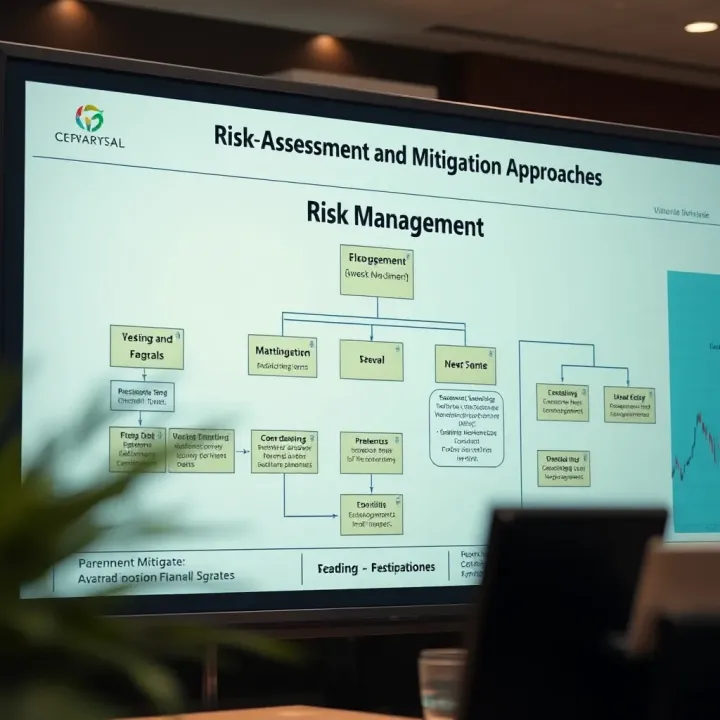
In Nigeria, where currency fluctuations, power supply problems, and market volatility can upend plans, grasping the right risk management style is key. From financial risks that affect investment portfolios to operational risks that disrupt day-to-day activities, knowing how to manage each is crucial.
Effective risk management means recognising what could go wrong and having concrete steps to protect your interests.
Some key types of risk management include:
Financial Risk Management: Focuses on protecting money against market swings, inflation, or credit defaults. For example, Nigerian investors may use hedging techniques to guard against naira depreciation.
Operational Risk Management: Deals with internal failures like machinery breakdown or supply chain delays. Take a manufacturing business in Lagos that plans backup power solutions to avoid downtime during NEPA outages.
Strategic Risk Management: Covers risks from big decisions and policies. When a startup launches an innovative product, assessing market acceptance and regulatory hurdles is part of this.
Compliance Risk Management: Ensures businesses follow laws and regulations. For instance, banks must comply with CBN rules on customer identification (BVN) to avoid penalties.
Understanding and applying these different categories sharpens your ability to handle uncertainties local to Nigeria and beyond. This sets the foundation for more focused, effective risk management strategies to follow.
Risk management involves recognising and handling uncertainties that could disrupt your business or personal goals. It is quite necessary for traders, investors, and entrepreneurs to understand the fundamentals as it helps in making informed decisions and protecting assets. For example, a stockbroker in Lagos monitoring currency fluctuations could avoid costly mistakes by identifying financial risks early.
Delving into the basics clarifies how risks emerge and how to respond effectively. Knowing the key principles provides a foundation that makes specific strategies for financial, operational, and strategic risks more effective. This overview will equip you with practical tools to spot threats and create safeguard plans relevant to Nigeria’s unique business environment.
Risk is the chance that something bad or unexpected will happen, causing losses or harm. Risk management is the process of recognising these risks, assessing their potential impact, and taking steps to control or reduce them. In Nigeria, this might mean handling currency volatility for an exporter or planning for power interruptions impacting factory output.
Risk management matters because both businesses and individuals constantly face uncertainties. For a small-scale trader using danfo transport for deliveries, delays or accidents could disrupt sales. Managing these risks means preparing backup plans or insurance. In daily life, planning for health emergencies or unexpected expenses helps avoid financial stress.
The process usually starts with identifying risks—spotting potential issues early. Next is evaluating how serious those risks are, often by considering likelihood and impact. After that comes deciding which risks to handle first and choosing methods to reduce or eliminate them. Finally, ongoing monitoring ensures new risks don’t catch you off guard. This cyclical process helps maintain business stability and personal security.
First, you must identify risks clearly. For instance, if you run an online business in Lagos, you might find risks like cyberattacks, unstable internet, or logistics delays. Then, evaluate each risk by asking: How often might this happen? How serious would the damage be? Accurate assessment ensures focus on threats that matter most.
Not all risks deserve equal attention; some can be ignored temporarily while others need urgent action. Prioritising risks means ranking them based on potential financial losses or operational disruption. An entrepreneur whose factory depends heavily on power supply would prioritise addressing power outage risk over occasional transportation delays.
Mitigation means taking practical steps to reduce risk impact. This could involve buying generators to handle power cuts, diversifying suppliers to avoid stockouts, or getting insurance for goods in transit. A trader using USSD platforms like OPay or Flutterwave may implement multiple payment options to avoid losing sales from platform downtimes.
Effective risk management is a continuous effort, not a one-time activity. Adapting to changing circumstances, especially in Nigeria’s fast-moving markets, safeguards your investments and strengthens your business resilience.
Understanding these concepts first sets a solid groundwork. When you know what risks are, why they matter, and how to assess them, you position yourself to handle more complex risk types with confidence.
Financial risk management is essential for traders, investors, brokers, and entrepreneurs to protect their capital and maintain business stability. In Nigeria's volatile market environment, factors like currency fluctuations, credit issues, and liquidity challenges can quickly disrupt operations and growth. Managing these financial risks effectively helps avoid significant losses, improve decision-making, and sustain long-term profitability.
Market risk arises from changes in market prices, such as shares, commodities, or interest rates. For Nigerian investors, currency risk is particularly important due to the naira’s frequent volatility against major currencies like the US dollar. For instance, an import-dependent business might face increased costs if the naira weakens sharply, directly squeezing profit margins. Similarly, a stock trader on the Nigerian Stock Exchange (NGX) could see values drop not only from company performance but also from broader economic shifts affecting market confidence.
Credit risk involves the possibility that a borrower or counterparty fails to meet payment obligations. Nigerian banks and microfinance institutions often encounter this in loan portfolios. Entrepreneurs extending credit or suppliers offering deferred payment face the same dangers. If a customer defaults, cash flow tightens, and unforeseen bad debts may derail operations. Effective credit risk assessment helps minimise such defaults by evaluating a borrower’s repayment ability before approval.
Liquidity risk means having insufficient cash or assets easily convertible to cash when needed. Nigerian businesses, especially SMEs, sometimes struggle to access working capital due to irregular cash inflows or bank liquidity shortages. An exporter expecting foreign currency payments might suffer if those funds are delayed, impairing their ability to pay local suppliers or staff. Managing liquidity risk ensures that businesses stay solvent even during market disruptions, avoiding panic sales or forced borrowing at unfavourable terms.
Hedging is a common way to protect against financial losses by offsetting risks. Nigerian commodity exporters, like those dealing with cocoa or oil, might use futures contracts or currency forwards to lock in prices and reduce exposure to market swings. Derivatives can shield profits against adverse moves in exchange rates or commodity prices. However, such tools require careful understanding and access, as misuse could increase losses instead.
Implementing rigorous credit checks before extending loans or credit lines is vital. Using tools such as Bank Verification Numbers (BVN) for verification, reviewing financial statements, and past repayment track records helps Nigerian lenders decide on creditworthiness. This reduces the chances of non-performing loans and supports healthier cash flows. Some fintech firms also apply data analytics to improve credit risk evaluation for informal sector players.
Spreading investments across different assets or sectors lowers the impact of any single failure. For example, a Nigerian investor might balance investments between equities from the banking sector, government bonds, and real estate. This way, if the naira devalues or the stock market dips, returns from other assets can cushion the blow. Diversification also extends to customers and suppliers, reducing overdependence and building resilience.
Financial risk management is not about avoiding risks entirely but rather about knowing where exposures lie and making smart moves to keep those risks within manageable limits.
Successful financial risk management in Nigeria requires understanding unique local factors like naira fluctuations, credit culture, and market access. By recognising these and applying suitable strategies like hedging, credit assessment, and diversification, businesses and individuals can safeguard their financial health and thrive despite uncertainties.
Operational risk management is vital for businesses facing the day-to-day uncertainties that can derail their productivity and profitability. It covers risks stemming from internal processes, personnel, technology, and external disruptions. For traders, investors, entrepreneurs, and analysts operating in Nigeria’s challenging environment, managing operational risks can mean the difference between steady growth and costly setbacks.
Operational risks often originate within an organisation, particularly from flawed procedures or human errors. For example, a bank clerk’s mistake in transaction processing can lead to significant financial losses and reputational damage. Similarly, weak internal controls in a trading firm can open doors to fraud or non-compliance with regulatory requirements. These risks demand constant monitoring and refinement of processes to avoid operational hiccups that drain resources and harm stakeholder trust.
In today’s digital age, many businesses depend heavily on IT systems. When these systems fail—such as network crashes or software glitches—it can stall operations and delay critical transactions. For instance, a fintech startup losing internet connectivity during peak transactions risks losing customers and revenue. System downtime also affects data integrity and customer experience, making reliable technology infrastructure a necessity in risk management strategies.
Power outages remain a common challenge across Nigeria, affecting everything from office functions to manufacturing lines. A factory forced to halt production due to NEPA/DISCO outages may incur losses running into millions of naira daily, highlighting the severe operational risk. Supply chain disruptions, like delays caused by poor road infrastructure or customs bottlenecks, similarly slow down delivery and increase costs. Businesses relying on imported goods or just-in-time inventory must factor these risks into their operational planning.
Effective operational risk management requires developing backup plans for predictable challenges. Generators and solar power solutions help many organisations mitigate power outage risks, ensuring continuity. Transport challenges can be addressed by scheduling deliveries during off-peak traffic hours or using multiple logistics partners to avoid over-reliance on a single route. Such measures safeguard revenue and maintain customer satisfaction despite external hurdles.
Training employees to understand internal controls and compliance procedures curtails errors and fraudulent activities. For example, a trading firm could implement regular training on handling client information securely to prevent data breaches. Process optimisation, including workflow automation and documentation, enhances efficiency and transparency, reducing human errors and opening bottlenecks in operations.
Automation tools can reduce the burden of manual tasks prone to mistakes, such as reconciliation and tracking orders. Adopting dependable IT platforms, particularly those hosted on cloud services with good uptime records, ensures that critical business functions continue smoothly. Nigerian companies increasingly trust solutions like Paystack and Flutterwave for smoother financial transactions, reflecting the critical role of robust technology in managing operational risks.
Operational risk cannot be eliminated but can be effectively managed through proactive strategies tailored to Nigeria’s unique business environment. Preparing for people, process, technology, and external challenges keeps businesses resilient and competitive.
Strategic and compliance risk management deals with the risks that arise from a company’s long-term plans and obligations to laws and regulations. These risks can affect an organisation's survival and reputation, so managing them is vital for sustained success. In Nigeria's dynamic market, businesses must stay alert to shifts in competition, policy changes, and evolving consumer demands to avoid costly mistakes or regulatory penalties.
Businesses face constant pressure from market forces and competitors. For instance, a local telecommunication firm may struggle if a global player like MTN launches aggressive pricing or offers better data packages. Failure to respond promptly could lead to loss of market share or even exit from the market. Entrepreneurs need to regularly scan the environment, anticipate rivals’ moves, and adapt their strategies to stay relevant.
Nigeria’s government and regulatory bodies often update policies affecting sectors like banking, oil, and FMCG. A sudden change in Central Bank of Nigeria (CBN) foreign exchange rules or new tariffs by Nigerian National Petroleum Company Limited (NNPCL) can disrupt supply chains or impact profit margins. Ignoring these shifts can lead to compliance failures, heavy fines, or operational stoppages. Businesses must build mechanisms to monitor and quickly align with regulatory changes.
Consumer preferences shift rapidly, especially with digital technology shaping habits. The rise of FinTech platforms like Paystack or PalmPay shows Nigerians increasingly prefer cashless payments. A retailer continuing to rely solely on cash transactions risks losing customers to competitors offering convenient digital options. Firms must track consumer trends closely and adjust offerings to meet new expectations, or they face declining sales and brand erosion.
Banks and financial institutions in Nigeria must comply with the Central Bank of Nigeria's guidelines on liquidity ratios, capital adequacy, and Know Your Customer (KYC) rules. Non-compliance can result in penalties, license suspension, or reputational harm. Strict adherence enhances operational stability and builds customer trust, which are crucial for long-term growth.
The Federal Inland Revenue Service (FIRS) enforces tax collections diligently, with businesses expected to remit VAT, company income tax, and PAYE accurately and on time. SMEs ignoring FIRS requirements risk audits, penalties, or even forced closure. Proper internal tax management safeguards against such disruptions and helps maintain a good standing with tax authorities.
Good corporate governance entails transparency, accountability, and ethical practices. Nigerian listed companies, for example, must comply with Securities and Exchange Commission (SEC) guidelines to protect shareholders’ interests. Strict governance reduces fraud risk, improves investor confidence, and fosters sustainable business practices. Firms neglecting governance expose themselves to scandals that can sink even profitable ventures.
Strategic and compliance risk management ensures your business can navigate Nigeria’s fast-evolving market landscape without falling foul of regulations or losing edge to competitors.
In a nutshell, integrating strategic foresight with robust compliance helps Nigerian entrepreneurs, traders, and investors build resilient, legitimate, and competitive enterprises in a challenging environment.
Risk management goes beyond financial and operational concerns, extending into other specialised areas that significantly affect business outcomes. These "other forms" address risks that are often less obvious but equally impactful, such as those in project execution, environmental safety, and brand reputation. Understanding these risks helps traders, investors, and entrepreneurs stay prepared for diverse challenges in Nigeria's complex market.
Identifying risks in project planning is a fundamental step to avoid costly delays or failures. This involves assessing all potential threats before a project kicks off, such as resource shortages, regulatory hurdles, or unexpected market changes. For example, a construction project in Lagos might face risks like supply chain breakdowns due to transport strikes or delays in permit approvals from local authorities. Spotting these early enables teams to build contingency plans and allocate budgets more realistically.
Techniques for risk tracking and control focus on continuously monitoring these identified risks throughout the project’s life cycle. Regular assessments using risk registers or software tools help teams spot new threats or shifting priorities. In Nigerian IT projects, constant tracking can detect emerging cybersecurity threats or system bugs early, allowing quick corrective action. This active control prevents minor problems from escalating into full-blown crises.
Project risk management also requires practical insights from experience. For instance, construction projects often contend with weather disruptions during the rainy season, while IT projects might battle shifting technology standards or skill shortages. Learning from past projects can refine risk assessment and ensure smoother delivery under Nigeria’s peculiar business conditions.
Protecting against environmental hazards demands careful planning and compliance with laws to avoid disastrous impact or fines. Businesses near flood-prone areas, like parts of Lagos or Port Harcourt, must have flood prevention and response strategies in place. Similarly, manufacturers need to manage waste responsibly to comply with NAFDAC and avoid pollution fines or community backlash.
Maintaining a strong brand image is vital in today’s social age, which brings managing public image and brand risks sharply into focus. Negative news, whether true or exaggerated, can quickly damage a company if left unattended. For Nigerian online retailers or fintech startups, customer complaints about service or security can spread fast on platforms like Twitter or Nairaland. Proactive reputation management involves monitoring public sentiment and addressing concerns promptly.
Crisis communication strategies serve as the frontline defence when risks materialise. Clear, honest, and timely communication can calm nerves and protect credibility during crises. For example, if a bank faces a data breach, informing customers immediately with steps taken to fix issues helps sustain trust. Preparing communication templates and training spokespersons before problems hit is key to handling crises professionally.
Other forms of risk management often reflect the unique conditions of Nigerian businesses. You're not just managing money or process risks; it’s about navigating people, environment, and reputation challenges that can make or break operations.
These risk areas deserve attention because they protect broader aspects of business sustainability. Mastering them gives you a strong edge in Nigeria's competitive environment where uncertainty and change are constant.
Discover how proactive risk management helps individuals and organisations in Nigeria reduce losses, enhance decisions, and ensure stability 📊🔒

Explore the binary number system 🖥️, from its basics and structure to conversion techniques and its vital role in computing and digital tech across Nigeria.

💻 Discover how binary systems power computing in Nigeria! Learn binary basics, arithmetic, logic & its vital role in programming and architecture. 🔢

Explore how binary options work, practical trading tips, risks, and legal advice designed for Nigerian traders 🇳🇬 to navigate this market safely 📈💡
Based on 14 reviews