

Effective Forex Trading Strategies for Nigerian Traders
Discover effective forex trading strategies 🇳🇬 tailored for Nigerian traders, focusing on risk management, analysis methods, and disciplined trading tips 📈💡.
Edited By
George Mitchell
Disaster risk management (DRM) involves the steps taken to reduce harm from natural and human-made hazards. In Nigeria, where floods, epidemics, and communal conflicts occur severally, understanding DRM helps protect lives, property, and economic activities.
The country’s vulnerability to disasters is linked to rapid urbanisation, poor infrastructure, and climate change effects. Lagos experiences annual floods that shut down major roads and markets, while communities in the North East face challenges from insurgency and drought.
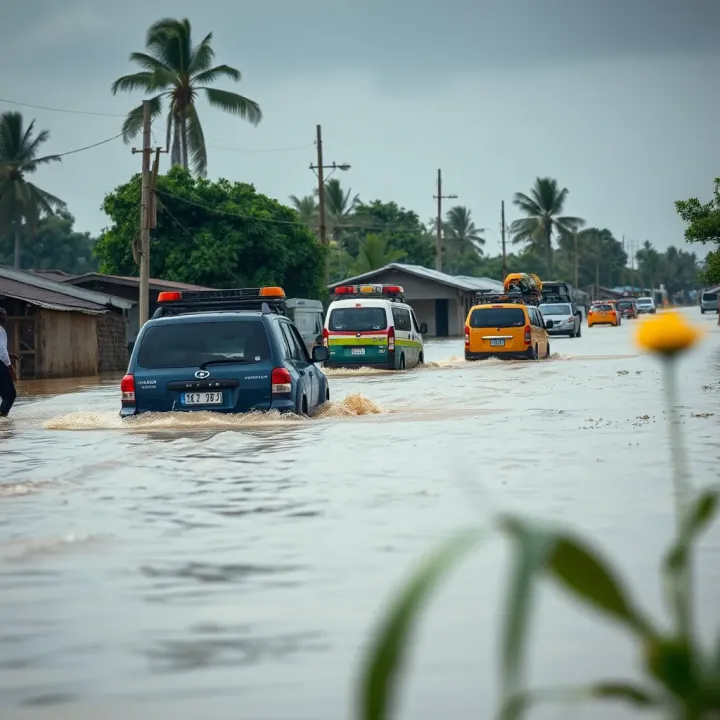
Effective DRM includes four stages: preparedness, response, recovery, and mitigation. Preparedness means having systems in place before disasters strike, like early-warning tools and public education. For example, the Nigeria Hydrological Services Agency (NIHSA) alerts could warn Lagosians ahead of heavy rains.
Response focuses on immediate action after a disaster, such as emergency rescue or providing healthcare. Organisations like the National Emergency Management Agency (NEMA) coordinate rescue and relief distribution.
Recovery involves restoring communities and economies after impact. This could include rebuilding markets in Aba or restoring power in disrupted areas.
Mitigation aims to lower risks permanently through infrastructure projects, urban planning, and policies. Constructing drainage systems in flood-prone areas, enforcing building codes, and reforestation are practical mitigation methods.
Coordinated efforts between government agencies, private sector stakeholders, and local communities can improve Nigeria’s resilience to disasters significantly.
Key challenges include poor funding, weak coordination among agencies, and limited public awareness. Many times, response efforts falter because emergency funds are delayed or data on affected communities is scant.
For traders and investors, disasters pose risks to supply chains, asset security, and business continuity. Understanding local DRM strategies helps manage these risks and leverage opportunities in sectors like insurance, logistics, and construction.
In summary, Nigeria’s DRM requires practical planning coupled with firm policy implementation. Stakeholders must prioritise preparedness and mitigation to reduce the social and economic shocks disasters can bring.
Disaster risk management (DRM) forms the backbone of Nigeria’s ability to withstand and recover swiftly from hazards. For traders, investors, and entrepreneurs, understanding DRM is not just about safety but also about protecting assets and safeguarding business continuity. When disasters strike, such as floods in Lagos or droughts in the northeast, ripple effects disrupt supply chains, affect consumer demand, and increase operational costs. Effective DRM helps minimise these impacts by identifying risks early and coordinating practical responses.
In practical terms, DRM covers a range of activities—from assessing risks and issuing early warnings to mobilising emergency services and rebuilding post-disaster. For business operators, knowing the scope of DRM means making informed decisions about where to invest, how to insure assets, and how to engage with community preparedness plans. Failure to integrate these considerations can result in losses far beyond immediate physical damage.
Meaning of disaster risk management: DRM is the collection of strategies, policies, and actions put in place to prevent, reduce, and respond to disasters. It emphasises a proactive approach rather than reactive only. In Nigeria, this means not only reacting when floods or conflicts occur but also investing in infrastructure that mitigates risk, such as drainage systems in flood-prone Abuja districts or community health awareness during epidemic outbreaks. By managing disaster risks, governments and businesses reduce vulnerabilities and save both lives and resources.
Distinction between risk reduction and response: Risk reduction involves measures taken before disasters happen to lower their likelihood or impact. This includes practices like building stronger bridges or educating farmers on drought-resistant crops. On the other hand, response is the immediate reaction during and after a disaster—for example, mobilising rescue teams during a flood or distributing relief materials after a conflict. Both are essential but serve different phases; risk reduction saves costs and lives over time, while response focuses on damage control and saving victims.
Natural disasters: floods, droughts, epidemics: Nigeria regularly faces natural hazards like seasonal floods, especially in regions such as Kogi and Benue, displacing thousands and disrupting markets. Droughts in the arid north threaten food supply and livelihood security for farmers and herders alike. Epidemics, including recurring Lassa fever outbreaks, challenge public health systems and scare away investors worried about workforce stability. Knowing these threats helps businesses prepare contingency plans and diversify supply chains to minimise downtime.
Human-made disasters: conflicts, industrial accidents: Conflicts between communal groups and insurgency in parts of the northeast don’t just cause loss of life but deter investment and interrupt trade corridors. Industrial accidents, such as oil spills in the Niger Delta or fire outbreaks in Lagos markets, damage critical infrastructure and create health hazards that affect millions. These disasters demand strong risk governance and rapid response mechanisms to restore confidence and protect economic activities.
Sound disaster risk management is not a luxury but a necessity for Nigeria’s economic resilience, especially for those investing or operating in vulnerable regions.
Understanding these fundamentals equips traders, brokers, and entrepreneurs to anticipate disruptions, plan investments wisely, and participate meaningfully in community and government efforts to reduce disaster impacts.
Disaster risk management (DRM) in Nigeria depends heavily on several key components to reduce the impact of hazards. These components provide the framework for preventative and reactive measures. Proper understanding and implementation help to save lives, reduce economic losses, and promote quicker recovery in affected communities. For traders, investors, and entrepreneurs, appreciating these components aids better business continuity and investment decisions in disaster-prone areas.
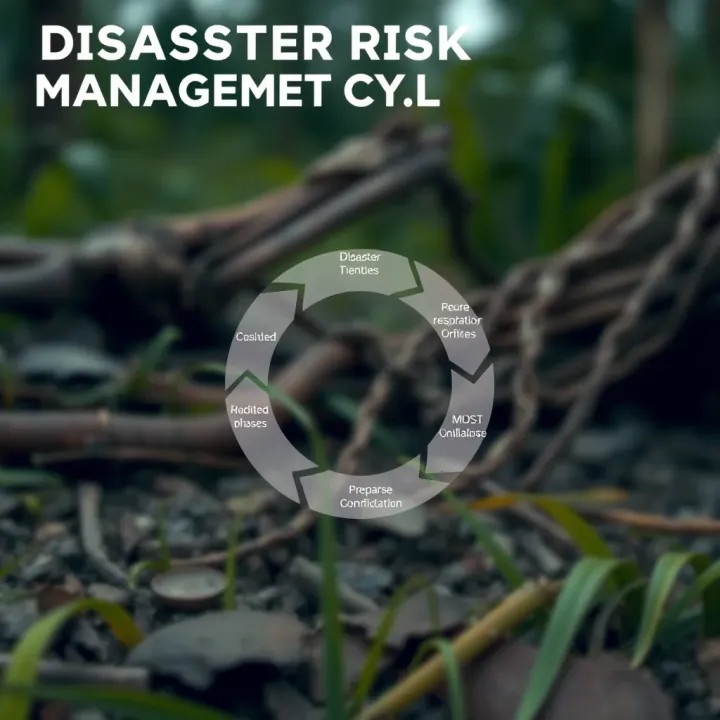
Identifying hazards and vulnerabilities is fundamental. This process pinpoints hazards such as floods in coastal Lagos or droughts in northern states like Borno, alongside vulnerable populations and infrastructure. For example, assessing flood-prone areas helps businesses and local governments prepare for possible disruptions.
Role of technology and data in early warnings cannot be overstated. Nigeria increasingly uses satellite data and weather forecasting models to provide timely alerts. Mobile alerts sent via platforms like OPay and NDMA’s SMS system inform residents and businesses in high-risk zones, giving them crucial time to prepare or evacuate.
Emergency planning at community and state levels ensures clear roles and procedures before disasters strike. Lagos State’s flood response plan illustrates practical community preparation, aligning local government with community leaders to organise evacuation routes and emergency shelters.
Training, drills and public awareness campaigns help all Nigerians understand their role in disaster situations. Regular drills in schools and workplaces, along with media campaigns through national outlets like NTA and private radio stations, empower citizens to respond properly when disasters happen.
Mobilising emergency services and volunteers is essential to save lives during and immediately after disasters. NEMA frequently coordinates rescue teams, while local volunteers assist in first aid and logistics. These efforts are crucial during floods, building collapses, or epidemics, where quick action limits damage.
Coordination among government agencies and NGOs remains a challenge but is key for effective response. Successful exercises where agencies like NEMA, the Red Cross, and state emergency teams share information and resources highlight the importance of collaborative efforts in large-scale emergencies.
Rebuilding infrastructure and livelihoods after disasters involves repair of roads, markets, and homes while helping people resume economic activities. In northeast Nigeria, concerted efforts to rebuild farming infrastructure support displaced farmers returning to their lands.
Integrating risk reduction in reconstruction means designing buildings and infrastructure to withstand future disasters. For instance, new public schools in flood-prone Ebonyi State now include elevated foundations to prevent flood damage, reducing the cost and impact of future events.
Understanding and effectively implementing these DRM components not only protects communities but safeguards business interests and promotes economic stability across Nigeria.
Disaster risk management frameworks and policies provide the structural backbone for how Nigeria prepares for, responds to, and recovers from disasters. These frameworks are essential because they define roles, streamline coordination, and set standards for effective disaster handling across federal, state, and local levels. Without clear policies, efforts risk being fragmented, reducing the impact of interventions when disasters strike.
The National Emergency Management Agency (NEMA) stands as the primary federal agency tasked with disaster response and coordination. NEMA's functions include coordinating relief operations during emergencies, providing disaster risk reduction education, and managing national-level disaster data. For example, during the 2020 flood emergencies across parts of Lagos and Bayelsa States, NEMA mobilised resources and collaborated with state agencies to provide timely evacuation and relief materials, demonstrating its practical role in reducing human suffering.
Beyond the federal level, state and local disaster management committees are crucial to disaster management's on-the-ground effectiveness. These committees localise efforts, implement community-specific preparedness plans, and act as direct channels for disseminating early warnings and mobilisation. In states like Kaduna and Rivers, these committees have organised frequent drills and public awareness campaigns, which increase community resilience by ensuring citizens know how to respond quickly and safely during local disasters.
Nigeria's Disaster Management Framework provides the legal and operational foundation for all disaster management activities in the country. It outlines the responsibilities of various government actors, stipulates processes for disaster response, and integrates risk reduction into development planning. This policy ensures that disaster management is not just reactive but proactive, encouraging investments in infrastructure and systems to reduce disaster impacts before they occur.
In addition to national legislation, Nigeria aligns with international protocols such as the Sendai Framework for Disaster Risk Reduction and the African Union's disaster risk policies. Coordinating with these global agreements helps Nigeria attract funding, adopt best practices, and ensure compliance with standards that improve disaster management effectiveness. For instance, international collaboration has helped Nigeria enhance its early warning systems using satellite data and mobile communication, which are vital in alerting vulnerable communities ahead of imminent hazards.
Effective disaster management in Nigeria hinges on clear policies and strong institutions operating in harmony. Ensuring these frameworks are properly funded and implemented can significantly reduce the economic and human toll of disasters across the country.
NEMA leads national disaster management, coordinating federal efforts during emergencies.
State and local committees are vital for swift, tailored disaster response and public awareness.
Nigeria’s Disaster Management Framework institutionalises coordinated disaster risk reduction.
Alignment with international protocols enhances Nigeria’s capacity through knowledge exchange and resources.
Understanding these frameworks is vital for investors and entrepreneurs operating in Nigeria, as disaster risks can significantly impact business continuity and community welfare. Effective policies reduce vulnerability and foster a more resilient environment for economic activities.
Disaster risk management in Nigeria faces considerable hurdles that limit its effectiveness. Understanding these challenges helps businesses, government agencies, and investors plan better and mitigate impact. The key difficulties relate to infrastructure and funding, community involvement, and communication among agencies.
Limited investment in disaster preparedness remains a significant setback. Nigeria’s budgetary allocations often neglect proactive disaster measures, focusing mostly on emergency response after events occur. For example, efforts to strengthen flood defences, early warning systems, or drought resilience initiatives are inadequately funded, leaving communities vulnerable. This lack of investment increases long-term costs for both public and private sectors when disasters strike, interrupting trade routes, damaging assets, and raising insurance claims.
Moreover, inadequate emergency facilities and equipment hamper swift, effective responses. Critical tools like ambulances, rescue boats, fire trucks, and modern communication devices are either old or insufficient in many states. For instance, during the 2022 flood season, several local emergency services struggled with outdated equipment, delaying rescue and relief operations. This deficiency weakens trust among investors and traders who depend on timely disaster relief to safeguard their businesses.
Many Nigerians have low public knowledge of disaster risks, affecting community preparedness levels. Without basic awareness of flood zones, wildfire hazards, or how to respond to epidemics, residents remain highly exposed. This gap also limits grassroots support for government initiatives, making evacuation campaigns or vaccination drives less effective. Public education needs to emphasise practical steps, such as recognising early warning signs and knowing local emergency contacts.
Cultural and social barriers further complicate engagement. Some traditions or beliefs discourage people from heeding safety advice or cooperating with officials during disaster drills. In parts of Northern Nigeria, for example, women may have restricted mobility, making it hard for them to access shelters or emergency information. Addressing these barriers means tailoring awareness campaigns to local contexts and involving community leaders to foster trust and collective action.
Inter-agency communication challenges are a persistent issue. Often, federal, state, and local disaster management bodies operate in silos, causing delays and duplication of efforts. During recent flood disasters, mismatched information flow led to confusion about resource allocation and target areas. Improving communication protocols would streamline emergency response and optimise resource use.
Insufficient real-time data for decision-making undermines proactive action. Accurate, up-to-date information on rainfall, river levels, or disease outbreaks is necessary for timely warnings and interventions. However, Nigeria’s monitoring infrastructure sometimes fails to deliver such data in a reliable manner. This shortfall hinders predictive analytics that could inform traders and investors about potential disruptions.
Boosting disaster risk management requires addressing these core challenges with practical solutions. Better funding, public education, cultural sensitivity, and seamless coordination can greatly improve Nigeria’s resilience and economic stability.
Increase budget provisions for disaster preparedness initiatives
Modernise emergency facilities and equipment nationwide
Enhance public education tailored to diverse cultural settings
Promote inter-agency data sharing platforms
Invest in technology for real-time environmental monitoring
By tackling these challenges head-on, Nigeria can reduce losses from disasters and maintain confidence among stakeholders across sectors.
Nigeria faces an ongoing need to boost its disaster resilience. Addressing this is not just about reacting to crises but preparing communities and institutions ahead of time. Enhancing disaster resilience involves upgrading existing structures, increasing cooperation among stakeholders, and using practical, innovative tools to reduce risks. This section outlines concrete steps that can improve Nigeria’s readiness and response capabilities.
Improving training and resources for agencies is vital to effective disaster management. Many state and local agencies lack specialised training or modern equipment to respond swiftly to emergencies. By investing in continuous training programmes, especially on new best practices and technologies, these agencies can handle complex disasters more efficiently. For instance, NEMA (National Emergency Management Agency) staff equipped with real-time decision-making skills can better coordinate flood rescue operations in Lagos. Equipping agencies with adequate vehicles, communication devices, and relief supplies will also close existing gaps.
Promoting cross-sector collaboration ensures that disaster risk management is not isolated within one body or sector. Different ministries, private businesses, NGOs, and traditional institutions each bring unique capacities. Sharing information and coordinating roles minimise duplicated efforts and resource wastage. For example, when private telecommunication firms like MTN and Airtel partner with agencies to send emergency alerts, communities get timely warnings. Cross-sector partnerships also expand funding sources beyond government budgets, which are often insufficient.
Empowering local networks and leaders is essential because communities are the front line in any disaster. Traditional rulers, local associations, and youth groups understand local vulnerabilities and capacities better than external actors. Supporting them with skills in early warning, first aid, and evacuation plans strengthens grassroots resilience. A clear example is the role of community leaders in Jos, Plateau State, who mobilised residents before flash floods in 2023. Their involvement ensured timely action and saved lives.
Integrating traditional knowledge with modern practices offers practical benefits by blending tested local methods with scientific approaches. For instance, indigenous soil erosion control techniques can complement GIS-based land use planning. Also, local weather signs, passed down through generations, can enhance early warning systems when verified with meteorological data. Respecting and using such knowledge bridges trust gaps and achieves better acceptance of disaster risk programmes.
Mobile platforms for alerts and communication have transformed disaster risk management in Nigeria. With mobile penetration at over 90%, platforms like WhatsApp, SMS broadcasts, or dedicated apps provide quick, wide-reaching alerts. OPay and Flutterwave have experimented with such messaging during flood seasons, ensuring Nigerians receive evacuation notices even in remote areas. These platforms also allow affected persons to request help or report hazards directly, speeding response.
GIS mapping and data analytics for planning significantly improve the precision and effectiveness of disaster preparedness. By mapping hazard-prone areas alongside population densities, authorities can prioritise interventions and resource allocation. For example, Lagos State uses GIS data to identify flood hotspots and plan drainage improvements. Combining this with analytics on past disaster patterns helps predict vulnerable zones. This technology-driven approach cuts down guesswork and boosts the impact of limited budgets.
Improving disaster resilience is not abstract. It demands practical changes in training, collaboration, community engagement, and technology use – all tuned to Nigeria’s realities.
Together, these steps form a foundation for safer, more prepared communities and responsive institutions ready to face Nigeria’s disaster challenges.
Discover effective forex trading strategies 🇳🇬 tailored for Nigerian traders, focusing on risk management, analysis methods, and disciplined trading tips 📈💡.
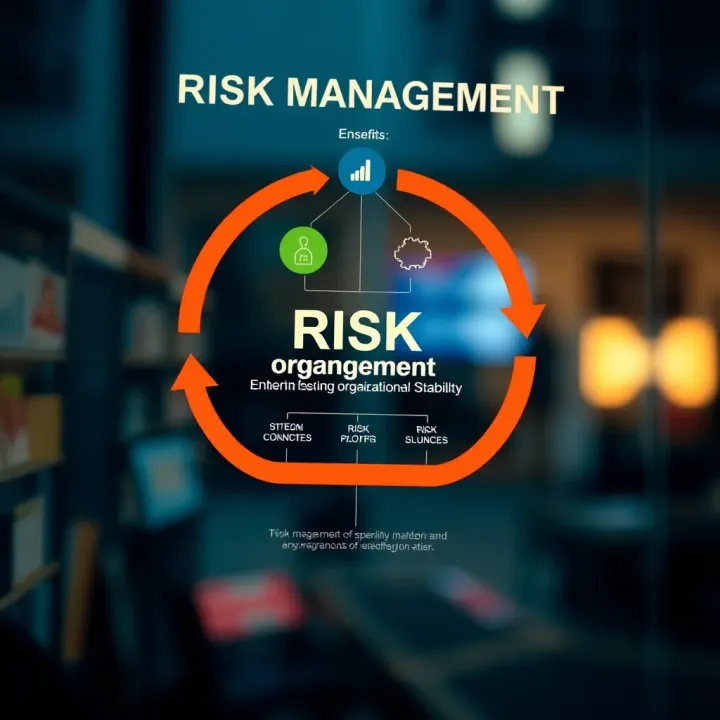
Discover how proactive risk management helps individuals and organisations in Nigeria reduce losses, enhance decisions, and ensure stability 📊🔒

Discover top forex trading strategies for Nigerian and global markets! 📈 Learn technical & fundamental tactics, risk management, and trading psychology tips.

Discover practical strategies for trading binary options in Nigeria 🇳🇬. Learn key techniques, risk management, and how to pick reliable platforms for success 💹.
Based on 11 reviews