

Understanding Risk Management in Nigerian Businesses
📊 Learn how Nigerian businesses can spot, assess, and manage risks effectively to protect operations and resources, especially during ember months and market swings.
Edited By
Emma Clarke
Risk management is no longer a luxury but a necessary discipline for anyone involved in Nigerian trading, investment, brokerage, or entrepreneurship. Without a proper handle on risks, businesses and individuals expose themselves to losses that could have been avoided. Whether it’s currency fluctuations affecting foreign trade, supply chain disruptions impacting sales, or regulatory changes altering tax liabilities, facing risks head-on is essential.
This guide breaks down the risk management process into manageable steps you can apply at your company or personal ventures. It focuses on identifying where risks lurk, assessing how serious they are, and deciding the best ways to manage them. This approach isn’t about avoiding risk completely — it’s about making informed decisions that protect your assets, support compliance with Nigerian laws, and foster sound decision-making.
Consider a Lagos-based exporter navigating unstable foreign exchange rates. By systematically assessing the risk of naira depreciation, they can implement hedging strategies or adjust pricing policies to shield profit margins. Or think about a fintech startup using mobile money platforms such as OPay or Flutterwave; understanding data security risks ensures customer trust and regulatory compliance.
Effective risk management involves continuous monitoring — risks evolve as markets and environments change. It’s not a one-time fix.
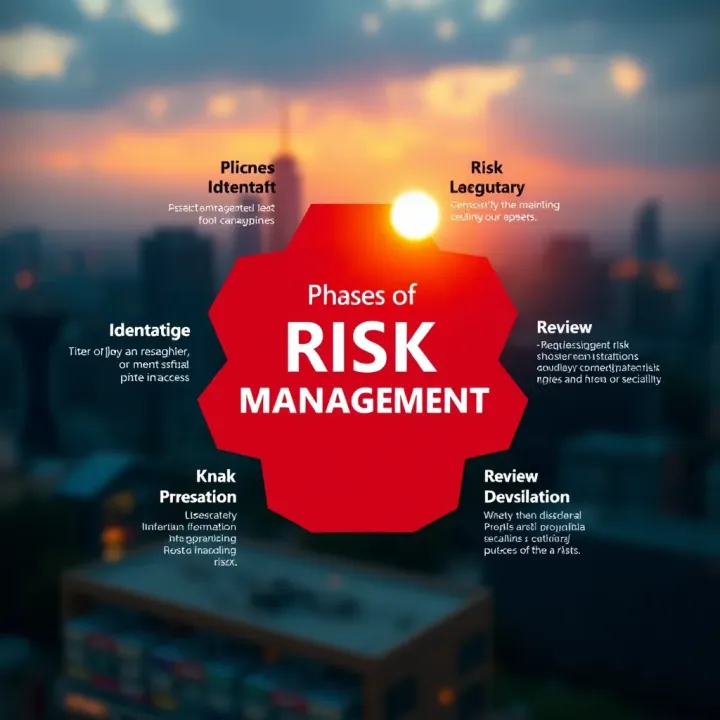
Key phases of the risk management process you'll find in this guide include:
Risk Identification: Spotting threats before they materialise, such as erratic fuel supply that leads to downtime or cash flow difficulties.
Risk Assessment: Measuring impact possibilities — for example, estimating how potential downtime could cost ₦500,000 a day.
Risk Response: Choosing control measures like insurance, diversification, or stronger internal controls.
Monitoring and Review: Regularly checking if controls work, adapting as market or regulatory conditions shift.
This practical framework helps you build resilience and minimise unexpected shocks. By the time you finish this guide, you’ll confidently handle multiple risk types relevant to Nigerian business, from currency volatility to infrastructural challenges, placing you ahead in fast-moving markets.
Risk management is more than just a buzzword; it is a vital practice that helps businesses safeguard their resources and navigate uncertainties. At its core, it involves identifying potential threats, evaluating their impact, and taking steps to reduce or control those risks. This approach is essential for businesses of all sizes, especially in Nigeria where market volatility, infrastructural challenges, and regulatory shifts frequently impact operations.
In practice, risk management translates to a hands-on process where businesses continuously scan their environment to spot anything that could derail their objectives. For example, a Lagos-based SME might face risks linked to erratic power supply, leading to production delays. Managing this could involve investing in a generator or arranging backup plans with suppliers. Another illustration is the use of Bank Verification Number (BVN) checks to reduce fraud risk in financial transactions.
A practical risk management plan prioritises the most significant threats and matches them with appropriate responses. This means not just reacting to problems when they arise but anticipating them, so the business is not caught off-guard. A trader in Abuja might monitor foreign exchange rate trends closely, adjusting pricing strategies to avoid losses when the naira weakens.
Nigerian businesses operate in an environment marked by fluctuating fuel prices, currency volatility, and regulatory changes, making risk management a non-negotiable. Without it, firms can suffer severe financial losses or damage to reputation. For instance, many firms have faced penalties for non-compliance with tax regulations by the Federal Inland Revenue Service (FIRS) because they neglected proper risk controls around statutory deadlines.
On top of safeguarding against threats, risk management allows businesses to seize opportunities with more confidence. Consider an entrepreneur launching a tech startup using platforms like Paystack or Flutterwave for payments. By managing operational risks such as cybersecurity threats and customer data breaches, the entrepreneur builds trust and can scale quicker.
Businesses that embed risk management into their daily decisions tend to react faster, reduce losses, and build resilience against shocks common in Nigeria’s economic environment.
In short, this section sets the foundation for understanding how risk management shapes the future of Nigerian enterprises. It prepares you to take deliberate steps in protecting your assets, reputation, and growth prospects well ahead of problems.
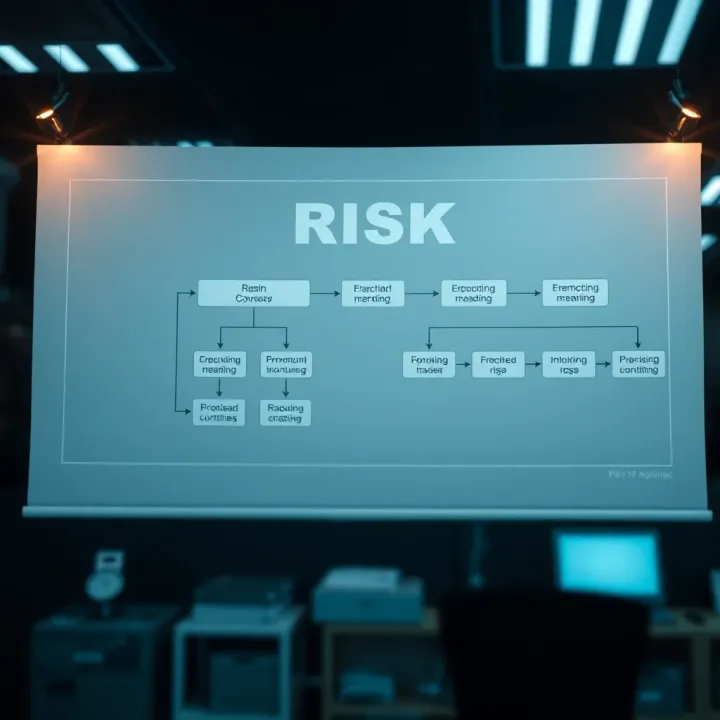
Every successful business in Nigeria, whether a bustling market trader, an investor, or a corporate broker, must navigate risks carefully. The risk management process offers a clear roadmap to spot dangers early, weigh their seriousness, and decide on the best way to deal with them. This process isn't just theoretical; it helps protect your assets, keep you compliant with regulations like CBN guidelines, and allows you to make smarter decisions that grow your business steadily.
Identifying risks means looking sharply at your operations, market conditions, and environment to know what could go wrong. For instance, a small business in Lagos might spot potential risks like disruptions from power outages or sudden hikes in fuel prices affecting delivery costs. Traders on the Nigerian Stock Exchange (NGX) may watch for political volatility or changes in currency exchange rates that threaten their investments. This step is about being proactive—catching early signs before they snowball.
Not all risks carry the same weight. After spotting risks, assess how likely they are and the scale of their impact. For example, poor road infrastructure might frequently delay delivery vans, but its financial impact could be low if alternative routes exist. On the other hand, a forex slump causing naira depreciation can sharply reduce profits for import-dependent businesses. This evaluation helps prioritise which risks demand urgent attention and which can be managed later.
Avoidance: Avoiding a risk means steering clear of activities that expose your business to harm. Nigerian entrepreneurs often avoid sectors with highly volatile regulatory landscapes to prevent sudden losses. For example, a startup might choose not to invest in petrol importation due to subsidy removals and fluctuating fuel prices. This strategy saves resources but can limit growth if overused.
Reduction: Reducing risk involves lowering either the chance of it happening or its impact. Manufacturers in Nigeria, aware of frequent power cuts, often reduce risks by installing solar panels or efficient generators to ensure continuous production. Similarly, traders use hedging instruments to minimise forex risks, reducing the shock of naira fluctuations on profits.
Sharing or Transfer: Sharing risks means passing some or all potential costs to third parties. Insurance is a common example: a retailer can transfer fire or theft risk by buying a good policy from a reliable insurer. Another example is contract farming where farmers share weather-related risks with buyers. This strategy spreads potential losses but involves paying premiums or fees.
Retention: Sometimes, businesses accept certain risks because managing them costs more than the risk itself. For example, a small scale mama put business might retain the risk of occasional theft rather than investing heavily in security cameras. Retention demands setting aside funds or plans to handle losses when they occur.
Once you've chosen how to handle a risk, the next step is to put your plan into action. This could mean signing insurance contracts, upgrading infrastructure, or training staff on new safety procedures. Effective implementation demands clear communication and allocation of responsibilities to ensure everyone understands their role. For Nigerian firms, coordination between units like finance, operations, and compliance is key to success.
Risk management doesn’t end once control measures are in place. Continuous monitoring helps detect new risks or changes in existing ones. For example, a forex strategy effective six months ago might need adjustment if CBN alters foreign exchange policies. Regular review meetings and updates to risk registers enable businesses to stay ahead, adapting quickly to Nigeria’s fast-changing economic and political environment.
Consistent attention to each step in the risk management process means your business won’t just survive challenges—it can thrive despite them. Nigerian market dynamics may be unpredictable, but a disciplined approach to risk makes outcomes less daunting.
In navigating risk management, tools and techniques are vital for turning abstract concerns into concrete actions. They help organisations and investors spot, analyse, and control risks with precision. Without these aids, businesses, especially in Nigeria where market dynamics can be volatile, risk management would rely on guesswork, exposing them to unexpected losses.
A risk register acts like a detailed logbook listing all identified risks, their possible impacts, and owners responsible for managing them. For example, a Nigerian agritech startup might record risks ranging from equipment failure to regulatory changes affecting export policies. This register lets teams monitor risks over time and quickly spot which threats demand urgent attention.
Common fields in a risk register include risk description, likelihood, impact severity, mitigation measures, and review dates. This tool ensures everyone speaks the same language about risks and supports accountability. Whether a firm is dealing with FX volatility or power supply interruptions, the risk register keeps these threats visible and manageable.
Assessing risks involves both qualitative and quantitative moves. Qualitative analysis uses subjective measures like expert opinions or risk matrices to gauge the nature and severity of threats. Nigerian businesses often employ this when data is limited — for instance, when evaluating local market acceptance of a new product.
On the flip side, quantitative methods assign numbers to risks using statistical models or financial projections. For investors, this could mean using Value at Risk (VaR) to estimate potential losses in portfolio value during tough market conditions. Traders can combine both methods: start qualitative to shortlist risks, then apply quantitative tools to those with the highest impact.
Modern solutions make risk tracking less tedious and more accurate. Software platforms like Microsoft Excel might be common among small businesses, but advanced tools like SAP Risk Management or Oracle Risk Cloud are gaining traction with Nigerian multinationals and banks.
Technology enables real-time risk updates, data integration across departments, and instant alerts when risk parameters shift. With naira fluctuations and regulatory changes happening often, digital tracking helps firms react faster and stay compliant. Mobile app notifications about market trends or supplier delays can keep entrepreneurs and brokers ahead, reducing surprises that could hurt business.
A robust risk management system combines the right tools with clear techniques to turn risk from an enemy into a manageable part of business strategy.
Using risk registers, blending qualitative and quantitative analysis, and embracing technology creates a dependable framework. For Nigerian traders, investors, and entrepreneurs, mastering these tools ensures risks don’t catch you off guard but rather inform smarter decisions and protect your investments.
Building a risk-aware culture is essential for Nigerian organisations aiming to survive in the country's often unpredictable business environment. When everyone in a company understands the risks they face and how to manage them, it improves decision-making and reduces costly surprises. This culture also supports compliance with regulatory demands from bodies like the Central Bank of Nigeria (CBN) or the Securities and Exchange Commission (SEC), helping avoid penalties that can adversely affect business reputation and finances.
Regular training and awareness programmes keep employees sharp about emerging risks. For example, a fintech startup in Lagos might schedule quarterly workshops to teach staff how to identify fraud attempts or cyber threats specific to Nigeria’s digital economy. Such training ensures employees at all levels—from the customer service representative to the IT team—know exactly what to watch out for and how to respond effectively. Consistent updates during ember months, when risks like theft and operational disruptions usually spike, help organisations stay prepared.
Leaders set the tone for risk awareness through their actions and communication. When CEOs and managers openly discuss risk policies or share recent risk-related experiences, it sends a strong message that risk management is a priority. Consider a manufacturing company in Kano whose leadership involves staff in regular risk assessments; this hands-on approach can boost morale and make everyone feel accountable. Leaders must also provide resources, whether funding for risk control tools or time for training sessions, to embed risk awareness deeply into the organisational culture.
A risk-aware culture thrives on open communication. Employees should feel safe reporting issues without fear of blame. For example, banks dealing with compliance risk can implement anonymous reporting channels to encourage staff to flag suspicious transactions early. This openness helps catch problems before they escalate, protecting the company’s assets and reputation. Regular feedback loops, such as weekly risk briefings or suggestion boxes, also allow management to adjust controls and policies swiftly based on ground realities.
Establishing a risk-aware culture is not a one-off project but a continuous effort that demands commitment from every level of an organisation. Nigerian companies that succeed in this typically experience smoother operations, better resilience to shocks, and stronger regulatory compliance.
By investing in training, ensuring leadership leads by example, and promoting candid communication, Nigerian organisations can build a culture where managing risk becomes second nature.
📊 Learn how Nigerian businesses can spot, assess, and manage risks effectively to protect operations and resources, especially during ember months and market swings.
📊 Learn how Nigerian businesses manage risk step-by-step—from identification to review—to protect resources, comply with regulations, and boost decision-making success.

📊 Learn how effective risk management in Nigerian businesses reduces losses and boosts smart decisions through clear steps like risk ID, analysis, control, and monitoring.
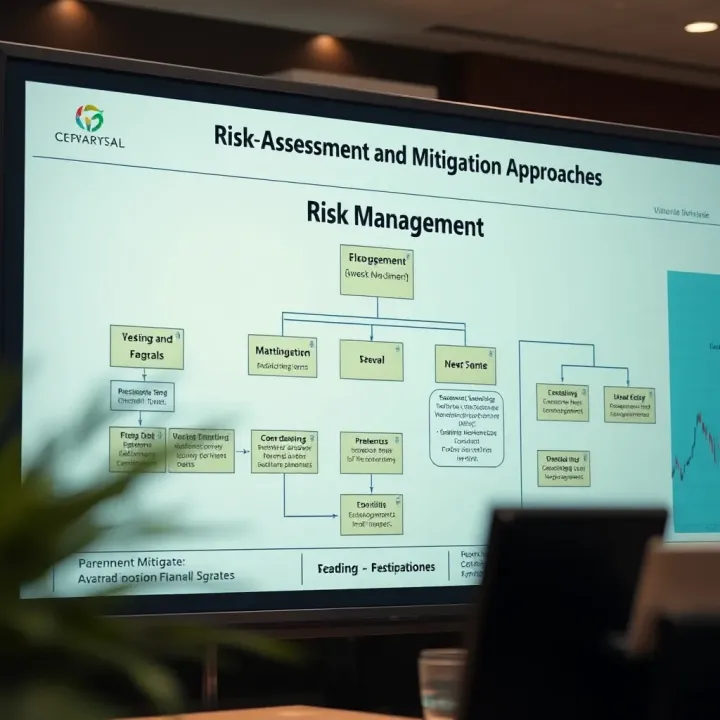
📊 Discover key risk management types crucial for safeguarding your assets and improving decisions amid Nigeria’s fast-changing business and personal landscape. 🔐
Based on 10 reviews