
Understanding Forex Trading Basics for Nigerians
Learn forex trading essentials in Nigeria 🇳🇬: understand markets, trading strategies, broker choices, risks & platforms to make profit from currency exchange rates ₦.
Edited By
Emily Whitaker
Forex trading is steadily gaining traction in Nigeria as more individuals look to diversify income and tap into global markets. However, succeeding in this market requires more than luck; it demands solid knowledge, discipline, and the right skills. Forex trading certificates provide proof that a trader understands the mechanics, strategies, and risks involved.
These certificates often come from reputable international bodies like the Chartered Institute for Securities & Investment (CISI) or local providers who customise training to Nigerian market realities. By completing such programmes, traders gain confidence and credibility, especially when dealing with brokers or seeking partnership opportunities.
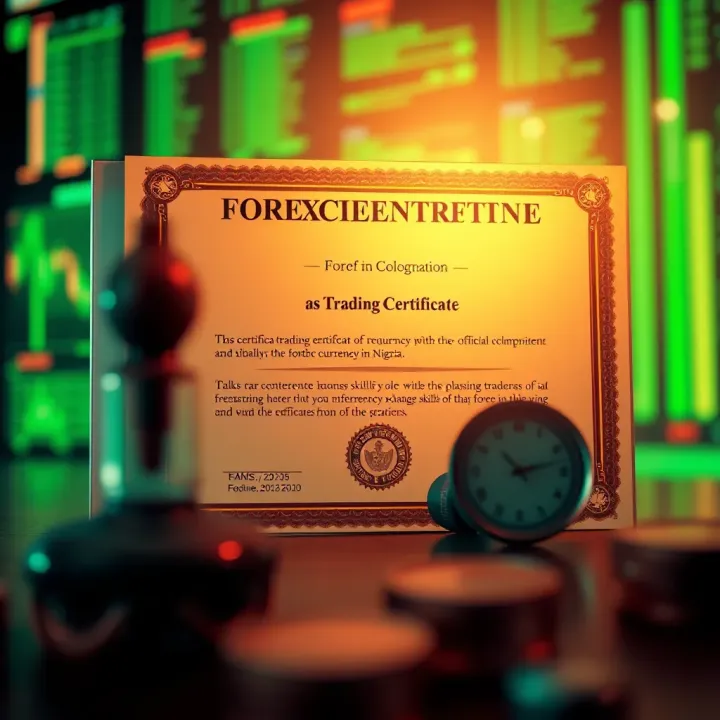
Obtaining a recognised forex trading certificate is not just about adding a credential; it shows your commitment to professionalism and readiness to navigate complex currency markets.
In Nigeria, where the Central Bank's forex policies and naira volatility affect trading, having formal certification can improve decision-making and risk management. Well-informed traders are better prepared to interpret global economic indicators and local factors affecting currency pairs.
Choosing the right certificate depends on your goals—whether you are a beginner needing foundational knowledge or an experienced trader wanting advanced techniques and regulatory understanding. Certificates also vary in cost and delivery format, with online courses from platforms like Coursera or Udemy offering affordable access, while in-person classes provide hands-on experience.
Practical steps to obtaining a forex trading certificate include:
Researching accredited programmes recognised by financial bodies
Assessing course curriculum relevance to Nigerian forex trading conditions
Considering instructors’ experience and track record
Preparing for exams or assessments to validate your skills
Ultimately, forex trading certificates can serve as a useful tool to improve your trading success and open doors within Nigeria’s growing forex community. The next sections will detail how exactly you can get certified, the benefits involved, and which providers Nigerian traders should trust.
A forex trading certificate is a formal acknowledgment that a trader has acquired a certain level of knowledge and skill in forex trading. In Nigeria's growing forex market, this certificate helps traders distinguish themselves, demonstrating competence to brokers, investors, and potential clients. Beyond just a paper, it represents practical know-how in areas like market analysis, risk management, and trading strategies.
Obtaining such a certificate means a trader is better equipped to navigate the volatile foreign exchange market. For example, a beginner who completes a certified training course gains a clearer understanding of how global events affect currency pairs, rather than relying on guesswork or hearsay. This knowledge often translates to smarter decisions and potentially better returns.
A forex trading certificate is issued after completing a recognised training or educational programme focused on foreign exchange markets. Its purpose is to confirm that a trader understands key concepts such as technical and fundamental analysis, order types, leverage, and margin requirements. It also serves to instil discipline and ethical trading practices.
In Nigeria, where forex trading has attracted many due to the prospect of quick profits, a certificate helps separate serious traders from casual gamblers. For instance, traders equipped with certification tend to apply systematic approaches rather than impulsive actions, which often lead to losses.
While often confused, certification and licence serve different functions in forex trading. A certificate shows that an individual has undergone training and demonstrated knowledge. A licence, on the other hand, is a legal authorisation issued by regulatory bodies to operate as a forex broker or financial service provider.
For example, a Nigerian trader may hold a forex trading certificate from an educational institution, but this does not grant them the licence to operate a brokerage firm. That licence comes from organisations like the Securities and Exchange Commission (SEC) Nigeria.
It is essential to understand that certification validates trading skills, while licensing ensures compliance with legal and regulatory requirements.
In practice, a trader in Nigeria benefits greatly from certification by gaining credibility and reducing costly mistakes. Yet, brokers functioning legally must possess proper licences issued by Nigerian authorities.
Overall, a forex trading certificate in Nigeria marks a trader’s commitment to professional growth and improves their chances of success in a competitive market. It equips them with knowledge and practical skills that everyday observation alone seldom provides.
Forex trading certificates offer more than just a framed paper to hang in your office. In Nigeria’s growing forex market, certification can help traders stand out and navigate the complex world of foreign exchange more effectively.
A forex trading certificate boosts your professional image among brokers, investors, and clients. Given Nigeria’s forex scene sometimes struggles with trust issues due to scams and unregulated operators, a recognised certificate assures others that you understand market principles and ethical trading. For instance, a trader with certification from a reputable body like the Chartered Institute of Stockbrokers Nigeria (CIS) or an international organisation can more easily build relationships with local brokers and fintech platforms, which often require proof of competence before onboarding.
Certification programmes typically go beyond basics, covering technical analysis, risk management, and market regulations. This formal training refines your decision-making skills and deepens your grasp of market dynamics, which is crucial in Nigeria’s volatile naira exchange and rapidly shifting global conditions. Rather than learning through trial and error with costly mistakes, certified traders benefit from structured knowledge that helps avoid common pitfalls and develop strategies tailored to the Nigerian market.
With certification, traders often unlock access to exclusive trading platforms, brokerages, or even partnerships that demand proof of expertise. Some financial institutions and private equity firms in Nigeria prefer certified traders for managing client funds or advising on forex investments. Moreover, certification can be a gateway to higher trading limits, more competitive spreads, or access to advanced trading tools and data subscriptions, which uncredentialed traders might find hard to secure.
Obtaining a forex trading certificate is more than a formality; it paves the way for credibility, improved skills, and real trading advantages in Nigeria’s dynamic forex market.
By investing in certification, Nigerian traders set themselves apart from casual or inexperienced participants, enhancing their chances of sustainable success and growth.
Getting a forex trading certificate in Nigeria involves a clear process backed by structured training and compliance with specific requirements. This certificate not only confirms your trading knowledge but also helps open doors in a market that demands trust and proven competence.
Several Nigerian institutions and online platforms offer training tailored to forex trading. For instance, the Nigerian Institute of Financial Markets (NIFM) provides courses covering forex fundamentals, technical analysis, and risk management. Additionally, platforms like Coursera and Udemy host certified forex trading courses with global recognition. Practical workshops, such as those offered by local trading schools like Bullvest Academy or FXTM Trading Academy, provide hands-on experience that is highly valuable in understanding live market conditions.
Choosing the right programme depends on your experience level. Beginners can start with foundational courses on exchange basics, while experienced traders may opt for advanced courses focusing on algorithmic trading or strategy optimisation. Practical examples from Nigerian market conditions, such as managing naira volatility, are often integrated into these courses to give local perspective.
Generally, there are no strict prerequisites for enrolling in a forex trading certification programme in Nigeria, making it accessible for anyone interested. However, some advanced courses may require prior knowledge of financial markets or basic understanding of trading principles.
Course durations vary — introductory courses usually last between 4 to 8 weeks if done part-time, while more comprehensive certifications can run for up to 3 months. The structure typically includes a mix of video lectures, quizzes, live demos, and project submissions.
Completion involves passing an exam that tests theoretical understanding and practical application. Some providers also require submitting a trading journal or live trade reviews to validate skill mastery.
The cost of forex trading certificates in Nigeria ranges widely depending on the provider and course intensity. Local institutions often charge between ₦50,000 to ₦150,000 for full certification packages, which include materials and exam fees. International or online platforms may charge from $100 (about ₦45,000) up to $500 (₦225,000), reflecting global recognition and additional resources.
To ease financial strain, some Nigerian training centres offer instalment payment plans or scholarships for promising candidates. Additionally, fintech lending platforms like Renmoney or Carbon could provide small loans tailored to education or skill acquisition purposes.
Obtaining a forex trading certificate is an investment in your competence and credibility. Carefully select a reputable training provider, consider the course relevance to the Nigerian market, and plan your finances prudently to maximise the benefits of certification.
Securing this certificate will better position you against unlicensed operators and improve your chances of succeeding in Nigeria's growing forex market.
In Nigeria's bustling forex market, getting certified through recognised bodies is not just about adding a fancy title. These organisations and providers ensure the certificate you hold has real value and reflects genuine expertise. Traders must choose certification paths linked to reputable institutions to avoid wasting money on dubious courses.
Several Nigerian centres offer forex trading certification, blending local market realities with global standards. For instance, the Lagos Business School, part of Pan-Atlantic University, provides executive courses that cover forex trading basics along with risk management and compliance within Nigeria’s regulatory framework. Such programmes often appeal to traders wanting hands-on knowledge relevant to the naira-forex dynamics and CBN policies.
Another practical example is the Nigeria Institute of Financial Markets (NIFM), which offers short courses and workshops tailored for aspiring forex traders. These centres usually charge between ₦50,000 and ₦150,000, making them accessible for many Nigerians. They also provide networking opportunities with local brokers and analysts who understand the unique challenges of Nigerian forex trading, such as naira volatility and power supply interruptions.
Going for certification from international bodies like the Chartered Market Technician (CMT) Association, Forex Traders Organisation (FTO), or the International Federation of Technical Analysts (IFTA) brings global recognition. Their programmes dive deeper into technical analysis, economic fundamentals, and advanced trading strategies. This type of certification often holds sway outside Nigeria, beneficial for traders keen on global markets or working with multinational firms.
However, these courses are usually costlier, ranging from $500 to $3,000, and sometimes have strict prerequisites. For Nigerian traders, the added cost and the need for international experience might be barriers, but the exposure and credibility gained are worth considering, especially for career professionals.
The rise of online platforms has transformed access to forex education. Platforms like Coursera, Udemy, and Investopedia Academy offer forex trading courses led by industry experts. Notably, providers such as Babypips have become well-known for beginner- to intermediate-level content that balances practical insights with affordability.
Online certification is great for Nigerians juggling multiple commitments, providing flexible scheduling and diverse course options. However, it’s crucial to vet the platform’s credibility and the instructors’ backgrounds. Some online courses might lack Nigeria-specific content, so complementing online learning with local market insights is recommended.
Getting certified through recognised bodies—whether local, international, or online—adds layers of trust and expertise, helping Nigerian traders navigate the forex market with confidence. It also signals professionalism to brokers and investors, which can unlock better trading opportunities.
Overall, Nigerian forex traders should weigh costs, content relevance, and recognition when choosing where to get certified. Combining local context with sound technical knowledge offers the best path to success in Nigeria’s evolving forex landscape.
Navigating the forex trading scene in Nigeria requires more than just technical know-how; traders must understand certain key factors that affect their success and security. This section covers crucial considerations such as the legal landscape, spotting scams, and the importance of continual learning. These points ensure traders protect their investments and stay competitive.
Forex trading in Nigeria operates under regulatory oversight primarily from the Securities and Exchange Commission (SEC) and the Central Bank of Nigeria (CBN). These institutions enforce rules to protect investors and maintain market integrity. For example, only brokers registered with SEC are allowed to operate legally, while forex dealers must comply with CBN policies, including foreign exchange controls.
Many Nigerian traders overlook the necessity of verifying a broker's licence before trading, which exposes them to unnecessary risks. Some brokers claim to be regulated internationally, but verification through Nigerian authorities is essential. A legitimate forex trader should also be aware of restrictions on currency flows imposed by CBN to avoid compliance issues.
There has been a surge in fraudulent schemes and fake certifications in the Nigerian forex space. Unscrupulous operators offer ‘certificates’ promising guaranteed profits or exclusive trading secrets, but these lack any real value.
To protect yourself, always confirm certification with recognised bodies or institutions. Genuine certificates come from established training centres or internationally recognised organisations, such as the Chartered Institute of Securities and Investment (CISI) or the International Forex Organization (IFO). Beware of unsolicited offers or quick-fix certifications that are “too good to be true”. Many times, victims realise their ‘certificates’ are worthless when facing regulatory issues or losses.
Verifying certificates and licences before engaging with a trader or institution can prevent huge financial and legal headaches.
Forex markets are volatile and fast-changing due to global economic shifts, policy changes, and new technologies. For Nigerian traders, staying updated is not optional but necessary.
Courses and certifications provide a foundation, but traders must keep learning through webinars, market analysis reports, and reputable trading communities. The emergence of algorithmic trading and AI tools means yesterday’s knowledge may soon become obsolete. For instance, many Nigerian traders have shifted to using platforms like MetaTrader 5 or integrating APIs from local fintech firms for better market data.
Engaging with continuous professional development programs and subscribing to financial news outlets like BusinessDay or Nairametrics can sharpen trading strategies. Also, understanding how local factors like naira volatility or fuel subsidy decisions impact currency markets offers an edge.
In sum, respecting regulatory limits, avoiding shortcuts through fake certificates, and adopting a habit of ongoing learning can equip Nigerian forex traders for a profitable future.
Learn forex trading essentials in Nigeria 🇳🇬: understand markets, trading strategies, broker choices, risks & platforms to make profit from currency exchange rates ₦.
📉 Discover how forex trading signals guide Nigerian traders to spot real opportunities in volatile markets. Learn trusted sources, types of signals, and risk tips to grow your ₦ safely.
Discover practical tips on navigating Forex Trading Majalahtaujih in Nigeria 🇳🇬. Manage risks, access local platforms, and thrive in the ₦ market effectively 💹.
Learn how to trade forex in Nigeria 🇳🇬 with this practical guide — explore currency markets, risks, trading platforms, and factors affecting exchange rates in naira trading.
Based on 5 reviews