
How to Learn Forex Trading: Guide for Nigerians
📈 Learn forex trading basics, find reliable brokers, master strategies, and manage risks effectively in Nigeria's vibrant forex market. Start making savvy trades today! 💱
Edited By
Emily Thompson
Forex trading has gained traction among Nigerians seeking additional income sources and financial independence. With the internet, engaging in the foreign exchange market from anywhere in Nigeria is possible, provided you understand how to navigate the complexities involved.
Starting forex trading online isn’t a matter of luck or guesswork. It requires solid information, reliable tools, and practical steps tailored to the Nigerian market and economic conditions. Many beginners get overwhelmed by jargon or fall prey to unreliable platforms promising quick riches. This guide strips away the confusion and lays out clear ways to learn forex trading effectively.
To kick off, you should focus on credible online learning resources. Platforms like Babypips provide free courses that break down forex basics in a straightforward manner without unnecessary fluff. It helps to watch tutorial videos, join active forums, or follow experienced Nigerian traders on social media. Real-life examples from local traders clarify concepts like leverage, pips, and currency pairs.
Next, pick a trustworthy broker regulated by recognised bodies, preferably with a solid reputation among Nigerian users. The broker should support naira deposits and withdrawals, offer transparent fees, and have responsive customer service. Examples include brokers partnered with Nigerian banks or fintech services such as Paystack or Flutterwave.
Understanding market fundamentals is key. Learn how economic indicators like Nigeria’s inflation rate, interest rates set by the Central Bank of Nigeria (CBN), and geopolitical events impact currency values. Awareness of naira volatility versus the dollar or euro is essential for accurate market predictions.
Risk management must go hand in hand with strategy development. Even the best trade can backfire without proper stop-loss settings or capital allocation. You should practise on demo accounts before investing real money, gaining hands-on experience without financial stress.
Remember, forex trading is not a get-rich-quick scheme. Dedication, ongoing education, and disciplined trading are what separate successful traders from those who lose out.
In summary, beginning with quality education, selecting the right broker, understanding Nigeria’s economic influences, and practising disciplined risk management lay the foundation for profitable forex trading online. This approach sharpens your skills and keeps you prepared for Nigeria’s unique trading environment.
Understanding the fundamentals of forex trading is vital for anyone serious about entering the market, especially for Nigerians aiming to take advantage of online trading opportunities. Without a solid grasp of the basics, traders risk losing capital or making poor decisions. These essentials include knowing what forex trading entails, how currency pairs function, and understanding the market’s operating hours and participants.
Forex trading, simply put, is the exchange of one currency for another in a global market. Markets like this operate 24 hours daily during weekdays, which offers traders flexibility to enter or exit trades anytime — a key advantage for Nigerians balancing work and trading.
Practically, forex trading means speculating on whether a currency’s value will rise or fall compared to another. This speculation happens through currency pairs. For instance, if you believe the US dollar (USD) will strengthen against the Nigerian naira (NGN), you’d buy the USD/NGN pair.
Currency pairs represent the value of one currency relative to another. The first in the pair is the base currency; the second is the quote currency. When trading EUR/USD, the euro is the base, and the US dollar is the quote. If the pair price is 1.20, it means 1 euro equals 1.20 US dollars.
For a Nigerian trader, this concept means understanding which currencies to watch and trade. Major pairs like USD/NGN or EUR/USD often have better liquidity and more predictable movements compared to exotic pairs, making them more suitable for beginners.
Forex operates on a global scale, opening Monday morning in Asia and closing by Friday evening in New York. This means the market never truly sleeps during weekdays, allowing Nigerian traders to pick trading hours that fit their schedules.
Market activities are driven by participants including central banks, commercial banks, multinational corporations, hedge funds, and retail traders. Knowing who moves the market helps in anticipating trends. For instance, announcements from the Central Bank of Nigeria (CBN) can significantly impact the naira's value.
Understanding leverage and margin is crucial. Leverage lets you control a larger position than your actual investment, meaning ₦10,000 with 100:1 leverage can control ₦1,000,000 in the market. However, while leverage can magnify profits, it also increases potential losses, so it must be used with caution.
Spread and pip value determine the cost and profit potential per trade. The spread is the difference between the buying and selling price. For example, if USD/NGN has a spread of 5 pips, you need the price to move at least 5 pips in your favour to break even. A pip typically represents the smallest price change, and knowing how to calculate pip values helps you manage risk effectively.
Forex orders come in different types, each serving a purpose. A market order executes immediately at the current price, suitable for quick trades. Limit orders set a desired entry or exit price, ensuring you only trade at favourable rates. Meanwhile, stop-loss orders help protect your capital by automatically closing a losing position at a pre-set level.
Grasping these basics builds a strong foundation, increasing your chance of success in forex trading while protecting you from unnecessary risks. For Nigerians, this knowledge also helps navigate our unique market conditions, including naira fluctuations and local broker regulations.
This foundation will prepare you to explore more advanced strategies and tools in the remaining parts of this guide.
Selecting reliable online learning platforms and tools is a key step for Nigerians starting forex trading. The right resources equip you with solid knowledge and practical skills, reducing costly mistakes. In a landscape crowded with dubious brokers and overwhelming information, a clear focus on trusted sources and user-friendly tools makes all the difference.
When choosing a broker in Nigeria, credibility must come first. Always check if the broker is registered with the Securities and Exchange Commission (SEC) Nigeria or other recognized regulatory bodies. This ensures some level of oversight and protection. Also, examine their trading conditions such as minimum deposit, spreads, and withdrawal ease. For instance, a broker offering high leverage without proper risk warnings might be a red flag.
Platforms offering both free and paid forex courses help sharpen your understanding. Websites like FX Academy and BabyPips provide beginner-friendly lessons at no cost. Meanwhile, paid courses from well-reviewed providers can offer deeper insights and mentorship. The practical benefit of combining these resources is that you learn the basics thoroughly before moving on to advanced strategies.
Demo accounts play a vital role in practice. They simulate live trading without risking real money, allowing you to test strategies and get comfortable with the platform’s interface. Nigerian traders often overlook this step and jump straight into live trading, only to lose due to unfamiliarity. Demo accounts let you build confidence gradually, which is crucial given the market’s fast pace.
MetaTrader 4 (MT4) and MetaTrader 5 (MT5) are the most popular trading platforms worldwide, including Nigeria. Their widespread use is due to a user-friendly design, extensive charting features, and support for automated trading. MT4 is sufficient for most beginners, while MT5 offers more advanced tools and asset options, helping you scale your skills with ease.
Charting and analysis tools help you make informed trading decisions rather than guessing. Tools like TradingView offer versatile charting with indicators like RSI, moving averages, and Fibonacci retracement. Understanding these tools aids in spotting trends and potential entry or exit points.
Specific apps tailored for Nigerians, such as OPay’s trading platform and Bamboo, combine forex trading with localised payment solutions and customer support. These apps often accommodate constraints like power outages and internet instability by optimising data use and providing quick fund access. Using such locally adapted platforms smoothens the trading experience, especially when compared to generic foreign apps.
Choosing the right mix of educational sites, demo tools, and trading software prevents costly trial-and-error and sets you up for steady progress in forex trading.
By investing time in selecting credible brokers, well-structured courses, and reliable tools suited for Nigerian conditions, you improve your chances for consistent success in the currency market.
Creating a solid trading strategy paired with understanding market analysis is essential for success in forex trading. Without these, trading becomes a game of chance rather than skill. For Nigerian traders, this approach helps manage limited capital wisely and navigates the volatile forex market more confidently.
Economic indicators such as inflation rates, unemployment figures, and GDP growth strongly influence currency values. For instance, if Nigeria releases a weaker GDP growth report compared to expectations, the naira might weaken against the dollar as investors seek more stable currencies. Keeping an eye on these reports helps traders anticipate currency moves, giving them a better shot at timing their trades.
Central banks set interest rates and manage monetary policy, both of which impact currency strength. When the Central Bank of Nigeria (CBN) raises interest rates, it often attracts foreign investment, pushing the naira’s value up. Conversely, rate cuts can trigger depreciation. Traders who understand these policy shifts can position their trades accordingly, avoiding surprises when the CBN announces its monthly monetary policy decisions.
News events like geopolitical tensions, trade agreements, or oil price changes can cause quick swings in forex markets. For Nigerian traders, the global oil market is particularly relevant since Nigeria’s economy depends heavily on crude exports. Sudden drops in oil prices might weaken the naira, while positive trade talks between Nigeria and other countries can strengthen it. Staying updated through reliable financial news sources helps traders react promptly.
Candlestick charts display price movements clearly, showing opening, closing, high, and low prices for a specific period. Understanding these candles helps traders spot market trends and potential reversals. For example, a "hammer" candle might indicate a price bottom and signal a buying opportunity, which is useful when trading pairs like USD/NGN.
Indicators such as the Relative Strength Index (RSI) show if a currency is overbought or oversold, hinting at possible trend reversals. Moving averages smooth out price data to identify direction. Combining these tools helps Nigerian traders confirm trade entries or exits, reducing guesswork during volatile sessions.
Patterns like head and shoulders, double tops, or flags often signal continuation or reversal of trends. Spotting these shapes can give early warnings before the market moves sharply. For example, an ascending triangle pattern on the EUR/USD chart might suggest a bullish breakout, guiding traders to open buy positions.
Clear goals give direction, and knowing your risk tolerance protects capital. For instance, aiming for daily gains of 1% might be a practical target while risking no more than 2% of your trading account per trade. This approach limits losses, especially for beginners managing ₦50,000 or less.
Testing your strategy over past market data or on demo platforms ensures it works before risking real money. Nigerian traders can use demo accounts on platforms like MetaTrader to simulate trades during various market conditions, improving confidence and refining tactics without financial risk.
Recording trades, reasons for entry and exit, and outcomes highlights what works and what needs improvement. Reviewing this journal regularly helps Nigerians avoid repeating mistakes, stay disciplined, and track progress over time.
Developing your strategy and understanding market analysis isn’t an overnight task, but it builds the foundation for consistent trading. Combining fundamental insight with technical tools offers a balanced, practical way to approach the forex market from home in Nigeria.
Managing risks is the backbone of successful forex trading, especially for Nigerian traders who often face unique challenges. Without proper risk control, a single bad trade can wipe out significant capital, risking financial stability. Protecting your money lets you stay in the game longer and learn steadily, so you can build skill and confidence over time.
Using stop-loss and take-profit orders helps traders lock in profits and limit losses without constant monitoring. A stop-loss sets a maximum loss amount by automatically closing a trade if the price moves unfavourably, while a take-profit locks in gains at a set target. For example, if you buy EUR/USD at 1.2000, setting a stop-loss at 1.1950 caps your loss at 50 pips, preventing larger damage if the market turns against you.
Stop-loss and take-profit orders provide discipline, removing emotions from decision-making and shielding your capital from unexpected swings common in volatile markets.
Calculating position sizes properly ensures you don’t risk too much on one trade. This involves determining how many lots or units to trade based on your account balance and acceptable risk per trade, often 1-2% of your total capital. If your account is ₦100,000, risking 1% means you should not lose more than ₦1,000 on any single trade.
By sizing trades according to your risk tolerance, you avoid putting all your eggs in one basket and reduce the chance of deep losses that could wipe out your account.
Diversifying trades to limit losses means spreading your investments across different currency pairs or trading strategies. This approach reduces the impact when one trade goes bad because gains from other positions may offset it. For instance, trading both USD/NGN and GBP/USD can cushion losses caused by specific factors affecting either currency pair.
Diversification prevents overexposure to a single market event and balances your portfolio to maintain steadier performance over time.
Beware of scams and fraudsters is a vital warning in Nigeria’s growing forex space. Many unregulated brokers and shady schemes promise quick profits but disappear with your money. Always verify brokers through regulators like the Securities and Exchange Commission (SEC) Nigeria, check reviews, and avoid grand claims with little proof.
One common scam involves high-pressure sales calls offering “guaranteed” returns, so stay sceptical and do thorough research.
Dealing with internet reliability and power challenges is a daily reality in Nigeria. Unstable electricity and slow internet can cause missed trade opportunities or inability to close losing positions in time, leading to bigger losses. Having backup power sources like solar chargers or generators, and choosing data plans with reliable coverage helps keep your system running smoothly.
Also, trading on platforms that work well on mobile with low data use can reduce downtime.
Staying disciplined to prevent emotional trading is essential. Many beginners fall into the trap of chasing losses or making impulsive trades based on fear or greed. Develop a trading routine and stick to your plan, using stop-losses and realistic targets.
Remember, consistency beats occasional big wins. Journaling your trades helps spot emotional triggers, allowing you to improve behaviour and sharpen decision-making over time.
Managing your risks and protecting your capital are not optional in forex trading—they are what separate successful traders from those who lose their money quickly. Nigerian traders face additional hurdles, but good risk habits and awareness keep you ahead of the curve.
By mastering risk controls, you keep your ₦ safely employed and set a foundation for steady growth in forex trading.
Gaining access to support networks and continuously expanding your forex knowledge is vital for success, especially for Nigerian traders who face unique challenges like fluctuating internet connectivity and variable power supply. Engaging with experienced communities and keeping up with market changes can sharpen your strategy, boost confidence, and protect you from common pitfalls.
Forums and social media groups for Nigerian traders offer platforms where you can share insights and ask questions in real time. Groups on Facebook and Telegram dedicated to Nigerian forex enthusiasts serve as hubs for discussing local market conditions, broker recommendations, and regulatory updates. These communities help you avoid scams and gain practical advice tailored to Nigeria’s trading environment.
Webinars and live trading sessions provide practical, up-to-date learning experiences by allowing you to see professional traders navigate the markets live. Participating in sessions hosted by reputable brokers or forex educators helps you grasp new strategies and market reactions as they unfold, an edge that textbooks alone can’t provide. Many Nigerian traders have found value in webinars from MTN Bizpreneur or GTBank’s trade education initiatives.
Networking with experienced traders can open doors to mentorship and real-world advice that’s often missing in online courses. Building relationships through local meetups or online platforms like LinkedIn can connect you with veterans willing to share stories of wins and losses. This interaction is invaluable for navigating the psychological and practical challenges unique to forex trading in Nigeria.
Books and online courses to consider offer structured paths to deepen your understanding beyond initial basics. Titles such as "Currency Trading for Dummies" and Nigerian market-specific courses on platforms like Coursera or Udemy provide foundational and advanced topics. These resources fit around your schedule and can be revisited whenever market circumstances evolve.
Tracking market trends regularly is essential to stay ahead. Nigerian traders should pay attention to global and local economic news—like CBN monetary policies, fuel subsidy decisions, or NAFTA trade talks—that can quickly shift currency values. Using apps or websites focused on financial news helps you spot opportunities or risks before making trades.
Using trading simulators for practice enables you to test strategies without risking real money. Demo accounts linked to simulators allow you to experience live market mechanics and experiment with different tools, all in a risk-free environment. Consistent practice builds the kind of muscle memory necessary for confidence, especially when the naira-dollar exchange rate swings unexpectedly.
Regular engagement with communities and continual skill-building set the foundation for lasting success in forex trading. While the learning curve may seem steep, Nigerian traders who harness these resources stand a better chance of turning knowledge into consistent profits.
📈 Learn forex trading basics, find reliable brokers, master strategies, and manage risks effectively in Nigeria's vibrant forex market. Start making savvy trades today! 💱

Start your forex trading journey with a clear guide designed for Nigerian traders 🇳🇬. Learn market operation, account types, platforms, and risk tips to trade confidently.
🌍 Master forex trading formats in Nigeria with clear guidance on quotes, orders, platforms, and market info to trade confidently and make informed decisions. 💹
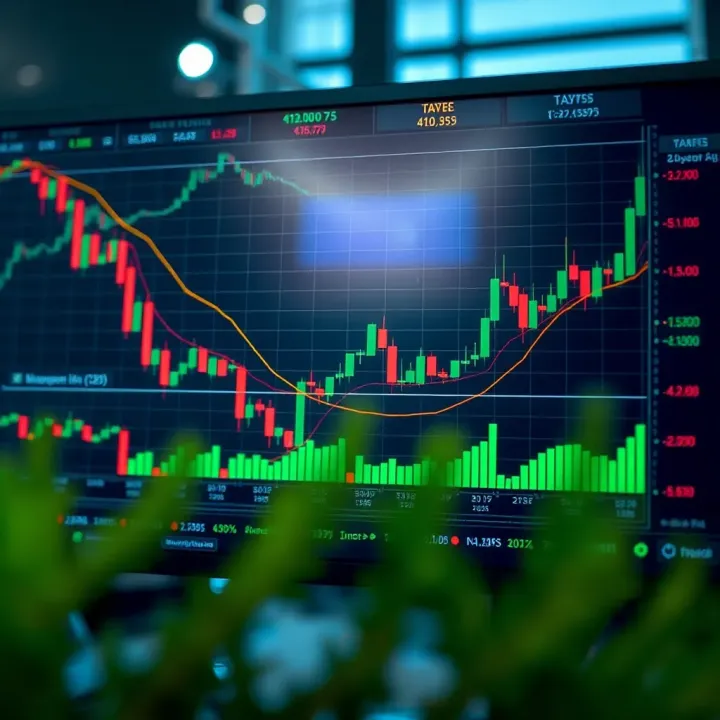
📈 Explore forex trading basics, learn how Nigeria's forex market operates, understand key terms, trading tactics, plus solid risk management for confident ₦ trades.
Based on 11 reviews