
Understanding Forex Trading for Nigerian Investors
📈 Understand forex trading in Nigeria: learn currency pairs, platform choices, risk tactics & how global and local events affect your ₦investments. Start smart today!
Forex trading is the buying and selling of currencies on the foreign exchange market, aiming to profit from changes in exchange rates. For Nigerian investors, this market offers a chance to diversify portfolios beyond local assets like equities or real estate.
Unlike stock trading, forex operates 24 hours a day across different time zones, meaning trades can happen anytime from Lagos to London to New York. The market is vast — daily turnover exceeds $6 trillion worldwide — making it one of the most liquid markets available.
To get started, you need a forex broker registered with the Nigerian Securities and Exchange Commission (SEC) or operating under clear regulation abroad. Popular platforms include MetaTrader 4 and 5, alongside Nigerian fintech players such as FXTM and Vertext Forex, which tailor services to local investors.
Understanding currency pairs is crucial. For example, the USD/NGN pair shows how many naira one US dollar can buy. If you expect the naira to weaken against the dollar due to factors like inflation or oil price shocks, you might buy USD/NGN hoping to sell later at a profit when the exchange rate rises.
Forex trading carries risks, including leverage effects that can amplify losses. It’s essential to start with a solid strategy, risk management tools like stop-loss orders, and continually keep track of economic indicators such as Central Bank of Nigeria (CBN) policies, electoral events, or global oil prices that affect the naira’s value.
In Nigeria, forex trading has become accessible not just to banks and corporates but to retail investors, thanks to technology and mobile internet. However, scams are a concern, so verifying broker credentials and reading reviews is key.
Practical tips:
Open a demo account first to practise without real money.
Keep track of the CBN’s latest monetary policy and naira exchange rate movements.
Follow relevant news on global commodity prices and geopolitical events.
By understanding how the forex market reacts to Nigeria’s unique economic landscape, you stand a better chance to make informed, timely decisions that protect and grow your ₦ investment.
Starting with the basics helps you grasp what forex trading really means and why it matters, especially for Nigerian investors navigating an often volatile market. Without a clear understanding of forex and its unique workings, it's easy to make mistakes that could cost you money. This section unpacks the foundation you need to trade currencies confidently and smartly.
Forex trading is the buying and selling of currencies on the foreign exchange market with the aim of making a profit. For instance, if you expect the US dollar to strengthen against the Nigerian naira, you might buy USD/NGN, hoping to sell later at a better rate. This market is the largest and most liquid in the world, with daily trading volumes hitting trillions of dollars.
Beyond mere speculation, forex is important for businesses and governments dealing with cross-border transactions, like Nigerian exporters converting dollar earnings back to naira or importers paying foreign suppliers.
Unlike stock markets where you buy shares, forex involves trading currency pairs. The forex market never sleeps; it runs 24 hours a day during weekdays, making it unlike the Nigerian Stock Exchange, which has fixed trading hours. Also, forex offers high leverage, meaning you can control large positions with relatively small capital. This advantage can boost profitability but also increases risk, calling for careful management.
Many actors play roles in the forex market, including banks, multinational corporations, hedge funds, central banks, brokers, and retail traders like you. For example, Nigeria's Central Bank frequently intervenes to stabilise naira exchange rates, which directly affects trading conditions.
Each participant has different motives—some trade to hedge risks, others to speculate, and some to facilitate international trade.
The forex market operates across four major sessions: Sydney, Tokyo, London, and New York. Since these sessions overlap, trading is continuous from Monday morning in Sydney to Friday evening in New York, without a break. For Nigerian traders, peak activity aligns with London and New York sessions, roughly from 8 am to 5 pm WAT, when most market-moving news happens.
Understanding these sessions helps you plan your trades better and avoid low-liquidity periods that increase price volatility and slippage.
Knowing when and who you’re trading with in the forex market makes all the difference to your strategy and success. Don’t trade blindly; understand the basics first.
By grounding yourself in these fundamental points, you set the stage to handle forex trading with realistic expectations and practical know-how tailored to the Nigerian context.
Understanding how currency prices are determined is central to making informed decisions in forex trading. Exchange rates fluctuate based on real-world events and economic fundamentals, so being aware of the underlying factors helps Nigerian investors anticipate market moves and better time their trades.
Economic indicators signal the health of a country's economy and heavily influence its currency value. Key reports such as GDP growth, inflation rates, employment figures, and trade balances directly affect traders' confidence in currencies. For example, if Nigeria’s inflation rate jumps unexpectedly, it can weaken the naira as purchasing power erodes. Conversely, steady GDP growth tends to boost a currency by attracting foreign investment, as investors seek stable and prosperous markets.
Political events also sway exchange rates by introducing uncertainty or confidence in a country’s future. During Nigeria’s recent elections, the naira experienced increased volatility as traders weighed the chances of policy continuity or changes that might impact foreign investments. Political stability usually strengthens a currency since it assures investors about the rule of law and economic governance. On the flip side, unrest or unpredictable policy shifts often trigger capital flight, weakening the local currency.
Market sentiment reflects the overall mood and attitudes of investors toward currencies, beyond pure data. Sometimes rumors, global news, or even social media chatter can shift sentiment and cause rapid price swings. For example, if traders collectively believe the US dollar will gain strength, they’ll buy USD assets, pushing up its value versus other currencies including the naira, regardless of immediate economic reports. In forex trading, understanding these psychological and speculative elements gives you an edge in anticipating short-term movements.
Central banks play a major role in shaping currency values through their monetary policies. The Central Bank of Nigeria (CBN) regularly adjusts policies like foreign exchange interventions and liquidity management to stabilise the naira. Globally, institutions like the US Federal Reserve also influence markets heavily; when the Fed signals a rate hike or asset purchase, traders adjust accordingly. Nigerian forex traders should keep an eye on CBN statements and global central bank moves since these can set the tone for currency trends.
Interest rates form the backbone of currency valuation because they dictate the returns investors can gain from holding assets denominated in that currency. If the CBN raises rates, the naira might strengthen as higher yields attract foreign capital seeking better returns. On the other hand, if rates drop to stimulate economic growth, the currency risk weakening due to lower investment appeal. This relationship explains why interest rate decisions often cause sharp forex market reactions, making them crucial events for traders to watch.
Understanding these core drivers allows Nigerian investors to interpret currency price movements with clarity, helping them spot opportunities and risks in the volatile forex market.
By grasping how economic indicators, political events, market sentiment, central bank policies, and interest rates affect currency prices, traders can navigate forex trading with better insight and control.
Grasping the key terms in forex trading gives Nigerian investors a significant edge, especially when entering this dynamic market. Understanding concepts like pips, lots, and leverage isn’t just about jargon — it helps you calculate potential profits and risks accurately, ensuring smarter trading decisions. Similarly, knowing various types of orders can sharpen your strategy and risk management.
A pip (short for "percentage in point") is the smallest change in the price of a currency pair. Most currency pairs are quoted to four decimal places, so one pip equals 0.0001 in price movement. For example, if the USD/NGN pair moves from 460.1500 to 460.1600, that 0.0001 increase is one pip. In real terms, this might seem tiny but, depending on your trade size, even a few pips can translate to meaningful gains or losses.
Forex trades in units called lots. A standard lot is 100,000 units of the base currency, while a mini lot is 10,000 units. When trading USD/NGN, buying one standard lot means you’re dealing with ₦100,000,000 worth of dollars, which is quite substantial. Mini lots allow newcomers or small-scale traders to participate with less capital, reducing exposure. Choosing the right lot size is crucial — it affects your profit potential and risk on each trade.
Leverage allows traders to control large positions with a small amount of capital. For instance, leverage of 50:1 means you can trade ₦5 million worth of dollars with just ₦100,000 in your account. While this can multiply profits quickly, it also amplifies losses. In Nigeria, brokers offer varied leverage; it’s wise to use it cautiously. Overusing leverage often leads to margin calls, wiping out accounts faster than expected.
A market order executes your buy or sell instruction immediately at the current price. It’s the simplest type and useful when you want to enter or exit trades quickly. However, in highly volatile markets like forex, the actual price might differ slightly from what you see due to fast-moving prices.
Limit orders let you buy or sell a currency pair at a specified price or better. For example, if USD/NGN is 460.50 but you want to buy at 460.30, a limit order will only trigger when the price drops to that level. Stop orders, conversely, activate when prices move past a certain point. A stop-loss order safeguards your trade by automatically closing it to prevent bigger losses.
Wise traders use a combination of these order types to control losses and lock in profits without watching the market constantly. For example, placing a stop-loss order limits how much you lose if the market moves against you, while take-profit orders can secure gains once the target price hits. Understanding how to set these orders in sync with your trading strategy is key to protecting your capital.
Mastering these terms and their practical uses can make a big difference in your forex trading journey. They provide tools to trade smarter, control risks, and navigate the fast-paced forex market more confidently.
Forex trading comes with notable risks that every Nigerian investor should grasp before diving in. Understanding these risks is key to managing your investments wisely and avoiding common mistakes that can drain your capital. In volatile markets, losses can pile up quickly if you're not prepared.
Currency prices can swing widely within minutes due to economic news or unexpected events. For example, during Nigeria’s recent inflation report release, the naira’s value changed sharply against the dollar. Such fluctuations can offer profit opportunities but also carry the danger of rapid losses if positions move against you. Traders new to forex must be mindful of how quickly the market can turn.
Margin calls and stop-outs happen when the market moves against a trader’s position, and their account no longer holds enough equity to support the open trades. Suppose you use leverage to trade ₦100,000 worth of currency with only ₦10,000 in your account; if prices shift unfavourably, your broker may require extra funds (margin call) or close positions automatically (stop-out) to limit losses. This mechanism protects both the trader and broker but can wipe out your funds without warning if not managed carefully.
Over-leveraging remains one of the biggest traps in forex trading. Many Nigerians are tempted to use high leverage to multiply gains, but this also multiplies losses. For instance, a 1% adverse price movement on a highly leveraged trade can erase your entire deposit. Without strict risk management, over-leveraging turns a promising strategy into a costly gamble.
Lack of strategy means entering trades without clear rules or goals. Beginners often jump into the market after hearing about quick wins but fail to plan entry and exit points. This leads to erratic decision-making and inconsistency. Successful trading relies on tested strategies, whether based on technical indicators or fundamental analysis, to guide when to buy or sell.
Emotions in trading frequently cause losses. Fear might make traders exit profitable positions too early, while greed can lead to chasing losses or holding onto losing trades hoping the market will turn. Managing emotions through discipline, setting stop-loss levels, and sticking to your strategy helps curb impulsive moves that drain capital.
Remember, forex trading isn't a suya stand; it requires patience, discipline, and clear planning to survive and succeed, especially in Nigeria's fast-evolving economic environment.
By recognising these risks and pitfalls, Nigerian investors can adopt better trading habits, safeguarding their capital and improving chances for sustainable profits.
Jumping into forex trading without knowing the proper steps could land you in trouble. Nigerian investors need a solid foundation, especially because the market has its unique dynamics. Getting started right means choosing the right broker, understanding account setup, and finding tools that fit your trading style. This section breaks down these essentials to help you navigate the forex market confidently.
Regulation and licensing are fundamental when selecting a broker. In Nigeria, the Central Bank of Nigeria (CBN) and the Securities and Exchange Commission (SEC) oversee financial markets, including forex trading. Traders should ensure their broker holds relevant licences from recognised authorities, as this protects funds and guarantees fair trading practices. For instance, a broker registered with SEC Nigeria is more likely to follow local rules and offer some level of consumer protection.
Without proper regulation, you might fall victim to scams or poor conduct. A reliable broker should provide transparent information about their registration, and you should verify this information before investing.
Broker fees come in various forms but spreads and commissions are common. The spread is the difference between the buying and selling price of a currency pair. Brokers with tight spreads are generally more cost-effective, especially for active traders. However, some brokers charge commissions instead of wider spreads. It's crucial to compare these fees because they directly affect your profitability. For example, a broker charging a 2-pip spread on EUR/USD might seem cheap until costly commissions add up.
Setting up an account with a forex broker typically involves submitting identification like your National Identification Number (NIN) or passport, proof of address, and sometimes a photograph. This KYC (know your customer) process helps protect against fraud. After verification, you can access account types suited to beginners or seasoned traders. For example, a standard account might require a minimum deposit of ₦10,000, but this varies by broker.
Most brokers offer demo accounts, which are practice environments that mimic real trading without risking real money. They allow you to learn how to execute trades, test strategies, and get comfortable with the trading platform. This is especially useful if you’re new to the forex market or want to try a new approach before committing funds.
Funding and withdrawing money should be straightforward with Nigerian traders in mind. Many brokers now accept payments through local banks, digital wallets like OPay or PalmPay, and sometimes USSD codes. Quick, cost-effective fund transfers help you react swiftly to market moves. Similarly, withdrawing profits should be hassle-free; watch out for brokers with hidden fees or slow processing times.
Choosing popular trading platforms such as MetaTrader 4 (MT4), MetaTrader 5 (MT5), or cTrader matters because they offer reliability and widespread community support. These platforms provide essential features like advanced order types and charting, which are useful for analysis.
With internet data costs and erratic power supply in Nigeria, mobile trading options are invaluable. Most brokers support mobile versions of MT4 or MT5, enabling you to trade on the go using your smartphone. This flexibility means you don't miss trading opportunities just because you are away from your desktop or facing NEPA interruptions.
Good charting and analysis tools help spot trends and entry points. Integrated tools for technical indicators, trend lines, and candlestick patterns are vital. For example, many Nigerian traders rely on RSI (Relative Strength Index) or Bollinger Bands to decide when to buy or sell currencies. Access to real-time data combined with user-friendly charts is a must-have.
Starting forex trading correctly makes all the difference. Selecting a trusted broker, practising with demo accounts, and getting familiar with reliable platforms set you up far better than rushing into trades blindly.
This straightforward approach helps Nigerian investors protect their capital and increases the chances of trading success in the forex market.
Navigating the forex market safely means understanding the regulatory landscape and taking steps to protect your investments. In Nigeria, regulation plays a key role in keeping trading fair and reducing risks of fraud, especially because forex trading involves significant sums that can attract unscrupulous operators.
The Central Bank of Nigeria (CBN) is the main financial regulator charged with overseeing forex transactions in Nigeria. It issues guidelines that banks and authorised dealers must follow, especially concerning foreign currency dealings to stabilise the naira and curb capital flight. For Nigerian traders, this means that their brokers and platforms should comply with CBN rules to ensure legal operations. For instance, the CBN’s restriction on direct retail forex trading by banks helps protect investors by steering them towards regulated brokers who must meet strict capital and operational requirements.
This regulatory framework by CBN also matters because it affects how easily you can fund or withdraw from your forex account, considering currency controls in place. Keeping brokers within CBN’s purview reduces the risk of being stuck with locked funds due to unregulated forex services operating outside Nigeria’s financial ecosystem.
The Securities and Exchange Commission (SEC) Nigeria also plays a part by regulating forex brokers who offer trading as investment products to the public. The SEC demands transparency in trade execution and enforces licensing that confirms brokers’ credibility. For traders, working with SEC-registered brokers provides a layer of protection against mismanagement and fraud.
For example, SEC requires brokers to submit regular financial reports and comply with investor protection rules. These measures help ensure that the broker honour your trades and deposits, unlike rogue agents who vanish with client funds. SEC’s guidelines also include anti-money laundering policies, so legitimate forex market participation aligns with Nigeria’s broader financial integrity goals.
Forex trading attracts fraudsters who promise unrealistic returns to lure investors. Typical scams include unregulated brokerages offering guaranteed profits, Ponzi schemes disguising as trading funds, or fake trading apps that manipulate your account balance. Spotting these early is crucial to avoid losing your money.
Beware of brokers without verifiable registration with CBN or SEC and those who pressure for fast deposits or refuse transparent communication. Fake websites mimicking legitimate brokers or repeated cold calls promising insider tips are strong red flags. Nigerian regulators regularly issue warnings against such scams, but investors must stay alert as fraudsters constantly update their tactics.
To stay safe, always verify if your broker is registered with CBN or SEC. Test their customer service and check for clear terms describing fees, execution, and withdrawal processes. Using demo accounts can also help you assess platform authenticity without risking real money.
Keep your trading platform access details secret and use strong passwords to prevent hacking. Avoid high leverage offers that seem too good to be true — they increase loss risk significantly. Lastly, learning proper risk management and sticking to a solid trading plan will reduce chances of emotional decisions that scammers exploit.
Working within regulated frameworks and practising strong personal security measures is the best way to grow your forex investment safely in Nigeria.
📈 Understand forex trading in Nigeria: learn currency pairs, platform choices, risk tactics & how global and local events affect your ₦investments. Start smart today!
📈 Learn forex trading tailored for Nigerian investors. Master market basics, strategies, broker choices, and money management to trade forex confidently in Nigeria's unique market.
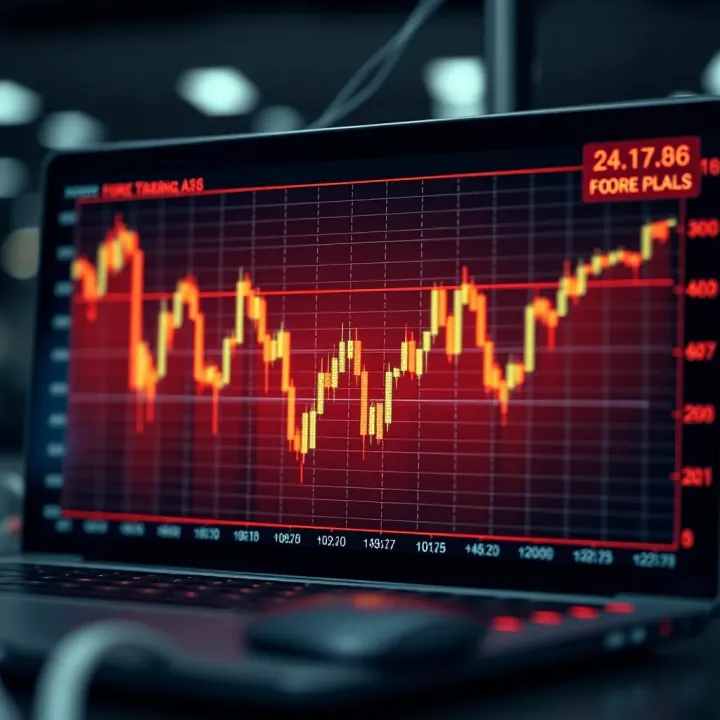
Explore forex trading benefits for Nigerian investors 🇳🇬 including easy access, high liquidity, leverage options, and portfolio diversification opportunities 📈💰
📈 Understand forex trading certificates in Nigeria, how they boost your credibility and skills, where to get them, plus tips for smart forex trading success 🇳🇬
Based on 5 reviews