
Basics of Forex Trading in Nigeria
📈 Explore forex trading basics, learn how Nigeria's forex market operates, understand key terms, trading tactics, plus solid risk management for confident ₦ trades.
Edited By
Jack Turner
Forex trading in Nigeria captures the attention of many traders and investors looking to profit from the currency market. This dynamic sector allows trading of currencies like the US dollar, euro, and the Nigerian naira (₦), with participants aiming to benefit from shifts in exchange rates. While attractive, forex trading comes with unique challenges, especially within the Nigerian context where currency volatility, regulatory policies, and fintech developments shape the landscape.
Understanding how forex trading operates locally is key before committing capital. The Central Bank of Nigeria (CBN) heavily influences the market through policies that affect naira liquidity and foreign exchange access. For instance, restrictions on dollar availability often lead to widened spreads and increased risk for traders relying on official rates.
Top forex platforms such as MetaTrader 4, MetaTrader 5, and local variants like Oanda Nigeria provide tools for chart analysis, leverage, and order execution. Yet, traders need to be wary of scams and unregulated brokers which are common pitfalls.
Successful forex trading in Nigeria demands not only knowledge of global markets but also an understanding of local factors like naira stability, CBN interventions, and fintech services such as Paystack and Flutterwave that facilitate fast transactions.
Prospective traders should follow these practical steps:
Research and verify brokers with proper licences from the Securities and Exchange Commission (SEC) or other regulatory bodies.
Start with demo accounts to practise without risking real money.
Stay updated on CBN forex policies and economic indicators influencing the naira.
Use risk management tools such as stop-loss orders to protect your investment.
Avoid over-leverage, which can exponentially increase losses.
Despite the challenges—like naira depreciation and occasional liquidity crunches—the forex market offers notable opportunities for diversification and profit if approached carefully. Nigerian fintech innovations also help reduce transaction costs and enhance access, making forex trading more viable for retail investors.
This article will lay out the essentials, spotlighting opportunities, possible risks, and best practices so you can trade forex confidently within Nigeria’s unique market environment.
Forex trading has become a significant area of interest for many Nigerians seeking to grow their wealth amid economic challenges. Understanding the basics and operational dynamics of forex trading within Nigeria is essential for anyone wishing to participate in this market effectively. This overview sets the stage by breaking down what forex trading entails, the global market’s size, and how Nigeria’s unique conditions shape trading activities.
Forex trading, or foreign exchange trading, involves buying and selling currencies to make a profit from fluctuations in their exchange rates. Essentially, traders speculate on whether one currency will strengthen or weaken against another. For example, a trader might buy US dollars with naira, hoping the dollar’s value will rise so they can sell it later at a higher price. This market operates 24 hours a day, allowing participants to react quickly to economic and political developments worldwide.
The global forex market is the largest financial market by volume, with daily trades exceeding $6 trillion. Its sheer size ensures high liquidity, meaning transactions can be executed quickly and at tight spreads. For Nigerian traders, this presents an opportunity to enter a vibrant market without worrying much about liquidity, unlike local stock exchanges which may be slower and less accessible.
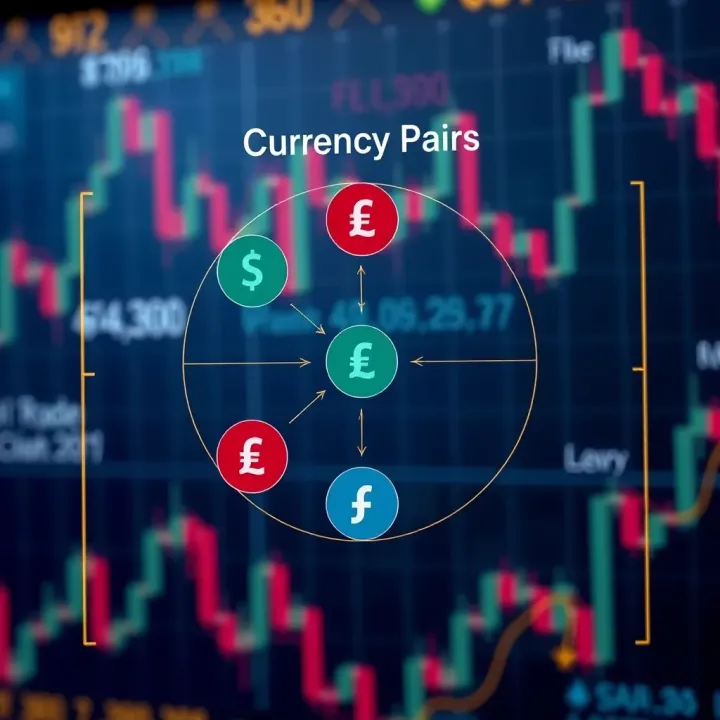
Currency pairs form the core of forex trading. They consist of a base currency and a quote currency (such as USD/NGN or EUR/USD). Traders make decisions based on how the value of one currency moves relative to the other. Understanding these pairs and their behaviour is crucial because not all pairs respond similarly to global or local events.
The naira plays a unique role in Nigeria’s forex landscape. Unlike major currencies, the naira experiences volatility influenced by factors such as inflation, government policies, and foreign exchange reserves. Traders must keep a close eye on Central Bank of Nigeria (CBN) announcements and market sentiments to manage risks effectively. For instance, a sudden CBN policy change regarding naira devaluation can trigger sharp movements in currency pairs involving the naira.
Nigerian traders often focus on major pairs like USD/NGN, EUR/USD, and GBP/USD because of their liquidity and relatively tighter spreads. USD/NGN is particularly popular because many Nigerians receive payments or make purchases in US dollars; hence, trading this pair can hedge against naira depreciation or speculate on its direction.
The forex market runs 24 hours a day, but the busiest and most active trading periods coincide with business hours in London and New York, the main financial centres. Nigerian traders benefit from overlapping hours, especially between 2 pm and 10 pm WAT (West Africa Time), when market activity peaks. Online access and mobile trading apps have made participation easier, even for those outside big cities, broadening inclusion.
Understanding the role of the naira and the timing of global markets will help Nigerian traders time their entries better and navigate the volatility inherent in forex.
By grasping these core concepts, traders in Nigeria can better prepare themselves to profit in a market full of possibilities but also marked by distinct local challenges.
Nigeria’s forex market operates under a structured regulatory framework designed to protect investors, ensure market transparency, and maintain currency stability. Understanding the roles of key regulatory bodies like the Central Bank of Nigeria (CBN) and the Securities and Exchange Commission (SEC) is crucial for anyone involved in forex trading within the country.
The CBN plays a significant role in shaping Nigeria’s forex trading environment through its monetary policies. It sets guidelines that influence liquidity, controls currency supply, and manages interest rates, all of which directly affect the forex market. For instance, the CBN’s policy on restricting certain forex transactions influences the availability of foreign exchange and impacts traders’ ability to access dollars for international trading.
Controls on foreign exchange are central to CBN’s strategy to stabilise the naira. The bank regulates access to forex through official channels like bureaux de change and authorised dealers to curb parallel market activities. These controls can sometimes limit traders' flexibility but aim to reduce currency volatility and discourage speculative trading practices.
Exchange rate management is another key responsibility of the CBN. By intervening in the forex market, the bank attempts to prevent sharp depreciation of the naira. This intervention impacts the prices at which currencies trade and helps create a more predictable environment for traders and businesses reliant on stable exchange rates. However, these moves can also introduce artificial pricing, pushing some traders towards parallel markets where rates may differ significantly.
The SEC oversees the licensing and regulation of forex brokers operating in Nigeria. Licencing ensures that brokers adhere to certain standards, including capital requirements and operational transparency. For traders, dealing with licensed brokers reduces risks related to fraud and malpractice, providing a safer trading environment.
Consumer protection rules enforced by the SEC compel brokers to maintain clear communication with clients regarding risks, fees, and terms of service. These rules often mandate dispute resolution mechanisms and require brokers to segregate client funds to prevent misuse. Traders benefit from these protections through increased confidence and recourse in cases of misconduct.
Regulation strengthens market integrity by promoting transparency and fairness. Regulatory oversight discourages market manipulation, insider trading, and other illicit activities. For example, compliance audits and regular reporting hold brokers accountable and maintain a level playing field where traders can focus on strategies rather than worrying about unfair market practices.
Strong regulatory frameworks not only protect traders but also help build confidence in Nigeria’s forex market, attracting both local and foreign participants.
Understanding these regulatory elements allows Nigerian forex traders and investors to navigate the market with greater awareness, making informed decisions that align with existing laws and protections.
Choosing the right platforms and tools can make or break your experience as a forex trader in Nigeria. These options shape how you access markets, manage trades, and control risks, especially given the naira's volatility and fluctuating liquidity conditions. Traders must be able to rely on dependable brokers and user-friendly technology to respond swiftly to market moves and protect their investments.
Criteria for choosing a reliable broker involve several key factors. Trustworthiness of the broker tops the list, which hinges on regulation status. A regulated broker must comply with rules set by recognised bodies, such as the Securities and Exchange Commission (SEC) in Nigeria or other reputable international agencies. This protects traders against fraud and ensures transparency. Next comes the broker’s trading conditions: competitive spreads, fast execution speeds, minimal slippage, and accessible customer support. Nigerian traders should also consider deposit/withdrawal options convenient locally, such as bank transfers via GTBank or payment through wallets like OPay.
Examples of brokers active in Nigeria include global names like FXTM, HotForex, and XM, which have tailored services for Nigerian clients. On the local front, brokers like NairaEX combine foreign exchange and forex brokerage services while supporting naira transactions. These brokers feature platforms that Nigerians can access easily and often support local payment methods, which makes funding and cashing out more straightforward compared to offshore-only operators.
Differences between regulated and unregulated brokers can be stark and sometimes dangerous. Regulated brokers follow strict guidelines meant to safeguard client funds, offer dispute resolution mechanisms, and maintain fair trading practices. Unregulated brokers might promise huge returns with little oversight but expose traders to risks like price manipulation or sudden account closures. Nigerian traders must prioritise regulated brokers to reduce the chances of falling victim to scams, which remain a significant concern.
MetaTrader, cTrader, and other software dominate the forex trading scene worldwide, Nigeria included. MetaTrader 4 (MT4) and its successor MT5 are widely used for their user-friendly interface and range of analytical tools. cTrader offers more advanced charting features appealing to traders wanting a bit more control over execution and market depth views. Both platforms support expert advisors (automated trading), which Nigerian traders often experiment with after mastering the basics.
Mobile trading apps popular in Nigeria underpin the growing accessibility of forex trading. Apps like MetaTrader Mobile, Pocket Option, and the broker-specific apps from FXTM or HotForex let traders check charts, open or close positions, and manage risk on the go—even in busy Lagos traffic jams or during power outages with limited generator fuel. These mobile solutions make the forex market reachable for retail traders who may not have access to desktop set-ups consistently.
Payment methods and funding your trading account must align with Nigerian financial realities. Bank transfers through prominent Nigerian banks like Access Bank, GTBank, or Zenith Bank are common and trusted. Increasingly, traders prefer e-wallets like OPay and PalmPay for faster deposits and withdrawals. Some brokers also accept payments via USSD codes, making it easier for users without smartphone data plans. Ensuring your preferred method is supported reduces delays and enhances your trading flexibility.
Selecting reliable brokers and leveraging suitable trading tools equips you to navigate the Nigerian forex market with confidence, especially amidst naira fluctuations and regulatory challenges.
Trading forex in Nigeria comes with its own set of risks and challenges that traders must navigate carefully. Understanding these risks helps you make informed decisions to protect your investments and take advantage of opportunities where they arise. Unlike more stable economies, Nigeria’s economic landscape adds layers of complexity to forex trading.
Inflation and currency depreciation affect forex trading directly. When inflation spikes, the naira’s value tends to fall, making imports more expensive and impacting currencies paired with the naira. For example, if inflation pushes up import costs, traders may see the USD/NGN rate move sharply, which can create both profit chances and hazards. Traders who ignore inflation trends risk misjudging price movements and losing money.
The Central Bank of Nigeria (CBN) implements monetary policies that influence forex markets. By adjusting interest rates or imposing foreign exchange controls, the CBN tries to stabilise the naira. Recently, attempts to manage naira liquidity through restrictions on forex access caused abrupt rate swings on both official and parallel markets. Such policies create uncertainty that affects trading strategies. While some traders exploit these swings, others find it difficult to predict outcomes.
External shocks such as oil price fluctuations and global crises also impact the forex market in Nigeria. Since the economy heavily depends on oil exports, a sudden drop in crude prices can weaken government revenues and put pressure on the naira. Similarly, global events like the Russia–Ukraine conflict disrupted supply chains and affected forex demand worldwide, forcing Nigerian traders to adjust quickly. Global financial trends and investor sentiment ripple through Nigerian currency pairs, adding layers of risk.
Nigeria’s forex market is vulnerable to many scams aimed at unsuspecting traders. Promises of guaranteed profits and insider knowledge are common lures used by fraudsters. Some fake brokers operate with what appear as professional websites but vanish with traders’ funds. These scams drain significant resources from traders and damage trust in online trading.
To avoid fraudsters, always verify broker legitimacy through Nigerian regulators like the Securities and Exchange Commission (SEC). Look for brokers with clear physical addresses, transparent fees, and customer reviews from trusted sources. Be cautious with unsolicited offers or pressure to increase your trading funds quickly. If a deal sounds too good to be true, it probably is.
Awareness and due diligence remain the best defence against forex fraud. Knowing red flags, such as unlicensed brokers or unrealistic claims, helps traders protect their capital. Regularly educating yourself about market trends and regulatory changes also sharpens your ability to spot manipulation attempts or suspicious activities. Be proactive: check forums, read official notices, and network with experienced traders.
Navigating Nigerian forex trading means understanding the economic forces at play and staying alert to scams. Both knowledge and caution go hand in hand to build your success in this market.
In essence, the risks of naira volatility and economic uncertainties coexist with the threat of fraud, making forex trading in Nigeria a challenge that demands vigilance and a solid grasp of local conditions.
Starting forex trading in Nigeria involves more than just opening an account. It requires a solid grasp of the basics, setting up reliable trading infrastructure, and understanding the practical steps that determine success in this volatile market. Nigerian traders face unique challenges like naira instability and regulatory requirements, so getting started properly is key to managing risks and opportunities effectively.
Key concepts to master before trading include understanding how currency pairs work, the impact of economic indicators on exchange rates, and familiarising yourself with terms like 'leverage', 'spread', and 'pip'. For instance, knowing that trading USD/NGN is influenced by CBN policies helps you anticipate market moves better. Without grasping these fundamentals, traders expose themselves to unnecessary risk.
Recommended educational resources and courses offer structured learning paths. Platforms like Investopedia, Babypips, and local Nigerian fintech blogs provide up-to-date content on forex strategies and market news. Additionally, Nigerian universities and private institutes sometimes run workshops or online courses specifically tailored to local forex conditions, which can deepen your understanding of the market nuances.
Practice accounts and simulations are invaluable for gaining experience without risking real money. Most brokers operating in Nigeria provide demo accounts where you can simulate live trading with virtual funds. This helps you get comfortable with trading platforms and test strategies under changing market conditions, particularly around periods of high naira volatility.
Required documentation and verification typically include your valid National Identification Number (NIN), proof of address, and a means of identification such as a driver’s licence or international passport. Nigerian brokers and international platforms regulated by the SEC require these for compliance with anti-money laundering policies. Proper verification avoids delays when you want to deposit or withdraw funds.
Funding options available in Nigeria largely depend on local payment systems. Bank transfers through Nigerian banks, USSD payments, and fintech wallets like OPay and PalmPay make funding your trading account quicker. Some brokers accept debit or credit cards, but transaction charges and currency conversion fees might apply. Knowing which funding method offers the best cost and speed is practical for timely trades.
Risk management and defining your strategy are non-negotiable for sustainable trading. Setting stop-loss orders to limit potential losses and deciding beforehand how much of your capital to risk per trade prevent reckless decisions. For example, some Nigerian traders limit risk to 2% of their trading capital per position. Combining this with a clear exit strategy ensures you avoid heavy losses during unpredictable naira movements or geopolitical events impacting forex quotes.
Starting with a strong foundation and clear approach helps you avoid common pitfalls and build a resilient trading practice tailored to Nigeria’s market conditions.
📈 Explore forex trading basics, learn how Nigeria's forex market operates, understand key terms, trading tactics, plus solid risk management for confident ₦ trades.
📈 Start forex trading in Nigeria with clear steps: know the market, pick the right broker, use smart strategies, manage risk, and meet local rules easily.
📈 Discover how forex trading works for Nigerian traders—learn about currency pairs, top platforms, market players, and smart risk moves to grow your ₦ safely.
Learn how to trade forex confidently in Nigeria 🇳🇬. Understand markets, local risks, strategies, legal rules, and tips to grow your ₦investments safely 📈.
Based on 6 reviews