

Enterprise Risk Management in Nigerian Businesses
Master Enterprise Risk Management for Nigerian businesses 🌍. Learn how to spot risks, manage challenges, and build a strong risk-aware culture for growth and safety.
Edited By
Sophia Reynolds
Enterprise Risk Management (ERM) frameworks provide Nigerian businesses with a structured approach to spotting, assessing, and handling risks. In a market often jolted by currency fluctuations, shifting government policies, and infrastructure challenges, having a clear ERM framework is more than just good practice—it’s a necessity for survival and growth.
Unlike simply reacting to problems after they arise, ERM frameworks push companies to anticipate risks across all parts of their operations. This includes financial exposures like naira depreciation, regulatory adjustments from bodies like the Central Bank of Nigeria (CBN), or supply chain disruptions commonly caused by erratic power supply and transport issues.

Key components of an ERM framework typically involve:
Risk Identification: Recognising all potential challenges that can impact business objectives. For instance, a manufacturing firm might map risks including diesel price hikes and customs delays for import-dependent raw materials.
Risk Assessment: Measuring the likelihood and impact of each risk. Nigerian fintech startups, for example, assess risks such as cyberattacks or abrupt changes in transaction fees from payment platforms.
Risk Response: Deciding on actions which may include avoidance, reduction, sharing (through insurance), or acceptance. A trading company might adjust contracts to mitigate foreign exchange risk.
Monitoring and Reporting: Continuously tracking risk indicators and updating management. This keeps business leaders informed to take timely decisions.
ERM frameworks help businesses avoid the common pitfall of handling risks in silos, instead promoting a company-wide risk culture. This is especially useful for organisations operating across Nigeria’s diverse economic and regulatory landscape, from Lagos to Abuja.
An effective ERM framework can save Nigerian businesses from costly surprises and guide strategic choices that factor in the unique local context.
Implementation does not demand complex systems; even straightforward risk registers maintained regularly by the management team can greatly improve risk visibility and readiness.
In short, Nigerian entrepreneurs, investors, and analysts who understand and apply ERM frameworks position themselves better to navigate uncertainty, make smarter decisions, and protect their investments in a tricky business environment.
Every business, no matter the size or sector, faces risks that can disrupt operations and threaten profitability. For Nigerian businesses especially, waves of economic shifts, policy changes, and infrastructural challenges make risk management more than just a precaution—it becomes a necessity. An Enterprise Risk Management (ERM) framework provides a structured approach to identifying, assessing, and handling these risks, turning uncertainty into manageable outcomes.
ERM frameworks offer practical ways to align risk management with business objectives. For instance, a logistics company in Lagos might face disruptions from road closures and fuel scarcity. With ERM, the company can preemptively assess these risks, devise alternative route plans, and maintain fuel reserves, thus avoiding costly delays. This proactive stance not only saves money but strengthens the business's reputation for reliability.
A well-designed ERM framework acts like a sturdy dam, controlling the flow of potential threats and preserving the foundation of your business.
Enterprise Risk Management refers to an organised, continuous process that an organisation implements across all departments to detect, analyse, and respond to risks that could affect achieving its goals. Unlike managing risks in isolated pockets, ERM casts a wider net, considering operational, financial, strategic, and compliance-related risks together.
It involves setting a risk appetite—the level of risk a business is willing to tolerate—and then managing activities to stay within that boundary. ERM frameworks typically include regular risk reporting and updates to decision-makers, ensuring management stays informed and can act promptly. For example, a bank operating in Nigeria might use ERM to monitor currency fluctuations, credit risks from loan defaults, and cybersecurity threats all under one umbrella.
The Nigerian business environment presents unique challenges that underscore the need for robust enterprise risk management. Market volatility, naira exchange rate swings, regulatory unpredictability, and power supply disruptions combine to create a volatile operating climate. Businesses without ERM often find themselves scrambling to recover from setbacks they had no plans for.
For instance, during periods of naira depreciation, import-dependent companies may face sudden cost increases. Those with an ERM system can forecast such risks and adjust procurement or pricing strategies to cushion the impact. Similarly, firms in sectors like oil and gas or telecoms must constantly navigate regulatory changes from bodies like the Nigerian National Petroleum Company Limited (NNPCL) or NCC.
Further, ERM helps Nigerian companies build resilience by balancing risk and opportunity. When entrepreneurs use ERM, they not only avoid traps but also spot emerging trends—such as fintech disruptions from platforms like Paystack and Flutterwave—that can be turned into competitive advantages.
In sum, implementing an ERM framework equips Nigerian businesses with insights and tools to face challenges head-on while seizing growth opportunities. It's no longer a luxury but a strategic imperative.
An effective Enterprise Risk Management (ERM) framework depends on well-defined components that help Nigerian businesses identify, assess, respond to, and monitor risks. These core elements provide a structured approach to managing uncertainties that could disrupt operations or threaten growth, especially in Nigeria's volatile economic environment.
The first step in any ERM framework is to spot potential risks clearly. Nigerian businesses must look beyond obvious threats like currency fluctuations or power outages. For instance, risks in supply chains—such as delays in importing raw materials or spikes in diesel prices for generators—should be catalogued alongside emerging digital threats like cyber-attacks on payment platforms like Paystack or Flutterwave.
Risk categorisation helps organise these risks into groups such as operational, financial, strategic, or compliance risks. A Lagos-based manufacturer might classify market volatility and foreign exchange risk under financial risks whereas factory shutdowns due to erratic power supply fall under operational risks. Such clarity improves focus during risk assessment.
Once risks are identified, evaluating their likelihood and potential impact is crucial for prioritisation. For example, a retail company in Abuja might assess the risk of supply chain disruption as high probability during the ember months due to increased demand and transport challenges. They would assign a score or rating based on how much this risk could affect revenue or customer satisfaction.

Quantitative methods like scenario analysis or qualitative tools like expert judgment can be combined. Nigerian fintechs often use data from transaction volumes and customer behaviour to model potential fraud risks, showing the importance of measurement tailored to local realities.
After measuring risks, companies plan how to handle them. Responses generally fall into avoidance, reduction, sharing, or acceptance. For example, a small business suffering frequent power outages might invest in solar energy to reduce reliance on costly diesel generators, effectively mitigating operational risk.
Insurance or hedging can help with financial risks like currency exposure. Some investors in Nigerian agricultural ventures diversify across crops and regions to share risk. Clear, practical strategies tailored to each risk help firms avoid being caught off guard.
Managing risk is an ongoing process. Regular monitoring tracks changes in risk profiles or the effectiveness of mitigation actions. A trading firm on the Nigerian Stock Exchange must report market risks swiftly to comply with regulations and inform strategic choices.
Risk dashboards or reports summarise key information for leadership. Timely and transparent communication ensures prompt action and continuous improvement. This is particularly important where economic conditions or regulatory environments in Nigeria shift quickly.
A solid ERM framework is not static; it evolves with new risks and business conditions, helping Nigerian companies stay resilient and competitive.
Together, these components build a practical and responsive ERM foundation suited to the complex Nigerian business setting, enhancing informed decision-making and long-term sustainability.
Implementing Enterprise Risk Management (ERM) effectively in Nigerian organisations is vital to navigate the complex business environment characterised by economic fluctuations, regulatory shifts, and operational uncertainties. Nigerian companies that embed ERM into their structures can better anticipate risks, align strategies, and build resilience against shocks such as currency volatility or power supply disruptions.
Establishing clear risk governance is the foundation of a strong ERM framework. This involves defining roles and responsibilities at all levels, from the board of directors to operational teams. For instance, a listed Nigerian company might assign a dedicated Risk Management Committee within their board to oversee risk policies, while allocating risk champions within departments. This decentralisation ensures risks are identified early and managed proactively. Without such governance, risk oversight tends to be fragmented, causing delays in response and poor accountability.
ERM should not be a standalone activity but integrated into everyday business processes such as strategy planning, budgeting, and project management. Nigerian banks, for example, often embed risk assessment into credit approval processes — ensuring loan defaults and fraud risks are flagged promptly. By weaving risk analysis into workflows, organisations create a culture where risk consideration is part of decision-making rather than an afterthought. This integration also helps in aligning risk appetite with business objectives, a must for sectors contending with regulatory demands, from oil & gas to insurance.
Technology offers practical tools to streamline ERM activities, from risk data aggregation to real-time monitoring. Nigerian firms now increasingly adopt platforms like SAP GRC or local solutions connected to fintech ecosystems to manage risk information better. These systems help consolidate risk reports, automate controls, and provide dashboards for leadership to track emerging threats. For example, a manufacturing company might deploy software that integrates with their supply chain data to detect disruptions early. Not adopting technological support often makes ERM tedious and error-prone, especially in large organisations with multiple units.
A well-implemented ERM framework tailored to Nigerian contexts not only minimises losses but also enhances competitive advantage by improving agility and trust among stakeholders.
Implementing ERM in Nigerian organisations demands a shift from seeing risk as only compliance to recognising it as a business enabler. By setting robust governance, embedding risk into activities, and embracing technology, Nigerian businesses position themselves to manage uncertainties confidently and sustainably.
Understanding the obstacles Nigerian businesses encounter when adopting Enterprise Risk Management (ERM) frameworks is key to addressing them effectively. Nigerian companies often face unique organisational and economic challenges that can slow down or block successful ERM implementation. By identifying these issues, firms can craft practical solutions, increasing chances of a robust risk management culture that supports growth and sustainability.
Many Nigerian companies struggle because they simply don’t understand what ERM entails or how to apply it. Unlike more mature markets where risk management is part of business DNA, here, several firms – especially SMEs – lack staff skilled in identifying systemic risks or assessing their impact properly. For example, a Lagos-based textile manufacturer might not realise how exchange rate volatility affects both raw material costs and export pricing, missing risks that could cripple profitability. Without sufficient expertise, businesses rely on guesswork or ignore risks, which is dangerous. Training risk officers or partnering with consultants can bridge this critical knowledge gap.
ERM programmes often require investment in personnel, training, and technology. Given Nigeria’s economic fluctuations and tight operating budgets, many companies find it hard to justify these expenses. A microfinance bank in Abuja, for instance, might prioritise loan disbursements over spending on risk assessment software or employing dedicated risk managers. This leads to patchy risk controls and delays in identifying emerging threats like cyber fraud or regulatory fines. However, innovative options like using affordable local fintech tools for risk analytics can help manage costs. Also, focusing initially on high-impact risks can stretch limited resources more effectively.
Embedding ERM demands a culture shift, but entrenched mindsets often resist change. Nigerian businesses may have hierarchical decision-making, where risk discussions are seen as negative or blame-seeking. In some cases, management is reluctant to disclose vulnerabilities fearing loss of reputation or investor confidence. For example, a manufacturing firm in Kano might avoid openly discussing safety risks to prevent regulatory scrutiny, which only delays preventive action. Besides, lack of cross-department collaboration undermines holistic risk management. Leadership must champion transparency and accountability, fostering an environment where risks are openly identified, discussed, and managed without fear.
Overcoming these challenges requires a blend of education, smart resource allocation, and cultural adjustments. Nigerian businesses ready to embrace ERM stand a better chance of weathering economic shocks and regulatory pressures.
Invest in targeted risk management training for staff
Leverage cost-effective local technology solutions
Promote open communication and leadership buy-in
Addressing these challenges firmly will enhance the reliability and effectiveness of ERM frameworks in Nigeria’s diverse business landscape.
A solid Enterprise Risk Management (ERM) framework offers Nigerian businesses a practical way to handle uncertainties that come with operating in a volatile economic environment. The advantages stretch across decision-making, compliance, and resilience, making ERM a vital tool for entrepreneurs, investors, brokers, and analysts alike.
With a robust ERM framework, businesses get clearer visibility on potential risks, enabling sharper decision-making. For example, a Lagos-based manufacturing company using ERM tools can anticipate disruptions in supply chain logistics caused by fluctuating fuel prices or danfo strikes. This foresight helps management adjust procurement strategies proactively, avoiding costly delays. As a result, strategic plans become more realistic, flexible, and grounded in current realities, reducing guesswork and impulsive moves.
Businesses that integrate risk insights into their planning often outperform peers, as they prepare for a range of scenarios rather than relying solely on optimistic projections.
Nigeria’s regulatory landscape is complex and changing, especially with agencies like the Nigerian Communications Commission (NCC) and Securities and Exchange Commission (SEC) sharpening oversight. A good ERM framework ensures your organisation stays on the right path by identifying regulatory risks before they become penalties. For instance, banks use ERM to monitor evolving Central Bank of Nigeria (CBN) policies and maintain compliance with anti-money laundering rules. This reduces the likelihood of fines and reputational damage.
Regular risk reporting within ERM also keeps the board and management aware of compliance challenges, enabling timely responses.
Organisational resilience means the capacity to absorb shocks and bounce back quickly. ERM helps businesses identify vulnerabilities—be it power outages, currency fluctuations, or political unrest—that could impact operations.
For example, a fintech startup in Abuja may use ERM to balance risks like cyber threats, unreliable internet infrastructure, and payment processing delays. The framework guides investments in backup power solutions, cybersecurity, and customer service processes that sustain business even when challenges arise. This preparation ensures survival through tough ember months or economic shifts, providing confidence to investors and stakeholders.
Rapid risk detection and response
Continuous improvement from past incidents
Cross-functional collaboration to share information
In summary, adopting a well-structured ERM framework empowers Nigerian businesses not just to manage risk but to use it as a competitive advantage. It sharpens strategy, secures compliance, and builds toughness against the unpredictable circumstances common in the Nigerian market.
Implementing a strong Enterprise Risk Management (ERM) framework is not just about policies on paper; it demands active and practical steps across all levels of an organisation. For Nigerian businesses navigating an environment riddled with economic shifts, regulatory updates, and operational risks, strengthening ERM goes beyond compliance—it becomes a tool for resilience and competitive edge. Below are practical tips to help you enhance your ERM efforts effectively.
Risk awareness training should be the foundation of any ERM strategy. This involves educating employees, from frontline staff to senior management, about the types of risks the business faces and how their roles contribute to managing them. For instance, a trading firm in Lagos might conduct sessions that explain how foreign exchange volatility impacts pricing and profit margins. These trainings help embed a risk-conscious culture where everyone is alert to potential issues, making the organisation less vulnerable to surprises. Basic risk literacy also encourages proactive reporting and encourages quick responses before minor issues escalate.
Leadership commitment is essential to embed ERM into the organisation's DNA. When business owners and executives actively participate in risk discussions and decision-making, it sends a strong message across the company. To build ownership, leaders can set clear expectations for risk management behaviours and reward teams that actively contribute to risk reduction. Take, for example, a fintech startup using key risk indicators (KRIs) during weekly leadership meetings to track operational risks such as cybersecurity threats or payment delays. This approach ensures ERM is seen as part of strategy, not just an afterthought or checkbox exercise.
Technology can simplify and enhance risk management, especially with Nigerian-made fintech and analytics solutions tailored to local business realities. Platforms like Paystack and Flutterwave offer dashboards that track payment flows and flag anomalies which could signify fraud or liquidity issues. Meanwhile, analytics tools can scan your sales data and market trends in real time, helping to spot emerging risks related to demand shifts or supply interruptions. Using such tools not only improves accuracy in risk assessment but also reduces the manpower cost and time associated with manual monitoring.
Practical ERM thrives on awareness, leadership involvement, and smart use of local tech solutions. These elements work together to create a responsive, informed business environment that can anticipate and address risks effectively.
By applying these tips, Nigerian businesses can solidify their ERM frameworks, turning risk management from a formality into a strategic advantage.
Master Enterprise Risk Management for Nigerian businesses 🌍. Learn how to spot risks, manage challenges, and build a strong risk-aware culture for growth and safety.

🔍 Discover effective risk management strategies Nigerian businesses use to handle economic shocks, regulatory hurdles, and daily operations for lasting growth and resilience.
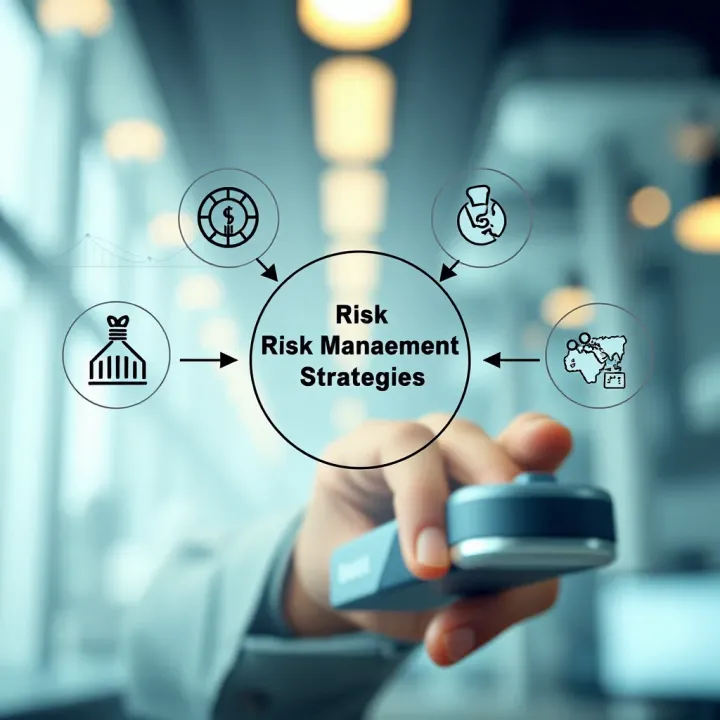
Learn how Nigerian enterprises handle business risks 🔍 with practical strategies, local tools, and insights to safeguard assets and thrive despite market volatility 📊.

🛡️ Learn effective steps to identify, evaluate, and manage business risks in Nigeria. Protect your assets and make smart decisions even during ember months and market ups and downs.
Based on 10 reviews