
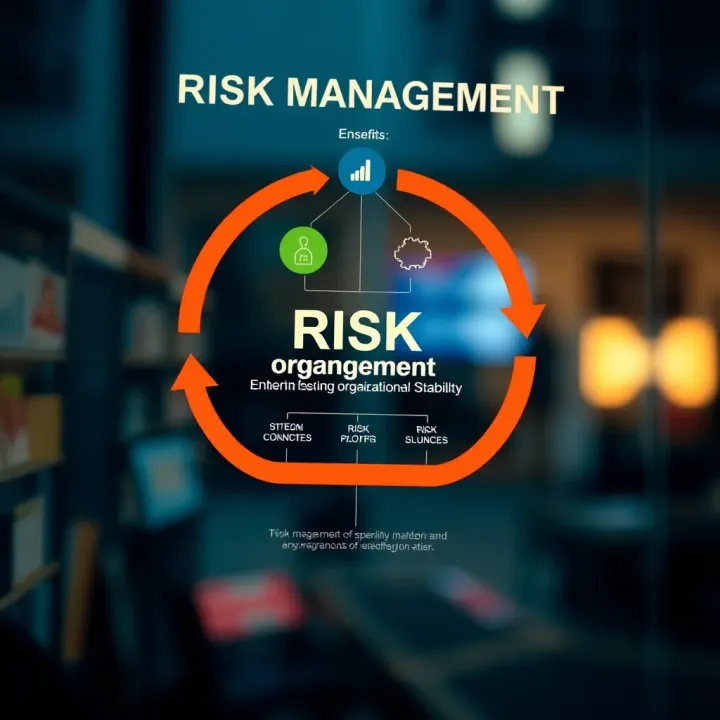
Benefits of Effective Risk Management
Discover how proactive risk management helps individuals and organisations in Nigeria reduce losses, enhance decisions, and ensure stability 📊🔒
Edited By
Benjamin Carter
Risk management is not just a buzzword for Nigerian businesses; it is a necessary approach to survive the frequent uncertainties in our market. From fluctuating naira exchange rates to power and transportation challenges involving danfo and okada rides, every entrepreneur or investor faces risks that can disrupt operations or drain profits.
Understanding and managing these risks effectively can mean the difference between thriving and closing shop. It involves pinpointing potential threats, assessing the impact they could have, and taking deliberate steps to reduce or avoid loss. For Nigerian businesses, this is especially critical during the ember months when expenses typically soar and consumer demand can be unpredictable.

Effective risk management enables businesses to protect their assets, maintain operations through tough times, and make informed decisions grounded in real market conditions.
Risk comes in many forms:
Financial risks, such as inflation, currency instability, or fluctuating interest rates set by the Central Bank of Nigeria (CBN).
Operational risks tied to supply chain disruptions, power outages, or transportation delays.
Regulatory and compliance risks, especially with agencies like the Nigerian Customs Service or the Securities and Exchange Commission (SEC).
Market risks, including shifting consumer preferences and competitor moves.
An entrepreneur who overlooks these risks may face sudden cash flow shortages or legal issues. Conversely, one who actively tracks and plans for these threats can secure better loan terms, negotiate supplier contracts wisely, or adjust pricing to safeguard margins.
This article breaks down clear steps to help you identify, evaluate, and manage risks. It aims to equip you with actionable tactics that work in Nigeria’s unique business environment, enabling smarter choices and greater resilience against everyday challenges.
Before Nigerian businesses can effectively manage risks, they must first understand what risk means in their specific context and how it can affect operations, profit margins, and long-term sustainability. Risk isn’t just about negative outcomes; it involves anticipation and preparation for any uncertainty that can sway business performance. Grasping the nature of risk empowers entrepreneurs and investors to make smarter decisions, avoid losses, and spot opportunities even in challenging environments.
Risk in business refers to the possibility of experiencing losses or setbacks due to internal or external factors. It ranges from financial uncertainties, such as currency fluctuations affecting purchasing power, to operational risks like machinery breakdown or supply chain disruptions. For instance, a Lagos-based manufacturing company might face the risk of prolonged power outages, affecting production schedules and delivery timelines. Understanding these risks isn’t about fearing them but recognising potential hurdles that need mitigation strategies.
The Nigerian economy experiences shifts that can rapidly affect business costs and revenue. One major risk is naira depreciation, which leads to increased import costs for raw materials and machinery, particularly for manufacturing and retail sectors reliant on foreign goods. For example, a wholesale distributor importing electronics faces sudden price hikes when the naira weakens against the dollar, forcing urgent price reviews to maintain profitability.
Moreover, fluctuating inflation rates impact consumer purchasing power and demand patterns. During the ember months, consumer behaviour often changes – spending may drop due to tight budgets or rise excessively due to festive buying, both posing forecasting challenges.
Many Nigerian businesses grapple with unreliable infrastructure, especially inconsistent electricity supply. Frequent blackouts push firms to rely heavily on generators, raising operating costs significantly. A small Lagos restaurant (mama put), for instance, may spend a considerable part of daily revenue on fuel alone, affecting net profits.
Additionally, poor road conditions and inadequate water supply disrupt logistics and production activities, slowing down deliveries and reducing overall efficiency. These challenges underline the need for contingency budgeting and flexible planning.
Nigeria's regulatory landscape can be complex and frequently changing, with businesses required to stay updated on tax laws, industry-specific regulations, and licensing requirements. Non-compliance risks penalties or forced shutdowns.
For instance, food vendors must comply with NAFDAC regulations to avoid product seizure, while fintech startups navigate NCC guidelines for telecommunications. Staying ahead demands regular consultation of government notices and professional compliance support.

Security concerns affect many Nigerian enterprises, particularly those operating in volatile states. Kidnapping, theft, and vandalism increase operational risks and insurance premiums. For example, transport companies face route risks and must invest in GPS tracking or armed escorts in high-risk zones.
Political instability, such as election-related unrest, disrupts market operations and supply chains. Businesses in regions with frequent protests or communal clashes need contingency plans to protect assets and staff.
Understanding specific risks allows Nigerian businesses to tailor strategies that protect resources, sustain profits, and boost resilience against the country’s unique economic and social challenges.
Identifying and assessing risks stands as a vital step for Nigerian businesses aiming to shield themselves from sudden shocks and uncertain market conditions. Without properly spotting risks early, firms could find themselves vulnerable to naira volatility, regulatory changes, or power outages that derail operations. Assessing risks also helps entrepreneurs focus resources on the most threatening challenges, rather than spreading efforts thinly.
Internal audits and staff feedback play a fundamental role in uncovering risks within a company. By regularly reviewing processes and gathering input from employees at all levels, businesses can identify inefficiencies or emerging issues before they escalate. For instance, frontline staff in a Lagos-based logistics firm might report delays caused by poor road conditions or security threats. Such feedback can highlight risks that top management might overlook.
Market and environmental scanning involves observing external factors that could affect business viability. Nigerian traders, for example, watch currency exchange trends and government policy announcements closely to foresee economic headwinds. Similarly, a manufacturer might monitor global commodity prices to anticipate changes in raw material costs. Being alert to these signals equips businesses to make timely adjustments.
Consulting industry reports and data from the Central Bank of Nigeria (CBN) provides quantitative evidence to support risk identification. CBN’s economic reports, inflation statistics, and monetary policy updates help investors and entrepreneurs understand macroeconomic conditions, especially around naira behaviour and interest rates. Sector-specific analyses from trade bodies or chambers of commerce also offer valuable context on emerging challenges and opportunities.
Understanding the seriousness and probability of risks requires tools like qualitative and quantitative risk assessments. Qualitative assessments rely on expert judgement and descriptive scales to evaluate how damaging a risk could be. This works well where numerical data is limited, such as political unrest in certain regions. On the other hand, quantitative assessments use data—like past incidents' frequency and financial impacts—to assign measurable risk values, enabling more objective comparisons.
Utilising risk matrices allows businesses to visualise and categorise risks based on their likelihood and impact. This simple grid helps decision-makers spot which risks demand urgent attention and which are manageable. For example, in a small agribusiness, drought risk may be positioned as high impact but medium likelihood, helping prioritise irrigation investments.
Effective risk management also demands prioritising risks based on their combined impact and probability. Not every risk merits immediate action; focusing on those with significant potential loss or disruption optimises resource allocation. A Lagos tech startup, for instance, may give precedence to cybersecurity threats over minor equipment breakdowns, ensuring funds go where they matter most.
Regularly identifying and assessing risks sharpens a business’s ability to respond quickly and avoid losses, especially in Nigeria’s dynamic economic environment. Staying informed and prioritising actionable risks build resilience for long-term success.
By embedding these practices, Nigerian traders, investors, brokers, and entrepreneurs position themselves better against unpredictable turns in the market, in infrastructure, or regulations, keeping their ventures stronger and more sustainable.
Effectively managing risks means planning practical ways to handle potential threats before they cause damage. For Nigerian businesses, developing clear strategies ensures operations remain steady despite challenges like currency fluctuations or power outages. This section covers key approaches to manage risks, helping businesses make informed decisions and protect investments.
Process improvements and operational controls help businesses tighten weak points that could lead to losses. By streamlining workflows or upgrading equipment, firms avoid errors that disrupt service or inflate costs. Take, for example, a Lagos-based textile company that introduced digital inventory systems to reduce stock discrepancies caused by manual record-keeping. Such operational controls cut mistakes and boost efficiency.
Insurance and risk transfer options provide a financial safety net by passing specific risks to insurers. In Nigeria, sectors like agriculture and manufacturing face risks such as fire or flood damage; insurance policies from local companies can cover these to limit financial losses. This transfers the burden of unexpected events to insurers, letting businesses focus on growth without constant worry about heavy setbacks.
Financial hedging against currency and price volatility protects against unpredictable market swings, especially relevant in Nigeria's economy where naira value shifts often. Businesses like importers or exporters use forward contracts or foreign exchange options from banks to fix costs or revenues in advance. A sokoto-based exporter, for instance, secured a forward contract to stabilise earnings despite naira devaluations, ensuring steadier cash flow.
Choosing risk retention when appropriate means a business decides to keep some risks instead of transferring them. This normally applies when the cost of handing over the risk exceeds potential losses or when risks are minor and manageable. A small tech startup in Abuja, for instance, might decide to self-insure low-value equipment rather than pay for cumbersome insurance.
Partnerships and outsourcing as risk sharing allow companies to divide responsibilities and risks. When a Lagos logistics firm outsources its fleet maintenance, it shares the operational risk with specialised providers who have better expertise and resources. This approach reduces the firm's exposure and frees up capital for other investments.
Contractual safeguards come into play by setting clear terms and conditions to protect parties involved. Businesses often include clauses on liability limitation, payment terms, and dispute resolution in contracts. Such agreements reduce uncertainty and help manage risks linked to suppliers, clients, or contractors, especially in Nigeria's complex legal environment.
Strong risk management plans help Nigerian businesses stay resilient amid uncertainty. Developing strategies to avoid, reduce, accept, or share risks is key to sustainable growth and steady operations.
By combining process improvements, insurance, financial hedging, and smart partnerships, companies build a robust defence against the many risks Nigerian enterprises face. Understanding these options ensures that risk management goes beyond theory and truly safeguards the business.
Putting a risk management plan into action is where many Nigerian businesses see real value. It turns theoretical assessments into practical steps that can prevent losses or minimise damage. Monitoring these plans ensures they remain effective, especially as business environments — like currency fluctuations or power supply — can change anytime. For traders and investors, monitoring risks helps avoid sudden surprises that could affect portfolios or operating costs.
Training staff and stakeholders is key to making risk management work. Everyone, from management to shop floor employees or even external partners, needs to understand risk policies clearly to act appropriately. For example, a manufacturing business might train workers on safety protocols to reduce accidents, while a fintech startup could educate staff on cybersecurity threats. Regular workshops or simple guides in local languages help make policies stick.
Integrating risk management into business culture ensures that it becomes part of daily operations, not just a document gathering dust. Businesses that encourage openness about problems and quick reporting of potential risks tend to catch issues early. A Lagos-based oil company, for instance, might incorporate safety checks into everyday routines, making risk awareness second nature rather than an afterthought. This approach fosters resilience and a proactive mindset.
Setting up monitoring tools and key risk indicators (KRIs) allows businesses to keep a finger on the pulse of potential threats. For example, a logistics firm might track delivery delays or fuel price changes as KRIs indicating operational risks. These tools could range from simple spreadsheets updated weekly to dedicated software that alerts managers about critical changes. The point is to detect risks early, so corrective actions can happen before problems escalate.
Regular reviews and audit processes help verify that risk management measures remain relevant and effective. Businesses should schedule periodic assessments—monthly or quarterly—where risk data is scrutinised and compared against objectives. For Nigerian firms, audits might also cover compliance with local regulations, such as tax laws or safety standards, which can change without much notice. These reviews are essential to avoid non-compliance penalties and operational hiccups.
Adjusting strategies based on feedback is how risk management stays responsive. Once a risk event occurs or when monitoring shows certain controls aren’t working, companies need to revise their plans. For example, a retail outfit facing persistent theft may decide to invest in better surveillance or change inventory management methods. Such adaptations not only mitigate future issues but also show stakeholders that the company is serious about safeguarding its assets.
Clear communication, consistent monitoring, and timely adjustments form the backbone of effective risk management for Nigerian businesses. Ignoring these steps risks expensive surprises, especially in volatile markets and challenging operating conditions.
By implementing these measures, Nigerian traders, investors, and entrepreneurs can build more resilient businesses that handle uncertainties with confidence and agility.
Building resilience and focusing on continuous improvement help Nigerian businesses survive shocks and thrive amid market uncertainties. Rather than reacting only when problems surface, resilient companies anticipate challenges, learn from setbacks, and steadily enhance their risk handling. This mindset proves crucial given the volatility of the naira, infrastructural hiccups, and shifting policy landscapes many enterprises face.
Conducting post-incident analyses helps firms pinpoint what went wrong during a risk event and why. After a supply chain disruption or security breach, for instance, a thorough review examines causes, consequences, and response effectiveness. This process uncovers weaknesses in operations or communication without resorting to blame. For example, a Lagos-based manufacturer affected by an electricity outage could analyse backup power readiness and supplier contingencies. Post-incident analysis uncovers gaps, enabling targeted corrections to prevent repeat losses.
Documenting lessons and best practices makes knowledge accessible across the organisation and over time. Capturing findings from post-incident analyses into manuals or digital repositories ensures reusable insights. It also strengthens training programmes by highlighting practical examples staff can relate to. For example, a fintech startup might create a risk handbook based on lessons from a failed software update that caused downtime. These documents increase institutional memory, supporting faster, smarter reactions during future events.
Updating risk assessments regularly is essential since Nigeria's business environment evolves rapidly due to economic shifts, regulatory changes, or security developments. A merchant relying on import goods must review risks linked to forex availability and shipping delays at least quarterly. Regular reassessment adjusts priorities and resource allocation, preventing complacency and outdated plans. It also builds flexibility, allowing businesses to spot emerging threats early and respond in time.
Investing in technology and innovation to mitigate risks offers practical advantages. Digital payment platforms like Paystack or Flutterwave reduce cash handling risks, while cloud computing ensures data backups protect against losses from hardware failures. Small retailers using POS terminals can track sales and inventory more accurately, limiting fraud and theft. Moreover, automation tools help reduce human error in documentation and compliance. Introducing such technology aligns business resilience with evolving market expectations and operational efficiency.
Continuous improvement through learning and adaptation transforms risk management from a one-off task into an ongoing strength. Nigerian businesses that embrace this approach stand better prepared to face challenges, protect assets, and seize opportunities, even during tough periods like ember months or economic downturns.
Discover how proactive risk management helps individuals and organisations in Nigeria reduce losses, enhance decisions, and ensure stability 📊🔒

Discover top forex trading strategies for Nigerian and global markets! 📈 Learn technical & fundamental tactics, risk management, and trading psychology tips.

📚 Find the best forex trading books tailored for Nigerian traders! Learn key concepts, tips, and practical advice to boost your trading skills in Nigeria's market.

📚 Discover top forex trading books offering practical strategies, market insights, and risk management tips to help Nigerian traders boost skills and confidence.
Based on 6 reviews