
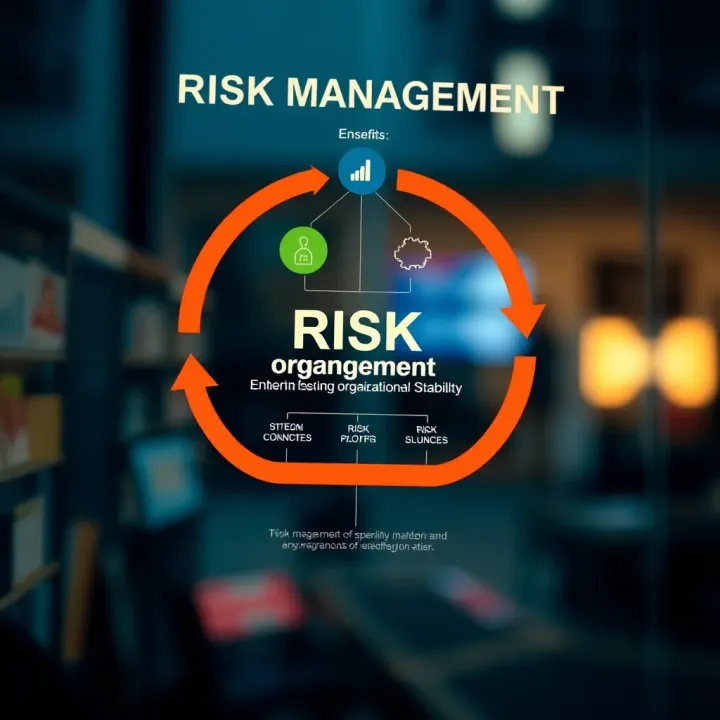
Benefits of Effective Risk Management
Discover how proactive risk management helps individuals and organisations in Nigeria reduce losses, enhance decisions, and ensure stability 📊🔒
Edited By
Sophie Lancaster
Risk management remains a critical function for Nigerian organisations aiming to navigate the country's unpredictable economy and infrastructure challenges. From fluctuating exchange rates to inconsistent power supply, Nigerian firms face risks that can quickly erode profits and stall growth if not properly handled.
An effective risk management framework provides a clear roadmap for identifying, assessing, and mitigating those threats. It ensures businesses don’t just react to risks but anticipate and manage them to protect their assets and operations.

Organisations in Nigeria must tailor their frameworks to local realities. For example, supplier delays often arise from poor road conditions and customs holdups. Financial risks include naira volatility and inflation, affecting cash flow stability. Operational risks like generator failures due to fuel scarcity impact daily activities severally.
Some essentials of a solid risk framework include:
Risk Identification: This involves listing potential threats specific to your sector and environment, like security issues for logistics firms or regulatory changes for fintech startups.
Risk Assessment: Measure the likelihood and impact of each risk. A manufacturing firm might rate power outages as high risk considering production downtime costs.
Risk Treatment: Develop practical controls. For instance, retailers might negotiate multiple supplier contracts to reduce reliance on one source.
Continuous Monitoring: Nigeria’s dynamic business climate means risk profiles can shift quickly. Regular review meetings help recalibrate plans.
Building a risk framework isn't a one-off task but an ongoing commitment — one that encourages resilience and supports strategic goals amid Nigeria's unique uncertainties.
For traders, investors, and entrepreneurs, embedding risk management in daily operations avoids surprises and positions the business for steady growth. Whether dealing with forex restrictions, inflationary pressures, or local political shifts, firms that proactively manage risks avoid pitfalls others may not see coming.
Ultimately, a well-constructed risk framework blends global best practices with on-the-ground insights from Nigerian markets, ensuring adaptability, foresight, and sustainable business performance.
A risk management framework (RMF) provides Nigerian organisations a clear map to identify, assess, and handle risks that could disrupt business operations. It sets out the structures, processes, and responsibilities that help companies tackle challenges systematically rather than reacting in an ad hoc way. Think of it like the rules of the road for driving through busy Lagos traffic: without a framework, chaos can easily take over, causing avoidable setbacks.
Simply put, a risk management framework is a comprehensive blueprint that organises how an organisation detects threats, evaluates their potential impact, and decides on responses. Its purpose is to turn an otherwise confusing and unpredictable set of risks into manageable tasks aligned with the firm’s objectives. For example, a manufacturing firm in Lagos facing frequent power outages due to unstable electricity supply can use an RMF to analyse the risk, budget for alternative power solutions like diesel generators or solar setups, and continuously monitor these arrangements. This structured approach minimises downtime and cost overruns.
The RMF also fosters clear communication paths, ensuring everyone from top management to departmental staff understands their role in managing risk. By formally documenting risk procedures, an RMF builds organisational memory that supports consistency over time, especially during leadership changes.
Strong risk management frameworks protect companies from being blindsided by surprises, turning unpredictable events into opportunities for better preparedness.
Nigerian businesses operate in a complex environment marked by currency volatility, regulatory shifts, infrastructural limitations, and security concerns. Without a structured approach, these risks become overwhelming, leading to poor decision-making, wasted resources, or business failure. For instance, a fintech startup navigating changing Central Bank of Nigeria (CBN) policies on digital payments must carefully manage compliance risk alongside operational issues like fraud.
A purposeful RMF helps Nigerian firms prioritise risks based on their seriousness and likelihood. This means resources can go to high-impact areas rather than spreading thin across all possible risks. Moreover, with clear risk ownership and monitoring in place, companies spot emerging threats early — whether it’s changes in tax laws from FIRS, sudden shifts in foreign exchange rates, or disruptions from ember month festivities.
A structured framework promotes resilience. For example, during the frequent fuel scarcity that affects generators, a business with an RMF would have contingency plans rather than halting production immediately. This readiness saves money and keeps customers satisfied.
In summary, understanding a risk management framework’s definition and real-life purpose is the first step for Nigerian organisations to handle uncertainty confidently. Applying a structured risk approach turns risks from dangers into manageable parts of everyday business strategy. This mindset is essential to thrive in Nigeria’s dynamic economy.
A solid risk management framework pivots on clear, actionable steps that businesses in Nigeria can adopt to steer through volatile markets and regulatory shifts. The four key elements—risk identification, assessment, treatment, and control implementation—form the backbone of this process. Without these, organisations risk flying blind, exposing themselves to financial losses, regulatory fines, or reputational damage.
Identifying risks means recognising potential hazards that can disrupt operations or affect profits. For Nigerian traders and investors, threats might include currency fluctuations influenced by naira volatility, supply chain delays due to port congestion, or sudden policy changes by regulators like the Central Bank of Nigeria (CBN). For example, a manufacturing firm relying on imported raw materials must stay alert to changes in forex availability and shipping costs. Early identification allows organisations to prepare rather than react under pressure.
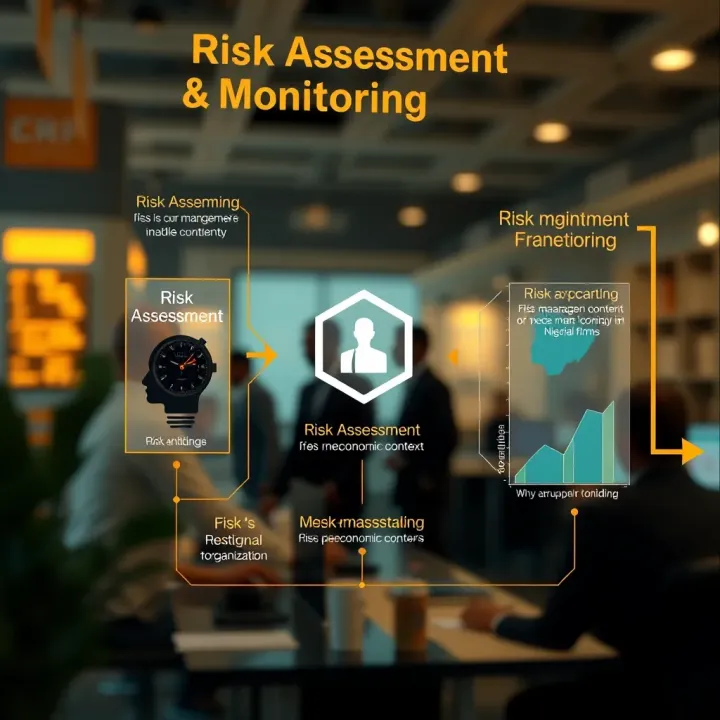
Once risks are spotted, it’s necessary to gauge their likelihood and potential consequences. This involves quantifying how often an event might occur and the severity if it does. For instance, power outages from frequent NEPA disco failures in Lagos can be assessed by frequency and downtime costs, helping companies decide on investments in generators or solar installations. Risk matrices or scoring systems make this assessment practical and visible to management, promoting informed decision-making.
Treating risks involves formulating strategies to avoid, reduce, share, or accept them. Nigerian SMEs might chose to mitigate supply chain risks by sourcing locally rather than relying solely on tokunbo parts vulnerable to port delays. Insurance is another treatment for risks like fire or theft, spreading financial impact. Practical treatment plans should consider resource constraints and be adaptable to shifting market realities.
Risks are dynamic; ongoing control and monitoring ensure they remain within acceptable limits. This involves establishing procedures, assigning roles for risk oversight, and tracking identified risks regularly. For example, a bank like GTBank may implement automated fraud detection systems while continuously reviewing transaction anomalies. Regular audits and feedback loops help spot emerging threats early, avoiding costly surprises.
Effective risk management is not a one-time checklist but a continuous process requiring commitment at all organisational levels.
By focusing on these core elements—recognition, evaluation, response, and control—Nigerian organisations can build frameworks that are both practical and resilient amid looming uncertainties.
Creating a risk management framework that fits Nigeria’s unique environment is vital for any organisation aiming to stay afloat and competitive. Nigerian businesses face a mix of economic instability, regulatory shifts, and infrastructural challenges that require a tailored approach rather than a one-size-fits-all model. Customising risk management helps organisations mitigate losses efficiently and seize growth opportunities despite local uncertainties.
Nigeria’s economy is known for its volatility, partly due to fluctuating oil prices and exchange rate instability. For instance, the naira’s frequent depreciation can affect import costs and operational budgets, posing financial risks. Therefore, risk frameworks should include economic scenario analysis that measures how exchange fluctuations or inflation spikes impact cash flow.
Additionally, compliance with Nigerian regulations such as the Companies and Allied Matters Act (CAMA) and Central Bank of Nigeria (CBN) guidelines is non-negotiable. Businesses must also keep up with sector-specific rules—for example, fintech firms navigating NCC regulations or oil companies adhering to NNPC policies. Integrating a compliance risk component safeguards organisations against hefty fines or licence revocations.
Planning with regulatory changes in mind means establishing a monitoring mechanism to track new laws or amendments. A good example is the recent updates in data protection under Nigeria Data Protection Regulation (NDPR), which requires firms handling customer information to heighten their data security. Ignoring this could lead to reputational damage and financial penalties.
On the ground, Nigerian organisations face infrastructure setbacks like inconsistent power supply and poor road networks affecting logistics and production. This calls for including risk controls such as backup generator resources and contingency planning for distribution disruptions.
Market dynamics also differ sharply between urban hubs like Lagos or Abuja and rural areas. An e-commerce platform, for example, would manage risks linked to slow internet connectivity or limited cashless payment adoption in certain states by diversifying payment methods and investing in offline customer support.
Moreover, security concerns like theft or vandalism in some regions require physical and cyber risk strategies. Incorporating local partnerships for security or using surveillance technologies can reduce exposure.
Tailoring your risk framework to Nigeria means recognising these specific challenges and designing practical responses. It is not just about ticking boxes but creating a living system that understands Nigerian business realities.
Organisations that successfully adapt their risk management to local economic, regulatory, and operational conditions will enjoy more realistic forecasts, faster response times, and improved resilience in volatile markets.
Risk management should not operate in isolation; it must form part of the organisation’s overall strategy and culture. For Nigerian businesses, especially those navigating volatile markets and regulatory changes, aligning risk management with strategic goals ensures decisions are made with full awareness of potential pitfalls. This alignment helps organisations balance risk and opportunity while building resilience. For example, a manufacturing company in Lagos might integrate risk assessments on supply chain interruptions into its growth strategy, preparing contingencies for fuel scarcity or port delays.
Embedding risk awareness from top management down to frontline staff anchors risk management as a daily practice, not just a boardroom concern. When employees understand how their roles impact risk, they become active participants in preventing losses. Take a commercial bank operating across Nigeria: by training tellers and customer service reps to spot suspicious transactions early, the bank improves fraud detection before risks escalate. Regular workshops and clear communication channels help keep risk awareness alive, especially in sectors like oil and gas where operational hazards are high.
Defining and aligning risk appetite—the amount of risk an organisation is willing to accept—is critical for coherent strategy execution. Nigerian organisations must consider economic uncertainties and sector-specific challenges when setting their appetite. For instance, a fintech startup might accept higher risks in innovation but maintain low tolerance for regulatory breaches that could attract sanctions. Clarity on risk appetite guides investment choices, operational changes, and helps prevent reckless risk-taking while encouraging proactive management. This balance supports sustainable growth without exposing the company to avoidable threats.
Integrating risk management into strategy and culture turns it into a competitive advantage. It enables Nigerian firms to respond swiftly to challenges while pursuing opportunities that align with their capabilities and market realities.
By embedding risk awareness at all levels and matching risk appetite to business goals, organisations lay a solid foundation to withstand shocks and thrive amid Nigeria’s unique business environment.
Many Nigerian organisations struggle with risk management because they overlook common pitfalls that erode the effectiveness of their frameworks. Recognising these challenges and tackling them head-on can save businesses from unnecessary losses and missed opportunities.
Risk environments in Nigeria change fast — from fluctuating exchange rates and fuel scarcity to shifting government policies and market trends. A risk management framework that was effective last year might quickly become outdated if not reviewed regularly. Sadly, many organisations set up frameworks and then stash them away, forgetting that risks evolve. For instance, a manufacturing company relying heavily on imported raw materials must adjust its risk assessments when naira weakens sharply or new import tariffs come into effect.
To avoid this, organisations should schedule periodic reviews — at least twice yearly — to update risk registers and adjust controls. Involving departments like finance, operations, and compliance in these sessions ensures that fresh insights feed into the framework. Also, embedding key risk indicators into daily operations helps flag new threats early. For example, a bank tracking daily foreign currency inflow patterns can detect emerging exposure before it becomes critical.
Continuous review is not optional; it keeps your risk framework alive and responsive to Nigeria’s unique business terrain.
A common stumbling block is sidelining essential voices when designing or implementing the risk framework. Too often, risk management becomes the responsibility of a single unit, such as internal audit or compliance, while other departments remain passive. This silo approach leads to blind spots and weak buy-in. For example, if the sales team is excluded from risk discussions, they may pursue deals exposing the company to undue credit risks.
Effective risk management demands collaboration across all levels — from senior management down to frontline employees. Stakeholders bring practical knowledge about operational risks and can identify challenges no single group sees alone. Businesses should create cross-functional risk committees or assign risk champions within departments. These representatives serve as eyes and ears, ensuring the framework reflects real business conditions and enjoys wider support.
For instance, a logistics company in Lagos coordinating with its drivers, warehouse staff, and finance team gains a fuller picture of risks like transport delays, fuel price hikes, and payment defaults.
In summary, Nigerian organisations can strengthen their risk management by treating frameworks as living tools requiring continuous updates and broad engagement. Avoiding these pitfalls builds resilience and turns risk management from a tick-box exercise into an integral part of decision-making and strategy.
Establishing a risk management framework is not just a box-ticking exercise for Nigerian organisations. It ensures your business can navigate uncertainties, whether that means naira volatility, regulatory shifts, or operational hurdles like power outages. Taking practical, deliberate steps to launch this framework helps you identify and tackle risks efficiently, positioning your company for stability and growth.
Start by evaluating what you already have on the ground. Do existing policies cover financial risks like exchange rate fluctuations or credit defaults? What about operational threats such as generator costs or supply chain disruptions from fuel scarcity?
Conduct interviews with department heads or review past incident reports to figure out gaps. For example, a Lagos-based logistics firm might find their current framework ignores the risks from traffic jams delaying deliveries, which affects customer satisfaction and revenue. Pinpointing these blind spots sets a clear starting line for improvements.
Assigning who does what is crucial for a smooth risk management process. Designate a risk management officer or team responsible for maintaining the framework and reporting to senior management. Each department should understand its role in managing and escalating risks.
Take a financial services company in Abuja which established a routine where operations, compliance, and audit units share risk data weekly. This created clearer communication and faster response to emerging threats like new Central Bank of Nigeria (CBN) regulations. A defined communication flow avoids confusion and ensures risks are addressed promptly.
Write down the procedures for identifying, assessing, treating, and monitoring risks. Documentation standardises actions and helps train new staff.
Use real-life examples relevant to your sector. For instance, a tech start-up might document processes for cybersecurity risk assessments following frequent phishing attempts. Be clear about methodologies, thresholds, and reporting timelines.
Ensure these documents are accessible and regularly updated. During the ember months, when business activities spike and risks often intensify, reviewing and refining your procedures is especially necessary.
Starting your risk management framework today means acting with clarity and consistency. Assess what you have, assign responsibilities clearly, and document everything rigorously to build resilience in your organisation.
Discover how proactive risk management helps individuals and organisations in Nigeria reduce losses, enhance decisions, and ensure stability 📊🔒

📚 Find the best forex trading books tailored for Nigerian traders! Learn key concepts, tips, and practical advice to boost your trading skills in Nigeria's market.

📚 Discover top forex trading books offering practical strategies, market insights, and risk management tips to help Nigerian traders boost skills and confidence.

Explore forex trading benefits for Nigerian investors 🇳🇬 including easy access, high liquidity, leverage options, and portfolio diversification opportunities 📈💰
Based on 5 reviews