
Learn Forex Trading: Guide for Nigerian Investors
📈 Learn forex trading tailored for Nigerian investors. Master market basics, strategies, broker choices, and money management to trade forex confidently in Nigeria's unique market.
Edited By
Victoria Morgan
Forex trading is the act of buying and selling different currencies in the global foreign exchange market to make a profit from changes in exchange rates. Unlike stocks or bonds, forex operates 24 hours a day across continents, making it the largest financial market worldwide. For Nigerian investors, understanding how forex works offers a chance to diversify investments beyond local assets, especially given the naira's frequent volatility.
At its core, forex trading involves exchanging one currency for another. For instance, you might buy US dollars (USD) using Nigerian naira (₦), hoping the dollar strengthens against the naira so you can sell back later at a profit. The price difference between buying and selling is called the ‘spread’, and it's how brokers often make money.
Major currencies traded include the US dollar, euro, British pound, Japanese yen, and Swiss franc. These currency pairs fluctuate constantly due to factors like economic data, central bank policies, geopolitical events, and commodity prices—especially relevant for Nigeria given our oil-dependent economy.
Central Banks and Governments: For example, the Central Bank of Nigeria (CBN) influences the naira’s value through monetary policy and forex interventions.
Commercial Banks and Financial Institutions: They provide liquidity and facilitate trading.
Retail Traders and Investors: Individual Nigerians now access forex through online brokers and trading platforms like MT4 or MT5.
Corporates and Exporters: They trade forex to hedge against currency risk.
Knowing who is involved helps you understand market moves better and identify opportunities or risks.
For Nigerian investors, starting with a reliable broker and learning about leverage, stop-loss orders, and market analysis tools are practical first steps. Next, familiarise yourself with how global events impact currency pairs relevant to Nigeria, like USD/NGN or EUR/USD.
This clear understanding helps you make informed decisions rather than gambling blindly, reducing the chance of falling into common traps forex beginners face.
Understanding forex trading is essential for anyone aiming to enter this fast-moving market. It helps you avoid costly mistakes and spot genuine opportunities, especially as a Nigerian investor dealing with exchange rate swings and regulatory matters. Knowing what forex trading involves makes you better prepared to manage risks and set realistic goals.
Definition of forex trading: Forex trading, also known as foreign exchange trading, is the buying and selling of currencies to profit from changes in their exchange rates. It’s like exchanging your ₦10,000 for dollars if you expect the naira to weaken, then converting back at a better rate to make ₦ gains. Traders make money by predicting if a currency will strengthen or weaken against another.
Currency pairs and quotes: In forex, every trade involves two currencies, called a currency pair. For example, USD/NGN shows how many naira one dollar can buy. The first currency (USD) is the base, while the second (NGN) is the quote. Prices move constantly depending on supply, demand, and economic events. Understanding currency pairs helps you grasp how your trades work and why a pair’s value changes.
Decentralised global market: Unlike stock exchanges, the forex market has no central physical location. It operates through a network of banks, brokers, and investors worldwide, including Lagos, London, and New York. This decentralisation means it runs 24 hours on business days, making it accessible to Nigerians across different time zones.
Role of exchange rates: Exchange rates reflect a nation’s economic condition and affect imports, exports, and investment flows. For example, if Nigeria’s inflation rises, the naira might lose value, pushing USD/NGN higher. Traders watch these rates closely, as even small changes can create opportunities or risks for their investments.
Market hours and liquidity: The forex market opens early Monday in Asia and closes late Friday in New York, offering nearly continuous trading. This coverage provides high liquidity—meaning you can buy or sell currencies quickly without major price gaps. For Nigerian traders, this means you can react promptly to market news, whether during Lagos business hours or late at night.
Knowing these basics will give you an edge. Forex trading is about timing, understanding currency moves, and choosing the right moments to act.
To sum up, forex trading operates as a worldwide, 24-hour market allowing currency exchange with no central exchange point. It centres on pairs representing two currencies, influenced by changes in exchange rates driven by economic realities. For Nigerians, understanding these key elements opens a clearer path to navigate this vibrant market effectively.
Understanding who takes part in forex trading helps investors grasp how the market functions and where opportunities lie. Different participants influence liquidity, pricing, and market trends — all key factors for Nigerian traders to consider when planning their strategies.
Central banks and governments play a huge role in the forex market. These institutions manage their country’s currency reserves and often intervene to stabilise or influence exchange rates. For example, the Central Bank of Nigeria (CBN) may buy or sell US dollars to support the naira or curb inflation. Their actions can cause sharp moves in currency pairs, so watching their policies is crucial for forex traders who want to anticipate market direction.
Commercial banks and financial institutions dominate daily forex trading volumes. Banks act as market makers, providing liquidity by matching buyers and sellers. Nigerian banks like GTBank or Zenith Bank operate on global banking platforms, facilitating foreign exchange for businesses and individuals. Traders often see spreads set by these banks, and understanding bank liquidity helps in timing trades, especially during market openings in London and New York when volumes peak.
Retail traders and investors are the smaller players but growing in importance, particularly in Nigeria with easier internet access and mobile trading apps. Individual Nigerians use platforms like OANDA, FXTM, or local brokers to trade currencies. Though retail traders have less influence than banks or governments, their collective activity adds to market liquidity and can sometimes trigger short-term price movements. For Nigerian traders, retail participation means there are many competitors but also education and community resources available.
Local brokers and platforms have made forex trading more accessible to Nigerians. Firms such as FXTM, HotForex, and some registered Nigerian brokers provide platforms tailored for local conditions, including convenient deposit and withdrawal methods in naira. These brokers also offer customer support that understands Nigerian financial realities like bank charges or the need for quick withdrawals during ember months. Choosing a credible local broker can make a big difference to your trading experience and safety of funds.
Regulatory environment in Nigeria affects how traders operate and protects them from fraud. The Securities and Exchange Commission (SEC) Nigeria supervises forex brokers to ensure compliance with local laws. While regulation is still developing, registered brokers follow rules on transparency and client fund segregation. Nigerian traders should verify broker licences and understand the risks of unregulated platforms, as scams are common in the forex space. A regulated environment builds trust and offers some recourse if issues arise.
Keeping tabs on who trades forex and how the system is regulated puts you ahead in navigating risks and spotting opportunities specific to Nigerian investors.
Knowing the roles different participants play helps you in timing trades, selecting brokers, and guarding against common pitfalls. With this knowledge, Nigerian investors can engage more confidently in forex trading, harnessing both the power of global institutions and the convenience of local platforms.
Understanding common forex trading strategies helps investors make informed decisions and manage risks effectively in the highly volatile currency market. These strategies guide how traders approach market analysis and execute trades, balancing potential profits with risk tolerance.
Technical analysis involves studying past price movements and trading volumes to predict future trends. Traders use charts, patterns, and technical indicators like moving averages or the Relative Strength Index (RSI) to spot entry and exit points. For Nigerian investors, technical analysis proves practical since reliable real-time economic data might sometimes be scarce or delayed, making price behaviour a crucial guide.
Fundamental analysis looks at economic indicators, geopolitical events, and central bank policies to understand currency value shifts. For example, news about CBN’s monetary policy changes or Nigeria’s GDP growth affects the naira's exchange rate. Traders who follow fundamentals weigh data like inflation rates, interest rates, and trade balances to anticipate market reactions, helping them avoid rash moves during news releases.
Day trading and scalping focus on short-term profits by opening and closing positions within minutes to hours. Scalpers in Lagos, for instance, might make dozens of trades daily, capitalising on small price changes and spreads. This style requires intense market monitoring but can suit disciplined traders who want quick returns without overnight risks.
Swing trading involves holding positions for several days up to a few weeks to benefit from expected price swings. Nigerian traders often use swing trading to leverage market momentum after significant economic announcements, such as inflation reports or foreign investment inflows, which tend to cause price fluctuations over days rather than hours.
Position trading takes a longer-term view, holding trades for weeks or months based on broader economic trends. This suits investors with stable capital who prefer less frequent trading but want to capture sizeable moves, such as the naira’s direction during monetary policy cycles or election seasons. It demands patience and solid fundamental analysis to avoid panic during short-term volatility.
Successful forex trading in Nigeria relies on combining these strategies with proper risk management and understanding the local market's nuances. Each technique has its place depending on your trading goals, time availability, and appetite for risk.
Understanding the risks and challenges in forex trading is essential before diving into this market, especially for Nigerian investors. Forex can offer good opportunities, but without knowing the hazards, you might quickly lose your capital. This section breaks down the key risks you should be wary of so you can make informed decisions.
Economic reports and political events can shake up the forex market drastically. For instance, if the Nigerian government announces a new policy affecting oil exports, the naira’s value might suddenly shift. Traders who don’t follow these reports may be caught off guard by sudden price swings. Keeping an eye on economic calendars and news updates can help you anticipate movements rather than react late.
Moreover, global events such as interest rate changes by the US Federal Reserve or Brexit negotiations can also rattle currency values. A well-informed trader will track these developments closely to adjust positions, ensuring they avoid unwanted losses or seize profits when the market moves in their favour.
Exchange rates do not move in steady, predictable patterns. They fluctuate based on supply and demand, geopolitical issues, and market sentiment. For example, the naira’s exchange rate tends to weaken during periods of fuel scarcity or when there is uncertainty about CBN policies. These fluctuations offer profit chances but also bring risk.
If you bought dollars at ₦480 and the rate drops suddenly to ₦460 due to political instability, you risk losing money unless your strategy protects you. Managing these fluctuations requires caution, perhaps using stop-loss orders or limiting trade size to avoid big hits on your capital.
Leverage allows you to control a larger position with less money, but it magnifies losses too. A common mistake among new Nigerian traders is over-leveraging, which means risking too much relative to their account balance. For instance, using 100:1 leverage might turn a ₦10,000 investment into ₦1,000,000 exposure, but even a small price move in the wrong direction can wipe out the account quickly.
Wise traders limit leverage and only use it when there’s a strong, well-researched setup. This practice helps avoid sudden account blowouts and keeps the trading journey steady.
Allowing emotions like fear or greed to dominate decisions can lead to poor trades. After suffering a loss, some traders try to “win back” money immediately, often entering risky positions without analysis. Others hold onto losing trades too long, hoping the market will turn in their favour.
Being disciplined with a trading plan, sticking to stop-loss levels, and viewing losses as part of the process are practical ways to overcome emotional trading. This approach helps preserve capital and build experience steadily.
Unfortunately, the high profits advertised by some forex schemes can lure Nigerians into scams. Fake brokers may promise guaranteed returns or manipulate trading platforms to steal funds. Nigerians should only trade with brokers regulated by bodies like the Securities and Exchange Commission (SEC) of Nigeria or internationally recognised authorities.
Before investing, verify the broker’s credentials, read reviews from other traders, and avoid suspicious offers promising quick riches. Taking these steps protects you from losing hard-earned money to fraudulent operators.
In forex trading, risk management and vigilance are not optional but necessary. Knowing the market’s challenges helps you navigate with confidence and protect your investment from avoidable pitfalls.
Navigating forex trading in Nigeria requires more than just knowing the basics; practical advice tailored to our local context helps you avoid common mistakes and maximise profits. This section highlights essential considerations such as choosing the right broker, managing your forex account wisely, and tapping into reliable learning resources.
Regulation and trustworthiness matter greatly when selecting a broker. In Nigeria, it’s best to stick with brokers regulated by reputable authorities like the Nigerian Securities and Exchange Commission (SEC) or other well-recognised global bodies such as the Financial Conduct Authority (FCA). A regulated broker protects your funds and ensures transparent operations. For example, if a broker offers suspiciously high leverage or promises guaranteed returns, that’s a red flag signalling potential scam. Always check reviews, licences, and user feedback before committing your money.
Transaction costs and spreads directly affect your trading profitability. These costs include spreads—the difference between the buying and selling prices—and any commissions charged per trade. Nigerian traders should pay attention to these because even small spreads can eat into profits, especially if you trade frequently or use scalping strategies. Brokers offering tight spreads and low commissions, such as those integrated with local payment options like bank transfers or USSD payments, can save you extra naira over time.
Setting realistic goals is crucial for long-term success. Many new Nigerian traders get carried away dreaming of instant millions from forex. Instead, aim for achievable targets like consistent monthly returns of 5% to 10%. This practical mindset avoids reckless risks and helps build skills gradually. For example, setting a goal to double your account in a month sounds great but usually ends in heavy losses.
Risk management techniques safeguard your capital. Use stop-loss orders to limit losses on any trade, and don’t risk more than 1%–2% of your trading account on a single position. Leverage amplifies risks, so keep it moderate, especially if you’re still learning. Many Nigerians have lost funds because they used maximum leverage with insufficient experience. Protecting your capital means staying in the game longer.
Using demo accounts offers a risk-free way to practise strategies and understand market behaviour. Demo accounts let you trade virtual naira under real market conditions without losing actual money. Many Nigerian brokers provide this feature, allowing you to learn how to use their platforms and test your trading style before investing real funds. Treat demo trading seriously, as it’s a bridge to becoming a confident live trader.
Online courses and tutorials provide structured learning paths, from beginner to advanced levels. Platforms like Investopedia, Babypips, and Nigerian fintech blogs offer free and paid content covering technical and fundamental analysis, platform tutorials, and trading psychology. Using these resources helps you grasp concepts better than relying solely on hearsay or social media tips.
Community forums and local groups offer peer support and shared experience. Forums such as Forex Peace Army or Nigerian-focused WhatsApp and Telegram groups connect you with fellow traders who discuss daily market events, broker reviews, and trading strategies. These interactions help you stay informed about scams circulating in Nigeria and pick up practical tips grounded in the local market context.
When starting forex trading in Nigeria, practical steps like picking a trustworthy broker, managing risks wisely, and tapping into proper learning channels will keep you ahead of pitfalls and improve your chances of success.
By focusing on these practical tips, Nigerian investors can approach forex trading with a firm foundation and better preparation to grow their ₦ portfolio sustainably.
📈 Learn forex trading tailored for Nigerian investors. Master market basics, strategies, broker choices, and money management to trade forex confidently in Nigeria's unique market.
Explore forex trading benefits for Nigerian investors 🇳🇬 including easy access, high liquidity, leverage options, and portfolio diversification opportunities 📈💰
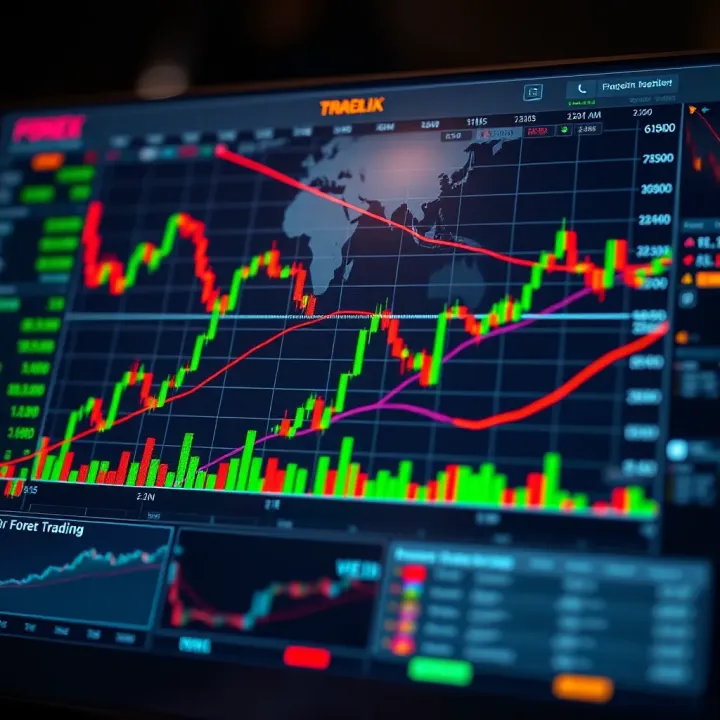
Explore how forex trading works, key risks, and tips for Nigerian investors 🇳🇬. Get insights on currency prices, regulation, and tech tools to grow your ₦ safely 📊.
📈 Understand forex trading in Nigeria: learn currency pairs, platform choices, risk tactics & how global and local events affect your ₦investments. Start smart today!
Based on 7 reviews