
Understanding Forex Trading Signals in Nigeria
📉 Discover how forex trading signals guide Nigerian traders to spot real opportunities in volatile markets. Learn trusted sources, types of signals, and risk tips to grow your ₦ safely.
Edited By
Daniel Price
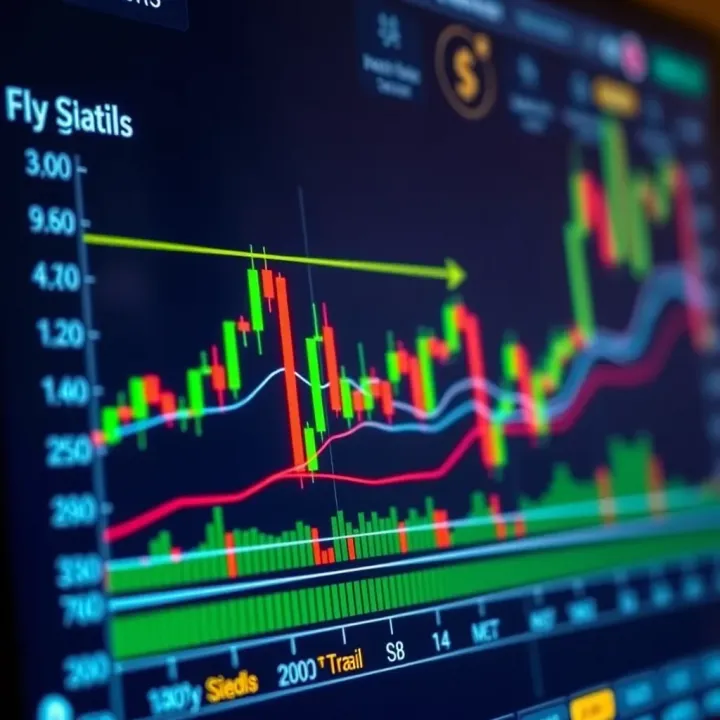
Crypto trading signals are essentially tips or alerts that suggest the right moments to buy or sell cryptocurrencies. For Nigerian traders, these signals offer a shortcut through the market's often dizzying price swings, helping to identify potential profits or avoid losses without constantly staring at charts.
These signals come from various sources, such as experienced analysts, automated trading bots, or specialised signal groups on Telegram or WhatsApp. Each signal typically includes information like the cryptocurrency symbol (BTC, ETH, etc.), entry price, stop loss, and a recommended target price.
For example, a signal might say: "Buy Bitcoin at ₦24 million, stop loss at ₦23.5 million, target ₦26 million." This tells you when to enter and exit your trade to maximise gains or limit losses if the market turns against you.
Nigerian traders often face challenges like volatile naira exchange rates and limited access to advanced trading platforms. Crypto signals can help by reducing the time spent analysing market trends, especially for beginners or those trading alongside full-time jobs.
They provide timely suggestions on market moves in a fast-paced environment.
Help inexperienced traders make more informed decisions without advanced technical skills.
Offer an entry point for those unable to monitor the market constantly due to work or other commitments.
Manual Signals: Created by human analysts after research and market study.
Automated Signals: Generated by algorithms based on predefined technical parameters.
Copy Trading Signals: Where traders replicate the actions of successful professionals based on their signals.
Understanding these signals is vital because blindly following them without context can lead to losses, especially when dealing with highly unpredictable cryptocurrencies. In subsequent sections, you will learn to identify reliable sources, manage risks, and adapt signals for your trading style in Nigeria’s unique market conditions.
Crypto trading signals serve as practical tools that guide traders on when to buy, sell, or hold cryptocurrencies. They distil complex market data into clear, actionable suggestions, helping traders save time and make informed decisions. For Nigerian traders navigating volatile markets with limited time for deep analysis, understanding these signals is essential.
Crypto trading signals communicate vital information about potential market moves. They tell you when the market conditions suggest buying a specific cryptocurrency, selling it to lock in profits, or holding your position to avoid losses. This communication helps traders avoid guesswork and better time their trades.
The main types of signals fall into three categories: buy, sell, and hold. A buy signal indicates a good chance for the price to rise, prompting traders to enter the market. Conversely, a sell signal advises that a cryptocurrency’s price could drop, so exiting or taking profits is wise. Hold signals suggest that market conditions are uncertain or stable, meaning no immediate action is needed.
At the core of many crypto trading signals lies technical analysis. This involves studying past price data and trading volumes to spot patterns that often repeat themselves. For example, a trader might notice that a price bouncing off a certain support level several times often leads to a rally, signalling a good entry point.
Algorithms and indicators play a significant role in generating signals. Indicators like Moving Averages, Relative Strength Index (RSI), and Bollinger Bands analyse price trends and momentum, helping to predict likely market moves. Automated systems use these tools to scan markets and deliver signals quickly, which is handy for traders needing timely insights without manually crunching numbers.
Both human analysts and automated signals have their place. Human experts bring experience and can interpret news events or unusual market behaviours that algorithms might miss. However, automated signals offer speed and consistency, running 24/7 without fatigue. Nigerian traders often find a mix useful—relying on automated alerts but validating them with personal judgement and awareness of local market factors such as naira fluctuations or regulatory announcements.
Knowing how these signals work and where they come from equips you to trade smarter rather than just following calls blindly. For Nigerian traders juggling market volatility and limited access to direct information, signals are valuable guides—but should always be checked against wider market context and personal research.
Knowing where to find reliable crypto trading signals is vital for Nigerian traders looking to make smart moves in the volatile cryptocurrency market. The right sources not only guide your entry and exit points but also help avoid costly mistakes from unreliable tips or scams. Nigerian traders have access to both free and paid options, each with its perks and downsides.
Telegram channels and social media have become popular for sharing crypto signals for free. Many Nigerian traders join Telegram groups or follow Twitter accounts that post regular updates on coins to watch. While these sources can provide fast and easy access to signals, quality varies drastically. For example, some Telegram groups flood their chats with conflicting or outdated signals, making it hard to trust their advice without doing your own checks. Still, with proper caution and using signals from well-known Nigerian crypto influencers or communities, free signals can serve as a starting point for beginners.
On the other hand, subscription-based signal providers in Nigeria offer paid services that promise more accuracy and accountability. These providers often use technical analysis combined with proprietary algorithms to generate signals. For a monthly fee, you might get alerts through apps or WhatsApp that are more targeted and come with supporting data. While paid services cost money, many Nigerian traders find value when subscribing to trusted platforms, especially those with records of consistent wins. One practical example is a subscription that offers signals for Binance or Luno users in Nigeria, with risk management tips included.
Carefully checking the track record and transparency of any signal provider is a must. Providers who openly share their past performance, including wins and losses, often earn more trust. Some paid Nigerian services publish monthly reports showing success rates, which can help you gauge if their signals fit your strategy. Lack of transparency often signals potential risk or scam.
Next, pay attention to user reviews and community feedback. Nigerian traders often discuss their experience in forums or on social media platforms. Honest feedback highlights signal effectiveness, customer support quality, and hidden charges. For instance, if a provider consistently gets good reviews on platforms like Nairametrics or specialises in signals for popular crypto pairs in Nigeria, it reflects credibility.
Finally, understanding service terms and fees is critical before committing. Check what the subscription covers: number of signals per day, access to tutorials, and refund policies. Nigerian traders should be wary of providers demanding large upfront payments without offering trial periods. Transparent pricing with clear terms makes it easier to decide if the service matches your budget and trading goals.
Selecting reliable crypto trading signals involves balancing cost, credibility, and your personal research. Always verify signals independently and manage your risk to avoid losses.
In summary, Nigerian traders must navigate free and paid options by researching signal providers carefully. Combining good sources with your trading knowledge will boost your chances of making profitable decisions.
Crypto trading signals offer Nigerian traders useful guidance amidst a market that changes quickly and unpredictably. Knowing the benefits alongside the risks is necessary for making smart decisions. Signals can sharpen your trading game but relying on them blindly may lead to losses.
One practical advantage of crypto trading signals is that they cut down the hours you'd otherwise spend scanning charts and news for clues. For example, a busy trader in Lagos juggling a day job can receive ready-made signals through Telegram or paid platforms, helping them stay active in the market without needing to learn every technical detail. This saves effort while still keeping them in the loop.
Many signal providers base their calls on extensive technical analysis or algorithmic models. This means traders can tap into the expertise of analysts who track global market moves or use automated indicators 24/7. For a trader unfamiliar with candlestick patterns or Moving Averages, a signal might flag a promising buy or sell opportunity, helping them benefit from professional insights.
Knowing when exactly to enter or exit a trade is key to maximising profits. Signals promise to improve your timing by indicating optimal points, such as buying before a bullish surge or selling before a dip. For instance, a signal stating “Buy BTC at ₦15 million with stop-loss at ₦14 million” provides clear direction that can help avoid missed chances or unnecessary risks.
Crypto markets are famously volatile, with prices swinging sharply within minutes. Signals are not foolproof; sometimes they provide false alerts due to sudden news or manipulation. For example, a signal may advise buying a token just before it crashes because of a regulatory announcement. Nigerian traders must remember that signals are neither guarantees nor crystal balls.
While signals support decision-making, relying on them too much can dull your judgment. A trader might ignore important market trends or personal research, blindly following signals that turn bad in unpredictable conditions. For instance, during ember months when markets react strangely, depending solely on signals without context can lead to losses. Learning to cross-check signals with your own analysis is essential.
Unfortunately, many signal services prey on hopeful traders, offering unrealistic promises or fake results. Some may charge steep fees without delivering quality signals. Nigerian traders have reported losing money to providers who disappear or push risky calls disguised as sure bets. Always check the provider’s track record, reviews, and transparency before committing cash.
Crypto trading signals can be helpful tools if used wisely, but Nigerian traders must stay vigilant against false alerts and dodgy providers. Combining signals with personal research and careful risk management offers the best chance of success.
In summary, signals can boost your trading by saving time, giving expert views, and improving trade timing. Still, being aware of their limitations and protecting yourself from scams ensures that you trade smarter, not just faster.
Using crypto trading signals effectively can give Nigerian traders a better edge in the volatile cryptocurrency market. However, relying solely on signals without applying personal judgement or risk management often leads to losses. This section highlights key practical strategies Nigerian traders should adopt to make smart use of crypto signals while protecting their capital.
Verifying signals with price charts helps confirm whether a trading suggestion aligns with market movements. For example, if a signal advises buying Bitcoin, you should check recent price charts and technical indicators like Moving Averages or RSI before acting. When these charts support the signal’s direction, your chances of success improve. This approach also guards against blindly following inaccurate or outdated signals.
Caution during high volatility periods is critical, especially in the Nigerian market where external events often trigger wild price swings. Crypto assets can become unpredictable around major global announcements or sudden naira exchange rate fluctuations. During such times, even reliable signals may fail. Traders should avoid making impulsive decisions and consider reducing trade sizes or sitting out until the market stabilises.
Setting stop-loss and take-profit levels means deciding in advance how much loss you can tolerate and when to secure profits. Using these limits on every trade based on signal advice helps contain losses and lock in gains automatically. For instance, if you enter a trade at ₦2 million and set a stop-loss at ₦1.8 million, your loss stops if the price drops too far. This discipline safeguards your capital.
Starting with small trade sizes is a wise approach when testing new crypto signals or strategies. Many Nigerians new to crypto trading risk large sums in hope of big returns, only to suffer serious setbacks. By beginning with smaller stakes, like ₦10,000 or ₦20,000, you can assess signal accuracy without threatening your savings. Gradually increase your trade size as your confidence and results improve.
Keeping emotions separate from decisions is often overlooked but crucial. Crypto markets can provoke strong feelings—fear during price drops and greed during spikes. Letting emotions drive trades causes reckless moves or missed opportunities. Sticking to a clear plan that combines signals, personal research, and risk management helps maintain calm and objective decision-making even when naira volatility or market noise is high.
Successful Nigerian crypto traders know signals alone don’t guarantee profits. They balance signals with sharp market observation, measured risk-taking, and emotional control to weather ups and downs.
Employing these practical tips will help you trade more confidently and sustainably in Nigeria’s challenging crypto environment.
Navigating the legal landscape is a vital part of crypto trading in Nigeria. Knowing the country’s regulatory stance helps traders avoid pitfalls that could cost them heavily, both financially and legally. This section sheds light on regulatory bodies’ positions and what Nigerian traders need to watch out for when using crypto trading signals.
The Central Bank of Nigeria (CBN) has maintained a cautious approach towards cryptocurrencies. Since 2017, the CBN has not explicitly banned cryptocurrency ownership, but it has repeatedly warned financial institutions against facilitating crypto transactions. In February 2021, the CBN instructed banks and other financial institutions to close accounts linked to crypto trading activities. While this does not criminalise crypto trading outright, it restricts access to the traditional banking system for crypto-related activities.
For Nigerian traders, this means they often rely on alternative payment methods like offshore crypto exchanges or peer-to-peer platforms. Understanding the CBN’s stance helps traders better manage the risk of account closures and transactional delays.
The Securities and Exchange Commission (SEC) Nigeria has taken steps to regulate digital assets distinct from the CBN’s position. The SEC recognises certain digital assets and tokens as securities and promotes investor protection through licensing and registration of crypto service providers.
For users of crypto trading signals, SEC guidelines remind that many signal services or platforms might not be registered or authorised. Traders should verify whether a signal provider is compliant with SEC regulations, as non-compliance may imply higher risk of fraud or malpractice.
A significant challenge for Nigerian crypto traders is the prevalence of unregulated signal providers. Without oversight, some signal platforms might offer false or misleading advice to lure traders into risky deals. There have been cases where unscrupulous actors disappeared with traders' funds after offering promising signals.
Traders should conduct thorough due diligence, including checking the history and transparency of the signal operators. Opting for providers with verifiable records or that comply with local regulations reduces exposure to scams.
Beware: Using unregulated services puts your investment at risk. Always prioritise providers with clear accountability.
Crypto trading often requires sharing sensitive information such as phone numbers, email addresses, and sometimes wallet details. In Nigeria’s context, where cybercrime and data breaches are rising, protecting this data becomes critical.
When subscribing to crypto trading signals, always review privacy policies and avoid sharing more information than necessary. Using reputable platforms with strong data protection measures helps prevent identity theft and financial loss. Additionally, employing secure communication tools and enabling two-factor authentication adds important layers of defence.
Maintaining good cybersecurity hygiene is especially important since attackers exploit weak spots in Nigeria’s fintech space, targeting unsuspecting traders during peak periods like ember months when trading activity surges.
By understanding these legal and regulatory elements, Nigerian traders can better navigate the complex environment of crypto trading signals. Staying informed shields you from scams and financial setbacks, ensuring a more secure and confident trading experience.
📉 Discover how forex trading signals guide Nigerian traders to spot real opportunities in volatile markets. Learn trusted sources, types of signals, and risk tips to grow your ₦ safely.

📘 Explore crypto trading basics, strategies, and risk tips for Nigerians using PDF guides. Master the crypto space confidently while managing ₦ risks and regulations 🇳🇬
Ready to trade crypto in Nigeria? Learn market basics, pick the right platforms, manage risks, and handle ₦ payments safely. Start your crypto journey today! 🚀💰🇳🇬
Discover how Nigerian forex traders can pick top forex trading signals 📈. Learn to evaluate providers, use signals wisely, and boost your trading results effectively.
Based on 6 reviews