
Best Forex Trading Platforms in Nigeria
Looking to trade forex in Nigeria? Discover key features, top platforms, and tips to pick the best broker that fits your trading style! 📈🇳🇬
Edited By
Oliver Maitland
Forex trading has gained serious traction among Nigerian investors, entrepreneurs, and traders looking to grow their wealth amid local economic challenges. Picking the right forex trading platform isn’t just about flashy features or catchy ads—it's about safety, reliability, and suitability for Nigeria’s market.
The Nigerian forex environment differs from global counterparts because of factors like naira volatility, periodic foreign exchange restrictions by the Central Bank of Nigeria (CBN), and varying internet infrastructure quality. These realities shape the kind of platform that will give you smooth, trustworthy access to currency markets.

When choosing a platform, consider these key features:
Regulatory compliance: Look out for platforms regulated by respected authorities like the Nigerian Securities and Exchange Commission (SEC) or internationally recognised bodies such as the Financial Conduct Authority (FCA). This reduces risk of scams or malpractices.
User interface and accessibility: A good platform should load quickly on Nigerian networks and support mobile trading — crucial for traders who rely on smartphones.
Deposit and withdrawal options: Since naira access to global financial systems can be limited, platforms accepting popular local payment methods like bank transfers, USSD, or fintech wallets (e.g., Kuda, OPay) add convenience.
Educational resources: Platforms offering tutorials and market analysis help beginners sharpen their skills and make smarter decisions.
Safety in forex is non-negotiable. Many Nigerian traders have lost money to bogus platforms promising guaranteed returns. Always verify platform licences, read user reviews from trusted sources, and avoid platforms that demand large upfront fees without clear terms.
Popular platforms in Nigeria include MetaTrader 4 and 5, ForexTime (FXTM), and XM. These have built reputations for quality service and provide localised support.
Practical tips for new Nigerian traders:
Start small to test platform usability and execution speed.
Use demo accounts to familiarise yourself without risk.
Keep track of CBN’s forex policies and naira exchange fluctuations—these impact trading costs and conversion.
Join local forex communities for real-time advice and peer support.
The choice of your forex platform could make or break your trading experience. Take time to research and prioritise platforms tailored to Nigeria’s specific needs, ensuring you trade securely and effectively.
Understanding forex trading platforms is essential for anyone interested in trading currencies in Nigeria. These platforms serve as the gateway through which traders access the global foreign exchange market, and awareness of their features, benefits, and risks helps you make informed decisions. For Nigerian traders, familiarising with how these platforms work ensures you can navigate the challenges of currency fluctuations and the naira's volatility with greater confidence.
A forex trading platform is software that connects buyers and sellers in the currency market, allowing users to make trades on currency pairs like USD/NGN or EUR/USD. Its main purpose is to facilitate smooth and real-time trading by providing interfaces where you can place orders, monitor price movements, and manage your positions.
On a practical level, the platform acts like a marketplace and a toolkit rolled into one. For example, MetaTrader 4 or 5 offers charting tools, indicators, and real-time quotes, all accessible on your laptop or mobile phone. This enables you to react quickly to market changes—whether you’re at home in Lagos or travelling.
Forex platforms bridge the gap between traders and the global FX market. They provide access to liquidity providers and brokers, enabling the buying and selling of currencies within seconds. For instance, when you place a buy order for the US dollar against the naira, the platform routes your order to market makers or interbank networks to execute the trade.
Besides order execution, these platforms often include tools for technical analysis, risk management features like stop-loss orders, and news feeds that keep you updated on economic events impacting currency values. Such features are vital, especially when dealing with Naira's fluctuations affected by Central Bank policies or international market shifts.
Interest in forex trading has grown sharply in Nigeria over the last decade, largely due to increased internet accessibility and smartphone use. Many Nigerians see forex trading as a way to supplement income or build wealth outside traditional fixed-income jobs, especially during periods of inflation and currency instability.
Forex platforms have also expanded investment options beyond conventional avenues like real estate or stocks on the Nigerian Exchange (NGX). For many, trading currencies online offers flexibility and the potential for daily profits, despite the risks. Platforms tailored to Nigerian users, sometimes integrated with local payment systems such as OPay or Kuda, make it easier to move money in and out, boosting participation.
The impact of these platforms goes beyond individual traders. They contribute to foreign currency flows within the economy, influencing exchange rate dynamics and sometimes attracting remittances channelled through fintech companies. Consequently, understanding these platforms helps you appreciate their broader role and how they affect personal finances as well as national economic trends.
A good grasp of how forex platforms operate empowers Nigerian traders to better manage their investments, avoid scams, and seize opportunities presented by fluctuating currency markets.
Choosing the right forex trading platform in Nigeria hinges on several key features that impact both the ease of trading and the potential for profits. Understanding these features lets you avoid platforms with poor usability or hidden costs. Since forex trading involves swift decision-making and real-time reactions, a platform’s design and tools can make or break your strategy.
A straightforward and clean user interface is essential for Nigerian traders, especially beginners. Complex layouts with cluttered menus can confuse users and lead to costly mistakes. For instance, a trader trying to execute a quick buy or sell order during volatile market movement needs a platform that’s easy to navigate without hunting for buttons. Think of it like driving a danfo in Lagos traffic — the smoother and more predictable your controls, the safer your ride.
Platforms that offer clear menus, readable fonts, and well-organised tools help daily users save time and avoid frustration. Even experienced traders benefit from an interface that reduces the noise and directs focus to important tasks like open positions, balance, and indicators.
Mobile accessibility is vital in Nigeria where many users rely on smartphones. A quality forex trading platform must have a responsive, functional mobile app to allow trading on the go. This flexibility means you can monitor trades during your commute or from outside your home without losing out on timely actions.
Consider traders in Abuja or Lagos who face frequent power outages or unstable internet. A reliable mobile app with offline features or low data use is a plus. Platforms such as MetaTrader 4 and 5 are popular for their mobile versions, offering robust functionality comparable to desktop setups.
The ability to conduct technical analysis directly on the platform separates casual traders from those aiming for consistent profits in Nigeria’s forex space. Good platforms offer tools like moving averages, Bollinger Bands, and RSI (Relative Strength Index) to interpret market trends and identify entry or exit points.
For example, a trader using Olymp Trade might rely on the MACD indicator to judge momentum shifts in currency pairs like USD/NGN. Without integrated tools, traders would need to switch between apps, which slows decision-making and increases risk.
Forex moves fast, and outdated data can lead to bad trades. Real-time streaming quotes and charts allow Nigerian traders to react instantly to market news or global events affecting currencies. Platforms lacking this feature expose traders to price slippage or missed opportunities.
In particular, forex pairs involving the Nigerian Naira (NGN) can be volatile due to local economic factors like CBN policies or naira’s exchange rate fluctuations. Access to current, live data helps maintain accuracy and enhances trust in the platform.
Transaction costs vary widely between platforms and impact your bottom line. The spread is the difference between the buying and selling price of a currency pair and acts like a hidden fee. Some platforms also charge commissions per trade or have inactivity fees.
For Nigerian traders working with limited capital, high spreads or multiple fees reduce profit margins significantly. For example, choosing a broker with spreads of 2 pips (the smallest price move in forex) versus one with 0.5 pips can mean paying ₦4,000 extra per every ₦1 million traded.
Even small fees compound over many trades, so considering these charges before committing is smart. Traders often aim for strategies with tight stop-losses and quick turnaround to minimise exposure; high fees can make such strategies unviable.
Always check the detailed fee schedule and test the platform with a demo account. This practice will give a practical sense of how much cost eats into profits before you trade with real ₦.
Choosing a forex platform with a user-friendly interface, ample trading tools, real-time data, and reasonable fees is non-negotiable for Nigerian traders serious about long-term success.
Trading forex in Nigeria comes with rewards and risks, which makes safety and regulation a top priority. For any trader, knowing that your platform is legitimate and your funds are protected is not just important — it’s critical. The forex market’s fast pace combined with the prevalence of scams means you need to be cautious and well-informed to avoid pitfalls.
Regulatory bodies in Nigeria play a key role in safeguarding traders. The Securities and Exchange Commission (SEC) is the primary regulator overseeing capital markets, including forex trading activities. Platforms registered or recognised by SEC offer some assurance they meet basic standards of transparency and security. Additionally, the Central Bank of Nigeria (CBN) also sets guidelines affecting forex transactions, especially around foreign exchange and naira management. Traders should verify if the platform complies with these bodies to avoid unregulated operators.
Outside Nigeria, many global forex platforms follow regulations from jurisdictions such as the United Kingdom’s FCA or Australia’s ASIC. While these add credibility, Nigerian traders should balance those with local regulatory compliance to avoid problems with fund withdrawals or legal protections.
Common signs of scams are often easy to spot if you know what to look for. Platforms promising guaranteed returns, excessive leverage beyond global norms, or aggressive marketing tactics often raise red flags. Another warning sign is the lack of clear contact information or physical address. If a platform avoids transparency about who runs it or lacks verifiable user reviews, that’s a major cause for concern. Some scam sites even mimic well-known platforms’ interfaces but try to steal your funds or personal data.
Always cross-check the platform name with SEC’s list of licensed forex brokers and read user experiences on forums and social media before investing any money.
Using secure payment methods is central to keeping your money safe. Reliable platforms generally support payment options like bank transfers from Nigerian banks, Paystack, Flutterwave, or even USSD codes linked to BVN-verified accounts. These methods ensure traceability and reduce fraud risk. Avoid platform wallets that require you to keep large balances inside the system without options to withdraw to your bank.
Account protection measures should not be overlooked either. Look for features such as two-factor authentication (2FA), which asks for a secondary confirmation apart from your password, reducing chances of hacking. Robust platforms notify users immediately of any unusual login activity or withdrawal requests, giving you time to respond. Also, update passwords regularly and never share your login details.
In the Nigerian context where scams around online payments are unfortunately common, taking steps to safeguard your trading account and information is crucial. Combining regulatory awareness with practical security measures ensures that trading forex can be done safely, letting you focus on growing your investment rather than worrying about potential losses to fraud.
Nigerian traders today have access to a mix of local and international forex platforms, each bringing unique features that cater to different trading needs. Understanding these platforms’ strengths and limitations helps traders make informed choices, improving their chances of success in Nigeria’s growing forex market.
Platforms like MetaTrader, Olymp Trade, and Binomo stand out for their global reputation and trusted technology. MetaTrader 4 (MT4) and MetaTrader 5 (MT5) are particularly popular for their advanced charting tools, expert advisors (automated trading bots), and support for different asset classes beyond forex. Nigerian traders often prefer MetaTrader for its flexibility and compatibility with most brokers. Olymp Trade and Binomo are known for simpler interfaces and fixed-time trades, appealing to beginners who want straightforward ways to test strategies.
These platforms provide access to real-time data and fast execution, which are vital in forex trading where seconds can make a huge difference. However, they may require more understanding to maximise their tools effectively.
Nigerian-focused features on platforms like OPay or Kuda provide a more tailored experience for local traders. These fintech companies originally known for digital banking and payments have introduced forex trading on their platforms, simplifying funding and withdrawals in Naira. For instance, Kuda integrates forex trading within its app, allowing seamless naira-to-dollar conversions at competitive exchange rates. OPay offers quick deposit options using local bank transfers and USSD codes, enabling traders without access to international cards to participate actively.
Such platforms ease the pain points of currency conversion and fund management that often discourage many Nigerians from venturing into forex. They also have customer support that understands Nigerian trading conditions, including managing naira volatility and regulatory updates.
Fees and spreads greatly influence overall profitability. International platforms like MetaTrader brokers tend to offer tight spreads but may charge commissions or swap fees. Olymp Trade and Binomo often use fixed spreads with no commissions, which simplifies cost calculations but sometimes come with slightly wider spreads. On the Nigerian fintech apps, fees are generally low or hidden within the exchange rates offered on currency conversions. But traders should watch for unexpected charges during deposits or withdrawals.
Ease of deposit and withdrawal varies widely. MetaTrader-based platforms differ depending on the broker, with some supporting local deposits through Nigerian banks and others relying on international cards or e-wallets. OPay and Kuda shine here by integrating with Nigeria’s banking ecosystem, allowing swift naira deposits and withdrawals without the hassle of third-party gateways. This convenience is crucial in a market where access to foreign-exchange funding can often be challenging.
Customer support quality is a major factor, especially for new traders. International platforms offer 24/7 support via live chat or email but may lack understanding of local challenges like intermittent power supply or banking restrictions. In contrast, platforms like OPay and Kuda tend to offer more responsive, Nigeria-centric support teams that can guide users through regulatory and technical concerns relevant in the Nigerian environment.
Choosing the right platform depends on your trading style, budget, and comfort with local or international systems. Prioritise ease of funding, transparent fees, and reliable support to avoid common pitfalls in Nigeria’s forex space.
Overall, familiarising yourself with these popular platforms and their features shapes smarter trading decisions, helping you navigate forex markets with confidence.
Starting forex trading in Nigeria demands clear steps and careful choices to avoid common pitfalls. It is not just about opening an account and clicking buttons; understanding the setup process, funding options, and basic trading strategies solidifies a trader’s path towards success. This section focuses on the practical realities Nigerian traders face when venturing into forex, helping beginners to start smart and safe.
Opening a forex trading account begins with registration on a chosen platform. Most platforms require basic information such as your full name, email, phone number, and country of residence. In practical terms, platforms like MetaTrader or Olymp Trade might also ask for details like your trading experience or investment goals to tailor the service or comply with regulations.
You'll need to provide valid identification, such as your National Identification Number (NIN), International Passport, or Driver’s Licence, because KYC (Know Your Customer) rules ensure safety against fraud. This verification step might take a few days but protects you and the platform from scams.
Linking your Nigerian bank account is another key step. Because you will be depositing and withdrawing Naira, linking a local bank account ensures smooth transactions and lower fees. Banks like Access Bank, GTBank, or Zenith Bank are widely accepted by brokers and usually offer quick verification through bank statements or account confirmation.
Choosing trusted local payment methods supports both quick funding and security. Bank transfers, USSD codes (like those from banks or platforms such as Opay), and debit or credit cards work well. Some brokers accept mobile wallets like Paga or Kuda. For example, via Paystack integration, people can fund their forex accounts with ease while also enjoying transaction security.
Handling the naira to dollar conversion is particularly important. Since forex trades mostly happen in US dollars, knowing the exchange rate movement saves you from losing on conversions or hidden charges. Many platforms automatically convert deposited Naira to dollars at competitive rates, but some charge fees or offer less favourable rates. Checking this before funding prevents unnecessary losses.
Risk management is the foundation for any beginner. Limiting the amount you trade per transaction and using stop-loss orders can protect your capital from wild market shifts. For example, only risking 1–2% of your total trading fund per trade is a common rule to maintain discipline.
Starting with demo accounts is a smart way to build confidence without risking real money. Demo accounts mimic real market conditions, allowing you to practise spot opportunities and errors. Many Nigerian traders use demo modes on MetaTrader 4 or Olymp Trade before going live, which reduces costly mistakes later.
Remember, forex trading is not a sprint but a marathon. Starting correctly with the right setup, safe funding, and strong strategies builds a firm base for long-term trading success in Nigeria.
Looking to trade forex in Nigeria? Discover key features, top platforms, and tips to pick the best broker that fits your trading style! 📈🇳🇬
Learn how to pick the best forex trading platform in Nigeria 🇳🇬 for beginners! Compare top platforms, usability, costs, and security tips to trade confidently. 📈💰
Explore top forex trading platforms for Nigerian traders 🇳🇬! Learn about ease of use, security, fees, and tools to find the best fit for you 💡📈.
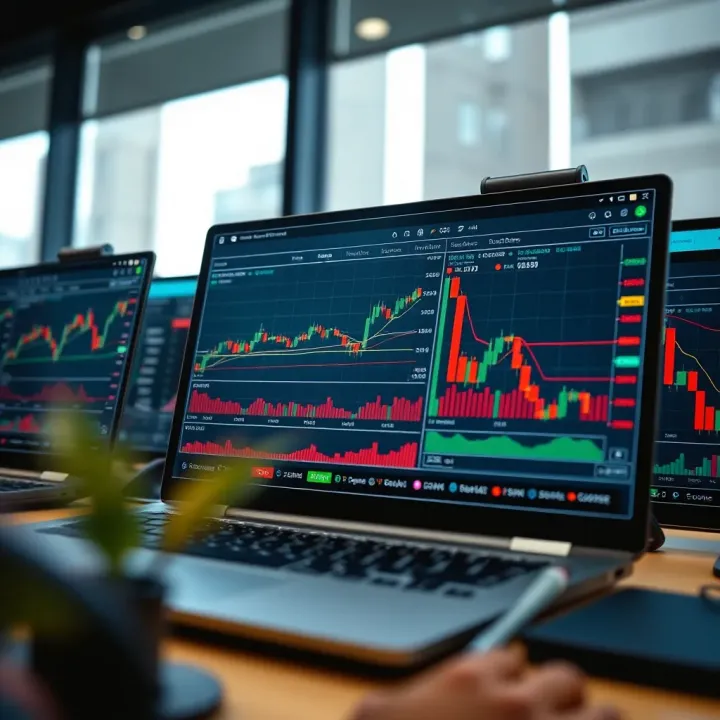
Discover the top forex trading platforms in Nigeria 🇳🇬, compare features, and get expert tips to trade smartly in the Nigerian forex market 📈💡
Based on 6 reviews