
Best Forex Trading Platforms in Nigeria
Looking to trade forex in Nigeria? Discover key features, top platforms, and tips to pick the best broker that fits your trading style! 📈🇳🇬
Edited By
Oliver Bennett
Starting off in forex trading can feel like diving into the deep end without a lifebuoy, especially in Nigeria where the market has its quirks. Picking the right trading platform isn’t just about flashy charts or fancy features; it’s about finding a tool that fits your skill level, budget, and security needs.
This guide lays out the essentials in plain language, helping new traders cut through the noise. We’ll look at what features genuinely matter, compare popular platforms available in Nigeria like MetaTrader 4, MetaTrader 5, and cTrader, and spotlight how costs and security play into making a smart choice.
Whether you’re trading from Lagos, Abuja, or beyond, understanding your options can make a world of difference. Let's break down the jargon and get you set up to trade with confidence.
Remember, the best platform is the one you feel comfortable navigating every day—not just the one with the most bells and whistles.
Forex trading platforms are more than just digital spaces where you buy and sell currency pairs. For beginners in Nigeria, grasping what these platforms really do can make a stark difference in your trading outcomes. These tools act as your gateway to the forex market, providing the mechanics for trade execution, the lens for market insight, and the dashboard for managing your account.
When you understand how a platform works, you can choose one that fits your comfort level, trading style, and local realities like internet speed and payment options. For example, knowing that some platforms offer tighter spreads or faster execution can save you frustration and money down the line. On the other hand, platforms with clunky interfaces or weak customer support might hold you back before you even get started.
At its core, a forex platform's main job is to let you place trades quickly and accurately. This means when you decide to buy or sell a currency pair like USD/NGN, the platform sends that order to the market without lag or error. Delays or downtime can cost you big, especially during volatile moments where prices swing wildly within seconds.
Platforms like MetaTrader 4 and 5 excel here because they connect directly to liquidity providers ensuring swift execution. Good execution features also include one-click trading and the ability to set limits or stop-loss orders easily, keeping risks in check.
Trading without tools is like sailing without a compass; you’re just guessing. A quality platform offers charts, technical indicators, and real-time news feeds that help make sense of market moves. For instance, beginner traders might rely on simple moving averages or RSI (Relative Strength Index) to spot trends or potential entry points.
Some platforms go a step further by offering economic calendars and sentiment analysis to keep you that extra mile ahead. In Nigeria, where market-moving news might come from both forex and local economic sources, having this variety of tools in one place is a big advantage.
Managing your trading account efficiently is just as important as making smart trades. Platforms provide dashboards where you can check your balance, review open positions, track your trade history, and even get performance reports.
For new traders, features like easy deposit and withdrawal processes, clear fee breakdowns, and notification alerts about margin levels or upcoming economic events are invaluable. A smooth account management system reduces stress and lets you focus on learning and trading without getting tangled in paperwork or confusing interfaces.
Desktop platforms tend to offer the most advanced tools and fastest execution because they run directly from your computer. For example, MetaTrader’s desktop version allows detailed customizations and expert advisor integrations. However, they require installation and aren’t portable.
Web platforms run in your browser, no download needed. Their biggest perk is accessibility—from any device with internet, you can log in and trade. But they sometimes lack the full feature set and speed of desktop apps and can be affected by browser crashes.
Mobile platforms let you trade on the go, ideal for Nigerians who rely heavily on smartphones. Apps like MetaTrader and cTrader offer nearly the same functionalities but condensed for smaller screens. The downside is they might not be as comfortable for complex analysis due to screen size.
Beginners often benefit from starting on web or mobile platforms due to their simplicity and ease of access. For example, novice traders can practice on the go with demo accounts on mobile apps, getting used to the market without all the bells and whistles.
That said, as familiarity grows, switching to a desktop platform might be worth the learning curve because of richer tools and faster trade execution—vital when patterns become more complex.
In short, your choice between desktop, web, or mobile should reflect where you trade, how often, and how deeply you plan to engage with the market tools.
By breaking down what each platform offers, beginners can avoid feeling overwhelmed and instead focus on learning and trading effectively from the start.
When stepping into the forex world, especially for beginners in Nigeria, picking a platform packed with the right features can make all the difference. These features aren’t just bells and whistles; they’re the pillars supporting your trading experience, helping you learn the ropes while minimizing unnecessary risks.
A good platform should be user-friendly, so you’re not scratching your head trying to find basic tools. It needs to offer solid educational resources because trading isn’t something you learn overnight. Demo accounts also come in handy—they let you practice without risking real money. Security and regulation ensure your funds are protected and you’re trading legit markets, which is vital considering the rise of online scams.
Finally, cost transparency is a must. Hidden charges can eat into your profits fast, so knowing upfront what you pay helps keep your trade game strong and your wallet intact.
A simple and clean interface is like a friendly guide in a busy market—it helps you find what you need without getting lost. For beginners, a cluttered platform can be overwhelming, causing mistakes or missed opportunities. Look for platforms that organize charts, order buttons, and account info in clear sections. For example, MetaTrader 4 is popular worldwide partly because newbies find its layout straightforward—menus are logical, and it’s easy to jump from charting to placing trades.
Critical tools should be right at your fingertips. This means no diving through multiple menus just to set stop-loss orders or check leverage. Convenient access to technical indicators and real-time quotes matters because forex markets move fast—every second counts. Platforms like cTrader allow quick toggling between charts and execution panels, so a beginner can react swiftly to sudden market changes.
Even the sharpest trader started by figuring things out bit by bit. Good beginner platforms offer well-structured tutorials, videos, and articles tailored to forex newbies. These resources can take you from understanding basic terms like "pip" and "spread" to mastering entry and exit strategies. For instance, the Investopedia Forex Simulator paired with broker guides on ThinkMarkets can be a handy combo for Nigerian traders.
When questions or tech hiccups pop up, prompt customer support saves the day. Platforms with 24/7 support via chat, email, or phone help prevent frustration and downtime. Nigerian users should check if the broker offers local phone support or quick email responses, which can be a lifesaver during volatile trading hours.
Think of demo accounts as a sandbox that looks and feels like the real deal but uses virtual money. You get access to live market data and can place trades just like in a live account, but without risking your naira. This hands-on experience teaches you how orders work, how to read charts, and how news affects currency prices.
Practicing with a demo account builds confidence and discipline without the fear of losing actual cash. It also lets you test different strategies and understand your risk tolerance before jumping in live. Many Nigerian beginners find platforms like MetaTrader especially helpful because they offer demo trading with no expiry date, letting you learn at your own pace.
Trading on a regulated platform means you're playing by official rules designed to protect you. In Nigeria, the Securities and Exchange Commission (SEC) oversees some forex brokers, but many traders also look for brokers regulated by global bodies like the FCA (UK) or CySEC (Cyprus). This ensures fair practices and recourse if things go sideways.
Safe trading platforms invest heavily in guarding your info through encryption and two-factor authentication. This is crucial no matter where you trade, but especially online where cyber threats are a daily worry. Always check if your chosen platform supports SSL encryption and offers security alerts for suspicious logins.
Security isn't just about money—it’s about peace of mind so traders can focus on the markets, not the risks.
Forex platforms typically make money through spreads (the gap between buy and sell prices) or commissions per trade. Some charge both. Watching out for hidden fees like inactivity charges or withdrawal costs is key. For example, FXTM is known for tight spreads but might charge withdrawal fees depending on the method.
Fees might seem small, but they stack up quickly, especially when trading frequently. Beginners often overlook how costs eat into profits, sometimes turning a winning strategy into a loss. Choosing platforms with clear, low-cost structures, such as IG or Pepperstone, can preserve your capital longer, giving you a better shot at success.
Focusing on these features will help beginners in Nigeria avoid common pitfalls and build a stronger, more confident foundation in forex trading.
When starting forex trading in Nigeria, picking the right platform can feel like finding a needle in a haystack. Nigerian traders have access to a variety of popular platforms, each with its quirks, strengths, and drawbacks. Knowing what's out there helps beginners to avoid common pitfalls and pick a platform that fits their needs and trading style.
The importance of choosing a widely recognized and accessible platform cannot be overstated. Platforms like MetaTrader and cTrader have a global presence and offer extensive resources. Meanwhile, local Nigerian-friendly brokers link you closer to specific market conditions and convenient payment options.
MetaTrader 4 (MT4) and MetaTrader 5 (MT5) are arguably the most popular platforms globally. MT4 is well-loved for its straightforward interface, allowing traders to execute trades easily, analyze charts with a vast library of indicators, and automate trading through Expert Advisors (EAs). The platform is stable and compatible with many brokers, making it a go-to option for newbies.
MT5, its successor, offers some upgrades like more timeframes, access to additional markets like stocks and futures, and the ability to close partial orders — something MT4 lacks. Nigerian traders who want a slightly broader scope might find MT5 worth considering.
Both MT4 and MT5 are beginner-friendly but in slightly different ways. MT4's simplicity is perfect if you’re just getting your feet wet; its widespread use means tons of tutorials and community support exist online. MT5 might feel a bit overwhelming at first but if you’re keen on exploring more trading instruments or advanced features, it's well worth the effort.
A practical tip: Start with MT4 if you're new, use the demo account for practice, then gradually explore MT5 once you’re comfortable.
cTrader is designed with fresh, modern aesthetics and a clear focus on ease of use. The interface is intuitive enough for beginners but also powerful enough to keep more advanced users engaged. Its drag-and-drop feature for chart manipulation is a standout, making analysis less of a headache.
For Nigerian traders constantly on the go, cTrader's responsiveness across desktop and mobile can be a lifesaver. The layout feels less cluttered compared to other platforms, which can ease the learning curve.
cTrader shines with its advanced order types, like market, limit, stop, and stop limit orders, plus more sophisticated ones like One Cancels Other (OCO). The level II pricing feature shows deeper market liquidity — excellent for those aiming to understand order flow.
Charting tools are comprehensive, with numerous technical indicators and multiple chart layouts. Also, its algorithmic trading capability supports C# coding for those interested in custom bots, providing a pathway from beginner to more technical trading strategies.
Local platforms such as Trove Markets and Chaka have emerged to cater specifically to Nigerian traders. These brokers don’t just offer forex but often integrate local stock markets and other assets in a single interface. They typically accept payment methods popular in Nigeria like bank transfers and USSD payments, reducing friction in funding accounts.
The biggest advantage local brokers bring is convenience. Transaction speeds are faster since local banks and payment networks are involved. Customer service is often more accessible with support in familiar languages and time zones.
Another upside is regulatory familiarity — some of these brokers operate under Nigerian authorities or have partnerships ensuring compliance with local laws, which adds a layer of trust.
Navigating the forex world gets easier when your platform feels like it knows the local terrain.
In summary, Nigerian traders are spoiled for choice, but the best platform depends on whether you prioritize simplicity, powerful tools, or local convenience. MT4 remains a staple for beginners, cTrader steps up the game for those ready to dive deeper, and local platforms offer a smooth on-ramp into trading without the usual cross-border hassles.
Choosing a forex trading platform isn't just about picking the flashiest app or the one with the biggest marketing budget. It's essential to get into the nitty-gritty of certain criteria that can make or break your trading experience, especially for beginners in Nigeria. By comparing platforms based on key aspects such as ease of use, market variety, execution speed, customer support, and cost, you’re setting yourself up for a smoother start and avoiding some headaches down the road.
A beginner-friendly platform should feel like a natural extension of your trading mindset, not a confusing maze. Ease of use means the interface allows you to navigate between charts, indicators, and trade entries smoothly without hunting for buttons. For example, MetaTrader 4 is popular because even novices find its layout straightforward, making it easier to place trades and manage accounts. On the other hand, platforms with cluttered menus or too many features at once, like some advanced versions of cTrader, might overwhelm a newbie. Picking a platform with a clean, intuitive design saves time and frustration.
Forex trading isn't limited to just major currency pairs. The best platforms in Nigeria offer access to a wide spread of markets — think emerging market currencies, commodities like oil or gold, indices, and even cryptocurrencies. This variety can help beginners diversify their trades and learn different market behaviors. For instance, platforms like MetaTrader 5 extend beyond forex into CFDs on stocks and commodities, which could be advantageous for someone ready to explore beyond the basics. It’s smart to choose a platform that won’t box you in as you grow.
When it comes to trading, timing is everything. Especially in forex where prices move in seconds, slow or delayed execution can lead to missed opportunities or unintended losses. Reliable platforms hosted on robust servers avoid lags or crashes during volatile market hours typical in Nigeria's timezone overlaps. For example, cTrader is known for its fast execution speeds and clear order book visualization, providing an edge in tight markets. Always test demo accounts to gauge how snappy and dependable a platform feels before committing real money.
Even the best platforms can hit snags, and when they do, timely support is vital. In Nigeria, where forex is growing rapidly, access to customer service in your timezone, preferably with multi-channel contact like chat, email, and phone, helps keep issues from snowballing. A platform like FXTM has support staff familiar with local challenges traders face. Good customer service doesn’t just help solve problems—it builds trust and confidence for beginners making their first trades.
Costs can quietly eat into your profits if you’re not careful. Understanding and comparing fee structures — spreads, commissions, overnight swap rates, and withdrawal fees — is a must. Some platforms appear cheap but have wide spreads, while others charge a commission but offer tighter spreads. For instance, IG Markets in Nigeria tends to have competitive spreads but charges commissions on some pairs, so it’s wise to run the numbers. Transparent cost breakdowns help beginner traders know exactly what they’re paying for without surprises.
Selecting your forex trading platform based on these grounded criteria ensures you’re not just trading blindly but building a solid foundation tailored to your trading style and goals.
By focusing on ease of use, market scope, performance reliability, customer support, and cost transparency, novice Nigerian traders can identify platforms that not only suit their current needs but also support their growth journey. Testing out different platforms with demo versions is a great final step to really feel which option clicks best before diving into live trades.
Jumping into Forex trading can feel like stepping into a busy market, but getting started with the right platform makes the process far less daunting. This section breaks down the practical steps needed for setting up and activating your trading account, so you can trade confidently and securely.
Every broker or trading platform requires some essential documents to open an account—think of it as their way of making sure they’re dealing with a legit trader. In Nigeria, this typically includes a valid government-issued ID such as a National ID card, International Passport, or Driver’s License. You’ll also usually need to provide proof of residence, like a utility bill or bank statement dated within the last three months. Some platforms might ask for additional documents if you’re signing up for a specific type of account or if they need to comply with global financial regulations.
Having these documents ready in advance speeds up the process and prevents delays. Remember, this verification is about protecting you and the platform from fraud or misuse.
After submitting your documents, the platform will have a verification step to confirm your identity. This process can take anywhere from a few minutes to several days, depending on the broker. Some brokers use automated systems to speed things along, while others may manually check the documents.
For example, you might get asked to take a selfie holding your ID next to your face to verify authenticity. This step is vital—it ensures that no one else is opening an account in your name.
Tip: Choose brokers with a reputation for smooth, quick verification processes. Delays here can mean missed trading opportunities.
When it comes to funding your forex trading account in Nigeria, there are a few popular methods to consider. Nigerian traders often use bank transfers through major banks like Zenith Bank, Guaranty Trust Bank (GTBank), and Access Bank. Some platforms also support payments via Luno, Paystack, or even mobile money wallets. Credit and debit cards, like Visa and Mastercard, remain common, though not every broker accepts them.
Picking a payment method that’s fast, reliable, and low-cost matters since delays or high fees can eat into your capital before you even start trading.
Security isn’t just about locking your phone—it's about protecting your money and personal data online. Make sure the forex platform supports encrypted transactions using HTTPS and two-factor authentication (2FA). Verify that the payment gateways comply with relevant Nigerian payment standards and international security protocols.
Always double-check the platform’s reputation and the broker’s license status before depositing any funds. Avoid platforms that push for unusual payment methods or ask for excessive personal details unrelated to standard account opening procedures.
For beginners, demo accounts are like training wheels on a bike. These accounts let you trade with virtual money—no real risk but all the practice you need to test strategies, explore the platform’s features, and learn how Forex markets move.
Most platforms offer demo accounts free of charge and with easy signup. For example, MetaTrader 4’s demo lets you try out real-time data, so you develop confidence without stress.
Use this stage to understand how order placement works, test stop-loss settings, and get a feel for the trading environment before stepping into live trading.
Switching over to real money trading should be a gradual process. Start small—deposit only what you can afford to lose initially. You might want to begin with basic currency pairs like USD/Naira or EUR/USD because they usually have tighter spreads and better liquidity.
Pay close attention to your emotions when real money is involved; it’s common to feel nervous or impulsive. Sticking to a solid trading plan and risk management rules during this phase can make all the difference.
Remember, the goal is steady progress, not quick wins that might burn through your funds. Keep learning and adjusting as you go.
Starting out in forex trading without knowing common pitfalls can be like walking blindfolded on a busy street. These mistakes can cost you more than just money—they can shake your confidence and delay your progress. Understanding what to avoid and why can save you from headaches and unnecessary losses.
One of the fastest ways newbies shoot themselves in the foot is by trading too often, often driven by emotion rather than strategy. Imagine you just lost a trade—your gut tells you to make another right away to ‘win it back.’ This is called revenge trading and it usually leads to bigger losses. Overtrading happens when traders do not stick to a plan and let impatience or boredom dictate their moves.
Sticking to set trading hours and predefined trade limits can prevent this. For example, if your strategy recommends only two trades per day, forcing yourself to keep within this limit reduces impulsive decisions. Remember, trading is not a sprint but a marathon, pacing yourself is key.
Every trader, especially beginners, should be laser-focused on fees, since they eat into profits quietly but steadily. Platforms often charge spreads, commissions, or withdrawal fees, but not all make these costs obvious upfront. For example, if a platform like MetaTrader 4 seems free, it might have wider spreads or hidden commissions through your broker, which can stack up faster than expected.
Ignoring these fees is like pouring water into a bucket with holes. A tiny fee per trade looks negligible but can add up to hundreds or thousands of Naira over time. Always check the fee structure in detail and consider how it affects your break-even point. Asking support or reading reviews can help unveil any sneaky costs.
Skipping stop-loss orders is like driving without a seatbelt—you're taking a huge risk unnecessarily. Stop-losses automatically close your trade when losses hit a certain level, preventing minor setbacks from turning into crushing defeats. Without stop-losses, a sudden market dip can drain your account before you even realize what happened.
For example, Nigerian traders who started without stop-losses during volatile times (like unexpected political events affecting the Naira) often faced heavy losses. Setting a stop-loss is a core risk management habit. Even if you’re new, get comfortable setting them every time—it’s the easiest way to protect your capital.
Smart tip: Don’t think of stop-losses as a loss but as a way of controlling how much you’re willing to risk. Every seasoned trader swears by it.
Avoiding these common mistakes will help you build a solid foundation and keep your trading journey steady and less stressful. Watching out for these pitfalls is as important as picking the right platform or studying the charts.
Picking the right forex trading platform can feel like finding a needle in a haystack, especially when you're just starting out. It's not just about flashy tools or low fees—there's a handful of critical tips every beginner in Nigeria should keep in mind. These final pointers help you avoid common pitfalls and make sure the platform you pick fits your style, safety needs, and learning pace.
Before you throw your money into a platform, try it out with a demo account. This is like getting behind the wheel of a car in a simulator before hitting the real road. Demo accounts let you trade with virtual cash, giving you a feel for everything from order execution to market analysis tools without risking a kobo.
For example, Mix your trials between MetaTrader 4's demo and cTrader's platform demo to see which user interface clicks better with you. Since every platform handles charts, order types, and navigation differently, hands-on experience can quickly reveal which one matches your trading style and comfort level.
Security isn’t something to shrug off, especially with all the cyber risks floating around. Nigerian traders need to look for platforms that not only use tight encryption but also follow local regulations. The Nigerian Securities and Exchange Commission (SEC) and the Nigerian Forex Association provide listings of brokers who comply with Nigeria's laws, which can be a good starting point.
Don’t overlook verification steps and two-factor authentication—these are your first line of defense against fraud. Some platforms also protect your funds in segregated accounts, giving extra peace of mind.
The forex market doesn't stand still; it moves fast and can surprise you if you’re not keeping up. A smart trader stays informed about international events, economic reports, and market sentiment—all of which influence currency prices.
Platforms like MetaTrader 5 offer integrated news feeds and economic calendars, which are handy. But going beyond the platform, keep an eye on reputable news sources and financial blogs specific to Nigerian economics—things like changes in the Central Bank of Nigeria’s policies can shift the market drastically.
Staying informed helps you make smarter trading decisions, manage your risks better, and seize opportunities as they appear, rather than reacting late.
By testing platforms without financial risk, emphasizing security while respecting local laws, and keeping a pulse on market trends, you’re setting yourself up for trading success rather than struggle. Remember, the best platform for you is the one that fits your needs today and grows with your skills tomorrow.
Looking to trade forex in Nigeria? Discover key features, top platforms, and tips to pick the best broker that fits your trading style! 📈🇳🇬
📈 Learn forex trading basics in Nigeria—understand currency markets, key players, strategies, risks, tools, and local regulations to trade smartly.

📊 New to forex trading in Nigeria? Find the app that fits your skill level, with top features, strong security, and easy navigation for beginners.
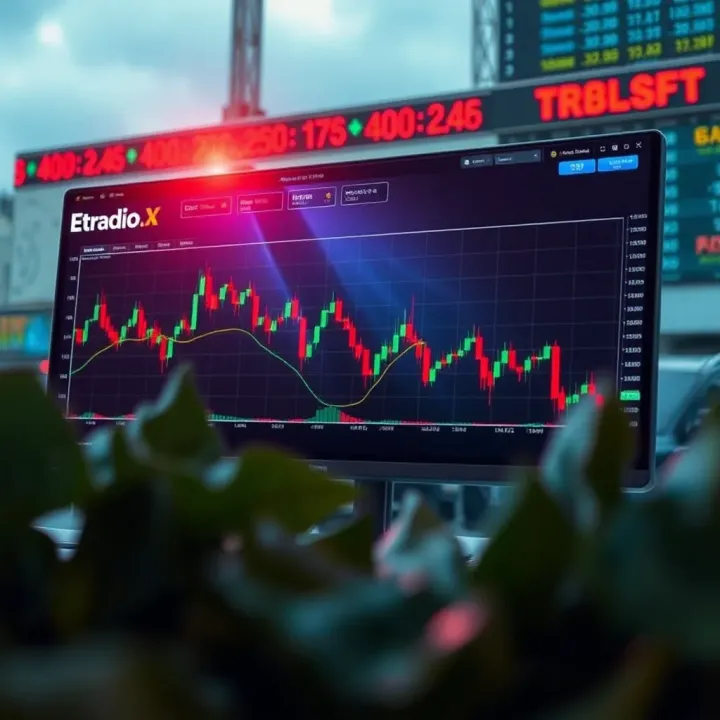
📈 Discover the basics of forex trading in Nigeria with our detailed PDF guide for beginners. Learn market insights, strategies, and risk tips to trade smartly!
Based on 13 reviews