
Forex Trading in Nigeria: What You Should Know
Learn how to trade forex confidently in Nigeria 🇳🇬. Understand markets, local risks, strategies, legal rules, and tips to grow your ₦investments safely 📈.
Edited By
Charlotte Mills
Accessing your forex trading account is the first and most critical step in engaging the financial market. For Nigerian traders, knowing how to smoothly login and securely manage these accounts saves time and reduces exposure to fraud.
Popular platforms like MetaTrader 4 (MT4), MetaTrader 5 (MT5), and proprietary broker portals such as those from IG Group or FXTM require setting up a robust login process. This process usually involves your registered email or username plus a strong password.
Always use unique and complex passwords to prevent unauthorised access. Avoid using easily guessable information like birthdates or common words.
Most platforms now support two-factor authentication (2FA), adding a layer of protection beyond just a password. Nigerian traders should enable 2FA through SMS codes or authenticator apps like Google Authenticator for safer account access.
Logging in via mobile apps has steadily gained popularity in Nigeria due to convenience and the prevalence of smartphones. Apps offered by brokers like Binance or OctaFX allow swift login with biometric options — face or fingerprint recognition — speeding up the process while maintaining security.
You may encounter login issues caused by incorrect credentials, server downtime, or internet instability. It helps to check for any notifications from the broker regarding maintenance or outages. Resetting passwords and clearing your browser cache are practical steps to quickly regain access.
Remember to verify your account fully before trading by submitting required documents, typically your National Identification Number (NIN), proof of address, and valid ID. Most Nigerian-regulated brokers comply with Know Your Customer (KYC) rules, which can affect your login privileges and wallet withdrawals.
In summary, Nigerian forex traders should:
Use strong, unique passwords and activate two-factor authentication.
Keep login details confidential and avoid public Wi-Fi networks.
Complete account verification promptly to avoid login restrictions.
Prepare for common login problems by knowing how to reset passwords and check broker communications.
By staying alert and following these steps, your forex login will be secure and smooth, allowing you to focus on trading strategies instead of technical issues.
Forex trading accounts serve as the gateway for Nigerian traders to enter the foreign exchange market. Knowing the different types of accounts and selecting the right one is crucial because it directly influences your trading experience, risk exposure, and profitability. For example, choosing a standard account might suit an experienced trader with ample capital, while a beginner may benefit more from a demo or micro account to build confidence without risking much.
A standard account is the most common type, typically requiring a minimum deposit of about ₦50,000 to ₦100,000. This account offers full access to market instruments with standard lot sizes, usually 100,000 base currency units per lot. Nigerian traders with sufficient capital and a clear trading strategy often prefer this account to enjoy favourable spreads and leverage options. For instance, an investor who actively trades during major forex sessions will find standard accounts provide enough flexibility for various strategies.
Mini and micro accounts cater to traders with smaller capital or those new to forex. Micro accounts permit trading with smaller lot sizes, sometimes as low as 1,000 units, which significantly reduces potential losses. A young trader in Lagos with limited funds could start with a micro account to learn how prices move without risking large sums. Mini accounts, slightly larger than micro, offer a midpoint between learning and serious trading, making them practical for gradual skill development.
Islamic forex accounts comply with Sharia law by avoiding interest (swap) charges on overnight positions. Nigerian Muslim traders who want to abide by religious laws find these accounts vital. Brokers offering Islamic accounts uphold transparency and fairness by charging different fees that are halal-compliant. For example, a trader based in Kano may prefer an Islamic account to trade without violating religious prohibitions.
Demo accounts let traders practice using virtual funds in real market conditions without risking actual money. This is especially helpful for Nigerians new to forex who want to get used to platform features and market behaviour. For instance, recent graduates preparing for NYSC who want to explore side income opportunities often start with demo accounts before committing actual naira.
Selecting a regulated broker protects you from fraud and market manipulation. Nigerian traders should look for brokers licensed by respected bodies like the Nigerian Securities and Exchange Commission (SEC) or international authorities such as the UK’s FCA or Australia’s ASIC. For example, a trader who chooses a broker registered with SEC benefits from local oversight, which may make dispute resolution easier if issues arise.
Both local and international brokers operate in the Nigerian market, each with pros and cons. Local brokers often provide naira-based accounts and faster customer support in local time zones. International brokers, like XM or IG Markets, offer broader asset access and sophisticated platforms but may require foreign currency deposits. Understanding these distinctions helps a trader decide based on convenience, available tools, and cost structures.
A broker’s platform must suit your devices and trading style. Many Nigerian traders use MetaTrader 4 or 5 for their user-friendly interfaces and mobile apps compatible with Android and iOS. Others may prefer brokers with proprietary platforms offering advanced charting or social trading features. For example, if you frequently trade on the go using your smartphone, checking app compatibility before account registration is necessary to avoid login hassles and missed opportunities.
Choosing the right forex trading account and broker sets the foundation for successful trading in Nigeria. Your decisions here influence everything—from ease of login and security to the potential returns you can achieve.
Successfully accessing your forex trading account is the first key step in managing your investments effectively. For Nigerian traders, understanding this process is essential not just for convenience but to protect your funds from fraud, avoid downtime, and ensure smooth trading, especially when the market moves fast. Knowing the right way to register, log in, and secure your account keeps you in control.
Starting with registration, you’ll encounter online forms asking basic details like your full name, email address, phone number, and sometimes your residential address. These forms must be filled carefully because errors here can delay account verification and the approval of withdrawals. For instance, using a valid phone number linked to your BVN (Bank Verification Number) helps with smooth authentication and future password recovery.
Verification requires official IDs to comply with Nigerian regulations and international financial standards. Most brokers ask for your National Identification Number (NIN), BVN, or international passport to confirm your identity. This step is vital to prevent fraud and money laundering. For example, using your NIN ensures your trading profile matches your official records, reducing chances of account suspension.
When creating your login credentials, choose a password that mixes uppercase and lowercase letters, numbers, and special characters. Avoid easy options like your birthdate or “password123.” A strong password not only thwarts hackers but also complements security features like two-factor authentication. Think of your password as the lock to your forex house — the better it is, the safer your investments.
Most brokers provide browser-based platforms accessible through popular browsers like Chrome or Firefox. To log in, enter your username and password on the official site. If you want to avoid typing your credentials every time, consider using browser password managers cautiously, making sure you’re on the genuine platform, as phishing sites often mimic these login pages.
Trading on the go is easier with mobile apps from brokers such as IG, FXTM, or XM, all available on Google Play Store or Apple App Store. These apps offer smooth login interfaces, sometimes including biometric options like fingerprint or face recognition. For busy traders navigating Lagos traffic or travelling between states, this convenience means you never miss timely trades.
Adding an extra layer to your login process through multi-factor authentication (MFA) protects your account better. Usually, after entering your password, the platform sends a one-time code to your phone or email, or uses an authenticator app. MFA is critical in Nigeria’s digital environment, where cybercrime is a growing concern. Enabling MFA helps prevent unauthorised access even if your password is compromised.
Remember, getting your registration right and securing your login details will save you time and stress down the line. Handling these steps carefully ensures your forex trading journey begins on a firm foundation.
Navigating this login process efficiently means you’re ready to trade without interruptions and protected against common security threats targeting Nigerian traders.
Securing your forex trading login is not just a formality; it is a critical step for anyone serious about safeguarding their investments. For Nigerian traders who often face unique challenges such as fluctuating internet quality and increased cyber threats, understanding security measures can mean the difference between profit and loss. Protecting your login details is the first line of defence against unauthorised access, fraud, and theft.
Phishing attacks involve fraudulent attempts to steal your personal information by masquerading as trustworthy entities. Nigerian traders might receive emails or messages that look like they come from their brokers or well-known financial institutions, urging them to click on links or provide login credentials. These phishing scams are designed to trick traders into giving away sensitive data, leading to unauthorised account access.
For instance, a trader could get a message pretending to be from a popular forex platform asking to “confirm account details” urgently. Falling for this can result in compromised accounts and significant financial losses.
Account hacking refers to unauthorised parties gaining control of your forex trading account. In Nigeria, where many use shared or less secure devices due to cost constraints, the risk increases. Hackers may exploit weak passwords, reused credentials, or malware lurking on your device to break into your account.
Once inside, they can execute trades without your consent or withdraw funds. Many cases have been reported where traders lose up to ₦500,000 or more because of account hacking. Understanding this threat encourages traders to prioritise robust security practices.
Using unsecured internet connections, such as public Wi-Fi at cafes or transport hubs, exposes your login credentials to interception by cybercriminals. Nigerian traders who connect while commuting on an okada or waiting at a bus stop risk having their data captured through these vulnerable networks.
Even simple login details or transaction PINs can be intercepted over unsafe Wi-Fi, providing hackers a chance to access your trading account. Avoiding such networks is a practical way to minimise this risk.
A strong password is your first shield against account breaches. For Nigerian traders, it means creating passwords that mix letters, numbers, and symbols, and avoiding obvious choices like birthdays or “password123”. Each trading platform should have a unique password to prevent a domino effect if one account is compromised.
You might find password managers helpful to keep track of this, especially when managing multiple forex accounts.
Two-Factor Authentication (2FA) adds an extra step to your login, requiring more than just your password. Typically, it involves a code sent to your phone or generated by an app like Google Authenticator.
This extra layer drastically reduces the chances of hackers getting in, even if they somehow obtain your password. Many Nigerian brokers have integrated 2FA, making it a must-use feature.
Refraining from logging into your forex account over public Wi-Fi is wise. In Nigeria, where people often rely on unsecured internet in malls or transport centres, this advice is critical. If unavoidable, using a reliable Virtual Private Network (VPN) to encrypt your connection can add safety.
Instead, try using mobile data or trusted home networks when dealing with sensitive transactions.
Protecting your forex trading login is not about inconvenience; it's about keeping your hard-earned money secure. Taking simple, practical steps tailored to local realities can save you from many avoidable headaches and losses.
Encountering login issues can disrupt your forex trading activities and cause unnecessary stress, especially when the market is volatile. Understanding how to tackle common login problems ensures you stay in control, minimising downtime and loss of opportunities. Nigerian traders, in particular, may face challenges due to internet instability, frequent password resets, or unfamiliarity with platform-specific protocols. Addressing these issues promptly helps maintain smooth access to your accounts.
Most forex brokers offer a straightforward password reset option directly on their login pages. Typically, this involves submitting your registered email address or phone number to receive a reset link. This feature is essential because it enables you to regain access without waiting in a support queue. For example, a trader using the FXTM platform can easily reset their password by following the emailed link, avoiding delays that could cost valuable trading time.
If the automated password reset fails—perhaps due to an unrecognised email or mobile number—reach out to the broker's customer support. Nigerian traders should opt for brokers with reliable and prompt support services, ideally offering live chat, phone, or WhatsApp communication. For instance, a trader facing username recovery issues on a less known platform might find resolving the matter quicker through direct support rather than repeated attempts at self-service.
Account lockouts generally occur after multiple unsuccessful login attempts, a security measure common across forex platforms. Other causes include suspicious activity detected by the broker or changes in account status pending verification. In Nigeria, where shared devices or weak internet connections may cause accidental repeated logins, it's crucial to know why the lockout happens to avoid being locked out during critical trading periods.
Regaining access typically involves waiting out a lockout period or submitting a formal request to the broker. Some brokers automatically unlock accounts after a set time, while others insist on identity verification before reinstating access. Nigerian traders should remain patient and prepared with the necessary documentation if requested, reducing delays and frustration.
Identity verification is the final step to safeguard both you and the broker from fraud. This process may require submitting your valid identification such as your National Identification Number (NIN), Bank Verification Number (BVN), or passport copies. For example, when a trader's account is locked due to suspected fraud, providing these documents quickly can accelerate account recovery. Nigerian traders must keep their verification documents up to date and readily available to ease this process.
Always handle login obstacles calmly and methodically; early preparation and knowing your broker’s support channels help you recover faster and trade without unnecessary interruptions.
Once you’re logged into your forex trading account, optimising your interface and managing your funds effectively can significantly improve your trading outcomes. A personalised dashboard lets you track markets quickly, while secure handling of deposits and withdrawals protects your capital.
Your trading dashboard is like your control panel; arranging charts and tools according to your preferences helps you respond faster to market moves. For example, placing key currency pairs side by side or stacking indicators like RSI and moving averages in familiar spots means you won’t waste time searching for information. Nigerian traders who customise their workspaces often find it easier to spot trends and act on opportunities before others.
Tools such as economic calendars, news feeds, and order books can also be placed within instant reach to enhance your workflow. This is especially useful when trading volatile pairs like USD/NGN, where real-time access to data can affect your profits. Make use of drag-and-drop functions common on platforms like MetaTrader 4 or 5 to personalise your view.
Alerts are your trading assistants that keep you aware without needing to stare at your screen all day. You can set price alerts for critical levels on pairs such as EUR/USD or GBP/USD and receive notifications by email or mobile app. This means you won’t miss out on important breaks or reversals even while commuting through Lagos traffic.
Besides price, you can set alerts on account activities like margin calls or successful order executions. These help you stay ahead of risks and manage trades actively. For Nigerian traders who balance trading with other work, alerts offer a practical way to maintain focus and control their positions remotely.
Forex brokers serving Nigerian traders usually support popular local payment methods. These include bank transfers through GTBank or Access Bank, payments via popular fintech solutions like Paystack or Flutterwave, and sometimes mobile wallets such as OPay or PalmPay. Using these familiar channels reduces transaction delays and currency conversion hassles.
Some brokers also accept payments via debit/credit cards or international wallets, but Nigerian traders should prioritise payment methods that allow easy reconciliation in naira to avoid hidden costs. For example, funding your account with a Nigerian debit card often comes with fewer charges than a dollar transfer.
Before you can deposit or withdraw, brokers require verification to comply with regulatory standards and reduce fraud. This may involve submitting your means of identification (like your National Identification Number or BVN), proof of address, and sometimes a selfie for facial verification.
When processing withdrawals, expect brokers to cross-check your withdrawal destination with your registered payment method for security. This safeguards you from scammers attempting unauthorised transfers. Nigerian traders should carefully comply with these procedures—delays often happen when documents are incomplete or mismatched.
Secure and smooth deposit and withdrawal processes protect your funds and keep your trading journey uninterrupted. Always prioritise brokers who streamline verification and accept payment methods convenient for Nigerians.
Optimising these post-login aspects not only boosts your efficiency but also fortifies your trading against common risks faced by Nigerian investors. It’s about working smarter with your trading tools and your money.
Learn how to trade forex confidently in Nigeria 🇳🇬. Understand markets, local risks, strategies, legal rules, and tips to grow your ₦investments safely 📈.
Discover top forex trading tips, strategies, and platforms tailored for Nigerian traders 🇳🇬. Manage risks and trade smarter in today’s market 📈💡.
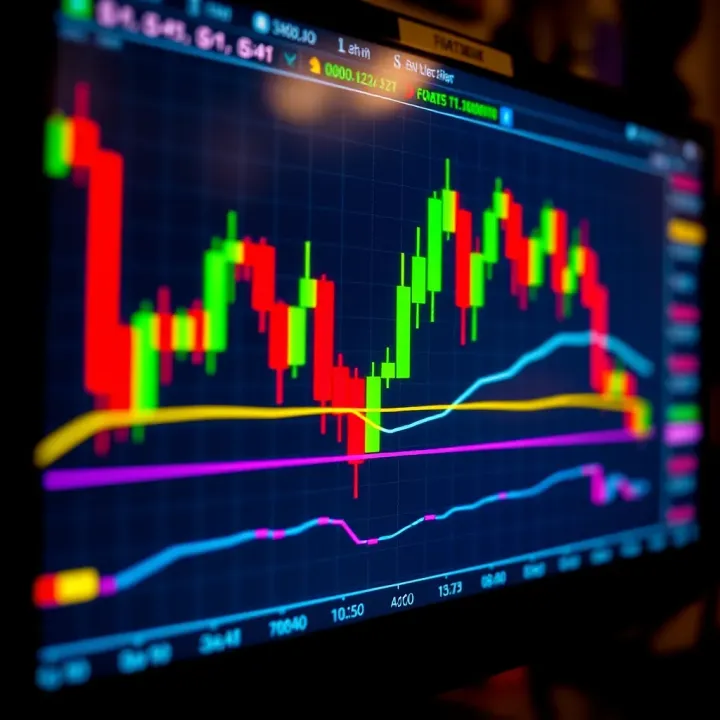
📈 Discover a practical guide to forex trading in Nigeria🇳🇬: get started with key tips, understand market risks, regulations, and opportunities today!
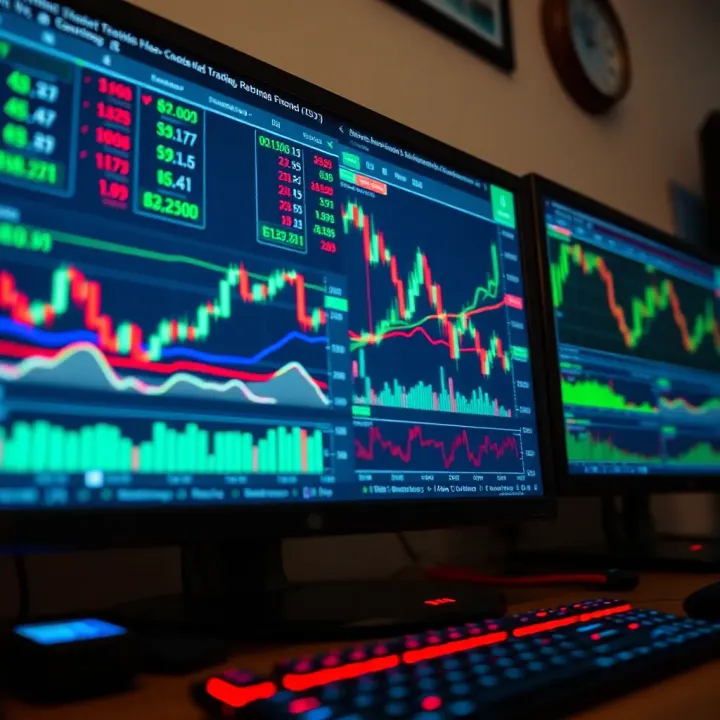
Discover top forex trading platforms in Nigeria 🇳🇬 with our practical guide. Learn how to pick the best, understand regulatory rules, and trade safely. 💹
Based on 8 reviews