
Forex Trading in Nigeria: What You Should Know
Learn how to trade forex confidently in Nigeria 🇳🇬. Understand markets, local risks, strategies, legal rules, and tips to grow your ₦investments safely 📈.
Edited By
James Thornton
Forex trading in Nigeria is gaining serious momentum, especially with the rise of accessible trading platforms tailored for local traders. Whether you are an experienced investor or stepping into forex for the first time, choosing the right trading platform is key to safer, more efficient trading.
In Nigeria, forex platforms offer a range of services from beginner-friendly interfaces to advanced charting tools suitable for seasoned analysts. Naira volatility and occasional regulatory updates make it essential to pick platforms that not only have strong technology but also comply with local financial rules.
A good forex trading platform should balance usability and regulatory compliance, ensuring traders' funds and data are well-secured.
Not all forex platforms are created equal, especially when considering Nigerian traders' needs. Factors like deposit and withdrawal options in naira, customer support responsiveness, and the presence of local educational resources matter greatly.
For instance, a platform that supports payments through Nigerian banks or popular mobile wallets like OPay adds convenience. Similarly, those offering real-time price feeds for popular currency pairs such as USD/NGN or EUR/USD provide more reliable trading conditions.
Regulatory Registration: Check if the platform is registered with the Securities and Exchange Commission (SEC) Nigeria or other relevant bodies.
Trade Execution Speed: Fast order processing reduces slippage, which is vital in the fast-moving forex market.
User Interface: Whether you prefer desktop or mobile, the platform should be stable and easy to navigate.
Leverage and Margin: Nigerian traders should understand leverage limits, often capped by regulatory standards for protection.
Customer Support: Availability of local customer service through call centres or chat makes resolving issues faster.
Traders must always consider security, transparency, and whether the platform fits their trading style. With the right choice, Nigerians can trade forex with confidence and potentially grow their investments in a challenging market environment.
In Nigeria's fast-growing forex market, understanding how trading platforms operate is vital for both newcomers and experienced traders. These platforms are more than digital tools; they are your gateway to the global forex market, enabling seamless trade execution, market analysis, and account management. Grasping their functions helps you pick a platform that matches your trading style, risk appetite, and business goals.
The primary role of any forex trading platform is to facilitate the execution of trades. When you decide to buy or sell currencies, the platform connects you to the market, ensuring that your orders are placed at the current prices. For example, a Nigerian trader using MetaTrader 4 on a slow internet line may experience delays, affecting trade prices; so, the platform's efficiency directly impacts your profits. Fast, reliable execution matters because forex markets move rapidly, and missing the right moment could mean losses.
Forex platforms provide essential tools for analysing market trends and price movements. These include real-time charts, technical indicators like Moving Averages or RSI (Relative Strength Index), and economic calendars showing important events such as CBN policy announcements. By using these tools, a trader can make informed decisions. For instance, a trader noticing an upcoming inflation report via the platform’s calendar can prepare to adjust trades accordingly, reducing risks.
Managing your account efficiently saves time and hassle. Trading platforms offer features such as deposit and withdrawal options, balance overview, and trade history logs. Nigerian traders often prefer platforms integrating local payment methods like bank transfers or USSD to simplify funding. Having detailed performance reports helps in reviewing trading strategies and planning for future trades.
Web-based platforms run directly on a browser and do not require downloads. They offer convenience since you can access your account from any internet-connected device. For busy Nigerians on the move, this is particularly handy. However, they depend on stable internet connections, which might be a challenge in remote areas. Examples include OANDA’s web platform, allowing quick access without software installation.
Desktop applications are software installed on your computer, like MetaTrader 5 or cTrader. They typically offer richer features and faster performance compared to web platforms. Nigerian traders who prefer detailed charting and advanced tools often opt for desktop versions. The downside is that accessibility is limited to the installed machine, which means you must be at your workstation to trade.
Mobile apps bring forex trading to your smartphone or tablet, enabling trading anytime, anywhere across Nigeria—even in traffic jams or at the market. Apps like MetaTrader and OPay allow users to monitor markets, place trades, and manage accounts on the go. They are crucial for responding quickly to market changes, especially during
Choosing the right forex trading platform in Nigeria goes beyond flashy interfaces or catchy advertisements. Traders need to weigh several factors that directly impact their trading experience, security, and overall profitability. From regulatory compliance to fees, ease of use, and support, these aspects dictate how effectively you can navigate the forex market without unnecessary setbacks.
The Nigerian Securities and Exchange Commission (SEC) plays a critical role in overseeing forex brokers and trading platforms operating within Nigeria. While the forex market is largely international, local regulation ensures you’re dealing with brokers who comply with stringent standards designed to protect investors. The SEC's oversight limits the activities of fake brokers and scams, giving you a level of assurance that your funds and personal data are handled responsibly.
For example, platforms licensed by the SEC must adhere to rules around client fund segregation, which means your money is kept separate from the broker's operational funds. This reduces the risk of losing money if the broker faces financial troubles. Always check whether your chosen platform holds a valid SEC licence to avoid falling victim to fraudulent operators.
Security protocols on forex platforms matter immensely. These include encryption technologies like SSL (Secure Socket Layer) for protecting your login details and transaction data, as well as two-factor authentication (2FA) to add an extra layer of defence against unauthorised access. Without these, hackers may intercept sensitive information, potentially leading to loss of funds.
For instance, a reputable platform will alert you of unusual login attempts and may freeze your account temporarily until identity is confirmed. Nigerian traders should prioritise platforms offering such security features, especially given the rising incidence of cyber fraud affecting online financial services.

Trading costs on forex platforms usually come as spreads—the difference between the bid and ask price—or explicit commissions per trade. Narrow spreads are favourable because they reduce the cost of opening a position. For example, MetaTrader platforms often offer variable spreads starting from as low as 0.1 pips, which suits scalpers and high-volume traders.
However, sometimes a platform with commission fees but tighter spreads might still be cheaper overall. Nigerian traders must review these charges carefully, considering typical trade sizes and frequencies to avoid unexpected deductions that can eat into profits.
Withdrawals and deposits often attract fees depending on the platform and payment channels used. Some forex brokers absorb deposit fees but charge flat or percentage fees on withdrawals. For example, a platform may allow free bank transfers but charge ₦500 to ₦1,000 for card withdrawals.
In Nigeria, options like local bank transfers, USSD payments, and fintech wallet integrations (e.g., Kuda, OPay) also influence the cost and speed of fund movement. Traders should pick platforms with transparent fee structures and reasonable withdrawal times to avoid liquidity challenges, especially when working with tight trading margins.
A forex platform’s design impacts how efficiently you execute trades and analyse the market. Platforms cluttered with unnecessary features or poorly organised menus slow down decision-making. For example, MetaTrader’s interface remains popular because it balances complexity with usability, offering charting tools and indicators that even beginners can quickly learn.
User-friendly platforms in Nigeria should support multiple languages, straightforward chart layouts, and mobile responsiveness to adapt to the busy lifestyles common within Nigerian cities. Being able to check your portfolio on the go without missing critical moves is often a make-or-break feature.
No trading platform is perfect, and issues inevitably arise — whether technical glitches, deposit delays, or account verification problems. Timely and effective customer support separates reliable brokers from the rest. Look for platforms offering multiple contact methods: live chat, phone lines, email, and ideally, local Nigerian support centres working during Nigerian business hours.
Prompt responses can save you from costly downtime or uncertainty. Some platforms also provide educational resources and dedicated account managers, which are a plus for new traders wanting some hand-holding. Before committing, test the responsiveness of customer service and read user reviews to avoid platforms that leave clients stranded.
Selecting a forex trading platform is not just about technical perks but understanding the layers of regulation, security, cost, usability, and support. Paying attention to these factors helps avoid unnecessary losses and ensures a smoother trading journey within Nigeria's complex market.
By keeping these considerations top of mind, you better position yourself to make informed choices, balancing affordability with safety and a streamlined trading experience.
Choosing the right forex trading platform is key to making the most of Nigeria’s growing forex market. Popular platforms provide tried-and-tested tools that help traders execute orders smoothly and keep up with fast-moving markets. Their relevance lies not just in technology but also in adaptability to Nigerian traders’ unique needs, including local payment options and regulatory compliance.
MetaTrader 4 (MT4) and MetaTrader 5 (MT5) are among the most widely used forex platforms globally, including in Nigeria. MT4 is praised for its straightforward interface and numerous charting tools, making it great for beginners. MT5, being a newer version, extends functionality by offering more timeframes, additional technical indicators, and a broader set of assets beyond forex, such as stocks and commodities. Both platforms offer automated trading through Expert Advisors, which allow traders to deploy strategies without manual intervention.
For Nigerian traders, MT4 and MT5 are valuable because many local brokers support these platforms, easing access to the FX market. Their reliability over slow or unstable internet connections common in some Nigerian regions adds to their practicality. Furthermore, MT5 supports multi-currency trading, which means traders can diversify without switching platforms. The platforms’ extensive tutorial resources and community forums also help Nigerian traders sharpen skills without having to pay extra fees.
cTrader stands out for offering an intuitive interface with advanced charting tools, level II pricing, and a robust algorithmic trading environment. Its fast order execution and comprehensive risk management features help traders react quickly to market changes. Nigerian traders who want superior transparency and detailed market depth data find cTrader appealing.
While cTrader isn’t the easiest for novices, it suits experienced traders who require precise control over trades and want to create customised trading robots through its open API. Its focus on ECN (Electronic Communication Network) trading ensures tighter spreads and better pricing, which are crucial for scalpers and day traders operating in Nigeria’s competitive forex scene.
Some Nigerian forex brokers have developed their own proprietary platforms tailored specifically for the local market. For instance, platforms from brokers like Meristem Securities offer integrated market analysis tools and direct access to Nigerian naira currency pairs. These proprietary systems often come with features designed around Nigerian banking options and local regulatory frameworks.
Proprietary platforms provide a distinct edge through local customer support and payment systems that understand how banking and fund transfers operate in Nigeria. Having a platform supported locally means quicker resolutions to issues and smoother transactions, especially when handling naira deposits and withdrawals. This closeness to the user base often results in more customised service compared to international platforms.
Selecting a forex trading platform in Nigeria involves weighing global robustness versus local adaptability. MT4/MT5, cTrader, and proprietary Nigerian platforms each offer unique strengths depending on your trading experience and priorities.
Navigating the forex market as a Nigerian trader requires practical steps to manage risks and optimise trading results. This section focuses on actionable tips that help traders, from beginners to those more experienced, to build confidence while avoiding common pitfalls. Using these strategies thoughtfully improves your chances of success in a market that can be very unpredictable.
A demo account offers a risk-free environment for traders to familiarise themselves with the tools and layout of their chosen forex platform. For example, if you’re using MetaTrader 4, practising with a demo lets you explore charting options, custom indicators, and order placements without risking any naira. Especially for Nigerian traders, this trial period helps adapt to how the platform handles local deposit options or integrates with bank transfers.
Demo accounts also let traders experiment with different trading strategies to see what works best under varying market conditions. For instance, you might try scalping during volatile periods or swing trading during quieter sessions, all without actual losses. This step is vital because jumping in with real money without prior strategy testing often leads to early setbacks, which can discourage many Nigerian traders.
Using stop-loss and take-profit orders is key to protecting your investment against sudden market moves. A stop-loss limits potential losses by automatically closing a position at a set price, while a take-profit locks gains when a target is reached. Nigerian traders dealing with naira’s volatility or global market shocks benefit significantly from these tools to avoid wiping out their capital unexpectedly.
Forex trading can stir strong emotions, especially when faced with losses or rapid market swings. Staying calm and disciplined means sticking to your trading plan without chasing losses or becoming greedy. Nigerian traders often hear stories of quick gains turning to sudden losses due to emotional decisions. Maintaining emotional control helps preserve capital and maintain steady growth.
Funding your forex account using local payment options like bank transfers, USSD codes, or e-wallets (such as OPay or PalmPay) makes transactions smoother and often faster. Nigerian traders should prioritise platforms that support these payment methods for easy deposits and withdrawals. It reduces dependence on international wire transfers, which can be costly and slow.
Be mindful of foreign exchange (FX) conversion fees and the time it takes for funds to reflect in your account. For instance, depositing naira and converting to US dollars for trading might attract charges that eat into your capital. Also, some banks or payment providers may delay processing transfers on weekends or public holidays, affecting your readiness to trade. Planning deposits with these realities in mind avoids surprises and keeps your trading schedule on track.
Starting small with a demo, managing risks, and using convenient local banking options are steps every Nigerian forex trader should adopt to trade confidently and sustainably.
Understanding the regulatory environment is key for any trader in Nigeria looking to engage in forex trading. The framework set by the Central Bank of Nigeria (CBN) and the Securities and Exchange Commission (SEC) offers a foundation to operate safely, minimise risks, and avoid legal troubles. These bodies set rules that protect investors, ensure market integrity, and help to curb fraudulent activities. A solid grasp of these regulations not only helps traders choose credible platforms but also keeps their investments secure.
The CBN plays a significant role in shaping forex trading through its monetary policy and currency regulation. One practical impact traders face is the CBN’s control over the naira's exchange rate and limits on foreign currency access. For instance, restrictions on accessing dollars at official rates can affect how traders fund their forex accounts and repatriate profits. Understanding CBN’s policies helps traders anticipate fluctuations in forex liquidity and navigate deposit or withdrawal challenges.
CBN mandates various controls on currency movements to protect the naira and regulate external accounts. These controls require forex platforms and traders to comply with regulations like reporting transactions and using approved channels for funds transfers. For Nigerian traders, this means that not all international forex transactions can flow freely. Recognising these controls can prevent issues like frozen accounts or delayed payments when moving funds across borders.
SEC oversees licensing and registration of forex brokers and trading platforms operating in Nigeria. This licensing confirms that brokers meet minimum operational standards and comply with legal requirements. Choosing a SEC-registered platform is a practical step to avoid unregulated brokers who might offer unrealistic promises but lack accountability. Traders should always verify the broker’s SEC licence status before committing funds to ensure their investments fall under regulatory protection.
SEC sets rules meant to protect investors from malpractice, including conduct standards, mandatory disclosure of risks, and resolution mechanisms for disputes. These measures provide traders recourse if they face unfair practices or unfair brokerage fees. For example, SEC requires brokers to separate client funds from company funds, reducing the risk of misuse. These protections elevate the confidence of Nigerian traders when engaging with licensed forex platforms.
One persistent challenge is the rise of unregistered or fake brokers operating without SEC approval. Such brokers may disappear with clients' funds or provide misleading trading conditions. Nigerian traders need to be vigilant and confirm registration details through official SEC listings. Avoiding unregistered brokers is a straightforward but critical way to reduce the risk of financial loss and fraud.
Forex trading in Nigeria faces issues with scams that exploit traders’ eagerness for quick profits. Fraudulent schemes include phishing, fake trading signals, and Ponzi setups posed as forex investment opportunities. Awareness of these scams and verifying broker authenticity can protect traders from such risks. Besides, platforms with strong regulatory backing tend to have safeguards to detect and prevent suspicious activities, offering traders more security.
Navigating Nigeria’s forex market without understanding regulatory rules can expose traders to unnecessary risks. Always prioritise platforms licensed by SEC and compliant with CBN controls to trade safely and confidently.
By paying attention to the regulatory details from the CBN and SEC, Nigerian traders can confidently participate in forex trading, leveraging trustworthy platforms while steering clear of pitfalls common in less regulated spaces.
Learn how to trade forex confidently in Nigeria 🇳🇬. Understand markets, local risks, strategies, legal rules, and tips to grow your ₦investments safely 📈.
Discover top forex trading tips, strategies, and platforms tailored for Nigerian traders 🇳🇬. Manage risks and trade smarter in today’s market 📈💡.
Looking to trade forex in Nigeria? Discover key features, top platforms, and tips to pick the best broker that fits your trading style! 📈🇳🇬
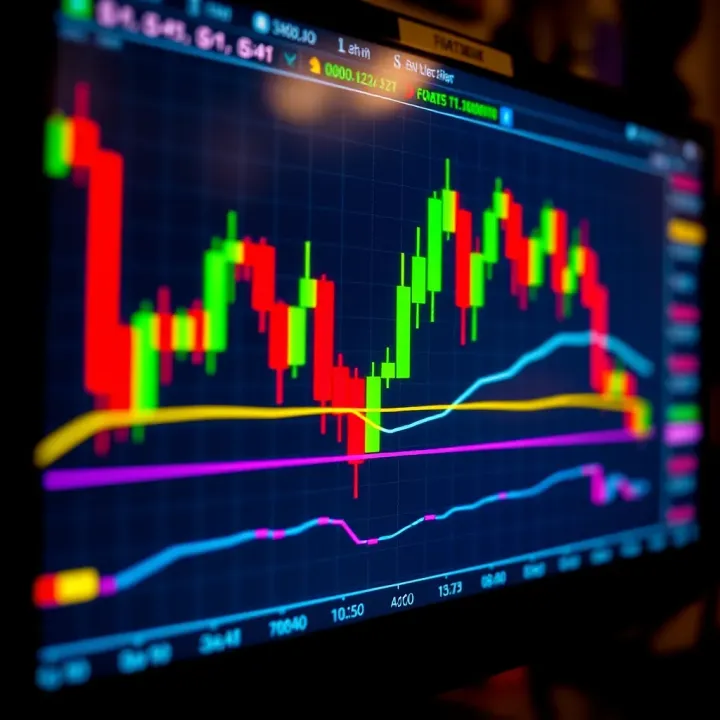
📈 Discover a practical guide to forex trading in Nigeria🇳🇬: get started with key tips, understand market risks, regulations, and opportunities today!
Based on 5 reviews