
Best Forex Trading Guide for Nigerian Traders
Discover top forex trading tips, strategies, and platforms tailored for Nigerian traders 🇳🇬. Manage risks and trade smarter in today’s market 📈💡.
Edited By
Emily Whitaker
Forex trading runs through the clock in most markets worldwide, but knowing exactly when these markets open and close is critical for Nigerian traders. The forex market operates 24 hours a day during weekdays because it spans multiple global financial centres across different time zones. However, this uninterrupted trading does not mean all hours are equal for everyone, especially when dealing with the Nigerian naira (₦).
The main forex sessions are linked to the London, New York, Tokyo, and Sydney markets. Nigeria operates on West Africa Time (WAT), which is one hour ahead of Greenwich Mean Time (GMT+1). This time difference matters when planning your trading day because the start and end times of key sessions shift relative to Nigerian local time.
In practical terms, the London session usually opens around 9 am WAT and closes by 6 pm WAT. Meanwhile, the New York session runs from 2 pm to 11 pm WAT. As both London and New York are the largest forex centres, the overlap between their sessions (roughly 2 pm to 6 pm WAT) is often the most liquid time to trade. This window is favourable for naira pairs, given the high trading volumes and tighter spreads experienced then.
On the other hand, the Asian session, anchored in Tokyo and Sydney, occurs mostly overnight for Nigerian traders—from roughly 12 midnight to 8 am WAT. Liquidity tends to be lighter here for the naira, and the currency pairs you can trade during this time might behave differently.
For Nigerian traders, focusing on the London-New York overlap offers the best chance to catch sharp price moves on naira pairs due to higher activity and global financial news releases.
Keep in mind that forex markets close over weekends, generally from Friday 10 pm WAT to Sunday 10 pm WAT, when most financial centres shut. Public holidays in either Nigeria or major forex hubs can also affect liquidity and market activity. Therefore, it's wise to check the calendar regularly to avoid trading during quiet, unpredictable periods.
By understanding these global forex trading hours and their alignment with Nigerian time, traders can structure their activities more efficiently. Stocks, currency pairs, and news releases carry different weights at different sessions, so syncing your trading schedule with market rhythms makes a practical difference.
Understanding how forex trading and market hours operate is essential for Nigerian traders aiming to maximise their trading effectiveness. Forex markets run 24 hours on weekdays, but this continuous operation breaks down into different sessions influenced by global financial centres. Knowing when these markets are active helps you plan your trades, avoid low liquidity periods, and spot the best times to engage with specific currency pairs, including the naira.
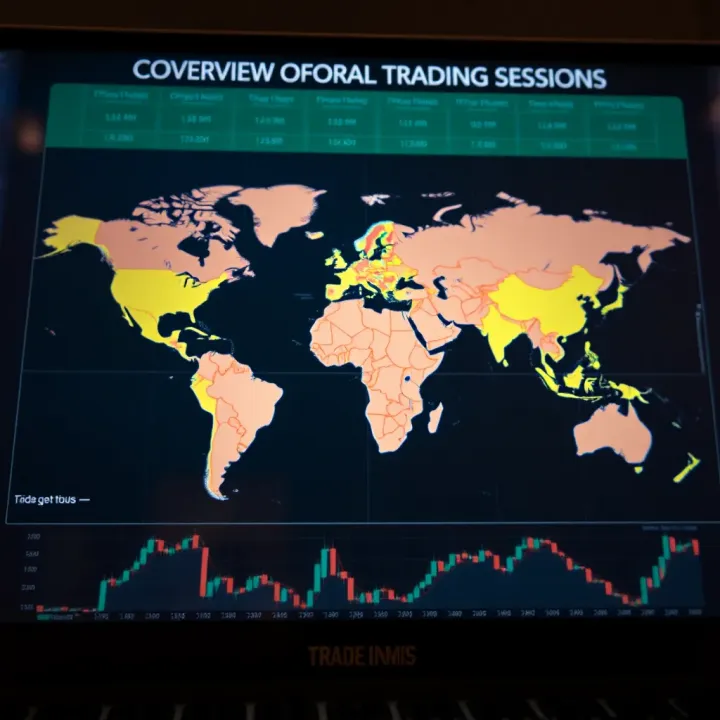
Forex trading is organised into four major sessions named after the financial centres that lead the market during those hours: Sydney, Tokyo, London, and New York. Each session opens and closes at different times depending on local business hours. For example, the London session starts around 8 am GMT, lending it significant influence on market activity, especially for European and African traders. When one session closes, another opens, creating a continuous 24-hour market during weekdays.
This system means that forex is usually busiest during overlaps, such as between London and New York sessions when both centres are operating. For a Nigerian trader on West Africa Time (WAT), these overlaps fall into afternoon and early evening hours, which is convenient for following market action closely.
Major financial hubs like London, New York, Tokyo, and Sydney play a big role because they drive forex liquidity and price movements. London, as a global financial centre close to Nigeria’s timezone, commands a large share of daily trading volume. Thus, many currency pairs, including USD/NGN, EUR/USD, and GBP/USD, show heightened activity during the London session.
New York’s session is equally important, impacting especially USD pairs and global market sentiment. Tokyo and Sydney sessions influence Asian and Pacific currencies but tend to be quieter for Nigerian traders due to time differences. Understanding where the volume and interest concentration lie helps traders decide when to watch the market closely or step back.
Nigeria’s location in WAT presents both challenges and advantages for forex trading. Since WAT is one hour ahead of London’s GMT in winter and the same as London during daylight savings (British Summer Time), Nigerian traders can actively participate in London’s busy trading hours without inconvenience. However, the New York session occurs late afternoon to late evening Nigerian time, requiring traders to adjust their schedules if they want to catch that action.
Time zone differences mean that some forex sessions fall during odd hours locally, which might not suit daily traders. In practice, this affects how often you can trade, what currency pairs to focus on, and the style of trading (day trading, swing trading, or longer-term). Planning your trading around your peak sessions prevents missing out on promising setups or chasing thin markets.
Market hours affect volatility and liquidity directly. For instance, during London-New York overlap, price swings tend to be sharper with thicker trading volumes, offering opportunities for quick gains but also increased risk. In contrast, Sydney and Tokyo sessions might show quieter markets with lower volume and spread — this means caution is necessary to avoid slippage or poor price fills.
For Nigerian traders, trading during active sessions means you can enter and exit positions more easily without chasing prices. Forex pairs involving the naira also display variable liquidity depending on global market activity, making awareness of active hours crucial. Outside peak times, spreads widen and price moves are often choppy, which can hurt your profitability.
Aligning your trading hours with global market activity improves your chances of timely decisions and reduces exposure to risky price gaps or illiquid trades.
In summary, an overview of forex trading hours lays the foundation for Nigerian traders to tailor their strategies, align with high-volume periods, and select the best currency pairs based on session activity. This timing knowledge ultimately promotes smarter trading and stronger risk management.
Understanding forex trading hours requires grasping how Nigeria’s time zone fits with major global markets. Nigeria operates on West Africa Time (WAT), which is UTC+1. This position influences when Nigerian traders can access liquidity and price movements from centres such as London, New York, and Tokyo, shaping trading opportunities and risks.
The time difference between Nigeria and key forex hubs matters significantly. London, the world’s largest forex centre, runs on Greenwich Mean Time (GMT) or British Summer Time (GMT+1). During standard time, Nigeria is one hour ahead of London; during British Summer Time, they align. This proximity allows Nigerian traders to participate actively during the London session without staying up too late or rising too early.
New York is usually five to six hours behind Nigeria (UTC-5 or UTC-4 during daylight savings). This means afternoon and evening hours in Nigeria coincide with New York market hours, providing access to high trading volumes, especially during the London-New York session overlap.
Tokyo’s session operates at UTC+9, putting it eight hours ahead of Nigeria. Tokyo’s market runs through the night for Nigerian traders, so early mornings tend to reflect Asian market activity, often with lower liquidity for naira pairs but notable moves in JPY pairs.
Adapting to these differences helps Nigerian traders know when to be active and when the market might be quieter. For example, trading between 8 am and 5 pm WAT covers London and part of New York sessions, meaning more liquidity for pairs like USD/NGN or EUR/USD.
Though the forex market never truly closes—it operates 24 hours Monday through Friday—Nigerian traders observe trading hours in line with their time zone. The global market opens on Sunday at 10 pm WAT and closes Friday at 10 pm WAT. Local banks and brokers may have different settlement hours, but the online market remains accessible anytime within this window.
Considering early morning and late-night trading is important. Early mornings (around 4 am to 7 am WAT) are when the Tokyo session dominates. Liquidity tends to be lower for naira-related pairs but shows more activity in Asian currencies. Late evenings (6 pm to 10 pm WAT) overlap with New York’s market close, a period known for increased volatility before settling down.
Traders should balance active trading with their daily schedules and factor in these fluctuations. For instance, a trader who works by day may prefer trading in the afternoon to tap into both London and New York sessions simultaneously. Conversely, night owls might leverage late sessions to catch trends from the US market.
Timing is everything in forex trading; knowing your local time zone's relation to global markets gives you a edge in picking the right moments to trade.
By understanding Nigeria’s position in the global forex time zones, traders can better plan trades, reduce exposure during low liquidity hours, and capitalise on windows of heightened activity for currency pairs involving the naira and other major currencies.
Understanding the best times to engage in forex trading is essential for Nigerian traders aiming to maximise profits while managing risks. Timing affects market liquidity, price movements, and the availability of trading opportunities. Knowing when to trade can help you take advantage of the most active periods, particularly for currency pairs involving the naira.
The London trading session runs from 8:00 am to 4:00 pm WAT, making it the most crucial session for Nigerian traders. This session captures the bulk of forex trading volume because London is a major financial hub. Liquidity tends to be highest during these hours, leading to tighter spreads and better price execution. For instance, if you’re trading the EUR/USD or GBP/USD pairs, the London session offers deeper liquidity and often presents clearer trends.
The New York session overlaps partly with the London session, running from 1:00 pm to 9:00 pm WAT. It is the second most active market, especially for the USD pairs. Activity often ramps up around 1:00 pm when New York opens, providing good opportunities to catch strong price swings. Traders who prefer the USD/NGN pair may find the New York hours particularly relevant due to the influence of US economic news released during this period.
The hours between 1:00 pm and 4:00 pm WAT mark the overlap of the London and New York sessions. This period is known for higher volatility as traders from both markets are active. Increased volatility means faster price movements and more opportunity but also higher risk. Nigerian traders can benefit from this by planning trades carefully, employing stop-loss orders to protect against sudden adverse swings.
The overlap between these two sessions often presents the best window for intraday trades with strong momentum.
The USD/NGN pair is Nigeria’s most widely traded forex pair. Trading this pair is most active during Nigerian business hours, between 9:00 am and 4:00 pm WAT, overlapping with the London and New York sessions. This window sees more banks, bureaux de change, and official FX channels operating, which improves liquidity and price transparency. For example, during the 12:00 pm to 3:00 pm slot, you may observe sharper price movements due to coordinated market activity.
Pairs like EUR/USD, GBP/USD, and USD/JPY remain popular among Nigerian traders, generally performing best during the London and New York sessions. Since the Tokyo session overlaps minimally with Nigerian hours, trading JPY pairs might be less active during the day. Monitoring sessions and targeting active times for each currency pair helps you avoid periods of low liquidity that often lead to slippage and unpredictable spreads.
By aligning your trades with these active periods, you'll better manage risk and seize promising market moves rather than trading in calm, thin markets where profit chances dwindle.
When the forex market closes over the weekend, trading halts completely as exchanges and major financial centres shut down. This closure usually begins on Friday evening and lasts until early Monday morning, according to West Africa Time (WAT). For Nigerian traders, this break offers a natural pause in trading activity, but it also means that price movements can be unpredictable when the market reopens. For instance, events that happen over the weekend—like political developments or economic announcements—can cause sharp price gaps on Monday, which traders need to be prepared for.
International and Nigerian public holidays also mean reduced liquidity and limited trading activity. While global forex markets might remain open during some local holidays, the absence of traders from key centres such as London or New York can lead to thinner market participation. For example, on Christmas or New Year’s Day, when many Nigerian banks observe public holidays, liquidity drops significantly, causing wider spreads and less predictable price actions on naira pairs like USD/NGN.
Trading during periods of low liquidity carries additional risks. When the market is thin, price swings tend to be more erratic, and stop-loss orders may trigger prematurely, leading to avoidable losses. Nigerian traders should be especially cautious during weekends and near holiday periods, avoiding opening large positions unless markets have fully stabilised. Understanding these risks helps minimise sudden exposure to volatile price moves.
That said, downtime in the forex market presents an excellent opportunity to focus on analysis and strategic planning. Traders can use weekends or public holidays to review past performances, research market trends, and refine their trading strategies without the pressure of real-time price changes. Taking time off from active trading enables clear-headed decision-making and better preparation for the busy trading sessions ahead.
Effective trade planning involves recognising when markets are closed or illiquid and adapting your strategy accordingly. Wise traders use these periods to sharpen their edge rather than risk impulsive trades.
In summary, awareness of weekends and public holidays in Nigeria and global financial centres is crucial for successful forex trading. By adjusting trading schedules to avoid risky low-liquidity windows and using these breaks for thoughtful analysis, Nigerian traders can protect capital and improve outcomes in a market that never truly sleeps during the working week.
Maximising trading hours is key for Nigerian forex traders seeking to improve profits and reduce risks. Understanding when markets are most active and how to align trading strategies with these periods can sharpen decision-making. Practical tips ensure traders avoid unproductive hours and make the most of volatile, liquid sessions — especially when dealing with pairs like USD/NGN.
Setting alerts for session openings and overlaps helps traders catch crucial market moments. For instance, the London and New York sessions overlap between 2 pm and 6 pm WAT, bringing increased volume and price action. Having real-time alerts allows traders to jump onto key market moves early, avoiding missed opportunities. Alerts can be set on platforms like MetaTrader or mobile apps, notifying you when sessions start or major overlaps begin.
Balancing trading with Nigerian lifestyle rhythms is important since active forex hours may clash with daily routines. Nigeria’s typical work hours and social life might make late-night trading during Tokyo sessions difficult. As a result, focusing more on London and New York sessions aligns with local waking hours and reduces fatigue. Traders often plan trades for early mornings or evenings, times when market activity peaks yet fit comfortably within Nigerian daily schedules.
Mobile apps and platforms with real-time updates give Nigerian traders a big advantage by providing instant market data, order execution, and news, regardless of where they are. Apps like OANDA, MetaTrader 4 or 5, and local platforms like Kuda Forex provide push notifications for market events, price alerts, and trending currency pairs. This immediacy helps traders react quickly to fast-moving markets without being tied to a desk.
Automated trading tools and their relevance offer a way to manage forex activities beyond human limits. Algorithms, expert advisors (EAs), and bots can monitor markets 24/7, place trades when criteria are met, and manage risk automatically. For Nigerian traders who cannot watch the screen throughout the night or day due to work or family commitments, these tools can fill gaps. However, traders must vet and customise bots carefully to fit their risk appetite and the characteristics of naira-involved pairs.
Setting trading schedules around active market periods and using technology wisely can push Nigerian forex skills to a higher level. It’s not just about being online; it’s about being smart with your time and tools.
By combining timely alerts, realistic lifestyle planning, and technology-driven assistance, traders in Nigeria can navigate the forex market with confidence and better precision.
Discover top forex trading tips, strategies, and platforms tailored for Nigerian traders 🇳🇬. Manage risks and trade smarter in today’s market 📈💡.
📈 Discover a practical guide to forex trading in Nigeria🇳🇬: get started with key tips, understand market risks, regulations, and opportunities today!
📈 Ready to trade forex in Nigeria? This guide covers key concepts, strategies, risks, & steps to start confidently in the forex market. 💰

📈 Discover the basics of forex trading in Nigeria with our detailed PDF guide for beginners. Learn market insights, strategies, and risk tips to trade smartly!
Based on 5 reviews