
Forex Trading in Nigeria: What You Should Know
Learn how to trade forex confidently in Nigeria 🇳🇬. Understand markets, local risks, strategies, legal rules, and tips to grow your ₦investments safely 📈.
Edited By
Thomas Reed
Forex trading in Nigeria has caught the attention of many investors seeking new ways to grow their capital. Simply put, forex trading involves buying and selling currencies on the global foreign exchange market. Nigerian traders access this market through online platforms and aim to profit from fluctuations in exchange rates.
You should know that the forex market is the largest and most liquid financial market worldwide, operating 24 hours from Monday to Friday. This means Nigerians can trade almost anytime, especially using smartphones or computers. However, forex trading carries significant risks alongside its potential rewards.
Successful forex trading demands discipline, good knowledge, and a clear strategy. It’s not a quick route to wealth but a serious investment avenue.
For Nigerian investors, forex trading opens doors to opportunities beyond local markets. Examples include trading pairs like USD/NGN or EUR/USD, where understanding global and domestic factors helps make informed decisions. The interplay of Nigeria’s economic indicators, such as inflation rates and monetary policies by the Central Bank of Nigeria (CBN), also affects currency movements.
Getting started requires setting up an account with a reputable forex broker registered with regulators such as the Securities and Exchange Commission Nigeria (SEC). Brokers often provide access to tools like leverage, charts, and technical indicators to assist traders.
Choosing a valid and tested broker with transparent fee structures
Funding your trading account in Naira or foreign currency
Learning to read currency charts and understand market news
Practising risk management by setting stop-loss levels
This practical guide aims to equip you with the essentials to approach forex trading sensibly. Expect clear insights on benefits and dangers, regulatory landscape, strategies, and risk controls—tailored for Nigeria’s unique market environment and regulations.
By the time you finish, you’ll better grasp if forex trading fits your investment goals and how to start confidently with your ₦ investment.
Getting a solid grasp of forex trading investment is vital, especially for Nigerians trying to navigate the foreign exchange space confidently. This knowledge helps you understand how the global currency market works, the opportunities it offers, and the risks to watch out for. For example, knowing how the naira compares to the dollar or euro can influence your trading decisions directly.
Definition of forex trading: Forex trading simply means buying one currency while selling another simultaneously. It's the largest financial market worldwide, moving over US$6 trillion each day. For Nigerian investors, forex trading opens a window to global markets, even without owning physical assets. You can trade currencies like USD/NGN, EUR/USD, or GBP/NGN through brokers online.
How currency pairs work: Currency pairs represent two currencies traded against each other. The first is the base currency, the second the quote. For instance, in the pair USD/NGN, USD is the base, NGN the quote. If the pair moves from 460 to 470, it means one dollar now costs 470 naira instead of 460. Profiting often depends on correctly predicting such movements.
Forex market characteristics: The forex market runs 24 hours, five days a week. This continuous nature suits Nigerian traders who might want to trade after regular work hours. It’s highly liquid, meaning assets can be bought or sold instantly without major price impacts. However, this market can be volatile due to economic announcements or political events both within Nigeria and abroad.
Buying and selling currencies for profit: You buy a currency pair expecting one currency to appreciate relative to the other. Suppose you buy USD/NGN at 460 and sell when it reaches 470; the 10 naira difference per dollar represents your profit. Traders often open multiple trades daily to maximise gains from short-term movements.
Leverage and margin explained: Leverage lets you control a large position with a small deposit, called margin. A 50:1 leverage means with ₦10,000, you can trade ₦500,000 worth of currency. While this can amplify profits, losses are similarly magnified, making sound risk management critical.
Difference between trading and long-term investment: Forex trading usually involves frequent buying and selling to capture short-term price changes, unlike long-term investments where assets are held for years based on fundamentals. For example, a Nigerian investor buying forex for speculation may hold a position for hours or days, while a long-term investor might look at broad economic trends to decide.
Understanding these fundamentals helps Nigerian traders build effective strategies and avoid common pitfalls.
By learning the mechanics of forex trading investment, you position yourself well to make informed decisions that match your financial goals and risk tolerance.
Understanding the advantages and risks of forex trading is vital for Nigerian investors aiming to secure profits without unnecessary losses. Forex markets offer unique opportunities but come with their own set of challenges that must be navigated carefully. This section sheds light on practical benefits such as liquidity and market access, while also highlighting risks like volatility and the dangers of rogue brokers.
The forex market ranks as the most liquid financial market globally, with daily turnover averaging over US$6 trillion. For Nigerian investors, this means one can easily enter and exit trades without worrying about lack of buyers or sellers. Unlike the Nigerian Stock Exchange, which closes each trading day, forex operates non-stop from Sunday evening to Friday night (WAT). This continuous trading window lets you respond instantly to economic news or geopolitical events affecting currencies like the naira or the dollar.
Such liquidity also means price execution is generally faster and more efficient. For example, during volatile periods like CBN’s foreign exchange policy announcements, investors can swiftly adjust positions rather than being locked out until next trading day.
Forex trading allows Nigerians to leverage small price changes into meaningful profits due to tight spreads and high volume. It is possible to multiply initial capital by focusing on currency pairs with strong trends. For instance, traders who anticipated naira depreciation after economic shocks in past years could have capitalised on profitable short-selling positions.
That said, the market's swings can also work against investors who trade without proper strategy. Still, disciplined traders with sound risk management and timely decisions can generate returns far exceeding what traditional fixed-income investments in Nigeria offer.
With growing internet coverage in Nigeria and mobile technology, anyone with a smartphone can access forex trading. Platforms like MetaTrader 4/5 and brokers integrated with Paystack or Flutterwave make account funding seamless in naira. This breaks down old barriers where only those with access to foreign currency or international bank accounts could participate.
Moreover, many brokers offer educational support and demo accounts to build skills before real money is at stake. This opens forex trading to youths, entrepreneurs, and part-time investors who want to diversify their income streams alongside business or formal jobs.
Forex markets react instantly to global events, from US Federal Reserve decisions to oil price shocks affecting Nigeria. This creates steep price fluctuations that can wipe out gains quickly if not anticipated. For example, sudden naira devaluation announcements might spike volatility, which could cause significant losses if stops are not set well.
Therefore, investors must prepare for sharp, sometimes unpredicted movements. Keeping informed about economic calendars and geopolitical developments is essential to limit exposure.
Leverage allows traders to control large positions with small capital, tempting many Nigerians to overstretch. While a 1:100 leverage means ₦1,000 can control ₦100,000-worth of currency, losses are magnified equally if the market moves unfavourably.
Improper use of leverage without a solid strategy or risk control can drain accounts swiftly. Managing trade size, setting stop-loss orders, and limiting leverage levels are essential precautions to avoid getting wiped out in volatile market conditions.
The rapid growth of forex trading in Nigeria has attracted fraudulent operators disguised as brokers. These unregulated entities often promise unrealistic returns and make withdraws difficult, causing serious financial harm.
Investors should prioritise brokers regulated by the Securities and Exchange Commission (SEC) Nigeria or credible international bodies like FCA or CySEC. Checking licences, reading reviews, and avoiding unsolicited offers are crucial steps before committing funds.
> Forex trading in Nigeria holds huge promise but looking beyond the glitter to the practical realities of risk and regulation ensures smarter, safer investment choices.
Getting started with forex trading in Nigeria requires practical steps to ensure your investment is secure and positioned for growth. This section highlights key actions such as selecting a trustworthy broker, setting up your trading account properly, and mastering essential trading platforms.
A licensed broker is the backbone of safe forex trading. In Nigeria, look for brokers regulated by reputable bodies like the Securities and Exchange Commission (SEC) Nigeria or international regulators such as the Financial Conduct Authority (FCA) in the UK. Regulation ensures brokers comply with clear rules, safeguarding your funds and reducing the risk of fraud. For instance, unregulated brokers may offer unrealistic leverage but often vanish with investor funds.
Local brokers operate within Nigerian regulations, offering services in naira and sometimes more tailored customer support. However, they might have limited product offerings. On the other hand, international brokers provide wider currency pairs and advanced tools but may impose forex trading conditions aligned with their jurisdictions. Nigerian traders often prefer brokers that support naira deposits and withdrawals to avoid costly currency conversions.
Before committing, thoroughly research broker reputations through online reviews and forex forums. Feedback from other Nigerian traders can reveal if a broker handles withdrawals promptly or has issues with hidden fees. Keep an eye on ratings from trusted platforms, but remember some reviews may be biased, so cross-check multiple sources.
Regulations require identity verification before you open a forex trading account. Nigerians must provide a National Identification Number (NIN), Bank Verification Number (BVN), and valid photo ID like a driver’s licence or international passport. This documentation helps brokers comply with anti-money laundering rules and protects you as a trader.
Funding in naira simplifies transactions and reduces conversion costs. Many brokers allow direct bank transfers or card payments in local currency. Avoid brokers demanding foreign currency deposits as exchange rates can worsen your initial investment, especially during naira volatility.
Using trusted payment gateways like Paystack or Flutterwave adds convenience and security. These platforms offer seamless integration for fund transfers directly from Nigerian banks to trading accounts. They also provide instant notification and transaction tracking, making it easier to manage deposits and withdrawals without delays.
MetaTrader 4 and 5 remain the standard trading platforms worldwide. They support real-time price quotes, order execution, and a wide range of technical indicators. Nigerian traders benefit from these platforms' reliability and widespread broker support, which foster efficient market analysis and trading.
Mobile trading apps let you manage trades anytime, anywhere. With the unpredictability of Nigeria’s power and internet supply, having access on phones is essential. Apps from MetaQuotes (MetaTrader) or brokers’ proprietary platforms offer notifications, quick order placements, and even offline chart viewing.
To make informed decisions, use charting tools and indicators like Relative Strength Index (RSI) or Moving Averages available on most platforms. These tools help identify trends, reversal points, and optimal entry or exit timings. Nigerian investors who develop this skill find it easier to navigate volatile forex markets and limit losses.
Starting forex trading in Nigeria demands not just knowledge but also smart choices in brokers, accounts, and tools. Being thorough in these initial steps sets you onto a safer path towards profitable trading.
Developing effective forex trading strategies is a must if you want to succeed in Nigeria’s currency markets. With the naira often under pressure and global events influencing prices, investors need clear methods to guide their trades. Good strategies help cut losses and increase the chance of profit by blending market knowledge with solid risk management.
Impact of economic data and CBN policies
Economic indicators like inflation rates, GDP growth, and employment figures shape currency values in Nigeria. For instance, when the Central Bank of Nigeria (CBN) increases the Monetary Policy Rate (MPR), it often strengthens the naira by attracting foreign capital. Traders watching such announcements can anticipate market moves rather than guess blindly.
Geopolitical events affecting currencies
Political stability and regional events influence forex markets dramatically. Nigerian investors should keep an eye on elections, petrol subsidy decisions, or international trade talks. For example, uncertainties during election seasons can cause naira volatility, giving traders opportunities to enter or exit the market.
Monitoring naira exchange rate trends
The naira’s exchange rate against major currencies like the US dollar shows distinct patterns influenced by supply, demand, and foreign reserves. Traders who track these trends using historical data and news can spot when the naira might depreciate or strengthen. This helps position trades to benefit from imminent swings instead of reacting late.
Using support and resistance levels
Support and resistance are key price points where forex pairs tend to pause or reverse. For instance, if the USD/NGN pair repeatedly bounces back at ₦450, that level is a support traders watch closely. Buying near support and selling near resistance helps Nigerian traders enter and exit trades with better timing.
Popular indicators like RSI and Moving Averages
The Relative Strength Index (RSI) signals if a currency is overbought or oversold, which can predict a reversal. Moving averages smooth out price data to show trends more clearly. Combining these indicators on platforms like MetaTrader 4 provides Nigerian traders steady signals amid the market noise.
Chart patterns to watch
Patterns such as head and shoulders, double tops, or triangles help forecast price direction. Recognising these shapes in a USD/NGN or EUR/USD chart can give Nigerian investors early clues of a trend change, helping them plan their next move thoughtfully.
Setting stop-loss and take-profit orders
These orders automatically close your position at certain prices, limiting losses or securing gains. Given the naira’s occasional sharp moves, carefully set stop-loss points protect your capital from big swings, while take-profit locks in earnings without needing to watch the market every minute.
Managing trade size and leverage
Using high leverage amplifies profits but also losses. Nigerian traders should start with smaller positions, especially when naira volatility spikes during ember months or political events. Controlling trade size ensures you don’t blow your account on one bad bet.
Avoiding overtrading during volatile periods
It’s tempting to trade frequently when the market jumps sharply, but overtrading can drain your funds quickly. Patience pays off—focus on quality trades informed by analysis, not just reacting to every price twitch.
Smart forex trading in Nigeria depends on blending fundamental insights with technical tools and solid risk control. Without such strategies, even the best opportunities can slip away, or worse, turn into costly mistakes.
Trading forex in Nigeria requires a clear understanding of the legal frameworks and regulatory bodies involved. Without this knowledge, investors risk falling prey to scams or violating laws that could lead to penalties. Nigerian investors benefit when they follow these rules since it ensures safer transactions and better dispute resolution options.
The Central Bank of Nigeria (CBN) plays a key role in regulating forex trading activities. It issues guidelines that outline how currency can be legally bought and sold within the country. For instance, CBN policies limit access to foreign exchange through official channels to preserve the naira and control volatility. This means investors must carefully follow these provisions when funding their forex accounts or converting investment returns.
Besides issuing guidelines, the CBN enforces restrictions on forex transactions to curb illegal practices like unauthorized currency dealings. For example, it prohibits the use of unregistered platforms or brokers to exchange forex. This is crucial because such restrictions help keep the market orderly and protect investors from unregulated schemes that can lead to losses.
Legal forex trading in Nigeria typically happens through authorised dealers such as commercial banks or registered brokers approved by regulatory bodies. These legal trading channels ensure that transactions comply with the CBN’s foreign exchange rules and reduce exposure to fraud. Investors should always use verified platforms backed by proper licences to avoid running afoul of Nigerian laws.
Using legal trading channels not only protects your funds but also aligns your activities with Nigeria’s broader economic policies.
Forex scams often target unsuspecting Nigerians by promising quick and huge returns with little effort. Common tactics include fake brokers who demand large upfront deposits, pyramid schemes disguised as forex investments, or offering unrealistic trading software. Being able to spot these red flags—such as unsolicited offers or pressure to invest immediately—can save investors a lot of trouble.
One practical way to avoid scams is to verify broker licences through Nigeria’s Securities and Exchange Commission (SEC). The SEC maintains a list of approved forex brokers operating legally in Nigeria. Checking a broker’s registration status with SEC ensures they meet strict compliance rules, helping investors avoid unregulated entities.
If you suspect fraudulent forex activity, reporting it to the SEC, CBN, or Economic and Financial Crimes Commission (EFCC) is essential. Swift reporting helps authorities take action and protect other investors from falling victim. It also adds to the collective efforts in curbing illegal forex operations that harm Nigeria’s economy.
In summary, understanding the regulatory environment and exercising caution are crucial for Nigerians who want to trade forex confidently and safely.
Navigating forex trading in Nigeria calls for practical tips that align with local realities. These tips ease the daily challenges of trading, enhance your skillset, and help safeguard your funds amid our unique economic landscape. By focusing on skill-building, handling naira volatility, and balancing forex alongside other financial priorities, you not only improve your chances of success but also maintain financial stability.
Using demo accounts for practice is one of the best ways to build your forex trading skills without risking real money. Demo accounts simulate real market conditions, allowing you to test strategies and understand how currency pairs behave. For instance, a beginner can try trading the US$/₦ pair on a demo before committing ₦20,000 or more. This hands-on experience builds confidence and sharpens decision-making.
Accessing local forex forums and communities gives Nigerian traders a chance to learn from each other’s successes and mistakes. Platforms like Nairaland's forex section or various WhatsApp groups allow you to exchange tips about brokers, strategies, and current market trends. This peer support is crucial, especially when faced with scams or market uncertainty, because it keeps you grounded in practical realities.
Following reliable forex news sources ensures you stay updated on events that influence global and local currency markets. Since CBN policies and geopolitical shifts affect the naira exchange rate, sources like Bloomberg Africa, Reuters, and Nigerian financial news outlets provide timely updates. Being informed helps you anticipate market moves and adjust your trades accordingly.
Unstable internet and frequent power outages are common issues in Nigeria that impact live forex trading. Planning for this means having backup solutions, such as a portable power bank and a reliable mobile network like MTN or Airtel. This reduces downtime and prevents missed trading opportunities during critical sessions.
Choosing offline tools and alerts can also help manage your trades, especially when connectivity fails. Apps that allow offline chart access or SMS alerts for price movements can keep you informed even without constant internet. For example, setting up MTN notifications for major exchange rate changes can guide timely buy or sell actions.
Managing funds amid naira fluctuations requires vigilance. Since the naira suffers periodic devaluations, holding all your capital in naira on some platforms may expose you to losses. A practical approach is to spread your funds between stable currencies like the US dollar and naira. Also, regularly reviewing your account balance to adjust for naira depreciation helps protect your net investment.
Setting realistic profit expectations is vital to avoid frustration. Forex trading can deliver solid returns but not overnight wealth. For example, aiming for consistent monthly returns of 5% to 10% is more achievable than expecting doubling your capital within weeks. This mindset helps maintain discipline and manage risks.
Combining forex trading with other investments diversifies your income and reduces risk. Many Nigerians balance trading with fixed income ventures such as agricultural leasing, real estate, or savings plans through platforms like Piggyvest. Such diversification cushions you against forex volatility and naira instability.
Preparing financially for ember months and festive expenses is another practical tip. These periods often strain wallets with higher spending on travel, food, and celebrations. It’s wise to allocate funds separately and avoid overtrading during these months, preventing financial stress and impulsive decisions.
Hands-on practice, local collaboration, and managing environmental and economic hurdles will make your forex trading journey more successful and sustainable in Nigeria.
By focusing on these practical areas, Nigerian investors can build a strong foundation for forex trading that balances opportunity with caution.
Learn how to trade forex confidently in Nigeria 🇳🇬. Understand markets, local risks, strategies, legal rules, and tips to grow your ₦investments safely 📈.
Discover top forex trading tips, strategies, and platforms tailored for Nigerian traders 🇳🇬. Manage risks and trade smarter in today’s market 📈💡.
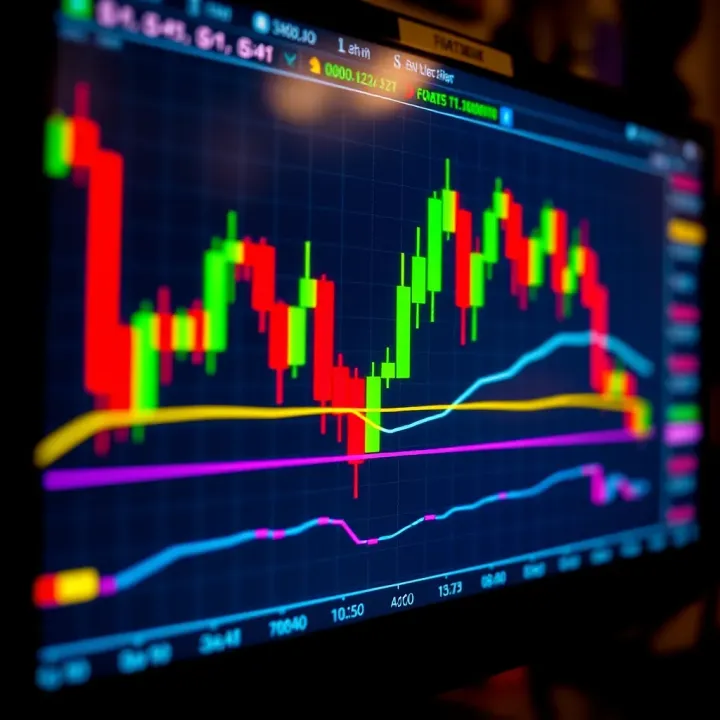
📈 Discover a practical guide to forex trading in Nigeria🇳🇬: get started with key tips, understand market risks, regulations, and opportunities today!
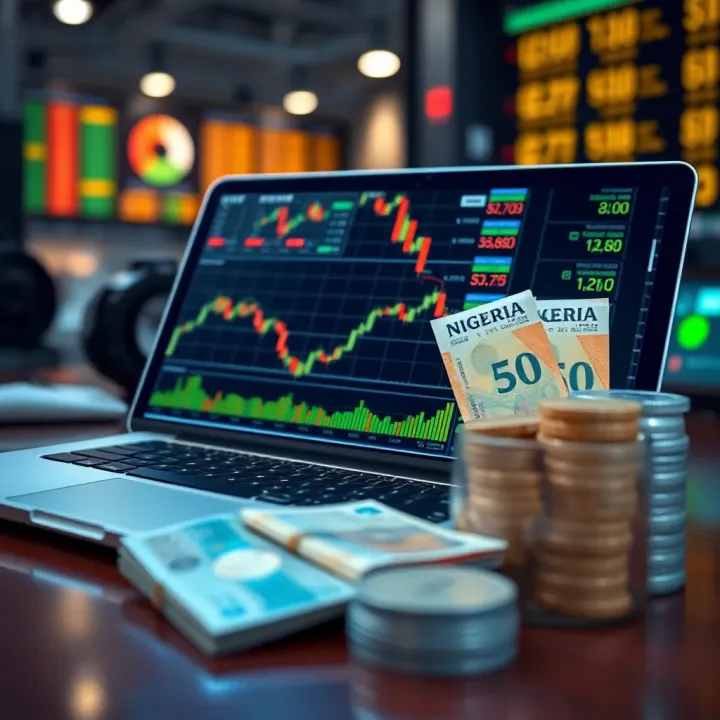
📈 New to forex trading in Nigeria? Learn key concepts, steps, risks, and local tips to trade confidently on platforms like MTN, Qua Iboe, & more today!
Based on 13 reviews