

Effective Risk Management for Nigerian Businesses
🔍 Discover effective risk management strategies Nigerian businesses use to handle economic shocks, regulatory hurdles, and daily operations for lasting growth and resilience.
Edited By
James Whitaker
Risk management is not just an option for Nigerian businesses; it's a necessity. The daily realities of operating in Nigeria — from currency fluctuations to erratic power supply — demand a clear, practical approach. Without a solid risk management strategy, businesses risk losing hard-earned capital, facing operational disruptions, or even collapsing under unforeseen pressures.
Understanding the risks that threaten your business forms the bedrock of any effective strategy. These risks might include:

Currency volatility: Sudden shifts in the naira value can erode profits or inflate costs, especially for businesses relying on imported goods or foreign investments.
Power supply issues: Frequent outages force companies to depend on costly generators, increasing operational expenses.
Supply chain disruptions: The chaos of road traffic, border closures, or bad weather can delay deliveries.
Developing a risk management plan lets you identify these threats early, assess their impact, and set up realistic responses. For example, a trader faced with naira instability might choose to invoice in dollars or open dollar accounts with Nigerian banks like GTBank or Zenith Bank to ease effects on cashflow. Meanwhile, an entrepreneur running a manufacturing outfit could invest in solar power or battery backups to reduce reliance on the national grid.
A practical, well-structured risk plan acts like a map during uncertain times — guiding your business through challenges, minimising shocks, and keeping it afloat.
It's crucial that your strategy does more than just identify risks. It should outline clear steps for mitigation and assign responsibilities within the business. Regular monitoring and updating the plan ensures you stay ahead as conditions change, especially during Nigeria’s volatile ember months when markets and costs can swing sharply.
In the following parts, we will walk through how to build and maintain a risk management strategy tailored to Nigerian conditions, backed up with real-world examples and tools that traders, investors, brokers, and entrepreneurs can apply confidently.
Risk management is the backbone of any thriving business, especially in Nigeria where economic and operational uncertainties frequently arise. The basics provide a clear framework to spot, assess, and handle risks before they spiral into losses. For Nigerian businesses, knowing these fundamentals helps safeguard assets, maintain trust with customers and partners, and keep operations steady even when the unexpected happens.
In Nigeria’s volatile market, risks range from currency fluctuations to power outages and regulatory changes. Effective risk management means more than just reacting to problems—it involves anticipating threats and preparing solid responses. For example, a textile trader in Kano who understands the risks of supply chain delays caused by fuel scarcity or border closures can develop alternative sourcing plans to avoid business halts.
By embedding risk management into daily operations, Nigerian entrepreneurs can protect their investments and improve decision-making. It signals to banks and investors that the business is serious, reducing the chances of funding hiccups during tough times.
Risk identification involves scanning your business environment to find potential threats. Nigerian businesses must keep an eye on local challenges like unstable power supply, naira devaluation, or fluctuating import tariffs. This step helps you list out what risks could disrupt your operations or affect your profits.
Risk assessment is about weighing these risks in terms of their likelihood and impact. You'll want to know, for example, how likely it is that your store will be affected by street protests in Lagos, and what that could cost you. This evaluation sets the stage for prioritising what to tackle first.
Risk response defines how you handle identified risks: avoiding, reducing, transferring, or accepting them. For instance, a Lagos-based food distributor might buy a generator to reduce power outage effects or use insurance to transfer fire damage risk. Choices here should match your business capacity and appetite for risk.
Monitoring and review is a continuous process where you track existing risks and spot new ones. Given Nigeria’s changing business climate—such as new government policies or fuel price hikes—it’s vital to revisit and adjust your risk plans regularly. This ongoing review helps keep your risk management strategy relevant and effective.
A solid grasp of these components equips Nigerian businesses to survive rough patches and seize opportunities without being caught off guard. It turns risk from a source of fear into a manageable element of your business landscape.
By understanding these basics, you lay a strong foundation for building a tailored risk management plan that suits your specific business needs and environment.
Identifying risks specific to the Nigerian business environment is a crucial step for any enterprise aiming to stay afloat and thrive. The Nigerian market presents unique challenges driven by economic, infrastructural, regulatory, and social factors. Pinpointing these risks early helps businesses craft tailored strategies that reduce surprises and optimise resource allocation.
Without a firm grasp of the local risks, companies may find themselves exposed to losses or disruptions that could have been anticipated. For instance, a trader heavily reliant on imported goods needs to factor in naira’s volatility, while a manufacturer must consider constant power interruptions that might increase operational costs.
The Nigerian naira is known for its frequent swings against major currencies, which directly affects importers, exporters, and financial planners. Sudden devaluation can send prices soaring overnight, squeezing profit margins, especially for businesses dependent on imported raw materials or equipment. Inflation often follows, causing consumer prices to rise and reducing purchasing power.
For example, a retailer who sources electronics from abroad may suddenly pay 20% more due to exchange rate shifts. This risk calls for constant monitoring of forex trends and considering local alternatives when possible.

Frequent electricity outages are a daily headache for many Nigerian businesses. The inconsistent power supply often forces companies to rely on costly diesel generators, inflating operational expenses and reducing productivity. This challenge affects manufacturing plants, office operations, and even retail outlets.
Consider a textile factory in Lagos that faces power cuts several times a day; the downtime leads to delayed production and higher fuel costs. Preparing backup systems and negotiating power arrangements with DISCOs can mitigate this risk.
Nigeria’s regulatory environment can be unpredictable, with changing policies, tax laws, and licensing requirements. Businesses may face unexpected compliance demands or fines if they are not up to date with government regulations from agencies like the Federal Inland Revenue Service (FIRS) or the Nigerian Communications Commission (NCC).
For instance, fintech startups must continuously adapt to new rules governing digital payments. A failure to comply can lead to hefty penalties or suspension of licences, making ongoing legal review essential.
Security challenges, including theft, vandalism, and sometimes kidnapping, remain significant risks for Nigerian enterprises. Businesses located in high-risk areas or those handling cash transactions are particularly vulnerable.
A food vendor in a busy urban market might lose stock to theft overnight, or a logistics company might suffer hijacked goods along busy routes. Implementing security measures such as CCTV, insurance, and collaboration with local security outfits can help curb losses.
A SWOT (Strengths, Weaknesses, Opportunities, Threats) analysis helps businesses identify both internal and external risks. By listing potential threats specific to the Nigerian context—like unstable power supply or currency risk—leaders can map out how these issues may impact operations.
This method encourages managers to look beyond immediate challenges and consider broader market changes such as shifts in government policy or competitor actions.
Gathering input from employees, customers, suppliers, and advisors provides diverse perspectives on potential risks. Brainstorming sessions encourage open discussion about challenges that might not be obvious from the top down.
For example, frontline staff at a logistics firm in Abuja may highlight security threats not fully recognised by senior management. Including various voices uncovers hidden vulnerabilities and fosters collective ownership of risk management.
Accessing sector-specific reports from Nigerian institutions, trade associations, or market research firms offers valuable insights into emerging risks. These resources often track trends in inflation, policy shifts, and security incidents that can affect business.
For instance, monthly economic bulletins from the Central Bank of Nigeria or reports from the Nigerian Economic Summit Group can inform risk assessments with current, reliable data.
Identifying risks specific to Nigeria’s market conditions is not just recommended—it's essential. The wrong assumption about the environment can cost businesses dearly. Making use of local knowledge and proven frameworks gives firms a stronger footing to anticipate challenges and seize opportunities.
Understanding these risks and the tools to identify them lays the groundwork for a solid risk management strategy tailored to Nigeria’s unique market dynamics.
Nigerian businesses operate within a landscape riddled with uncertainties—from currency fluctuations to supply chain hiccups caused by power outages. Assessing and prioritising risks enable businesses to focus their limited resources on the issues that could cause the most damage or derail operations. This process ensures that risk management efforts are neither scattered nor wasted. A trader in Lagos, for example, may face daily challenges with naira volatility and informal market shifts. Without assessing impact and likelihood, they could overprepare for unlikely events while ignoring persistent problems like theft or regulatory changes.
Clear evaluation helps to distinguish serious threats from manageable annoyances. By setting priorities, businesses can put effective controls in place for high-risk areas such as inflation or power supply, while accepting smaller risks or monitoring emerging issues. This systematic approach reduces surprises and paves the way for practical action plans.
When assessing risks, businesses often choose between qualitative and quantitative methods. Qualitative evaluation uses descriptive categories like ‘high’, ‘medium’, or ‘low’ to judge how likely a risk is and what damage it could cause. This method suits many Nigerian SMEs with limited data but deep market experience. For instance, a market stall owner may rate power outages as a ‘high probability’ with a ‘high impact’ due to lost sales.
Quantitative assessment, however, applies numerical values to risks, such as estimating a ₦500,000 loss due to supply delays or calculating the chance of a 20% currency drop within six months. Though it demands more data and expertise, quantitative methods provide precise metrics better suited for investors or brokers managing large portfolios across sectors.
Using risk matrices combines these two approaches effectively. A risk matrix arranges risks on a grid, with one axis for probability and the other for impact. This visual tool helps businesses rank risks to see which ones demand urgent attention. For example, a manufacturing company in Abuja might place fluctuating fuel prices in the high-impact, high-probability corner, signalling a need for quick mitigation such as fuel hedging or alternate energy sources.
The matrix format simplifies discussions among stakeholders, aligning everyone on how risky particular threats truly are and guiding budget allocation. Without this clarity, resources could be wasted on risks that are unlikely or trivial.
Determining acceptable risk levels means deciding how much uncertainty a business can bear without serious harm. Each company has its unique appetite based on factors such as capital, market position, and experience. A startup tech firm with limited funding in Lagos may tolerate less risk compared to a well-established oil company that can absorb short-term losses.
For instance, a retailer might set a tolerance threshold—for example, loss of up to ₦100,000 monthly due to delivery delays—as acceptable, managing beyond that threshold with insurance or alternative suppliers. Setting these boundaries helps avoid paralysis from trying to eliminate every risk, which is unrealistic, especially in Nigeria’s dynamic environment.
Aligning risk thresholds with business goals and capacity prevents unrealistic expectations. Ambitious plans to expand require recognising that higher risks come with larger rewards. Transport companies eyeing interstate routes must prepare for increased security risks and regulatory compliance, which mean raising their risk tolerance accordingly.
Moreover, capacity includes financial strength and human resources to respond to crises. A business that overestimates its ability to handle risks may face collapse during a crisis; underestimated risks mean missed opportunities. Understanding this balance allows for smarter, contextual decision-making and ensures resilience.
In short, assessing and prioritising risks lets Nigerian businesses focus effort where it counts, make clear-headed decisions about acceptable dangers, and align risk management with their real-world capacity and goals. It’s not about avoiding all risks but making sure the risks taken are understood and managed prudently.
By adopting clear evaluation methods and realistic thresholds, traders, investors, and entrepreneurs can better secure their ventures against the uncertainties that shade the Nigerian market.
Developing response plans is a vital step for Nigerian businesses aiming to manage risks effectively. It equips companies with practical actions to reduce the impact of identified threats, ensuring continuity and resilience. Without clear response strategies, even a low-probability risk can mushroom into a costly disruption. In Nigeria’s unpredictable business environment, having specific plans in place means faster recovery from challenges like currency instability or supply chain delays.
Businesses in Nigeria typically handle risks using one or more of these four strategies, depending on their capacity and the nature of the risk. Avoiding risks involves steering clear of activities or investments that expose the company to harm. For instance, a small trader might avoid importing goods from countries prone to trade restrictions or delays, reducing exposure to customs hold-ups.
Mitigating risks means taking steps to lessen the impact. A retail company might install solar panels or invest in a reliable generator to reduce the effect of frequent power outages on operations. This reduces downtime and keeps business running smoothly.
Transferring risks usually happens through insurance or outsourcing. Many Nigerian businesses transfer risks by purchasing policies against fire, theft, or business interruption. Some firms outsource their IT management to local tech providers to avoid the risk of internal cyber threats.
Lastly, accepting risks occurs when costs or effort to manage the risk outweigh potential losses. A startup may accept the risk of exchange rate fluctuations if the exposure is minimal and buying forex is too costly.
Preparing for power outages is critical, given Nigeria’s power supply challenges. Businesses often keep fuel reserves for generators, schedule work around typical power availability, or invest in energy-efficient equipment to reduce fuel consumption. Having a contingency plan for outages minimises downtime, which directly affects productivity and profits.
Managing supply chain interruptions is another practical challenge. Nigerian businesses may face delays from port congestion or transport issues like road closures. Preparing involves identifying alternative suppliers, keeping safety stock of critical materials, and establishing good communication channels with transport providers. For example, a food processing company might stockpile raw materials during seasons when port traffic is lighter or consider local sourcing to reduce import dependence.
Effective response plans don’t just address immediate threats but also build long-term business resilience in Nigeria’s dynamic market.
Response planning, when tailored to local realities, enables Nigerian businesses to navigate uncertainty, protect assets, and maintain customer trust during disruptions.
Monitoring and review are the backbone of effective risk management. Without these, any strategy risks becoming outdated or irrelevant, especially in Nigeria where business conditions shift quickly. Regular tracking helps spot emerging threats early and ensures the responses you put in place stay effective over time. For Nigerian traders and investors, this can mean the difference between losing money through sudden market swings or maintaining steady growth.
Key risk indicators serve as signals that alert you when a particular risk is picking up pace or changing nature. These could be economic data points like rising inflation rates, foreign exchange rate changes, or operational signs such as increasing power outages in your local area. For example, a manufacturer in Lagos might watch the frequency of power disruptions as a key indicator because it directly impacts production costs. By tracking these closely, businesses can act before minor issues snowball into major losses.
Regular internal audits provide a structured way to examine your risk environment and controls. Conducting these audits every quarter or bi-annually allows you to identify gaps in compliance, financial leaks, or security weaknesses. For Nigerian businesses, internal audits are especially useful to ensure adherence to local regulations from agencies like the Corporate Affairs Commission or the Nigerian Customs Service. Audits also prepare firms for external scrutiny by tax or regulatory bodies, reducing the risk of penalties and reputational damage.
Learning from incidents means reviewing past risk events to understand what went wrong or right. Every disruption, whether a supply chain delay caused by fuel scarcity or a cyber breach, should be analysed to improve future responses. Nigerian SMEs that take time for post-incident reviews often discover simple fixes—like switching to a less risky supplier or upgrading network security—that prevent recurrence.
Updating procedures with changing market conditions is about riding the continuous currents of Nigeria's dynamic economy. For instance, shifts in government tax policies or naira exchange rates require recalibrating your risk appetite and response tactics. Firms that adapt quickly—such as adjusting inventory levels ahead of price hikes during ember months—sustain competitive advantage. Regular review sessions involving finance, operations, and compliance teams ensure your risk management framework evolves alongside the market.
Continuous monitoring combined with timely revisions turns a good risk management plan into a live, practical tool that supports business resilience in Nigeria’s challenging environment.
Remember, risk management is not a one-time task but a cycle requiring consistent attention and real-time action. Establish your monitoring and review processes firmly, and your business will be better poised to handle whatever challenges come next tomorrow or further down the road.
🔍 Discover effective risk management strategies Nigerian businesses use to handle economic shocks, regulatory hurdles, and daily operations for lasting growth and resilience.

🛡️ Learn effective steps to identify, evaluate, and manage business risks in Nigeria. Protect your assets and make smart decisions even during ember months and market ups and downs.

📊 Master credit risk management for your Nigerian business! Learn how to spot risky borrowers, assess credit well, and keep your business safe from losses in the naira market.
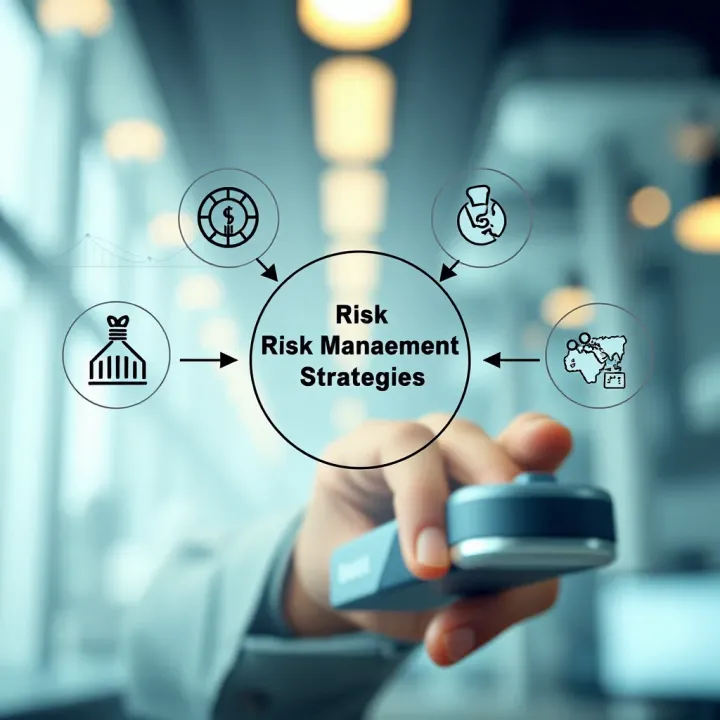
Learn how Nigerian enterprises handle business risks 🔍 with practical strategies, local tools, and insights to safeguard assets and thrive despite market volatility 📊.
Based on 15 reviews