

Understanding Crypto Trading with PDF Guides in Nigeria
📘 Explore crypto trading basics, strategies, and risk tips for Nigerians using PDF guides. Master the crypto space confidently while managing ₦ risks and regulations 🇳🇬
Edited By
Isabella Hughes
Crypto trading websites have become essential tools for anyone interested in buying, selling, or investing in digital currencies. For Nigerian users, understanding how these platforms operate is key to navigating the often volatile crypto market effectively. These websites serve as digital marketplaces where traders exchange cryptocurrencies like Bitcoin, Ethereum, and even local tokens pegged to the naira.
Unlike traditional stock trading platforms, crypto trading websites operate 24/7, providing continuous access to the market. This means you can trade anytime, a feature especially useful in Nigeria where conventional market hours may not align with your schedule or internet availability. However, this round-the-clock activity also means the market can change swiftly, so users must stay alert.

These platforms usually offer several features beyond just buying and selling. For example, many provide:
Price charts and analytics tools to help track market trends and make informed decisions.
Order types such as market, limit, and stop-loss to control trades better.
Wallet integration for storing cryptocurrencies securely.
A practical example of a popular platform in Nigeria is Binance, which offers a Nigerian Naira trading pair and supports deposits through local payment methods like bank transfer and USSD codes. Others, like Quidax and BuyCoins, also cater specifically to Nigerian users, with user-friendly interfaces and lower fees.
To trade smartly, Nigerian users should thoroughly verify platform security measures such as two-factor authentication (2FA) and cold wallet storage before committing funds.
Understanding these basics helps you identify reliable crypto trading websites suited to your needs and budget. Keep in mind, the fast-paced nature of crypto demands both caution and readiness to adapt your strategies. Later sections will break down how to assess features, navigate risks, and access popular platforms tailored for Nigerian traders.
Understanding how crypto trading websites operate is essential for Nigerian users who want to navigate the digital currency market confidently. These platforms are the gateway to buying, selling, and managing cryptocurrencies, so knowing their basic workings helps you trade smarter and avoid common pitfalls.
Buying and selling digital currencies is the core activity on any crypto exchange. When you buy, you exchange your naira or another cryptocurrency for the digital coin of your choice, like Bitcoin or Ethereum. Selling is the reverse—converting your crypto back to naira or another asset. For example, a Nigerian trader could buy Bitcoin using a bank transfer on an exchange and later sell it when the price rises to secure profit. This straightforward process is what drives daily trading activity.
Order types and trade execution dictate how transactions happen on these platforms. A basic market order buys or sells immediately at the best available price, while a limit order lets you set a preferred price to buy or sell, waiting until the market reaches that point. This flexibility allows traders to manage price risks effectively. For instance, if Bitcoin trades at ₦28 million, and you want to buy only when it hits ₦27.5 million, a limit order will hold your intention until that price appears. Understanding these options helps prevent losses from sudden price swings.
Wallet integration and fund management are vital features that ensure your cryptocurrencies are stored securely and are easy to access. Most exchanges provide built-in wallets, letting you hold coins on the same platform where you trade. This setup simplifies deposit, withdrawal, and movement of funds without switching apps. However, some traders prefer to transfer assets to personal hardware or software wallets for tighter security. For example, storing Bitcoin offline on a hardware wallet reduces the risk from online hacks but requires more effort for daily trading.
Centralised exchanges (CEX) like Binance or Coinbase operate as intermediaries holding users' funds and matching buyers with sellers on their platform. They offer high liquidity, fast trade execution, and various tools like charts and order types. For Nigerians, these platforms support local payment methods such as bank transfers and USSD wallet funding, making them user-friendly. However, because centralised exchanges control users’ private keys, security depends largely on their safeguards.
Decentralised exchanges (DEX) run without a central authority, operating on blockchain networks. They allow peer-to-peer trading directly between users, increasing privacy and reducing reliance on middlemen. Platforms like Uniswap or PancakeSwap enable Nigerians to swap tokens without giving up control of their funds. The downside is DEXs often have higher transaction costs due to blockchain fees and less support for fiat currencies like naira.
Peer-to-peer (P2P) marketplaces connect buyers and sellers directly, matching parties for trades that can be settled via agreed payment methods. Platforms such as Paxful or LocalBitcoins cater to Nigerians who may prefer paying with bank transfers or mobile money outside regular exchanges. P2P options offer greater flexibility and access but require careful choice of trading partners to avoid scams.
Knowing these operating basics lets Nigerian traders pick the right platform for their needs, balancing convenience, fees, and security. It’s the first step to building confidence and protecting your crypto investments.
When you start trading cryptocurrency, especially in Nigeria, choosing the right crypto trading website is not just about variety but also about the core features that safeguard and ease your trading journey. These platforms must offer strong security, user-friendly interfaces, and cost-effective transactions. Paying attention to these key features helps you avoid losing money to scams or hidden charges while maximizing trading efficiency.
Two-factor authentication (2FA) is an additional layer of security that requires more than just a password to access your account. For Nigerian traders, this means even if someone guesses or steals your password, they cannot log in without a second verification step — often a code sent to your phone or an authentication app. Platforms like Binance and Bundle Africa use 2FA to protect users, cutting down the risk of hackers accessing accounts.
Cold storage of funds means that the bulk of your digital assets are kept offline, away from hackers on the internet. Unlike wallets connected online (hot wallets), cold wallets are virtually impossible to hack remotely. For Nigerian users, this protects against big losses even if the exchange suffers a breach. For example, Binance keeps most customer funds in cold storage, improving trust for users who want a safer trading environment.
Regulatory compliance relevant to Nigeria involves the platform abiding by local laws and regulations, such as anti-money laundering (AML) policies and knowing your customer (KYC) processes. Given the growing concern from the Central Bank of Nigeria (CBN) and the Securities and Exchange Commission (SEC), trading platforms must verify user identities and report suspicious activities. This protects Nigerian traders by ensuring the platform’s legitimacy and reducing the chances of fraud or legal trouble.
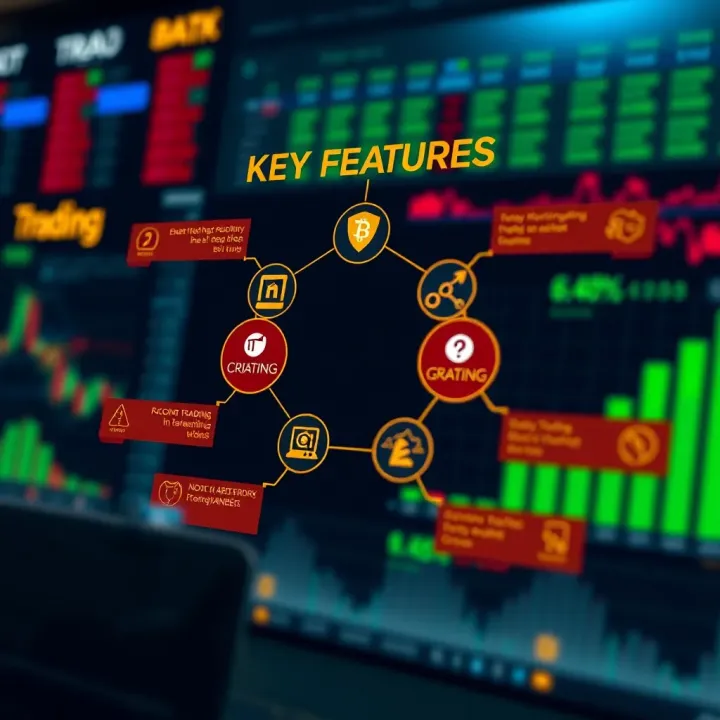
A simple user interface design makes trading less daunting. Look for platforms with clear dashboards, visible trade options, and straightforward navigation. Many Nigerian traders, especially those new to crypto, find a clean layout helpful — so no need to dig through pages for basic tools. For instance, Yellow Card features an intuitive design tailored for beginners and intermediate users.
Mobile app availability is non-negotiable in Nigeria, where many trade through smartphones due to limited access to laptops or desktops. Platforms that offer smooth, fully functional mobile apps let you trade anytime, anywhere — whether you’re waiting for a keke ride or taking a break at the office. Apps like Coinbase and BuyCoins provide reliable mobile experiences that help users track market changes and place orders quickly.
Local language support helps break down language barriers. While English is widely spoken, having platforms that also support Pidgin or major Nigerian languages can improve comprehension and avoid mistakes. This feature is especially helpful for traders from non-English-speaking states. Few platforms incorporate it yet, but this will likely grow as crypto adoption expands across Nigeria.
Understanding trading fees and commissions is crucial to keep costs manageable. Every trade you make may attract a small percentage fee or a flat charge. For Nigerian users handling smaller amounts, platforms with low fees, like Bundle Africa, help keep profits intact. Avoid hidden fees on deposits or withdrawals.
Deposit and withdrawal methods including naira funding determine how easily you can move money in and out. The best platforms allow deposits through Nigerian bank transfers, USSD codes, or mobile wallets. Quick naira funding reduces delays and charges, unlike platforms that require complex foreign currency transactions.
Processing times for both deposits and withdrawals can vary widely. Delays can cost you opportunities in the fast-moving crypto market. Nigerian traders prefer platforms that process naira deposits within minutes and withdrawals within a few hours rather than days. Fast processing also helps manage cash flows, especially during ember months when spending patterns spike.
Choosing a crypto trading website with strong security, straightforward design, and reasonable charges can save you stress and money. Look beyond flashy features and focus on what truly impacts your day-to-day trading in Nigeria.
When choosing where to trade cryptocurrencies, Nigerian users must consider platforms that meet local needs—such as ease of naira deposits, withdrawal methods, and user support. Popular platforms offer varying benefits: some bring global reach and liquidity, while others focus on Ghana and Nigeria’s unique market realities. Understanding these helps traders pick the platform that matches their goals and trading style.
Binance stands out as Nigeria’s most widely used international crypto exchange. Its vast selection of coins, competitive fees, and multiple deposit options make it practical for Nigerians. Importantly, Binance supports naira funding via several local payment methods, including bank transfers and card payments, simplifying the process of moving fiat to crypto.
Beyond just trading, Binance offers additional features like futures contracts and staking, which appeal to more experienced traders. Its mobile app is popular too, allowing users to trade on the go, even during Lagos traffic jams or while waiting for their okada ride.
Coinbase is better known globally but less dominant in Nigeria due to higher fees and limited direct naira support. However, it’s valued for its user-friendly interface and strict compliance with international regulations, which gives traders confidence in its security standards.
For Nigerian beginners who prioritise trust and simplicity without engaging in complex derivatives trading, Coinbase is a solid starting point. Still, funding accounts usually requires exchanging naira to dollars through third-party means.
Kraken offers robust security and a solid reputation among cryptocurrency traders worldwide. Although it’s less popular than Binance, Kraken’s emphasis on security and regulatory compliance appeals to those wary of scams.
Kraken supports multiple cryptocurrencies and advanced order types, fitting serious traders and investors. Nigerian users typically fund accounts via international methods but should prepare for longer processing times compared to local options.
Bundle Africa provides an accessible, Nigerian-focused crypto trading experience. It allows users to fund their accounts easily with naira through bank transfer or USSD codes, which is a big plus for anyone without prolonged bank verification steps.
Its social trading feature lets users follow and learn from others, which is useful in Nigeria’s emerging crypto community. Plus, Bundle simplifies crypto education with its straightforward app — making it a go-to platform among young Nigerians starting out.
Yellow Card is another local favourite that emphasises ease of use and affordability. It supports direct naira deposits through local bank transfers and mobile money wallets, increasing access for those outside major cities.
Yellow Card offers fast withdrawals and modest transaction fees, making it ideal for remittances or small-scale trading. Plus, it has a strong community presence in West Africa, enhancing its credibility.
BuyCoins is a Nigerian-born platform designed to streamline crypto buying and selling for everyday users. It features quick naira funding options and P2P support that lets you trade directly with other Nigerians, cutting costs and delays.
This platform suits users who prefer a less technical, straightforward approach without complex order types. BuyCoins also educates users on crypto basics, tackling mistrust among Nigerian newcomers and promoting safer trading practices.
Picking the right crypto trading platform depends on your experience level, access to funding, and what currencies you want to trade. For Nigerian users, a local platform with naira support often beats international exchanges in convenience, but global platforms bring liquidity and advanced options.
Understanding each platform's strengths helps Nigerian crypto traders trade smarter and avoid common pitfalls.
Understanding the risks involved in crypto trading is essential for Nigerian traders seeking to protect their investments and make informed decisions. Crypto markets are notoriously volatile and vulnerable to security threats, making it vital to recognise these challenges upfront. Knowing how to manage these risks can save you from heavy losses and fraudulent schemes while helping you trade with confidence.
Cryptocurrency prices often swing sharply within short periods, which can be nerve-racking for traders not prepared for sudden changes. For example, Bitcoin’s price has swung by over 10% in a single day several times over recent years. Such fluctuations result from factors like changing investor sentiment, regulatory news, or macroeconomic events affecting the global or Nigerian economy.
Understanding these price movements involves recognising that crypto markets are less settled than traditional markets like equities or forex. In Nigeria, external factors such as CBN restrictions on crypto payments or foreign exchange volatility also affect prices. This means traders need to stay alert, monitor market news, and avoid panic decisions that could lead to losses.
Using stop-loss and limit orders can help control exposure to drastic swings. A stop-loss order automatically sells your crypto once it falls to a set price, limiting potential losses. For instance, if you buy Ethereum at ₦800,000, setting a stop-loss at ₦720,000 closes the position if prices fall too far. Limit orders, on the other hand, let you set a price to buy or sell, ensuring you only trade at your desired levels without manual monitoring. Leveraging these order types, especially on platforms like Binance or Yellow Card, brings discipline and safety into your trading routine.
Phishing attacks and impersonations remain a widespread threat in the Nigerian crypto community. Scammers send fake emails or WhatsApp messages mimicking popular exchanges or wallets, urging users to reveal passwords or click malicious links. Falling for these tricks often leads to stolen funds. Being vigilant by verifying official communication channels and never sharing your credentials helps prevent this.
Fake exchanges and Ponzi schemes prey on unsuspecting traders by promising unrealistic returns or easy profits. Some fraudulent platforms offer quick sign-ups and deposit bonuses but later disappear with users’ funds. Learning to spot red flags—such as unregistered entities, unverifiable team members, or too-good-to-be-true offers—is crucial. Only use well-known exchanges approved by regulators or with strong reputations among Nigerian users.
Protecting your private keys is non-negotiable for crypto security. Your private key acts like a master password granting full control over your digital assets. If lost or stolen, the consequences are irreversible. Store keys offline, preferably using hardware wallets, and avoid sharing them with anyone. While convenience-driven wallets on phones are popular, securing backups and using strong passwords remain mandatory precautions.
Taking these risks seriously and applying practical measures like stop-loss orders, careful account handling, and private key protection will safeguard your crypto journey in Nigeria’s dynamic market.
In brief, understanding market swings and guarding against scams are key steps every Nigerian crypto trader must take before diving deeper into trading activities.
For Nigerian crypto users, practical tips go beyond theory; they address real challenges you will meet in the local market. Nigeria's unique financial and regulatory environment means trading crypto requires specific strategies—from verification to fund management and staying informed about official guidelines. Following these tips helps avoid common pitfalls and maximises your trading potential in a landscape that's still evolving.
KYC (Know Your Customer) process is a standard requirement on most crypto exchanges. It involves submitting personal details and identification documents to verify your identity. In Nigeria, strict KYC checks protect against fraud and money laundering, and ensure compliance with both local regulators and global standards. For example, completing your KYC on platforms like Binance or Bundle Africa unlocks higher trading limits and smoother deposits.
Linking bank accounts or USSD wallets offers direct access to naira funding options. Most exchanges request you connect your Nigerian bank account or mobile money wallet, such as Paga or OPay, for seamless deposits and withdrawals. This setup is practical because it reduces reliance on third-party intermediaries, cuts down transaction time, and lowers costs compared to manual transfers. It also means you don't have to withdraw funds through complicated cryptocurrency conversions.
Funding with naira through bank transfers or mobile money means you can start trading without buying foreign currency first. Many exchanges accept funds via Nigerian bank transfers (using the BVN-linked account) or mobile money platforms, which are widely available even in semi-urban areas. Getting your naira into your crypto wallet quickly is crucial, especially when market prices change within minutes.
Placing your first trade efficiently requires understanding the order types available—usually market order, limit order, and stop-loss order. For a beginner, starting with a market order guarantees immediate execution at the current price. For example, using a local trading platform like BuyCoins allows easy selection of cryptocurrencies and simple order placement, making your first trade smooth and less intimidating.
Using price alerts and news sources helps you react quickly to market events. Setting alerts on platforms like Binance or local apps for price changes can notify you to sell or buy at the right moments. Nigerian traders should also follow local crypto news portals and social media channels to catch announcements on token launches or regulatory developments.
Staying glued to reliable news and alerts can save you from sudden market losses and help you spot profitable opportunities early.
Keeping track of CBN circulars affecting cryptocurrency is essential. The Central Bank of Nigeria (CBN) has released several notices restricting banks from dealing directly with crypto exchanges and promoting caution around crypto use. Traders must monitor these circulars closely to understand which services remain available and to avoid transaction delays or frozen accounts. Using official CBN releases and updates from Nigerian financial news sources will keep you informed on policy shifts that impact crypto trading.
Adopting these practical steps demands discipline but prepares you well to trade confidently in Nigeria’s crypto market. Starting right by verifying properly, funding safely with naira, executing trades efficiently, and staying well-informed will ensure you avoid common headaches and enjoy a better trading experience.
📘 Explore crypto trading basics, strategies, and risk tips for Nigerians using PDF guides. Master the crypto space confidently while managing ₦ risks and regulations 🇳🇬
Ready to trade crypto in Nigeria? Learn market basics, pick the right platforms, manage risks, and handle ₦ payments safely. Start your crypto journey today! 🚀💰🇳🇬
Explore top forex trading sites for Nigerian traders ⚖️ Learn how to choose secure platforms with low costs, great features, and reliable support 📱💹
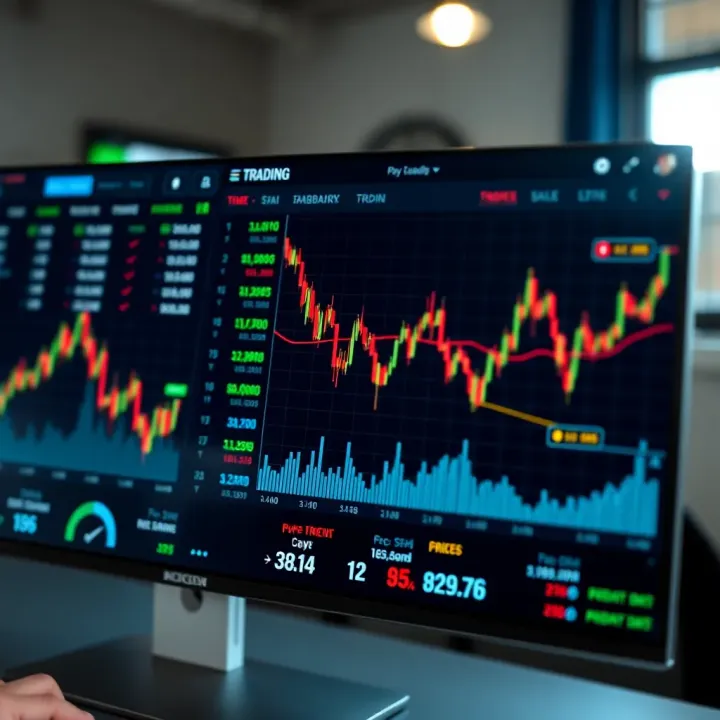
🔍 Find the best crypto trading platform in Nigeria! Learn how to pick secure, user-friendly options with low fees and great support to trade confidently. 🇳🇬💰
Based on 13 reviews