

Complete Guide to Candlestick Patterns with PDFs
📊 Master candlestick patterns with our detailed guide! Learn to read charts, spot trends, and access handy PDF resources for practical trading skills.
Edited By
Isabella Hughes
Chart patterns form the backbone of technical analysis in trading and investing. For savvy traders in Nigeria, recognising these patterns can provide valuable clues about future price movements, making market decisions more informed and less of a gamble. Whether you're a stockbroker on the Lagos Stock Exchange or a forex trader using platforms like MT4, understanding chart patterns boosts your confidence in reading price action.
A reliable chart pattern resource should clearly illustrate patterns such as head and shoulders, double tops and bottoms, triangles, and flags. These indicate possible trend reversals or continuations, helping you anticipate market direction. Familiarity with these patterns lowers the risk of entering or exiting trades prematurely.
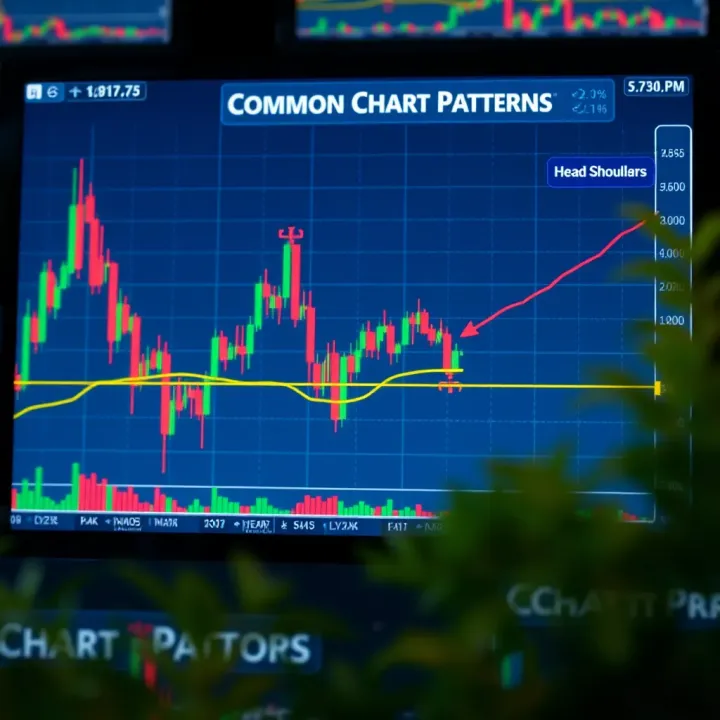
Now, where to find trustworthy materials? Many seasoned traders recommend PDF downloads from respected sources like Investopedia, BabyPips, or specific Nigerian financial education portals. These files usually come with annotated charts and concise explanations, perfect for offline study or quick revision.
Accessing free, high-quality chart pattern PDFs can be a game changer for many Nigerian investors, allowing for continuous learning without extra cost.
When choosing your PDF resources, look out for:
Clear diagrams showing entry and exit points
Practical examples with real market data
Explanations tailored to various asset classes — equities, forex, commodities
Updates that reflect current market behaviours
To get more out of these resources, combine them with hands-on practice: apply pattern identification during live sessions using platforms like Bamboo or Chaka. Over time, this strengthens your skill of spotting reliable chart cues.
In summary, reliable chart pattern guides and free PDFs are vital tools. They serve as both reference and learning aids, shaping your approach to market analysis while helping you make smarter investment choices in Nigeria’s dynamic financial environment.
Chart patterns are an essential tool in technical analysis, helping traders and investors make sense of market movements by visualising price trends and potential turning points. Understanding these patterns allows you to anticipate whether a stock, forex pair, or commodity is likely to continue in its current path or reverse direction. This insight proves invaluable in the Nigerian market, where external factors like naira volatility or policy changes can impact asset prices unexpectedly.
Chart patterns serve as visual signals that reflect the psychology of market participants—buyers and sellers. These patterns form when price movements create specific shapes on a candlestick or line chart. For instance, a series of higher highs and higher lows may form an ascending triangle, suggesting that buyers are dominating and a breakout uptrend might occur. Unlike fundamental analysis, which studies company or economic data, chart patterns focus solely on price history to predict future moves.
Their practical relevance lies in providing traders with clues about entry and exit points. For example, spotting a flag pattern after a strong price move can help traders anticipate a continuation, allowing them to position themselves accordingly. This technique is widely used in the Nigerian stock market, where volatility often demands timely decisions.
Patterns act as markers that indicate when a trend is strengthening or weakening. Continuation patterns, such as flags and pennants, show a temporary pause before the market resumes its previous direction. Reversal patterns, like head and shoulders or double tops, warn of possible turning points where the trend may change course. Identifying these early can prevent losses and maximise profits.
For instance, a head and shoulders pattern on the chart of a popular NSE-listed stock can signal that the ongoing uptrend is losing steam, prompting traders to sell before prices drop. Thus, recognising these formations is a practical skill that supports timely trading decisions.
In Nigeria, most retail traders and investors use chart patterns to complement fundamental analysis, especially when gauging entry points during volatile periods such as the ember months or pre-election seasons. Forex traders rely heavily on these patterns combined with indicators from platforms like MT4 or MetaTrader. Also, brokers frequently advise clients to watch for key patterns on major stocks like Dangote Cement or MTN Nigeria to time trades better.
Value investors might focus more on fundamentals but still check chart formations to avoid buying at market peaks. Meanwhile, speculators act swiftly on pattern confirmations to capitalise on price swings within short timeframes.
Flags and pennants are short-term formations indicating that the market is taking a breather before continuing the previous trend. A flag looks like a small rectangle inclining against the trend, while a pennant forms a small symmetrical triangle. After a strong upward move in, say, a forex pair like USD/NGN, a flag might form as prices consolidate. Traders interpret this as the market gathering momentum to push upwards again.
The practical use is that these patterns allow you to enter trades with relatively low risk, as stop-loss orders can be placed just outside the pattern boundaries. Nigerian traders often spot these in intraday or swing trading on platforms like OANDA or local online brokers.
Reversal patterns indicate shifts in market direction. The head and shoulders pattern features three peaks: a higher middle peak between two lower ones, suggesting a bullish trend may be ending. A double top shows two peaks at roughly the same price level, often signalling resistance and an impending drop.
For example, if the price of a stock listed on the NGX shows a clear double top, local investors might prepare to exit before the price declines badly. These patterns tend to carry more weight since they can signal the end of prolonged trends.
Simple patterns like flags or double tops are easier to identify and act upon, making them ideal for beginner traders. Complex patterns, such as complex head and shoulders or triple triangles, require more experience to interpret accurately, as they involve multiple overlapping formations and longer timeframes.
In Nigerian markets, where access to real-time data may be limited for some traders, simpler patterns provide quicker signals and reduce analysis complexity. Yet, experienced investors may use complex patterns alongside fundamental data to form a comprehensive trading strategy.
Recognising both simple and advanced chart patterns gives you a toolkit to navigate different market conditions effectively. Starting with simple ones builds confidence, while mastering complex formats can set you apart in your trading journey.

Accessing trustworthy chart pattern PDFs is key to sharpening your trading skills without spending a dime. With so many resources scattered online, knowing where to look can save you time and protect you from misleading or outdated information. Reliable PDFs not only explain patterns clearly but also prepare you to apply this knowledge practically, especially in Nigerian financial markets.
Official websites of financial education organisations usually provide authoritative and well-researched materials. Bodies like the Nigerian Stock Exchange (NGX) and the Central Bank of Nigeria (CBN) occasionally publish financial learning resources, including technical analysis guides. These PDFs reflect current market standards and Nigerian regulatory frameworks, making them highly relevant. For instance, the NGX may offer educational PDFs to help investors grasp trend patterns specific to Nigerian equities.
Reputable trading forums and communities serve as hubs where experienced traders share knowledge, often posting free PDF materials vetted by members. Platforms such as TradeSmart Forum or the Nigerian Trader community can be good places to find practical, peer-reviewed content. These communities discuss real-life trading scenarios with local context, allowing you to see how chart patterns behave under Nigeria’s market conditions. Participation in such forums also offers opportunity to ask questions when a PDF’s content feels unclear.
Educational portals with Nigeria-focused content are rising in popularity. Websites dedicated to financial literacy or investing education, sometimes linked to fintech brands like Kuda or Cowrywise, regularly upload free PDFs tailored for Nigerian beginners and intermediate traders. Such portals blend technical analysis with local market insights, explaining how volatility in naira, oil prices, or economic policies can affect chart interpretations. This contextual approach makes their resources practical for real trading.
Checking authorship and credibility is the first step before trusting any PDF. Look for identifiable authors with solid financial or trading backgrounds. Renowned analysts or educators affiliated with Nigerian institutions add weight to the content. PDF files lacking author names or coming from dubious sites should be treated cautiously. Quality documents often cite their sources or have endorsements from known organisations.
Cross-referencing pattern definitions among sources helps confirm accuracy. Different PDFs might explain a ‘head and shoulders’ or ‘double top’ differently, so comparing them sharpens understanding and exposes inconsistencies. Using at least two or three reputable sources reduces the chance of relying on misleading information. It’s good practice to check if Nigerian reports align with global standards set by bodies like the Chartered Market Technician (CMT) Association.
Ensuring up-to-date and relevant market information is crucial because markets evolve constantly. A PDF published ten years ago might cover chart patterns, but lack current examples or consider recent trading tools like mobile apps or local online brokerages. Always check publication dates and look for materials referencing recent Nigerian market events or data. Staying current improves your ability to apply patterns amid today’s economic realities, such as naira fluctuations or shifting NSE sector performance.
Reliable chart pattern PDFs empower Nigerian traders to improve analysis skills thoughtfully, but verifying the source and content quality ensures these materials truly add value to your trading.
Finding the right PDFs is about matching quality content with local relevance. Use official sites for foundational knowledge, forums to gain peer insights, and educational portals for practical, Nigeria-tailored learning. Always keep an eye on credibility and recency to avoid common pitfalls that could mislead your market decisions.
For traders and investors looking to sharpen their technical analysis, mastering essential chart patterns is non-negotiable. These patterns serve as visual signals that hint at possible market directions, helping you spot favourable entry or exit points. Especially for Nigerian markets like the Nigerian Stock Exchange (NSE) and forex, recognising these patterns can improve decision making amid local volatility and global influences.
Triangles are common continuation patterns formed by converging trendlines on price charts. A symmetrical triangle shows buyers and sellers more or less balanced, often signalling a breakout either way. In contrast, an ascending triangle has a flat upper resistance line and rising lower support, suggesting bullish momentum. Conversely, a descending triangle has a flat support line with lowering highs, usually hinting at bearish trends. For example, a trader watching Guaranty Trust Bank (GTBank) stock on the NGX might spot an ascending triangle and prepare to buy if prices break above resistance.
The head and shoulders pattern is a classic reversal sign, marking potential inflection points. It features a peak (left shoulder), a higher peak (head), and another lower peak (right shoulder). A head and shoulders top predicts a fall after an uptrend, while an inverse head and shoulders signals a possible rise following a downtrend. Say a trader notices this pattern on a Nigerian Naira forex chart against the US dollar; spotting an inverse head and shoulders might alert them to enter long positions anticipating a reversal.
Double and triple tops form when the price hits a resistance level twice or thrice without breaking through, pointing to a weakening uptrend. Their counterpart, double and triple bottoms, form when the price tests support multiple times, suggesting the downward trend may end. These patterns often modestly precede significant shifts. For example, a trader examining MTN Nigeria’s stock might notice a double bottom forming, a cue to consider buying before an upward rally.
Chart patterns do not work in isolation, especially in Nigerian markets where global news, CBN policies, and foreign exchange rates add layers of complexity. A pattern that predicts bullish breakout on the NSE may not always materialise if sudden monetary policy changes affect investor sentiment. However, correctly interpreting patterns in popular stocks like Dangote Cement or in forex pairs involving the ₦/US$ can still give traders an edge in timing trades.
Local factors like inflation rates, fuel scarcity, and political developments shape the Nigerian market mood. These can sometimes distort pattern reliability since market reactions may be swift and erratic during events like ember months or pre-election periods. For instance, a head and shoulders pattern that usually implies a downturn could be overridden if a new government stimulus package uplifts market confidence.
Relying solely on chart patterns is risky given the hustle in Nigerian markets. Blending patterns with fundamental checks — like company earnings reports, CBN policy reviews, or forex market liquidity — sharpens accuracy. A trader spotting a bullish triangle on Nigerian Breweries’ chart might also check recent earnings or regulatory news before committing funds. This dual approach helps filter out false signals and build confident trading strategies.
Mastering chart patterns requires patience and practice but equipping yourself with practical examples from Nigeria’s vibrant market keeps you ahead. Remember, they are guides, not guarantees.
By learning these key patterns and understanding how Nigerian market dynamics colour their behaviour, traders can better position themselves for consistent profits and avoid common pitfalls.
Using PDF materials on chart patterns effectively can really boost your trading skills. These resources provide structured information in a handy format, but to truly benefit, you need to approach them with a clear plan and avoid common pitfalls. Let’s break down some key strategies that can help you get the most out of these PDFs.
A regular study routine is essential for building a solid understanding of chart patterns. Set specific times in your week dedicated solely to going through your PDF materials and practising pattern recognition. For example, spending 30 minutes every morning reviewing patterns and another 30 minutes after market hours practising on live charts can make a huge difference. Consistency is key — without it, even the best PDFs remain just a file on your device.
Active engagement boosts retention. As you read through PDFs, highlight important definitions, pattern characteristics, and chart examples. Jot down additional notes or questions in a separate notebook or digital document. This practice helps you focus and makes it easier to revisit crucial information. If you notice particular patterns that frequently appear in the Nigerian Stock Exchange (NGX), for instance, mark them clearly for quick reference.
Theory alone won’t make you an expert. Applying what you learn directly on real market charts cements your understanding. After studying a pattern in your PDF, try to spot it in recent NGX stocks or forex price movements. This hands-on exercise reveals subtle variations in patterns due to local market behaviour and improves your confidence. For a practical edge, use charting platforms like Investing.com or MT4 alongside your PDFs.
Charts tell a part of the story, but relying only on patterns without considering local events or economic factors is risky. For Nigerian markets, events such as new CBN policies, political elections, or oil price shifts can influence patterns unexpectedly. Always pair your chart analysis with current news or fundamental insights to avoid misleading signals.
It’s tempting to find complex patterns everywhere, but over-analysis can confuse rather than help. Focus first on the well-established, simpler patterns like triangles or double tops before moving to complicated variations. Overcomplicating leads to hesitation and missed opportunities. When studying PDFs, choose resources that explain patterns clearly without unnecessary jargon.
False breakouts occur when price moves beyond a pattern boundary but quickly reverses, tricking traders into poor decisions. Nigerian markets can be volatile, with sudden price jumps that mimic breakouts. PDFs often warn about these traps, so pay close attention to confirmation signals like volume spikes or multiple candlestick closes beyond a breakout point. This awareness reduces losses from chasing fake moves.
Mastering chart patterns takes more than just reading PDFs – it requires strategic study, keen observation, and practical application. With patience and the right approach, these free resources can significantly sharpen your market insight.
By integrating these tips into your routine, you'll not just read PDF materials but transform them into practical skills that match the Nigerian trading environment.
Free PDFs on chart patterns provide a solid foundation for traders seeking to sharpen their market skills without spending a dime. However, just having these resources is not enough; incorporating their lessons into your daily trading routine can significantly boost your performance. For example, a trader watching the Nigerian Stock Exchange (NSE) might use PDFs to recognise patterns like ascending triangles or head and shoulders, then apply this understanding directly on live charts to make timely buy or sell decisions.
PDF guides offer detailed explanations and illustrations to understand chart patterns, but their real power shows when coupled with live trading platforms such as MetaTrader or Bloomberg Terminal. These platforms allow you to spot forming patterns in real-time, verify the PDF concepts on actual charts, and gauge how patterns unfold before making trade moves. In Nigeria’s forex market, for instance, a trader might learn about pennants from PDFs and then track USD/NGN pair charts live to catch those patterns as they emerge.
Modern charting software often supports alerts when specific formations develop. After studying PDFs, you can configure alerts for patterns like double bottoms or flags, sparing you the hassle of constantly monitoring every chart. For a Lagos-based trader focused on blue-chip stocks, setting alerts helps in catching important reversals promptly, especially when market volatility spikes during ember months or major political events.
Your trading plan should not be static. Regularly review how your PDF-based pattern analyses performed in the market and tweak strategies accordingly. If you notice patterns signalling false breakouts more often in Nigeria’s emerging markets, it might be wise to complement technical signals with fundamental insights like CBN policy changes. Feedback loops like this sharpen your judgement and prevent costly mistakes over time.
Watching local experts break down pattern analysis makes the abstract concepts in PDFs much clearer. Several Nigerian traders on YouTube and TikTok upload practical tutorials, sometimes using NSE stocks to highlight patterns as they develop. This format helps in picking up on nuances like the difference between proper breakouts and fakeouts, making learning more relatable and actionable.
Scheduled webinars hosted by organisations such as the Nigerian Stock Exchange or financial education sites offer the chance to learn interactively. These sessions often provide updated market context and walking through pattern recognition exercises live. In addition, some online courses offer certification, adding credibility to your learning and boosting your confidence when handling real funds.
Joining Telegram or WhatsApp groups where traders share pattern analyses can expose you to fresh perspectives and patterns developing in real Nigerian markets. Mentorship schemes also play a vital role – a seasoned trader can guide interpretation beyond textbook definitions, especially in challenging market conditions faced locally. This peer or tutor support makes it easier to stay disciplined and spot opportunities that PDFs alone might not reveal.
Making chart pattern PDFs part of your routine means actively practising and seeking feedback, not just passively reading. The more you blend these resources with hands-on market observation and community learning, the sharper your trading edge becomes.
📊 Master candlestick patterns with our detailed guide! Learn to read charts, spot trends, and access handy PDF resources for practical trading skills.

📈 Master seven essential chart patterns to spot market trends and price moves. Learn to trade smarter with clear examples & a handy PDF guide! 📊

Explore the binary number system 🖥️, from its basics and structure to conversion techniques and its vital role in computing and digital tech across Nigeria.

💻 Discover how binary systems power computing in Nigeria! Learn binary basics, arithmetic, logic & its vital role in programming and architecture. 🔢
Based on 12 reviews