

Binary Options Forums: A Guide for Nigerian Traders
🔍 Discover how binary options forums can guide Nigerian traders with risks, tips, and honest insights. Stay informed and trade smart in online communities!
Edited By
James Thornton
Binary trading has gained increasing interest among Nigerian traders looking for quick returns in financial markets. Unlike traditional investing, binary trading centres on predicting whether the price of an asset will rise or fall within a set timeframe. These trades either pay a fixed amount or lose the invested sum, making them a straightforward but high-risk betting on markets.
Binary traders come from diverse backgrounds, including retail investors, speculators, and sometimes day traders seeking swift gains. Given how fast binary options expire — often within minutes or hours — traders must develop sharp analytical skills and rely on real-time market data.

It's crucial to understand that binary trading is more speculative than investing. While the payoff can be attractive, losses happen frequently, underlining the need for discipline and solid strategies.
In Nigeria, binary trading operates within a regulatory grey area. The Securities and Exchange Commission (SEC) monitors investment products, but specific binary option regulations remain limited. Traders should be wary of unregulated platforms and seek brokers licensed by credible international authorities or recognised Nigerian bodies.
Binary trading involves various asset classes such as forex pairs, commodities like crude oil, stocks of Nigerian and international companies, and indices. For example, a trader might predict whether the price of the ₦/US$ forex rate will rise in the next 30 minutes; a correct forecast yields profit, while a wrong one results in total loss of the stake.
Successful binary traders often use technical analysis tools such as candlestick patterns, moving averages, and RSI indicators. Unlike conventional markets where holding positions for months might be viable, binary traders act swiftly and sometimes combine several trades to balance risk.
In summary, binary traders fill a niche in Nigeria’s financial market ecosystem by offering an option for fast-paced speculative trading. However, the risks demand careful management, awareness of regulatory status, and strong market understanding. For those willing to invest time in learning and applying disciplined strategies, binary trading can be an engaging, though challenging, venture in the Nigerian context.
Understanding who binary traders are sets the foundation for grasping their role in financial markets. This knowledge helps investors, brokers, and analysts identify the behaviours, strategies, and risks tied to binary trading. Recognising the profile of these traders offers practical insight into market dynamics, especially within Nigeria's growing financial space.
Understanding the concept of binary trading: Binary trading involves placing bets on whether an asset’s price will rise or fall within a set time frame. It simplifies market speculation by offering fixed returns or losses based on the outcome—either all or nothing. This approach appeals to traders seeking clear, quick results rather than traditional buying and holding of assets.
In Nigeria, binary trading provides a gateway for retail investors who lack capital for extensive stock or forex trading but want exposure to financial markets. It's essential for traders to understand that binary trading is distinct from investing; it's more akin to short-term speculation.
Typical characteristics of binary traders: Binary traders usually seek straightforward trading mechanics and faster outcomes. They often display tolerance for high risks, as the all-or-nothing payoff means potential for quick loss or gain. Many exhibit a preference for short-term engagements rather than long-term investment strategies.
Moreover, Nigerian binary traders typically include younger, tech-savvy individuals who have access to mobile trading apps. They may juggle trading alongside other jobs, leveraging small capital to attempt quick profits. Awareness of these traits guides brokers and regulators in tailoring education and protection measures.
Common motivations for engaging in binary trading: Most traders are driven by the potential for rapid returns without complicated analysis demands. The simplicity of predicting asset direction appeals to those unfamiliar with detailed financial instruments.
In Nigeria’s current economic climate, where formal employment is limited and inflation impacts daily life, many turn to binary trading to supplement income. Some are attracted by stories of quick profit, while others use it as a learning tool for broader financial markets.
Retail Nigerian traders and their approaches: The bulk of Nigerian binary traders are retail individuals who use their savings or disposable income for trading. They often rely on popular platforms that offer easy access and educational resources. Their approaches vary from relying on intuition, following trends, to applying basic technical signals acquired from online tutorials.
Retail traders in Lagos or Abuja might spend a few hours daily on binary options, trying to capitalise on market news or local economic indicators like the CBN’s monetary policies that influence currency movements.
Institutional participation in binary markets: While binary trading is predominantly retail-driven in Nigeria, certain financial institutions and hedge funds explore binary options as part of more extensive trading strategies. These institutions leverage analytical models and risk management tools to protect investments amidst market volatility.
However, institutional players remain cautious due to regulatory uncertainties and potential fraud risks associated with some binary trading platforms operating in Nigeria.
Role of online trading platforms in Nigerian binary trading: Online platforms are vital facilitators for Nigerian traders. Platforms like IQ Option and Binomo offer user-friendly interfaces and mobile app accessibility, which suit Nigeria’s growing internet penetration and smartphone use.
These platforms also provide demo accounts that help new traders practice before risking real money. Yet, the challenge is in selecting platforms that are regulated or trustworthy, as the Nigerian market has seen unregulated services that expose traders to fraud.
Choosing a reputable platform with transparent practices is key to protecting your investments and navigating Nigeria’s binary trading scene safely.
By understanding who binary traders are—from their motivations to the tools they use—stakeholders can better appreciate their impact on financial markets and strategise accordingly.
Understanding how binary trading works is essential for anyone looking to participate in this financial market. It strips down complex investment choices into simple yes/no bets on potential price movements, making it accessible for many traders, including Nigerians who want quick results or are exploring alternative investments beyond traditional stocks or forex.
Binary options are financial contracts that pay a fixed amount or nothing at all based on a simple proposition: Will an asset's price be above or below a set level at a specific time? This all-or-nothing feature makes binary options straightforward but risky, as traders effectively predict asset price movement within a deadline.
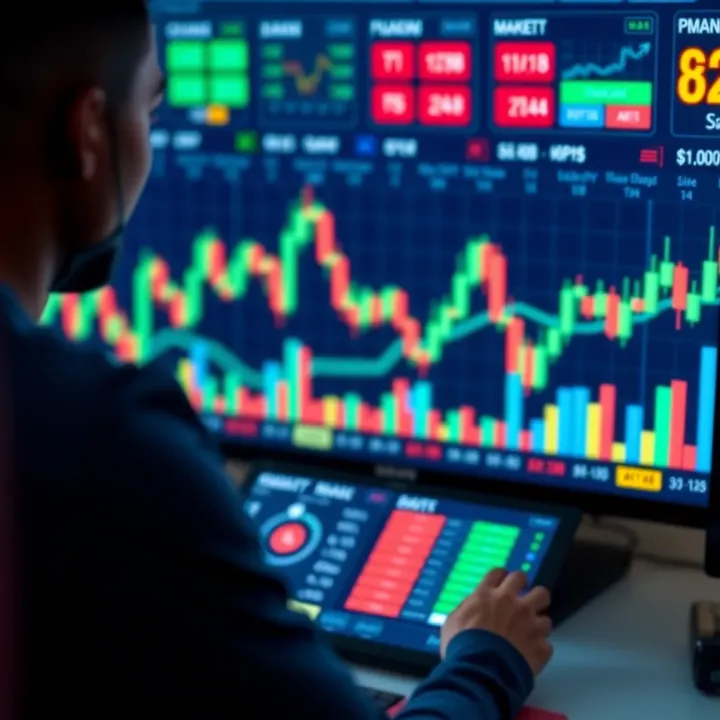
For example, a trader might buy a binary option betting that the price of Brent crude oil will be above $70 per barrel at 3 pm. If, at expiry, the price is indeed above $70, the trader receives a predetermined payout; if not, they lose the staked amount.
Common asset classes for binary trading include stock indices like the NSE Index, commodities such as crude oil and gold, forex pairs like USD/NGN, and sometimes cryptocurrencies. These asset classes are popular because they offer volatility and liquidity, which traders rely on to create profit opportunities within the short expiry spans typical of binary options.
For instance, many Nigerian traders watch forex pairs during market overlaps when price movements are more active, increasing chances to predict short-term price direction accurately.
Expiry times and payout structures vary significantly but typically range from 60 seconds to several hours or days. Short-term expiry options attract traders who prefer fast outcomes, though these come with higher volatility risks.
Payouts are usually fixed, often between 70% to 90% return on the invested stake if the option expires in the money. Some platforms also offer partial payouts for options that expire near the strike price. This clarity on risk and reward is what draws many Nigerians seeking transparency in their trades.
Popular platforms used by Nigerian traders include globally recognised names like IQ Option, Binomo, and Olymp Trade, alongside local fintech emerging platforms. These platforms cater to Nigerian traders with interfaces in English, integration with local payment methods like Paystack or Flutterwave, and support for Naira deposits.
Many Nigerian traders appreciate platforms offering demo accounts to practice without risking real money, helping them build confidence before committing funds.
Interface and features important for trading comprise clear charts, real-time price feeds, easy order placement, and quick execution. Features like technical indicators, market news feeds, and economic calendars enhance traders' ability to make informed decisions. For example, having a visible RSI indicator or candlestick charts directly on the platform can help spot entry and exit points consistently.
Mobile trading and accessibility in Nigeria have become particularly vital with widespread smartphone use and variable power supply. Mobile apps from leading platforms provide on-the-go access, allowing traders to react swiftly to market changes despite frequent NEPA outages or while commuting in Lagos traffic.
The convenience of trading via mobile also aligns with Nigerian traders’ preference to manage their investments during break times or after work, without needing dedicated desktop setups.
Knowing how binary trading works—from the option's straightforward nature to the choice of reliable platforms and the value of mobile accessibility—equips Nigerian traders to engage the market more confidently and responsibly.
Effective strategies are key in binary trading, especially because of the fixed payout and short time frames involved. Traders who understand and apply reliable approaches increase their chances of making consistent profits, while also managing the risks inherent in the market.
Trend following and momentum strategies involve identifying clear market directions and trading along these movements. Binary traders watch for patterns where an asset’s price is steadily rising or falling, entering trades that bet on the continuation of this trend. For example, if the price of crude oil futures is steadily rising throughout the day, a trader may predict the price will still be higher at expiry. This approach works well in markets showing sustained movements and helps traders avoid random fluctuations that can lead to losses.
News-based trading tactics focus on capitalising on market reactions to economic or corporate announcements. Traders keep an eye on scheduled events such as CBN monetary policy meetings, corporate earnings reports, or geopolitical developments that can cause rapid price changes. If the Central Bank raises interest rates unexpectedly, for instance, binary traders might quickly place a call or put option anticipating the currency’s response. This strategy requires quick decisions and a good grasp of how news impacts specific assets.
Risk management techniques specific to binary trading are essential, given the all-or-nothing nature of payoffs. Traders often limit the amount invested per trade to preserve capital and avoid significant losses from a single position. Some Nigerian traders use strategies like the Martingale system—doubling investments after losses—to recover funds, but it carries high danger. Instead, it’s wiser to set daily loss limits, use smaller trade sizes, and diversify across different assets to control exposure.
Tools for analysing price patterns include charts, candlestick patterns, and indicators like moving averages or RSI (Relative Strength Index). Nigerian traders commonly use platforms like MetaTrader or local fintech apps that offer built-in technical tools. By spotting formations such as head and shoulders or double bottoms, traders predict short-term price movements suited to binary option expiry times.
Importance of economic indicators lies in their power to influence asset prices. Data like Nigeria’s inflation rate, oil production figures, or US nonfarm payroll numbers can shift market sentiment swiftly. Successful binary traders monitor economic calendars closely, choosing trades that align with expected market reactions to these figures.
Adapting strategies for volatile markets means recognising when prices swing erratically and adjusting tactics accordingly. Volatile sessions—typical during election seasons or global shocks—might favour shorter expiry times or smaller stakes to minimise risk. Traders also avoid placing bets right before major announcements to reduce unpredictable losses. Knowing when to be cautious or aggressive is a skill that often comes from experience and disciplined analysis.
Well-planned strategies combined with informed analysis help binary traders in Nigeria navigate market ups and downs, aiming for smarter trades rather than mere luck.
Through mastering these approaches, binary traders enhance their ability to respond to changing market dynamics, balancing opportunity with caution.
Binary trading presents unique risks that every trader must understand to succeed, especially in Nigeria's dynamic financial markets. Awareness of these challenges helps traders manage expectations and develop better strategies to protect their capital.
Markets can change direction with little warning, influenced by economic news, geopolitical events, or unexpected data releases. For binary traders, whose trades depend on short-term price movements within fixed expiry periods, such volatility can be both an opportunity and a threat. For instance, a sudden drop in oil prices after an OPEC announcement can quickly reverse a trader’s call, leading to losses even if the overall trend looks favourable.
The short lifespan of binary options means traders often face high uncertainty. Unlike traditional stock trading where positions can be held longer to recover losses, binary options demand precise timing. This makes managing trades in volatile markets particularly challenging.
Sadly, not all price movements reflect genuine market forces. In some cases, especially on less regulated platforms, prices can be skewed by brokers or market operators to influence binary outcomes. Such manipulation often occurs near expiry times, where the quoted price shifts rapidly to sway trades towards losses.
For example, some platforms have been known to delay price feeds or adjust asset values just before trades close, turning what seemed like winning trades into losing ones. This practice undermines trust and increases the difficulty for traders to rely solely on market analysis.
Given the inherent risks, effective loss management is crucial. Traders in Nigeria often apply strict limits on daily losses and avoid investing more than a small percentage of their trading capital in a single option.
Techniques such as setting stop-loss equivalents, even in binary trading, or diversifying trades across multiple assets help reduce the impact of one bad trade. For example, a trader might spread trades between oil, forex pairs, and indices to buffer against sector-specific shocks.
Sensible loss management isn’t about avoiding losses entirely but about preventing one bad trade from wiping out your entire investment.
In Nigeria, binary trading falls under financial regulatory bodies like the Securities and Exchange Commission (SEC) and the Central Bank of Nigeria (CBN). However, regulation specific to binary options remains limited, with the government still working on frameworks to protect traders.
This regulatory grey area means traders need to be cautious about where and how they trade. Using platforms compliant with Nigerian financial laws or those licensed internationally helps shield traders from unscrupulous operators.
Scams in binary trading range from fake brokers offering guaranteed profits to Ponzi-style schemes collecting investors’ funds with no genuine trading in place. Common red flags include unsolicited offers, unrealistic returns, and pressure to deposit large sums upfront.
To avoid scams, Nigerian traders should verify platform credentials with the SEC or recognised bodies, check for transparent customer support, and beware of promises that sound too good to be true. Sharing experiences on trusted forums and consulting financial advisers can also help spot fraudulent activities.
Choosing a regulated platform ensures adherence to minimum standards on fund security, transparent pricing, and fair dispute resolution. Nigerian traders should look for brokers registered with SEC Nigeria or those with licences from established entities such as the UK’s Financial Conduct Authority (FCA).
Regulated platforms usually offer safeguards like segregated accounts, regular audits, and visible compliance policies. This reduces risks associated with price manipulation and fraud, giving traders a safer environment to focus on their strategies.
By recognising these risks and taking practical steps to manage them, binary traders in Nigeria can navigate the market more confidently and improve their chances of long-term success.
Binary trading alongside traditional investments serves as an alternative avenue for Nigerian investors seeking quick returns in contrast to conventional assets like equities, fixed deposits, or government bonds. While most Nigerians still rely on stocks or savings for wealth accumulation, binary trading offers a different risk-reward profile, often appealing to younger traders and those with limited capital. For example, a retail trader may allocate a small portion of their portfolio to binary options to capitalise on short-term market movements, while maintaining long-term holdings in the Nigerian Stock Exchange (NGX).
Effects on retail investment behaviour have seen a shift with binary trading becoming more accessible through smartphones and online platforms. This ease has encouraged some investors to dabble in high-risk trades beyond typical savings or mutual funds. However, the lure of quick wins can sometimes push inexperienced traders to overlook sound investment principles, causing overtrading or chasing losses. Retail investors should balance enthusiasm for binary trading with proper risk management, avoiding the temptation to place all funds into volatile or speculative trades.
Interaction with fintech innovation in Nigeria is significant as several fintech companies integrate binary trading options into their platforms. Fintech startups like OPay and PalmPay increasingly include payment gateways and investment products catering to tech-savvy Nigerians. This blend fosters financial inclusion by enabling more users to participate in markets once deemed complex. On the flip side, fintech’s rapid growth calls for stricter consumer protection to prevent fraud and misinformation tied to binary trading schemes.
Potential for growth amid rising internet access in Nigeria is strong. With over 150 million mobile subscribers and expanding 4G networks in urban and rural areas, more Nigerians can connect to online trading platforms than ever before. This connectivity drives demand for convenient, low-entry-barrier financial products like binary trading. Nevertheless, success depends on whether platforms localise services—offering education in Nigerian languages, easy payment options in naira, and customer support adapted to local needs.
Role of education in safer trading practices cannot be overstated. Many newcomers jump into binary trading without understanding the mechanics or risks involved. Educational initiatives by regulatory bodies, fintech firms, or trading platforms can teach Nigerians about market dynamics, proper money management, and spotting common scams. For example, workshops or webinars focusing on how to interpret price signals and expiry times could help traders avoid losses and fraudulent schemes.
Prospects for local regulation and market development look promising but remain in early stages. The Securities and Exchange Commission (SEC) Nigeria has begun tightening rules around online trading, aiming to shield investors from dubious operators. Clearer regulations governing binary trading platforms would build trust and encourage legitimate firms to establish local offices and comply with tax obligations. Such development could stabilise the trading environment and support sustainable growth within Nigeria’s broader financial market.
Binary trading is carving out a niche in Nigeria’s financial markets, blending with established investment forms while pushing fintech innovation and creating new education and regulatory challenges.
In sum, binary trading’s role in Nigeria’s financial ecosystem is evolving. It offers immediate trading opportunities alongside traditional avenues but requires education, cautious adoption, and regulatory oversight to benefit retail investors and the market at large.
🔍 Discover how binary options forums can guide Nigerian traders with risks, tips, and honest insights. Stay informed and trade smart in online communities!

Explore the binary number system 🖥️, from its basics and structure to conversion techniques and its vital role in computing and digital tech across Nigeria.

💻 Discover how binary systems power computing in Nigeria! Learn binary basics, arithmetic, logic & its vital role in programming and architecture. 🔢
Explore how binary options work, practical trading tips, risks, and legal advice designed for Nigerian traders 🇳🇬 to navigate this market safely 📈💡
Based on 5 reviews