
Forex Trading Basics for Beginners
Start your forex trading journey with confidence 📈 Learn key concepts, market types, trading methods, and tips tailored for beginners in Nigeria 🇳🇬
Edited By
Henry Willis
Forex trading has gained popularity among Nigerians looking for opportunities beyond traditional investments. Yet, questions arise about its compatibility with Islamic finance, especially for devout Muslims aiming to follow religious guidelines. Mufti Menk, a respected Islamic scholar, provides valuable clarity on this matter.
Mufti Menk stresses that not all forms of trading automatically align with Islamic principles. His view emphasises caution and full understanding before engaging in forex markets. According to him, trading should avoid elements like excessive uncertainty (gharar), gambling (maysir), and interest (riba), which are prohibited in Islam.
Forex trading, by its nature, involves currency exchanges with often high volatility and leverage. This can expose traders to speculative practices, which Mufti Menk advises against. He points out that speculative trading tends to focus on short-term gains without real economic substance, increasing risk substantially.
"Trading is permissible only when it is free from deceit, gambling, and uncertainty," Mufti Menk explains, urging traders to act transparently and honestly.
For Nigerian traders, this guidance means forex must be approached responsibly:
Understand the contracts fully before trading, ensuring they are clear and free of ambiguity.
Avoid excessive leverage that could lead to debt or speculative losses.
Use genuine accounts that do not involve interest-bearing swaps or hidden charges.
Aim for trading activities grounded in real economic transactions, not mere speculation.
Mufti Menk's perspective helps debunk misconceptions that forex is either wholly forbidden or entirely allowed. Instead, he offers a balanced view that hinges on ethics, prudence and adherence to Islamic financial principles. This is particularly important as Nigerian traders navigate a market flooded with various brokers, some offering unregulated or unethical products.
In summary, Mufti Menk guides that forex trading can be permissible with strict adherence to Islamic ethics and avoidance of harmful practices. Nigerian traders should always prioritise knowledge, transparency, and ethical conduct to align their activities with their faith.
This foundation sets the stage for a detailed look at specific Islamic principles in forex, risk management, and practical advice tailored to Nigerian contexts.
Grasping Mufti Menk's view on forex trading is vital in Nigeria, where many are diving into forex as an income source despite faith considerations. His perspective helps traders navigate the tricky path between making money and staying within Islamic law. This understanding isn't just theoretical — it impacts daily decisions such as choosing the right trading account and assessing risk responsibly.
Mufti Ismail Menk is a respected Islamic scholar known worldwide for delivering clear and practical religious guidance. His influence reaches millions, especially in Nigeria, where Islamic finance and business grow fast. Unlike scholars who focus mainly on theory, Mufti Menk simplifies complex issues like forex trading, relating them directly to everyday challenges faced by Nigerians. For instance, he often addresses how to apply Islamic principles amid today’s financial opportunities, making his advice highly relevant.
Forex trading attracts Islamic scholars’ attention because it raises critical issues about ethics and law in Islam. The forex market involves currency exchanges done swiftly, often carrying high uncertainty and speculation risks. For many scholars, including Mufti Menk, concerns centre on elements like riba (interest), gharar (excessive uncertainty), and the fairness of contracts. These aspects must be scrutinised to decide if a trader’s gain is halal (permissible) or haram (forbidden).
In Nigeria, many young traders jump into the forex market excited by potential profits but may overlook these ethical issues. Islamic scholars remind them to pause and consider the source and method of profit to avoid traps like forbidden interest on swaps or reckless gambling. Moreover, due to naira’s instability, some seek forex as a hedge, making the discussion timely and necessary.
Understanding these points allows Nigerian Muslims to balance faith and financial ambition intelligently, ensuring their trading activity aligns with Islamic values without unintended risk to their spiritual and financial wellbeing.
To sum up, appreciating Mufti Menk’s perspective on forex trading helps traders make informed choices. It bridges religious guidance with practical realities, offering a way to grow wealth without compromising core Islamic values. This foundation is what guides the next sections on Islamic principles and practical advice tailored for Nigerian forex markets.
Understanding Islamic principles is critical for Muslim traders who want to engage in forex trading without compromising their faith. Islamic finance sets clear guidelines, particularly concerning what is permissible (halal) and what is forbidden (haram). These rules aim to ensure fairness, transparency, and ethical conduct, aspects that significantly shape how Muslims approach financial markets like forex.
Riba, or interest, is strictly prohibited in Islam because it involves guaranteed profit without risk—this is seen as exploitative. In forex trading, many conventional accounts include interest through overnight swaps or rollover fees, which Muslim traders must avoid. Islamic forex accounts, often called swap-free accounts, remove these interest charges to comply with shariah principles. For instance, when a Nigerian trader uses an Islamic account with brokers like FXTM or XM, they avoid paying or receiving interest, aligning their trading with Islamic ethics.
Islam encourages economic justice by preventing unfair gains and exploitation. This principle safeguards parties from manipulation or deceit. In forex trading, this means transactions should be transparent, and traders should not engage in practices that exploit others. For example, trading based solely on insider information or spreading unverified rumours to manipulate currency pairs breaches this ethical standard. Nigerian traders should prioritise honest, fair dealings and ensure their strategies promote a level playing field.
Islamic law discourages transactions with excessive uncertainty or ambiguity, known as gharar. In forex, high volatility and speculative trades often introduce significant uncertainty, risking financial harm. Islamic scholars advise caution here, advocating for clearer contracts and avoiding trades where outcomes are highly uncertain. For practical application, this means Nigerian forex traders should avoid over-leveraging or making impulsive trades based on hearsay, and instead rely on thorough analysis and well-defined entry and exit points.
Islamic principles guide Muslims towards ethical forex trading practices. Firstly, traders should use accounts that eliminate riba charges. This step avoids forbidden interest and is essential for shariah compliance. Secondly, every trade must be executed with clarity and fairness—there should be no hidden charges or misleading information.
Moreover, traders are encouraged to keep speculation within reasonable limits. Forex trading done merely to gamble on price movements without solid research clashes with the principle against gharar. A practical example is a trader resisting the urge to chase quick profits during volatile periods, instead focusing on strategies that consider market fundamentals.
In Nigeria, where many traders are still learning the ropes, adherence to these Islamic rules could protect them from unethical brokers, financial losses, and spiritual consequences. By following these guidelines, Muslim Nigerians can participate in forex trading while staying true to their beliefs and promoting a more responsible trading culture.
Mufti Menk consistently draws attention to the fine line between speculation and genuine investment in forex trading. Many Nigerian traders jump into the forex market chasing quick profits without fully understanding the risks involved. This behaviour often resembles gambling rather than disciplined investing, which raises ethical and financial red flags from an Islamic standpoint.
Speculation in forex involves betting on currency price movements over short periods, often driven by rumours or market hype. This approach carries high uncertainty and is similar to gambling, which Islam strictly prohibits. Mufti Menk emphasises that treating forex trading as mere speculation contradicts Islamic values of productive and fair trade. On the other hand, investment requires careful analysis, a clear understanding of market factors, and patience. For instance, a trader who studies economic indicators or global events affecting the naira-dollar exchange rate and then makes a calculated decision aligns more with Islamic trading principles.
Traders should avoid impulsive deals based on tips or emotions, as such actions increase exposure to unethical gains and losses. Mufti Menk advises developing informed strategies grounded in research rather than chasing quick wins.
Losses in forex are common, and Mufti Menk cautions that reckless trading could lead to financial hardship, especially when traders use borrowed money or funds meant for essential needs. This affects not only individual wellbeing but also compromises ethical investment practices demanded by Islam, which call for responsible stewardship of wealth.
Moreover, the use of conventional forex accounts may involve interest (riba) through overnight swaps, which is forbidden. Losses paired with these impermissible costs can deepen a trader’s burden. For example, a Nigerian forex trader using a non-Islamic account might unknowingly pay or earn interest on positions held overnight, violating Sharia principles.
Mufti Menk underscores the need for transparency and avoiding excessive uncertainty (gharar) in all financial transactions. Ethical investment means comprehending and accepting risks without gambling or deception.
Traders must recognise that forex trading demands self-discipline and a clear ethical framework—not just profit-making. Aligning trading habits with Islamic guidelines reduces risks and maintains spiritual integrity.
In Nigeria’s growing forex scene, these concerns are very practical. Lack of regulation, pump-and-dump schemes, and volatile naira exchange rates highlight the dangers of unguarded speculation. Mufti Menk's insights remind traders to prioritise knowledge, caution, and halal practices to protect their finances and faith.
By distinguishing speculation from investment and understanding the risks of loss, Nigerian traders can approach forex with greater responsibility and compliance with Islamic ethics.
Mufti Menk’s advice provides Nigerian traders with a grounded approach to forex trading, ensuring activities align with Islamic ethical standards. The guidance targets practical steps that traders can implement, helping them avoid common pitfalls such as unethical earnings or excessive risk-taking. This is particularly relevant in Nigeria’s growing forex market, where many seek to balance faith and financial goals without running afoul of Islamic teachings.
Using Islamic forex accounts: Islamic forex accounts operate without interest payments, commonly called swaps, which can be a sticking point for Muslim traders. These accounts are designed to comply with Shariah law by eliminating charges related to holding positions overnight. For Nigerian traders, several brokers now offer these swap-free accounts, making it simpler to participate in the market without compromising religious principles. Selecting such an account demonstrates practical adherence to Islamic finance norms.
Avoiding interest and swaps: Interest (riba) is explicitly prohibited in Islam, and forex trading often involves swap rates on overnight positions. Traders must ensure their transactions avoid any form of interest, which can appear as rollover fees or swap charges. In practice, this means carefully reading broker terms and opting for Islamic-compliant platforms. Avoiding swaps is not just a technical choice but a spiritual duty to keep trading halal. Nigerian traders could, for example, make use of brokers like XM or HotForex, which offer clearly labelled swap-free options.
Education and research: Mufti Menk emphasises the role of knowledge before engaging in forex trading. Practical guidance involves rigorous education on market dynamics, trading strategies, and risk management tailored to local conditions. Nigerian traders benefit from utilising online resources, local seminars, and platforms like the Nigerian Stock Exchange’s educational tools. Researching currency pairs and economic factors affecting naira or foreign currencies helps reduce guesswork and aligns trading with informed decision-making.
Avoidance of greed and reckless behaviour: The temptation to chase quick profits can cloud judgment, leading to poor trading decisions. Mufti Menk warns against greed-driven trading, urging individuals to remain disciplined and patient. In Nigeria’s volatile forex market, this advice is vital to protect traders from impulsive investments or over-leveraging. Practically, it means setting realistic goals, applying stop-loss orders, and resisting the urge to double down on losing trades. By fostering self-control, traders sustain both their capital and faith.
Traders in Nigeria should acknowledge that forex is not a shortcut to wealth; rather, it demands responsibility, ethical conduct, and continual learning to thrive within Islamic boundaries.
Balancing faith with financial ambition is a challenge many Nigerian forex traders face, especially when Islamic principles come into play. Mufti Menk highlights that a trader's success should not come at the expense of religious values. This means you must weigh profit opportunities against principles like avoiding riba (interest), gharar (excessive uncertainty), and unethical speculation. Striking this balance ensures your financial activities do not conflict with your spiritual wellbeing.
Religious values, particularly those in Islam, require transparency, fairness, and ethical conduct in all transactions. Modern financial markets, including forex trading, often present blurred lines where speculation and gambling risks creep in. Mufti Menk advises that traders must carefully evaluate whether their practices genuinely align with Islamic ethics or if they fall into forbidden areas like high-risk speculation or earning interest through rollover fees.
In Nigeria, where many traders seek to improve their living standards amid economic uncertainty, it's tempting to prioritise gains over principles. However, reconciling faith with financial opportunities demands that Nigerians adopt trading methods compliant with Islamic law. A practical approach involves thorough research, using Shariah-compliant platforms, and avoiding practices flagged as unethical by Islamic scholars. This mindset shifts focus from quick riches to sustainable, halal wealth accumulation.
Instead of speculative forex trading, Muslim investors in Nigeria can explore halal investment alternatives. These include real estate ventures, agricultural projects, or equity investments in businesses that comply with Shariah law. For instance, investing in established food processing companies or renewable energy projects offers a way to earn profits without crossing ethical borders. These investments tend to provide steady returns and support Nigeria's growing sectors, contributing positively to the economy and society.
Islamic banking in Nigeria has gained traction with the rise of financial products that avoid interest and speculation. Institutions like Jaiz Bank and TAJ Bank offer products based on profit and loss sharing instead of traditional loans with interest. These banks also provide savings accounts, Murabaha (cost-plus financing), and Sukuk (Islamic bonds) that comply with Shariah. For Muslims wary of forex trading, these offerings deliver legitimate investment avenues that respect religious boundaries while enabling financial growth.
Balancing faith and financial ambition is less about abandoning opportunities and more about choosing the right paths — those that respect your values and build lasting, halal wealth.
By understanding and applying these alternatives, Nigerian Muslims can confidently participate in the financial ecosystem without compromising their beliefs. This approach also protects traders from the pitfalls of dubious forex practices, ensuring ethical and sustainable financial progress.
Start your forex trading journey with confidence 📈 Learn key concepts, market types, trading methods, and tips tailored for beginners in Nigeria 🇳🇬
Master forex trading with smart strategies📈! Learn to analyse pairs, control risks, manage money💰, and stay disciplined for consistent wins🔥.
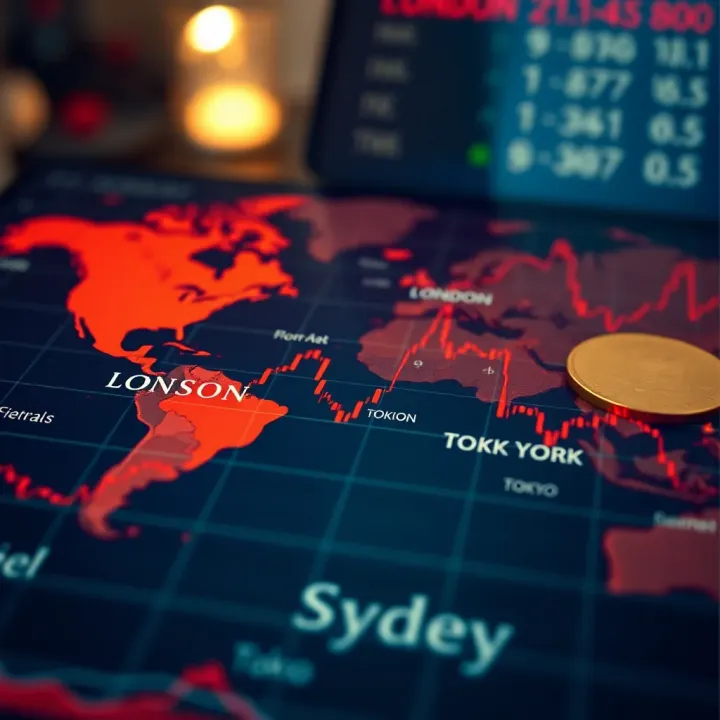
📈 Discover the best Forex trading times in Nigeria! Learn how global sessions and market moves impact your success for smarter trades. 💹🌍
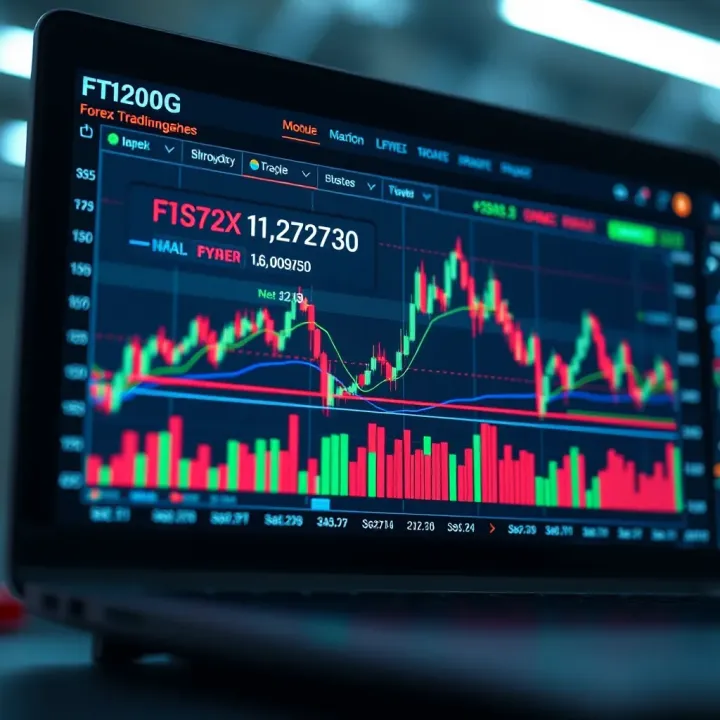
🤖 Learn how to pick the best forex trading robot for your strategy. Explore types, features, risks, and tips to trade smarter in Nigerian markets. 💹
Based on 12 reviews