

Best Time to Trade Forex in Nigeria
📈 Discover the best Forex trading times in Nigeria! Learn how global sessions and market moves impact your success for smarter trades. 💹🌍
Edited By
David Chapman
Trading forex in Nigeria demands more than just luck; it calls for a solid understanding of how the market works, practical strategies, and the right tools. This course breaks down forex trading into digestible parts so you can step into the market with confidence.
Forex, or foreign exchange trading, involves buying and selling currencies to profit from fluctuations in exchange rates. Nigerians usually trade pairs like USD/NGN or EUR/USD, but international major pairs also matter given global market links.
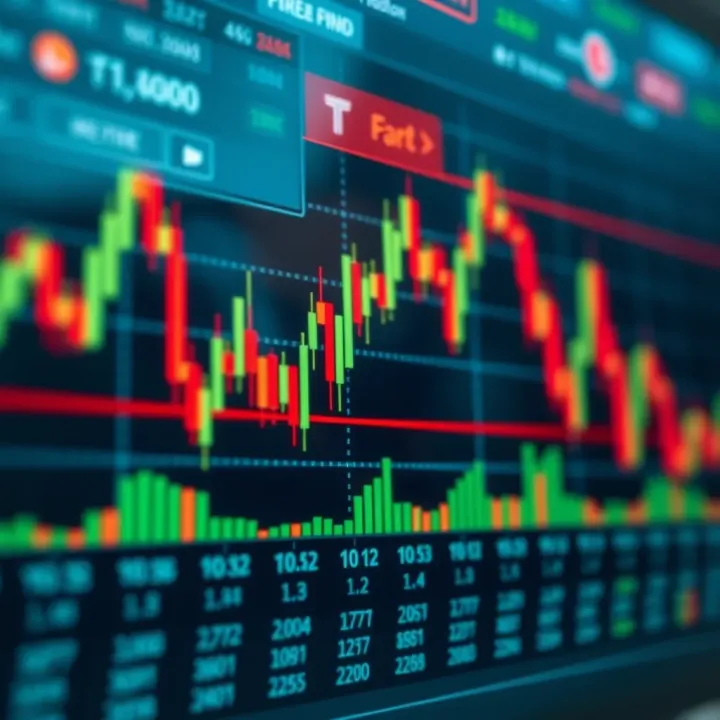
Getting started requires a dependable trading platform. Popular choices for Nigerians include MetaTrader 4 (MT4), MetaTrader 5 (MT5), and locally accessible apps like OANDA and FXTM. These platforms offer real-time charts, quick execution, and demo accounts, enabling you to practise trading without risking your money.
You’ll also need a good internet connection with minimal interruptions, as even a few seconds’ delay could result in missed trades or losses — a common problem when traders rely on unstable networks.
Understanding market indicators and economic factors is key. For instance, when the Central Bank of Nigeria (CBN) adjusts monetary policy, it often affects the naira's value sharply, creating trading opportunities or risks. Being aware of such moves and how to interpret economic reports is part of mastering forex.
Risk management should be your priority. You don’t want to put all your ₦50,000 or ₦100,000 capital into a single trade. Break down your investment into smaller chunks, use stop-loss orders effectively, and never trade with money you can’t afford to lose.
Successful traders know that patience, discipline, and continuous learning are the foundations of sustaining profits in forex.
This course will also guide you on avoiding common pitfalls like falling for unreliable brokers or scams, which have cost many Nigerian traders thousands of naira.
In summary, forex trading in Nigeria requires:
Clear understanding of currency pairs relevant to Nigeria
Use of reliable trading platforms suited to local conditions
Awareness of economic policies and market news
Strong risk management and capital allocation
Continuous learning and vigilance against scams
With this foundation, you’re on your way to mastering forex trading tailored to the Nigerian market.
Understanding forex trading helps Nigerians navigate a market that operates 24/5, offering opportunities beyond traditional investment options. For many Nigerians, forex trading represents a practical way to earn extra income, especially with the naira’s persistent volatility and economic uncertainty. Grasping what forex entails and how it works locally sets a solid foundation before entering this fast-paced market.
Forex trading is the buying and selling of currencies from different countries. Traders try to profit by speculating on whether one currency will strengthen or weaken against another. Unlike buying stocks or real estate, forex trading focuses solely on currency pairs, such as USD/NGN or EUR/USD.
In Nigeria, forex trading could mean exchanging naira for dollars or euros based on global economic moves or local events affecting currency values. This makes it an accessible trading option since currency pairs fluctuate regularly.
Currencies are quoted in pairs because one currency’s value is always compared to another’s. For instance, if you buy the EUR/USD pair, you are buying euros and selling dollars simultaneously. When the euro gains strength against the dollar, the pair’s price rises, and you can profit by selling it back.
In Nigerian terms, trading the USD/NGN pair is common because many importers and exporters watch these rates closely. If you expect the naira to weaken, buying USD/NGN to sell later at a higher rate could yield profits.
The forex market runs non-stop from Sunday night to Friday evening (WAT), opening in Asia, then Europe, and finally the US. This means Nigerian traders can engage in forex at practically any time, adapting trading hours to suit other commitments.
Participants range from central banks (like the Central Bank of Nigeria), commercial banks, multinational corporations, and retail traders like you. Knowing who influences price moves helps you spot patterns and make informed trades.
Forex does not require huge capital to start. Many Nigerian brokers allow deposits as low as ₦10,000. Also, online platforms like MetaTrader 4 and mobile apps allow Nigerians to trade from anywhere with internet access.
Unlike buying land or shares, forex trading offers flexibility and faster entry into the investment world without paperwork or long approvals.
With inflation and naira depreciation often eroding savings, forex trading can act as an alternative source of income. Some Nigerians use profits from forex trading to supplement salaries or fund small businesses.
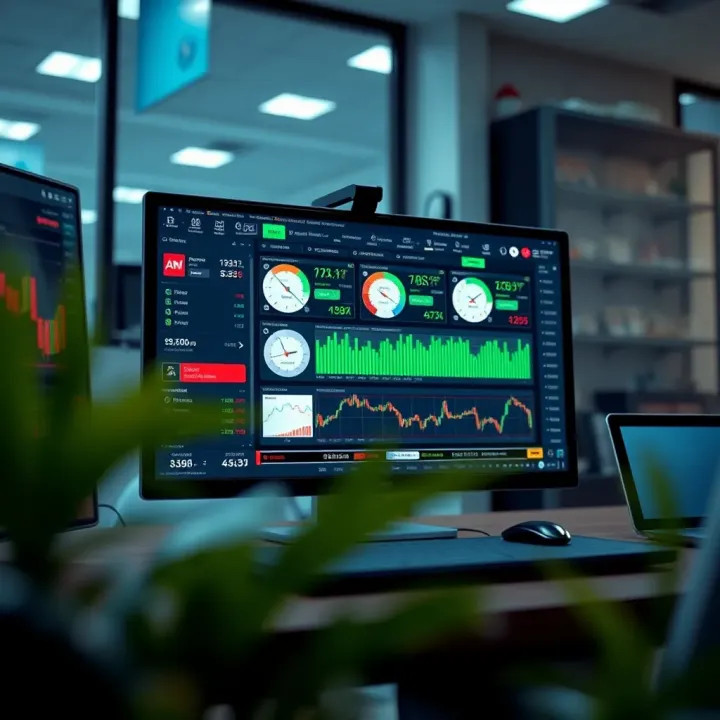
However, this opportunity comes with risk, so understanding market dynamics before investing real money is crucial.
Compared to fixed deposits, treasury bills, or real estate, forex trading provides higher liquidity — you can enter and exit trades quickly. It also offers the chance to earn from both rising and falling markets unlike traditional investments.
That said, forex requires more active management and knowledge. Fixed-income options may suit those preferring less risk, while forex can reward those ready to stay informed and manage risks carefully.
Trading forex in Nigeria is not a path to quick riches but can be a valuable skill and income source when approached realistically and with proper training.
Understanding these basics will prepare you to navigate the forex landscape confidently and make decisions suited to your financial goals and local realities.
Mastering forex trading demands a solid grip on both fundamental and technical analysis. These core concepts anchor your decisions, helping you spot when to buy or sell currencies wisely. Especially for Nigerians facing a volatile naira and shifting economic policies, understanding these principles equips you to navigate uncertainties and capitalise on market moves.
Inflation and interest rates directly influence currency value. High inflation usually weakens a currency because it reduces purchasing power; consequently, forex traders watch inflation reports closely. Take Nigeria, for example: if inflation spikes above the Central Bank’s target, the naira often drops in value against the dollar. Interest rates work hand in hand with inflation. If the Central Bank of Nigeria (CBN) raises rates to curb inflation, that can strengthen the naira by attracting foreign investment seeking better returns.
Political stability matters a lot in forex trading. Events like elections, conflicts, or trade disputes shake investors' confidence and cause currency swings. The 2023 Nigerian general election period saw increased naira volatility because investors worried about policy uncertainty. As a trader, recognising when such events are approaching and predicting their likely market impact lets you avoid losses or even profit from the swings.
The CBN holds significant influence over the naira’s fate. Policies on foreign exchange reserves, intervention in the forex market, and regulatory changes directly affect currency availability and price. For instance, when the CBN tightened forex access to curb naira depreciation in 2022, it caused a squeeze in the market and widened the spread between official and parallel rates. Keeping tabs on official CBN announcements helps you anticipate market sentiment and plan your trades accordingly.
Charts visually track currency price movements over time, enabling traders to spot trends or reversals. Price action—a method focusing on the actual movement of prices rather than indicators—helps decipher market behaviour. For example, a Nigerian trader might watch the USD/NGN hourly chart to catch a breakout above resistance, signalling a potential upward move. Learning to read candlestick patterns or recognising support and resistance zones sharpens timing for entering or exiting trades.
Tools like the Relative Strength Index (RSI), Moving Averages, and MACD give traders signals on market momentum and possible reversal points. RSI, for example, identifies overbought or oversold conditions. If the EUR/USD shows an RSI above 70, it might signal the pair is due for a pullback. Nigerian traders rely on these indicators to confirm instincts and avoid emotional mistakes amid a highly volatile marketplace.
Support and resistance are price levels where currencies tend to stop and reverse temporarily. Support is a price floor; resistance is a ceiling. Recognising these levels aids in predicting where price might stall or bounce. Suppose the GBP/USD has repeatedly failed to rise above 1.3000; this becomes a resistance. Traders can sell near that level or set stop-loss orders just above it to manage risks efficiently. For Nigerian traders, incorporating these levels into strategy means better control and fewer unexpected losses.
Understanding these core concepts from a structured, free forex trading course puts you ahead in the game. They form the backbone of any trading strategy, helping you make informed, confident decisions in Nigeria’s complex forex environment.
Starting well with the right forex trading tools and platforms makes all the difference for Nigerian traders. These tools shape how you analyse the market, execute trades, and manage risks. Without proper platforms or brokers that suit the Nigerian context, it’s like trying to navigate Lagos traffic without a reliable vehicle.
Regulatory oversight is key when picking a forex broker. The Nigerian Securities and Exchange Commission (SEC) regulates capital markets, but not all forex brokers operating here fall under its supervision. Choosing a broker recognised by SEC or other reputable international bodies provides more safety for your funds. For instance, brokers regulated by the Financial Conduct Authority (FCA) in the UK or the Cyprus Securities and Exchange Commission (CySEC) offer added layers of security.
Deciding between local and international brokers depends on your priorities. Local brokers may understand Nigerian traders better, with easier deposit and withdrawal options through local banks or payment platforms like Paystack or Flutterwave. However, international brokers generally offer a wider range of currency pairs and better leverage options. Traders should consider costs, speed of execution, and ease of customer support when making this choice.
Look closely at spreads, leverage, and customer service when evaluating brokers. Tight spreads mean lower transaction costs, which can protect your profits, especially for scalpers or day traders. Be wary of excessive leverage; while tempting for higher returns, it also magnifies losses—overshooting your risk capacity is common among beginners. Good customer service matters greatly. For example, quick response times during market volatility help you manage trades without delay, and local support in Nigerian time zones is a bonus.
MetaTrader 4 and MetaTrader 5 remain widely used platforms due to their reliability and rich features. Both support automated trading, real-time charting, and advanced technical indicators. MT5, being the newer version, includes more timeframes and better analytical tools. For Nigerian traders, these platforms are compatible with many brokers, making them popular choices.
Mobile trading apps have become essential given Nigeria’s mobile-first internet use. Apps like MT4 mobile, Oanda’s app, or brokers’ proprietary software allow you to trade anytime and anywhere—whether you’re commuting in a danfo or taking a break at a mama put. Look for apps with smooth interfaces, fast execution speeds, and local payment integration.
Demo accounts are crucial for practice without risking real money. They simulate live market conditions so beginners can test strategies and understand the platform’s functions. Transitioning to live trading should happen only after comfortable use of demo accounts, preferably with small trade sizes initially. This approach helps mitigate losses and build confidence gradually.
Starting your forex journey with the right broker and platform tailored to Nigerian realities sets a strong foundation. It saves you from common pitfalls like unreliable trade executions, poor payout systems, or unsafe brokers.
By considering regulation, broker type, key trading conditions, and platform usability, you gain practical confidence to build your forex trading career steadily and safely.
In forex trading, having practical strategies combined with sound risk management is what separates consistent traders from those who burn their accounts quickly. Nigerian traders face unique challenges such as naira volatility and economic unpredictability, making it critical to approach trading with well-tested methods and a strict control on losses. Developing strategies tailored to your style, plus managing risk effectively, helps avoid costly mistakes and keeps your trading sustainable.
Scalping and day trading explained
Scalping involves making multiple quick trades to earn small profits from tiny price movements. It suits traders who can monitor the market closely for a few hours daily. For instance, a Nigerian trader might scalp currency pairs like USD/NGN during peak market hours when liquidity is high, aiming for quick wins of a few pips. Day trading, on the other hand, covers positions held within the same day but over longer periods compared to scalping. It allows the trader to catch larger trends or news effects that affect price movements throughout the day, such as Central Bank announcements impacting naira.
Swing trading basics
Swing trading holds positions for several days to weeks, aiming to capture intermediate price swings. This method suits Nigerians who cannot monitor screens constantly but still want to participate in market swings driven by economic data or global events. For example, buying EUR/USD after a major European economic report that hints at interest rate changes can be a swing trade. It demands patience and clear entry and exit rules to ride these price movements profitably.
Use of stop-loss and take-profit orders
Stop-loss orders limit potential losses by closing a position automatically when the price hits a certain point. For instance, if you buy USD/NGN at ₦415 and set a stop-loss at ₦410, your loss is capped at ₦5 per dollar if the market turns against you. Take-profit orders lock in gains when a favourable price target is met, preventing greed from erasing wins. Using these orders together is essential for disciplined trading, especially in volatile markets like Nigeria's, as they help control risk and protect your capital.
Setting realistic profit goals
Setting achievable profit targets matters to avoid chasing unrealistic gains that often lead to poor decisions. Given Nigeria’s market environment with currency fluctuations and occasional liquidity crunches, aiming for steady profits of 2–5% monthly is more practical than shooting for double-digit returns every week. Realistic goals help maintain discipline and ensure long-term growth rather than short bursts of luck.
Avoiding over-leverage
While leverage can boost your capital in forex, over-leverage leads to devastating losses fast. Nigerian traders must be especially cautious because the naira’s instability can amplify risks. Most brokers offer leverage between 1:50 and 1:500, but using the highest available is reckless. Instead, using conservative leverage like 1:20 or less allows you to trade with a cushion in your account, giving room to absorb market swings without wiping out investments.
Accounting for naira volatility and economic risks
Naira volatility, influenced by economic policies, fuel scarcity, and political events, adds another layer of risk in forex trading. It’s vital to watch local macroeconomic indicators and CBN policies closely. For example, sudden naira devaluation can quickly alter your open positions' profitability. Keeping a close eye on Nigerian economic news and practising cautious position sizing helps mitigate these country-specific risks.
Practical strategies and thorough risk management aren’t optional—they are necessary tools to succeed as a forex trader in Nigeria. Without them, you are just gambling with your money.
With these approaches, Nigerian traders can trade smartly, preserving capital while chasing reasonable profits. Understanding and applying these principles form the backbone of your trading journey.
Learning forex trading is not a one-time event. The market keeps shifting due to economic changes, political developments, and technological advancements. For Nigerian traders, continuing education and staying current are essential to adapt and maintain an edge. Informed traders can spot emerging opportunities, avoid major pitfalls, and adjust strategies to Nigeria's volatile naira and local economic conditions.
Nigerian traders have access to various valuable free resources online. Websites like Babypips provide clear, step-by-step forex tutorials suitable for beginners and more experienced traders alike. YouTube channels run by financial experts and local forex educators serve as practical guides, breaking down complex topics into digestible videos tailored for Nigerian viewers. Local forums such as Nairaland’s forex section offer peer-to-peer support and discussions about brokers, market behaviour, and strategies relevant to Nigerian realities.
Joining these platforms regularly helps traders sharpen their skills without spending on costly courses. Plus, they present fresh insights on trading psychology, new tools, or evolving regulations affecting forex trading in Nigeria.
Online communities specifically for Nigerian forex traders are thriving spaces for networking and learning. Telegram and WhatsApp groups allow traders to exchange ideas, share market analyses, or signal potential trades. These groups often provide real-time feedback, making them useful for understanding live market reactions influenced by domestic factors like CBN policies or fuel price changes.
Being part of such communities also boosts morale, reducing the isolation new traders face. You get to hear success stories, lessons from losses, and tips on navigating challenges unique to the Nigerian market.
Central Bank of Nigeria (CBN) announcements significantly impact forex trading. Decisions about interest rates, foreign exchange interventions, and monetary policy directly influence naira value and volatility. Traders who monitor CBN press releases and minutes can anticipate movements in currency pairs, adjusting their positions accordingly to avoid unexpected losses.
Global economic updates matter too. News on US Federal Reserve rate changes, Brexit developments, or emerging market shifts affect forex pairs that involve the dollar, euro, or pounds, which Nigerian traders commonly trade. Keeping tabs on these events through reputable sources ensures you don’t miss signals that can move markets on a large scale.
Using news to guide trading comes with prudence. Not every headline demands action; the key is to distinguish between noise and impactful information. Experienced traders combine news with technical analysis, ensuring trades align with both market sentiment and price patterns. For Nigerian traders, blending global updates with local factors like election cycles or fuel scarcity provides a clearer picture to base trading decisions on.
Staying educated and informed keeps you ahead in forex trading. For Nigerian traders, it is not just about knowing foreign markets but understanding how local elements interact with global trends to shape opportunities and risks.
📈 Discover the best Forex trading times in Nigeria! Learn how global sessions and market moves impact your success for smarter trades. 💹🌍
📊 Find the best forex trading platform in Nigeria! Learn about security, fees, tools, and user experience to trade smart and avoid common risks.
Discover effective forex trading strategies 🇳🇬 tailored for Nigerian traders, focusing on risk management, analysis methods, and disciplined trading tips 📈💡.
Discover top forex trading tips, strategies, and platforms tailored for Nigerian traders 🇳🇬. Manage risks and trade smarter in today’s market 📈💡.
Based on 9 reviews