

Best Forex Trading Books for Nigerian Traders
📚 Find the best forex trading books tailored for Nigerian traders! Learn key concepts, tips, and practical advice to boost your trading skills in Nigeria's market.
Edited By
Oliver Hughes
Forex trading offers attractive opportunities for Nigerian traders, but it also comes with significant risks. Without proper management, losses can pile up quickly, especially given the volatility of the forex market and the naira's fluctuating exchange rate.
Understanding forex risks and managing them effectively is the foundation of safeguarding your capital. It's not just about making profits but also about protecting what you have against sudden market swings or unexpected events.
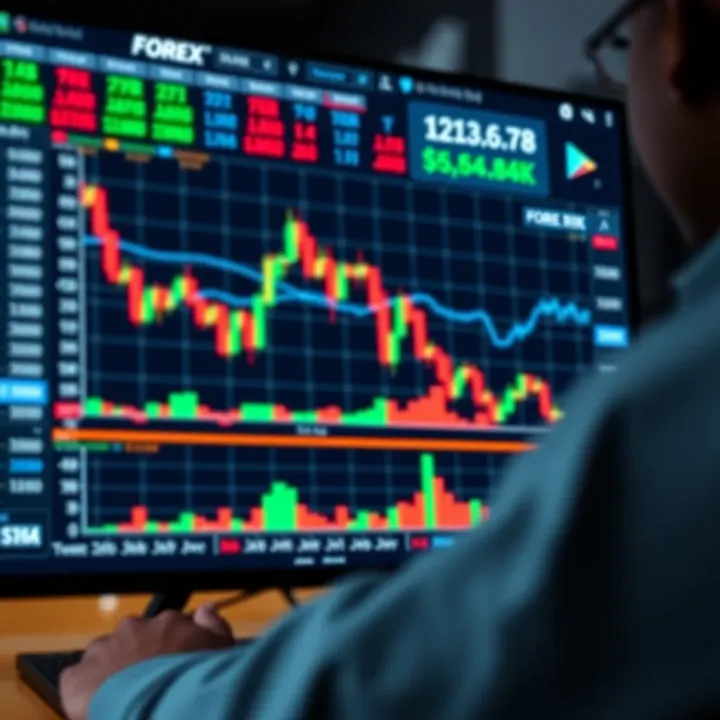
The main risks Nigerian traders face include:
Market risk: Currency prices can change fast due to economic data releases, geopolitical tensions, or Central Bank of Nigeria (CBN) policies.
Leverage risk: Using borrowed funds amplifies gains and losses. Many traders get burnt by over-leveraging.
Liquidity risk: Some currency pairs can be less liquid at certain hours, causing slippages or difficulty closing positions.
Operational risk: Technical problems, unreliable internet, or broker failures can interrupt trades, especially in Nigeria’s often unstable infrastructure.
Effective risk management isn’t about avoiding risk altogether but about controlling exposure so you can recover from losses without wiping out your investment.
Here are key basics for managing forex risk:
Set stop-loss orders to limit potential losses on each trade.
Use reasonable leverage based on your account size and risk tolerance.
Diversify trades across several currency pairs,
Monitor economic calendars for Nigerian and global events that affect currency movements.
Keep trading sizes small relative to your capital to avoid big blows.
By treating risk management seriously, you position yourself to survive the rough days and stay in the game long enough to see profits. This guide will break down these strategies further and show you practical tools and habits to build lasting discipline.
Trading forex in Nigeria requires a mix of skill, patience, and clear risk controls — no different from running a business or investing sharply in any market. You just need to know where to watch and when to act. This article starts you off on that path.
Managing forex risks starts with understanding the kinds of risks involved. Without this, Nigerian traders may find themselves caught off guard when the market shifts suddenly or when local factors impact currency prices. Understanding risks helps you prepare better, avoid heavy losses, and operate with confidence.
Market risk refers to how currency prices move unpredictably. For instance, if the naira suddenly devalues against the dollar due to global or domestic events, traders holding naira assets may lose value fast. In Nigeria, this risk is often heightened by external shocks like oil price crashes or political tensions, which cause higher volatility. Being aware of market risk means you keep an eye on price trends and don’t hold positions too long without safeguards.
Leverage allows traders to open positions much larger than their actual funds. While this can increase profits, it also multiplies losses. Many Nigerian traders fall into the trap of using excessive leverage, thinking it’s a shortcut to quick gains. The danger is that a small adverse move can wipe out your capital and more. Proper leverage control means only risking a small percentage of your account and understanding the worst-case scenarios.
Liquidity risk happens when it becomes hard to buy or sell a currency without causing price changes or delays. For example, during market closures or unexpected events, liquidity dries up and trade executions can be delayed or filled at unfavourable prices. In Nigeria, liquidity issues can also arise during embargoes on foreign exchange or tight CBN forex controls, making it tough to enter or exit positions quickly.
Interest rate changes by central banks influence forex values directly. If the Central Bank of Nigeria raises rates, naira might strengthen as creditors seek higher returns. Conversely, foreign central bank rate hikes, such as by the US Federal Reserve, can pull investment out of emerging markets like Nigeria, weakening the naira. Monitoring these shifts helps traders anticipate currency movements driven by interest rate decisions.
This risk concerns whether your broker or trading platform honours trades and withdrawals. In Nigeria, where regulation is evolving, several unregulated brokers operate, raising the chance of scams or platform failures. You should trade only with registered, trustworthy brokers who have good track records to avoid losing funds due to counterparty defaults.
The naira is notoriously volatile due to fluctuating demand and supply and CBN’s often unpredictable exchange rate policies. Sudden policy shifts, such as changes in official rates or forex access guidelines, can impact open positions quickly. Traders must track these moves closely since naira behaviours here differ from stable currencies, demanding quicker responses and more cautious strategies.
CBN regulations on forex trading and capital inflows/outflows shape market conditions heavily. Measures like forex window restrictions or transaction reporting requirements affect liquidity and trading freedom. Traders who neglect these rules may face blocked transactions or penalties. Staying updated on CBN announcements minimizes surprises and helps comply with current policies.
Fuel subsidy removals and erratic power supply hit business costs and economic activities, triggering inflation and impacting forex rates. For example, when subsidy adjustments cause transport and manufacturing costs to rise, exporters may demand more dollars to cover expenses, affecting forex availability. Understanding these economic ripple effects lets traders predict when local market stress might push currency swings.
Forex trading in Nigeria requires not just market knowledge but also a firm grasp of how local factors reshape risks. Knowing these risks ensures you don’t just survive but thrive in Nigeria’s complex forex scene.
Effective risk management is the backbone of successful forex trading, especially for Nigerian traders navigating a market known for its unique challenges like naira volatility and regulatory shifts. If you don't manage risk well, even a promising trade can lead to heavy losses. This section outlines core strategies that help preserve capital, control losses, and improve overall trading outcomes.
Defining stop-loss to limit potential losses means setting a predetermined price level where you close a losing trade automatically. This tool prevents small setbacks from ballooning into major losses. For instance, if you buy USD/NGN at ₦460 and set a stop-loss at ₦455, the trade will close if the price dips to ₦455, capping your loss at ₦5 per dollar. This strict control is essential given how quickly naira can fluctuate.
Using take-profit to secure gains works the opposite way. You decide on a profit target ahead of time to lock in earnings before market turns. So if your target for USD/NGN is ₦470, you set the take-profit order at that level. Once the price hits it, the trade automatically closes and you cash out the gain, avoiding the temptation to hold too long and risk reversal.
Balancing risk-return with stop-loss placement requires careful thought. Placing stop-loss too tight may cause premature exits, while setting it too wide exposes you to heavy losses. A common approach is to risk 1-2% of your trading capital on any single trade and place stop-loss accordingly. For example, if your account has ₦100,000, set stop-loss to limit loss to ₦1,000 or ₦2,000. This trade-off lets you stay in action longer while controlling damage.
Calculating appropriate trade size relative to capital means adjusting how many units of currency you buy or sell based on your account size. Overtrading with large positions can wipe you out fast. Suppose you have ₦500,000; risking 2% means you shouldn’t risk more than ₦10,000 per trade. Position sizing tools or manual calculations help set correct volumes.
Avoiding excessive leverage common in forex is vital. While brokers may offer leverage up to 100:1, this often leads to amplified losses. Nigerian traders must resist the temptation to use maximum leverage. Using lower leverage, like 10:1 or less, will help contain risks in an unpredictable market influenced by economic policies and external shocks.
Adjusting risk exposure based on market conditions involves reducing your trade size or tightening stop-loss during volatile periods—like during CBN intervention announcements or fuel scarcity crises. When markets are calm, you might increase exposure slightly to make more gains. Flexibility in risk approach reflects the dynamic Nigerian forex environment.
Trading multiple currency pairs to spread risk means not putting all your eggs in one basket. Rather than focusing solely on USD/NGN, exploring pairs like EUR/USD, GBP/USD, or emerging market currencies can reduce dependence on a single market. If naira fluctuations hurt the USD/NGN trade, gains in another pair might offset losses.
Including major and emerging market currencies enhances diversification. You could combine trades in a stable pair like EUR/USD with more volatile currencies like ZAR/USD (South African rand) or NGN/USD where applicable. This balance broadens opportunity but you must understand each market's characteristics.
Avoiding concentration in volatile pairs is a practical caution. Certain currency pairs might have extreme swings during ember months or political events, such as USD/NGN near election times. Overexposure to such pairs can drain your capital quickly. Spread your investment to maintain steady performance.
Proper risk management strategies like stop-loss, sensible leverage, and portfolio diversification empower Nigerian traders to protect their investments from sudden shocks and long-term downturns.
These core strategies, when applied with discipline, allow you to trade forex confidently, minimising unexpected shocks and building consistency over time.
The right tools can make all the difference for Nigerian forex traders. Practical techniques, paired with suitable trading platforms, help manage risk in volatile markets like Nigeria's. These tools not only assist in timely decision-making but also build confidence through tested strategies and informed reactions to local economic conditions.
Setting alerts for price movements is crucial for active traders dealing with the naira's wild swings. Alerts notify you when currency pairs hit certain price levels, so you're not glued to your screen all day. For instance, if the USD/NGN rate approaches a resistance level, your alert prompts you to close or adjust your trade, helping prevent bigger losses.
In turn, this saves time and lets you manage multiple trades or even combine forex with other investments without feeling overwhelmed. Many platforms popular in Nigeria—such as MT4, MT5, or Oanda—include customisable alert features that suit different risk appetites.
Applying technical indicators for market signals is another practical way to spot trends and potential reversals. Indicators like the Relative Strength Index (RSI), Moving Averages, or MACD are widely used to understand market momentum. For example, if the RSI shows the naira is oversold against the dollar, it might hint at a price correction upwards.
Using these signals correctly can prevent rash decisions based on guesswork or incomplete data. Nigerian traders should combine these indicators with their awareness of local events—like CBN policy shifts—to make better-informed choices.
Utilising demo accounts to test strategies is a low-risk way to experiment. Unlike real money trades, demo accounts simulate live market conditions without financial exposure. This allows Nigerian traders to try new techniques, understand how leverage affects their capital, and acclimatise to platform interfaces.
Given the unpredictable naira exchange rate and regulatory dynamics, practising on demo accounts helps avoid costly beginner mistakes. Many brokers serving Nigerian markets offer demo versions, so it’s wise to use these before risking your capital.
Watching CBN announcements and policies is essential because the Central Bank of Nigeria heavily influences currency value through interventions like market interventions, interest rate decisions, or foreign reserve utilisation. For example, a sudden hike in monetary policy rates usually strengthens the naira, influencing forex pair trends.
Traders who track these announcements can anticipate market reactions rather than respond with delay. Keeping an eye on frequent CBN communiqués, including special market interventions and forex restrictions, helps stay ahead of price swings.
Tracking Nigerian inflation and GDP data also matters since economic performance directly affects forex valuations. Rising inflation, common during ember months, usually weakens the naira, making forex trading more volatile.
Knowing when inflation releases or GDP growth figures come out allows traders to plan trades around potentially turbulent times. For instance, high inflation may prompt traders to tighten stop-loss limits or scale down positions temporarily.
Following global economic events affecting forex cannot be overlooked. Nigerian traders often focus on USD/NGN, but movements in the US dollar, Euro, or oil prices impact local currencies indirectly. For example, an unexpected decision by the US Federal Reserve on interest rates can cause the naira to dip suddenly.
Keeping track of such events through financial news, central bank statements, or commodity markets ensures traders understand external factors altering currency pairs. Staying informed drives smarter entry and exit decisions despite international market unpredictability.
Practical tools alone won't guarantee profits, but when combined with sharp monitoring of economic indicators and disciplined execution, they significantly reduce risks for Nigerian forex traders.
By blending these tools and indicators to suit your trading style and local market realities, you build a strong foundation to weather Nigeria’s forex volatility.
For Nigerian traders, building discipline and emotional control is fundamental to managing forex risks successfully. Trading the forex market isn’t just about charts and numbers; it is equally about controlling your mind. Emotions like impatience, fear, and greed often lead to rash decisions that can wipe out hard-earned capital. Maintaining a steady mindset allows traders to follow their strategies, avoid panic selling, and handle losses like seasoned players.
Clear entry and exit rules form the backbone of a strong trading plan. They keep your decision-making process objective and guard against emotional biases. For example, you might decide to enter a trade only when the USD/NGN crosses a certain moving average and exit when it hits your stop-loss or take-profit points. This clarity removes guesswork and helps prevent chasing losses or holding on to losing positions out of hope.
Keeping a trading journal—not just for winners but also for losses—helps highlight patterns in your behaviour or strategy flaws. When you consistently review what went wrong or right, you sharpen your understanding of market dynamics and your personal reactions under stress. A trader might notice they tend to overtrade after a win, risking more than usual. Spotting and correcting such habits strengthens future performance.
Markets often throw confusing signals, especially during volatile events like CBN policy announcements or naira fluctuations. Trading without sticking to your plan is like chasing danfo in Lagos traffic—unplanned and risky. Holding firm to your rules, even when tempted by sudden price swings or peer chatter, helps avoid impulsive trades and protects your capital in the long term.
Fear and greed are the two strongest emotions in forex trading. Fear might cause you to exit trades too early or avoid promising opportunities. Greed can push you to over-leverage or hold positions beyond sensible limits. Recognising these feelings and accepting them as part of the trading journey allows you to pause and make more rational calls rather than emotional ones.
Impulsiveness comes from poor impulse control and a lack of discipline. A common mistake is jumping onto high-risk currency pairs or increasing positions after a few consecutive wins without proper analysis. Using your trading plan as a rulebook limits such impulsive behaviour, which might otherwise lead you down a spiral of losses.
Forex markets, especially in Nigeria, can be unpredictable with sudden price moves linked to economic reports or fuel subsidy news. Patience is essential: not every dip requires a quick reaction nor does every rise guarantee profits. Waiting for the right setups according to your strategy, rather than acting on emotions or speculation, increases your chances of achieving steady, reasonable returns.
Discipline and emotional control in forex trading are not just skills but lifelines that sustain traders through the market’s unpredictable waves. Without these, even the best strategy can falter.
By developing these psychological strengths alongside technical skills, Nigerian traders can better navigate the forex market’s challenges and protect their investments from unnecessary risks.
📚 Find the best forex trading books tailored for Nigerian traders! Learn key concepts, tips, and practical advice to boost your trading skills in Nigeria's market.

📚 Discover top forex trading books offering practical strategies, market insights, and risk management tips to help Nigerian traders boost skills and confidence.
Explore forex trading benefits for Nigerian investors 🇳🇬 including easy access, high liquidity, leverage options, and portfolio diversification opportunities 📈💰

🔍 Discover how binary options forums can guide Nigerian traders with risks, tips, and honest insights. Stay informed and trade smart in online communities!
Based on 12 reviews