
How to Make Money in Forex Trading in Nigeria
Discover how Nigerians can earn ₦ through forex trading 📈. Learn market basics, smart strategies, risk management, and tools to trade safely amid local challenges.
Edited By
Charlotte Mills
Forex trading offers an accessible way for Nigerians to earn income through the buying and selling of currencies. Unlike long-term investments in stocks or real estate, forex operates 24 hours a day, allowing traders to capitalise on subtle market moves anytime they want. However, making money in forex requires more than luck—it demands understanding, discipline, and a good strategy.
The Nigerian market presents unique opportunities and challenges. Factors like naira volatility, government policies, and irregular power supply affect trading costs and risks. Knowing the local context helps you manage these factors efficiently.
To start trading forex in Nigeria, you first need to choose a reputable broker registered with the Securities and Exchange Commission (SEC) or the Nigerian Forex Dealers Association (NAFDA). This ensures your funds remain safe and trades execute as expected.
Next, you must grasp key concepts such as currency pairs, leverage, pips, and lot sizes. For example, the USD/NGN pair reflects how many naira one US dollar buys. Since the naira often faces sharp swings, it’s important to monitor economic news and CBN policy updates regularly to anticipate market moves.
Discipline is key in forex trading: set clear entry and exit points, and stick to your plan even when the market tests your patience.
Risk management cannot be overstated. Many newcomers blow their accounts by risking too much on single trades. Expert traders typically never risk more than 1–2% of their capital per position. Using stop-loss orders helps limit potential losses.
For practical steps:
Open a demo account to practise trading without risking real money.
Study charts and learn simple strategies like support and resistance levels.
Start small with real money, using the demo experience to guide you.
Forex trading is not a get-rich-quick scheme. It takes time to build skill and confidence. But with methodical learning and patience, Nigerians can tap into forex as a source of real income amid the challenges of the local financial environment.
Forex trading involves buying and selling currencies on the foreign exchange market. It operates 24 hours a day, five days a week, making it accessible to anyone with an internet connection and the willingness to learn. In Nigeria, it has become increasingly popular as a way to generate additional income, especially with developments in fintech and mobile trading platforms.
Forex trading is the exchange of one currency for another, usually in pairs like USD/NGN or EUR/USD. Traders aim to profit from fluctuations in exchange rates by buying low and selling high, or short-selling where appropriate. Unlike the stock market, forex offers high liquidity and operates globally, allowing traders from Lagos to Kano to participate from their smartphones or laptops. For instance, a trader might buy the US dollar when they expect the naira to weaken and sell it later at a higher price.
Many Nigerians are attracted to forex trading because it requires relatively low startup capital compared to traditional businesses. You can start with as little as ₦20,000 to ₦50,000, which is more affordable than opening a small physical store or acquiring significant assets. Plus, with the naira’s volatility and constant shifts in global forex rates, there are many opportunities to earn profits if you understand market trends.
Furthermore, regulatory bodies have taken steps to ensure safer trading environments, and brokers supporting Nigerian traders usually provide local payment methods like bank transfers and USSD payments. The flexibility of working from home also appeals to young Nigerians, especially during challenging economic times or the ember months when expenses increase.
To trade effectively, you must understand certain key terms:
Currency Pair: The two currencies being traded (e.g., USD/NGN).
Pip: The smallest price movement in forex, often 0.0001 for most pairs.
Leverage: Borrowed capital that allows traders to open larger positions with less money, but with increased risk.
Spread: The difference between the buying (ask) and selling (bid) prices.
Lot: The size of the trade. A standard lot equals 100,000 units of the base currency. Beginners usually start with mini or micro lots.
Mastering these terms builds the foundation for making informed trading decisions and avoiding costly mistakes.
Understanding forex trading's appeal and basic concepts will help you navigate the market more confidently. This groundwork sets the stage for exploring practical steps in setting up accounts, choosing brokers, and developing strategies tailored to Nigerian traders.
Taking your first step into forex trading can feel like stepping into a busy Lagos market for the first time: the noise, the crowd, it can overwhelm. But getting started the right way clears the path for real success, so understanding where and how to begin matters plenty. This section breaks down the critical first moves you need for trading forex confidently in Nigeria. It zooms in on selecting a trustworthy broker, setting up your trading account with practical payment options, and getting familiar with popular trading platforms many Nigerian traders depend on.
Your choice of broker is the foundation of your forex journey. Opt for brokers regulated by respected authorities rather than shady operations. Examples like FXTM, HotForex, and Pepperstone offer services tailored for Nigerians, including support for local deposits. A broker with Nigerian customer service, quick withdrawal options through local banks, or Nigerian e-wallets like OPay or Paystack makes life easier.
Avoid brokers that don’t provide clear information on fees, withdrawal limits, or who ignore Nigerian regulatory guidelines. It's also worth checking if they allow trading with naira directly or at least have straightforward currency conversion methods.
Once you’ve picked a broker, setting up an account usually involves submitting identification like your National Identification Number (NIN) or a valid passport, plus proving your address. Nigerian banks now widely accept international transfers, but to stay on the safe side, pick brokers supporting local payment methods such as bank transfers to GTBank or Access Bank accounts, USSD codes, or even mobile money solutions.
Funding your account in naira helps avoid unnecessary conversion charges. For instance, traders often fund with ₦50,000 or more to start trading with reasonable exposure while managing risks.
Most Nigerian traders prefer MetaTrader 4 (MT4) or MetaTrader 5 (MT5) because they’re user-friendly and reliable. These platforms support mobile trading, which is crucial for Nigerians constantly on the move or dealing with power outages. Another option gaining popularity is the proprietary platforms some brokers provide, offering extra features like one-click trades or direct social trading.
Familiarise yourself with core functions such as opening and closing trades, placing stop-loss orders, and using technical indicators. Demo accounts are handy tools for this, allowing you to practise without risking real money.
Starting right means fewer headaches later. Pick the right broker, set up funding securely, and learn your platforms well to trade confidently and protect your money.
Getting off on the right foot by focusing on these specifics should make your early months of forex trading in Nigeria more productive and less stressful.
Starting forex trading without understanding basic strategies and tools is like trying to drive a danfo without knowing the route. These basics help you make informed decisions and manage your trades with confidence, cutting down unnecessary risks. It’s not magic but skill, built step-by-step with the right knowledge and practice.
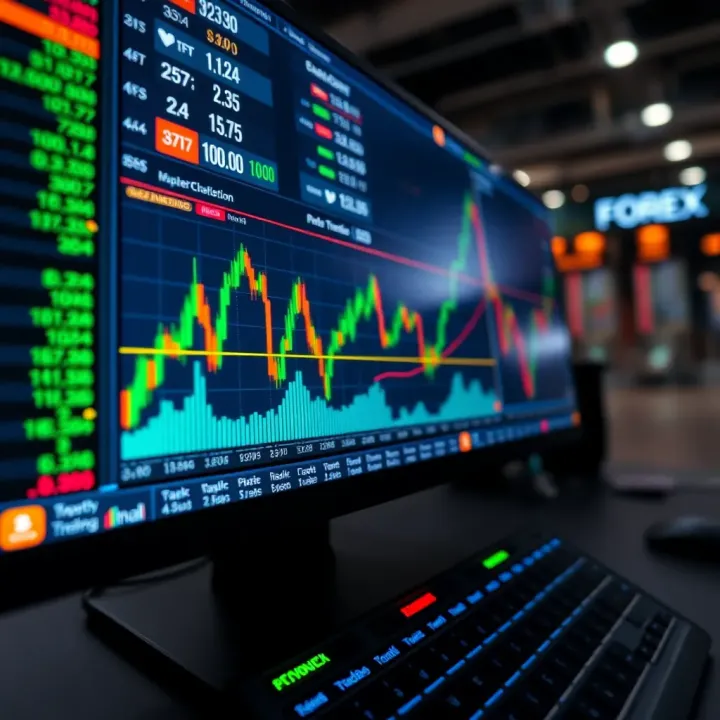
Forex charts tell the story of currency movements over time, using price plots that you can interpret to predict trends. Common charts used include line charts, bar charts, and candlestick charts — the last being popular among traders for its detailed view. Each candlestick shows an opening price, closing price, high, and low within a time frame. For example, if the candlestick is green (bullish), it suggests buyers are dominating; if red (bearish), sellers are in control.
Technical indicators like Moving Averages (MA), Relative Strength Index (RSI), and Bollinger Bands are tools applied to these charts to help spot trends and possible reversals. MA smooths out price data to identify direction, RSI measures overbought or oversold conditions, and Bollinger Bands highlight volatility by showing when prices move outside typical ranges. Beginners should practise reading these on demo accounts before risking real ₦.
While charts show price action, fundamental analysis focuses on economic factors that influence currency values. For Nigerian traders, key economic indicators include inflation rates, Central Bank of Nigeria (CBN) monetary policies, crude oil price changes, and political stability. For instance, if CBN increases interest rates, the naira might strengthen as investors seek better returns.
Global events also matter — US Federal Reserve decisions or geopolitical tensions affect currency pairs like USD/NGN or EUR/USD. Staying updated on news and understanding how it impacts the market helps you anticipate movements rather than react blindly.
Beginners can start with straightforward strategies that rely on clear rules rather than guesswork. One popular approach is the "Moving Average Crossover": buy when the short-term MA crosses above the long-term MA, and sell when it crosses below. This method follows trend direction, preventing you from trading against the market.
Another is the “Support and Resistance” strategy, which involves buying near support levels (price floors) and selling near resistance levels (price ceilings). You can spot these levels by analysing past price action on charts.
Finally, keep your trades small and use stop-loss orders to protect your ₦ investment from sharp downturns. Practising these strategies on demo platforms before stepping into live trading is vital.
Mastering chart reading, fundamental factors, and basic strategies forms the backbone of profitable forex trading. Without these tools, trading is little more than gambling.
Balancing both technical and fundamental analyses while applying simple strategies gives you a foundation to grow your forex skills steadily. It’s this combination that separates consistent traders from those who lose their capital too quickly.
In forex trading, managing risks isn't just about avoiding losses; it's about making sure your money lasts long enough to spot opportunities and react wisely. For beginners in Nigeria, where market volatility can combine with naira fluctuations and local economic shifts, safeguarding your capital should be your top priority.
Leverage allows traders to control a bigger position than their actual investment by borrowing funds from the broker. While it can multiply gains, it also magnifies losses, sometimes wiping out your account quickly. For instance, if you use 1:100 leverage with ₦10,000, you control ₦1,000,000 worth of currency. A small adverse price movement can lead to significant losses beyond your original stake.
Many Nigerian beginners get tempted to use high leverage hoping to maximise returns fast, but this is risky without strong risk management skills. It's wise to start with low leverage ratios, say 1:10 or 1:20, to limit exposure. Always remember, using leverage is like riding an okada on Lagos’ busy roads—you must be cautious to avoid crashes.
Stop-loss orders are essential tools that automatically close your position once the price hits a set level, preventing further losses. For example, if you buy USD/NGN at ₦410 and set a stop-loss at ₦405, your account will automatically sell if the price falls to ₦405, preventing deeper losses.
Using stop-loss orders avoids emotional decisions — many traders lose more trying to recover from losing trades. Nigerian brokers typically offer easy ways to set stop-loss directly on trading platforms like MetaTrader 4 or 5. It’s a simple yet effective way to protect your capital during volatile sessions, especially when unexpected economic news or CBN policy announcements hit the market.
Several mistakes make beginners burn their trading capital faster. Among them are chasing losses, overtrading, and risking too much on one trade. For example, if you lose ₦5,000, chasing to recover immediately with larger trades often leads to bigger losses.
Also, neglecting proper analysis or trading based on rumours from social media can cause costly errors. Nigerian traders should stay updated with credible sources, like the Central Bank of Nigeria announcements or trusted forex educators.
Maintain discipline by sticking to your trading plan and never risking more than 1-2% of your capital on any single trade. This approach helps absorb losses and keeps you in the game longer.
Protecting your trading capital means preserving your ability to trade. Without strict risk management, even the best strategies won't last long in Nigeria's forex market.
Taking risk management seriously builds a solid foundation and steady growth, critical for any trader wanting to make money sustainably in forex trading.
Consistency is one of the main ingredients for long-term success in forex trading. Without it, even the best strategy can fail. For Nigerian traders, developing steady habits and sharpening skills over time is the key to turning forex into a reliable income source. This involves disciplined analysis, reviewing past trades, continuous learning, and practising without risking real money initially.
Keeping a trading journal helps you monitor your decisions and learn from outcomes. Note down every trade you make, including your entry and exit points, reasons for taking the trade, emotions, and results. For example, if you took a trade on USD/NGN due to an expected central bank announcement, record it clearly. After a few weeks, review the journal to spot patterns—such as overtrading during ember months or poor reaction to news events. This reflection often reveals unspoken habits that cause losses or missed opportunities. Regular journal updates create accountability and sharpen your decision-making.
Engaging with knowledgeable Nigerian forex educators and communities gives you local insight beyond textbooks. Platforms such as Fridays with FX by reputable experts or forex groups on Telegram and WhatsApp offer current market analysis reflecting Nigeria’s unique economic circumstances. They also provide peer support which is useful for motivation, sharing practical tips, and avoiding scams—something many beginners face. Always verify the credentials of any educator and remain sceptical of promises of quick money. Instead, aim for those who stress risk management and realistic expectations.
Practising on demo accounts lets you learn without risking your naira. Nigerian brokers like FXTM and HotForex offer demo accounts where you can test strategies, try different currencies, and get familiar with trading platforms. For instance, before investing ₦50,000, try replicating your trades in the demo environment for one month. This hands-on experience reduces costly mistakes when you move to live trading. Treat your demo time seriously—use it to build your confidence and refine your plans.
True forex trading success in Nigeria grows from steady practice, continuous learning, and honest self-assessment. Without these, the temptation to chase quick wins can lead to losses.
By applying these tips, traders can build a strong foundation, improve steadily, and make forex trading more than a guessing game or hobby. Consistency and skill development turn your trades into informed moves, helping you grow your capital safely over time.
Discover how Nigerians can earn ₦ through forex trading 📈. Learn market basics, smart strategies, risk management, and tools to trade safely amid local challenges.
Learn how to start forex trading in Nigeria 🇳🇬 with steps on choosing brokers, analysis, risk, and local tips to trade safely and boost your ₦ earnings.

📈 New to forex trading in Nigeria? Learn key concepts, steps, risks, and local tips to trade confidently on platforms like MTN, Qua Iboe, & more today!
Learn how to pick the best forex trading platform in Nigeria 🇳🇬 for beginners! Compare top platforms, usability, costs, and security tips to trade confidently. 📈💰
Based on 11 reviews