
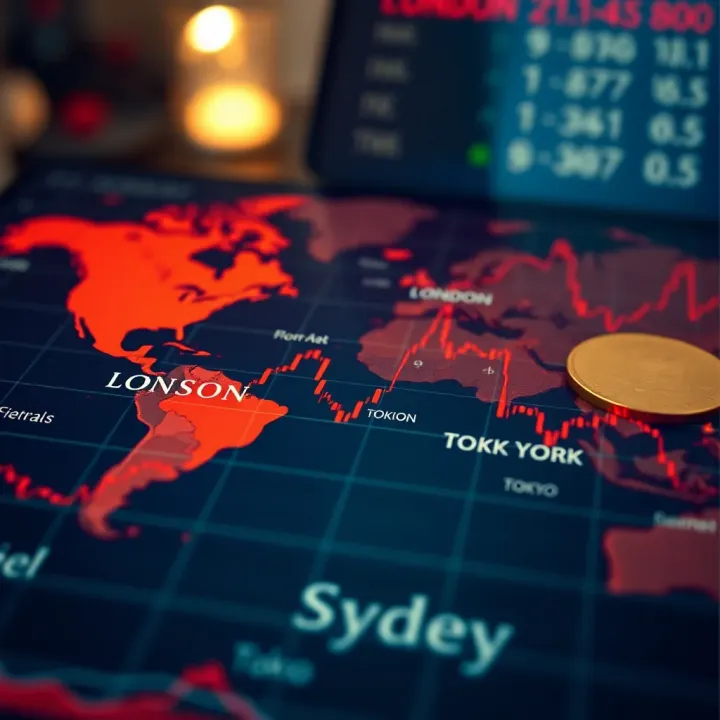
Best Time to Trade Forex in Nigeria
📈 Discover the best Forex trading times in Nigeria! Learn how global sessions and market moves impact your success for smarter trades. 💹🌍
Edited By
Oliver Maitland
Forex trading has become a popular way for Nigerians to grow their wealth beyond traditional avenues like fixed deposits or real estate. Understanding how the foreign exchange market works is the first step towards making informed decisions and avoiding common pitfalls.
The forex market is a global, 24-hour platform where currencies are exchanged. Unlike the Lagos Stock Exchange, forex operates across different centres worldwide, meaning it never really sleeps. Trading the US dollar against the Nigerian naira (USD/NGN) or the euro against the naira (EUR/NGN) offers direct access to international currency movements and Nigeria’s economic links.
Getting started in forex trading in Nigeria requires a few practical steps:
Choose a reliable forex broker: Look for brokers regulated either internationally or by Nigerian authorities. Pay attention to factors like trading platforms, minimum deposit requirements, spreads, and customer support.
Open a trading account and fund it: With options like bank transfer or fintech wallets, depositing funds in naira has become easier. Verify that your broker supports convenient local payment methods.
Learn the basics: Understanding currency pairs, pips, leverage, and margin is essential. For instance, knowing how leverage magnifies gains but also risks will help you trade responsibly.
Starting small and practising with demo accounts can save you from losing hard-earned naira as you familiarise yourself with the market.
Forex trading strategies vary from scalping quick price moves to longer-term trend following. Nigerian traders should be aware of factors affecting currency pairs, such as CBN policies, oil price fluctuations, and geopolitical events.
Risk management cannot be overstated. Using stop-loss orders and limiting leverage help protect your capital, especially in volatile markets.
Lastly, Nigerian traders face unique challenges like erratic internet connectivity and frequent power outages. Having a reliable data connection and backup power source will reduce trade disruptions.
In summary, forex trading in Nigeria is accessible but requires deliberate effort to understand the market, tools, and risks. With patience and practice, it can complement other income sources effectively.
Grasping the basics of forex trading sets a strong foundation for anyone serious about diving into currency markets. Knowing how forex works helps you make informed decisions rather than relying on guesswork, which can quickly drain capital if traders act without understanding core principles. For Nigerian traders, this knowledge also clarifies how local factors like naira volatility or CBN policy shifts can affect trading outcomes.
Forex trading, simply put, is buying and selling currencies against each other. It's the largest financial market globally, where currencies such as the US dollar, euro, and Japanese yen are traded in pairs. This market allows you to speculate on the rise or fall of one currency relative to another. For example, if you believe the euro will strengthen against the dollar, you buy the EUR/USD pair.
The forex market mainly revolves around a few major currency pairs that account for most trading volume. These include EUR/USD, USD/JPY, GBP/USD, and USD/NGN - the latter especially relevant for Nigerian traders. Trading major pairs offers better liquidity and tighter spreads, reducing transaction costs. Focusing on these pairs also makes it easier to follow global economic news that impacts their values.
Unlike stock markets, forex runs 24 hours from Monday morning in Asia to Friday evening in New York, following the sun around the globe. This nonstop schedule lets Nigerian traders choose when to trade according to their convenience and the most active market sessions. The busiest times — particularly London and New York overlap — see greater price movements, offering more chances for profit but also increased risk.
Currency prices change based on supply and demand influenced by economic indicators, geopolitical events, and market sentiment. For instance, a sudden rise in Nigeria's inflation rate could weaken the naira against the dollar. Understanding these movements helps traders anticipate trends and adjust their positions accordingly.
Forex brokers act as intermediaries, providing the platform to place trades and access to various currency pairs. Choosing a reliable broker regulated by Nigerian authorities or reputable international bodies ensures your funds' safety and fair trading conditions. Brokers also offer tools like charts and leverage, which are essential for executing strategies.
Leverage lets you control a larger position with a smaller capital amount, amplifying both gains and losses. For example, using 1:100 leverage means ₦10,000 can control ₦1,000,000 worth of currency. However, it's critical to manage leverage carefully to avoid wiping out your account in a single trade. Margin is the deposit required to open and maintain leveraged positions, so always check your broker's margin requirements and calculate risks before trading.
Understanding these basics equips Nigerian forex traders to navigate markets confidently, avoid costly mistakes, and build practical strategies aligned with local realities like naira fluctuations and trading hours.
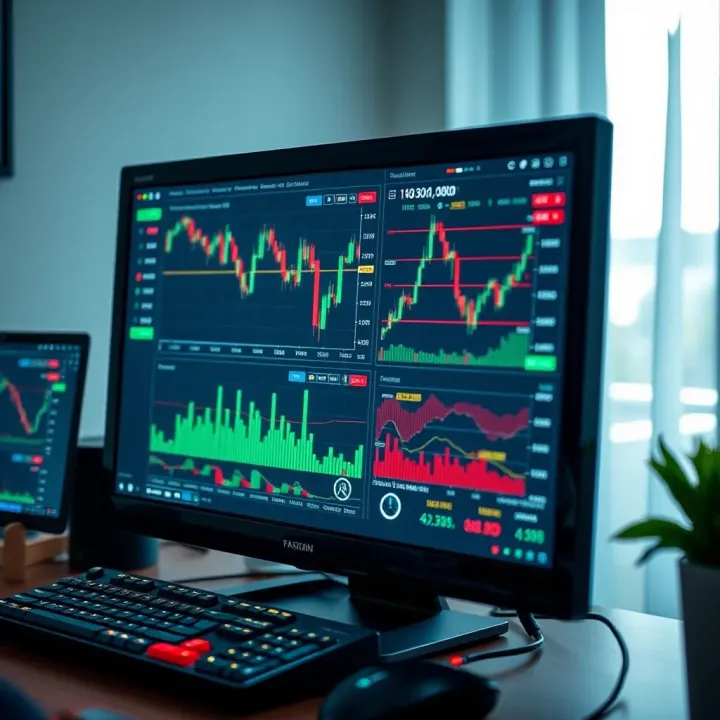
Starting your forex trading journey in Nigeria requires more than just knowledge of how the market works. It involves choosing the right broker, opening an appropriate account, and navigating local financial realities. These early steps set the foundation for your success and can save you from avoidable losses or scams.
Selecting a good forex broker is vital. You want one that offers a user-friendly platform, tight spreads, and solid customer support. For example, if you plan to trade on your smartphone during Lagos traffic, a broker with a reliable mobile app that handles poor internet smoothly makes a difference. Also, check if your broker offers educational materials and demo accounts, which are practical for beginners.
A broker regulated by a reputable authority stands a better chance of protecting your funds. While Nigeria’s Securities and Exchange Commission (SEC) oversees capital markets, many Nigerian forex traders use brokers regulated by global bodies like the FCA (UK) or CySEC (Cyprus). Always verify the broker's licence status. Unlicensed brokers often operate without transparency, putting your money at risk.
Brokers like HotForex, FXTM, and Exness are accessible and commonly used by Nigerian traders. They support naira deposits, provide local payment methods, and offer flexible account types. Using brokers familiar to Nigerians also means easier access to customer support tailored to local issues, such as naira volatility during funding.
Most brokers offer several account types, such as standard, mini, and ECN accounts. Standard accounts suit most beginners, requiring moderate deposits and offering good flexibility. ECN accounts provide direct market access with lower spreads but often require higher capital and carry more risk. Picking the right account matches your budget and trading style.
Funding your forex account in Nigeria can be done through bank transfers or USSD codes, depending on the broker’s arrangement. Bank transfers might take longer but are secure, whereas USSD payments offer quick and low-cost transfers directly from mobile phones. For instance, platforms like GTBank and Access Bank support seamless USSD-based payments to some brokers.
Naira volatility can cause your deposit’s value in foreign currency to fluctuate, affecting your trading capacity. To reduce this risk, some traders fund accounts during favourable exchange rates or use naira wallets linked to their brokers. Others top up smaller amounts frequently rather than lump sums. This approach minimises losses from sudden naira depreciation.
Taking time to choose the right broker and funding method helps protect your funds and prepares you for a smoother trading experience in Nigeria’s unique forex environment.
Starting well means you trade more confidently and avoid common pitfalls linked to account setup and local currency challenges.
Mastering basic trading strategies is key for anyone starting in forex, especially in Nigeria’s fast-moving market. These strategies help traders read market signals, make informed decisions, and improve chances of profit while managing risks. Beginners get a solid foundation to build skills and avoid costly mistakes common to uninformed trading.
Charts are the bread and butter for forex traders. They display currency price movements over time, giving clear visual clues about possible future actions. Indicators like Moving Averages, Relative Strength Index (RSI), and Bollinger Bands help to identify momentum and overbought or oversold conditions. For instance, a trader might spot a currency pair hitting the lower Bollinger Band and consider it a potential buy signal.
Trends show the general direction of a currency pair’s movement — upward, downward, or sideways. Spotting these trends early helps traders decide when to enter or exit trades. Patterns like "head and shoulders" or "double tops" are commonly studied to predict reversals. For example, when the Nigerian naira shows consistent depreciation against the US dollar, traders using trend analysis might prepare to sell USD/NGN pair on growth reversal signals.
Forex prices react sharply to economic events such as inflation reports, interest rate decisions, or geopolitical issues. In Nigeria, factors like agricultural output, oil prices, or CBN monetary policy seriously influence the naira’s strength. Traders track these events to anticipate market moves. For example, a rise in Nigeria’s inflation rate often leads to naira depreciation, affecting forex trades involving NGN.
The Central Bank of Nigeria (CBN) sets policies that impact liquidity, interest rates, and exchange controls. Traders must stay alert for policy shifts, such as changes in the Monetary Policy Rate (MPR) or foreign exchange restrictions. Also, global news—like US Federal Reserve announcements or crude oil price swings—influence currency flows relevant to Nigeria’s forex market.
Staying updated with CBN news and global events allows you to react timely and manage your trades effectively.
Day traders open and close positions within the same day, aiming for small gains from quick market movements. This suits those who can monitor markets closely during Nigerian trading hours. On the other hand, swing traders hold positions for a few days or weeks, benefiting from larger price swings. For example, a Nigerian trader with a full-time job may prefer swing trading, as it demands less time behind the screen.
Scalping focuses on making many tiny profits throughout the day by exploiting minor price changes, requiring quick decisions and fast execution. Position trading is the opposite — holding trades for weeks or months, based on long-term trends and economic fundamentals. Scalping suits active traders with strong nerves and time, while position trading may fit traders who track major economic trends affecting currencies like NGN or USD.
Using the right strategy aligned with your lifestyle, capital, and market understanding improves your chance of success in the Nigerian forex scene.
Managing risks is a central part of successful forex trading, especially in Nigeria where market conditions can be volatile and unpredictable. Protecting your capital means ensuring you don’t expose yourself to losses that could wipe out your trading account. Strong risk management helps you survive losing streaks and keeps you in the game to benefit from good opportunities when they arise.
Setting stop-loss and take-profit levels is one of the simplest yet most effective ways to manage risk. A stop-loss order automatically closes your trade when the price moves against you by a certain amount, limiting losses upfront. For example, if you buy a USD/NGN pair at ₦490 and set a stop-loss at ₦485, your trade closes once the price hits ₦485, preventing further loss. Conversely, a take-profit order locks in your gains by closing the trade once it reaches a target price. This disciplined approach removes emotion and guesswork, making your trading more precise and protecting your capital from sudden market swings.
Another key tool is using proper position sizing. This means deciding how large your trade should be based on your overall account size and risk tolerance. For instance, risking 1-2% of your total trading capital per trade is a widely recommended rule. If your account stands at ₦100,000, placing a trade that could lose more than ₦2,000 is risky. Proper sizing ensures that even several losses won’t decimate your funds, allowing you to trade consistently over time. It also helps prevent chasing losses with bigger bets, which often leads to bigger problems.
Controlling emotions is critical to preserving your trading capital. Fear and greed can push traders to close winning trades too early or hold onto losing trades hoping for a turnaround. For example, a trader might panic when prices dip slightly and exit early, missing out on bigger gains. Alternatively, frustration after losses might tempt you to revenge trade to recover quickly, increasing risk. Sticking to your trading plan, respecting stop-loss and take-profit levels, and accepting that losses are part of trading help you maintain emotional balance and sound judgement.
Finally, avoiding overtrading and excessive leverage is necessary to protect yourself from unnecessary risks. Many Nigerian traders, drawn by the promise of fast profits, may open too many positions or use leverage beyond their comfort zone. High leverage magnifies both gains and losses — a ₦10,000 trade with 100:1 leverage on a small 1% market move can mean a ₦10,000 loss or gain. Overtrading can drain your capital quickly through spreads, commissions, and poor decision-making. Setting limits on the number of concurrent trades and leveraging moderately helps maintain control, ensuring you trade with your head, not just your pocket.
Risk management is not just a step in trading — it’s the foundation. Trade smart, protect your capital, and keep your eyes on the long haul.
By applying these risk management techniques, Nigerian forex traders stand a better chance to build steady profits and avoid costly mistakes commonly seen among beginners.
Access to the right tools and resources is essential for Nigerian forex traders aiming to succeed in a market that moves fast and can be unpredictable. Having reliable trading platforms, quality learning materials, and a supportive community can sharpen your skills and improve your decision-making, giving you an edge. Nigerian traders, in particular, need platforms and materials that consider local challenges such as data costs, internet stability, and naira volatility.
MetaTrader 4 and 5 are among the most popular trading platforms worldwide, including in Nigeria. They offer comprehensive charting tools, technical indicators, and automated trading capabilities through expert advisors. MT4 focuses on forex and CFDs and remains user-friendly for beginners, while MT5 adds features like more timeframes and asset classes such as stocks and futures, appealing to more experienced traders. These platforms support multiple devices, including PCs and mobile phones, which makes it easier for Nigerian traders to stay connected regardless of location.
When it comes to data and internet conditions in Nigeria, mobile-friendly platforms help reduce costs and improve usability. Many brokers now offer mobile apps that are optimised for lower bandwidth consumption, ensuring smoother performance even with less stable networks. Apps like MetaTrader Mobile and standalone broker apps from companies like IG or FXTM are specifically designed to operate efficiently within Nigeria’s data environment, making it possible to place trades and follow the market on the go without eating up too much of your airtime or data bundle.
Online courses, forums, and webinars serve as the backbone for traders who want to deepen their knowledge and keep up with evolving strategies. Several Nigerian forex educators and fintech startups have produced quality online tutorials and webinars that address local market nuances, from understanding CBN policies to managing naira risks. For example, platforms such as FXAcademy and Udemy host detailed forex courses, while webinars organised by brokers help traders ask questions and interact in real time.
Connecting with Nigerian forex educators and influencers on social media also adds immense value. These personalities share practical tips based on lived experience, discuss market events relevant to Nigeria, and often provide timely alerts on trading opportunities. Following trusted figures ensures you receive insights tailored to the Nigerian market, unlike generic global advice that may overlook local factors like ember months volatility or fuel scarcity affecting market sentiment. Platforms like YouTube, Twitter, and Telegram have become hubs for forex discussions where Nigerian traders meet, share strategies, and get support.
In forex trading, having the right platform and being well-informed are just as important as strategies. Combining good tools with local insights helps Nigerian traders navigate the market with confidence.
📈 Discover the best Forex trading times in Nigeria! Learn how global sessions and market moves impact your success for smarter trades. 💹🌍
📊 Find the best forex trading platform in Nigeria! Learn about security, fees, tools, and user experience to trade smart and avoid common risks.
Discover effective forex trading strategies 🇳🇬 tailored for Nigerian traders, focusing on risk management, analysis methods, and disciplined trading tips 📈💡.
Discover top forex trading tips, strategies, and platforms tailored for Nigerian traders 🇳🇬. Manage risks and trade smarter in today’s market 📈💡.
Based on 15 reviews