

How to Choose the Best Crypto Trading Platform in Nigeria
🔍 Find the best crypto trading platform in Nigeria! Learn about security, fees, features, and local regulations to trade confidently and safely. 🇳🇬💰
Edited By
Edward Shaw
Crypto trading websites offer Nigerians a platform to buy, sell, and exchange digital currencies like Bitcoin, Ethereum, and others. These platforms act as marketplaces where traders and investors connect to swap cryptocurrencies for Naira or other digital assets. Understanding how to use these sites properly is key to safely navigating Nigeria’s growing crypto space.
Unlike traditional banks, crypto trading websites operate 24/7 and can be accessed from anywhere with internet access. However, given Nigeria’s unique regulatory environment and frequent power or network disruptions, choosing the right platform is essential. For example, platforms like Binance, Luno, and Quidax are popular due to their user-friendly interfaces and strong local presence.
Security should top your checklist. Many scams and frauds have targeted Nigerian crypto users, so look out for platforms with two-factor authentication (2FA), cold storage for user funds, and transparent user policies.
When selecting a crypto trading website in Nigeria, consider these factors:
Regulatory compliance: Ensure the platform complies with Nigerian laws and guidelines from the Central Bank of Nigeria (CBN) or Securities and Exchange Commission (SEC). Since regulations can change, pick a site that updates you accordingly.
Transaction fees: Check fees for buying, selling, and transferring cryptocurrencies to avoid hidden costs that eat into your profits.
Payment options: Ensure the platform supports easy deposits and withdrawals through Nigerian banks, USSD codes, or popular mobile wallets.
User experience: Platforms with multilingual support and simple navigation help you trade confidently, especially if you’re just starting.
Keep in mind, crypto trading carries risks, including market volatility and cyber threats. Start with small amounts, use strong passwords, and verify transactions before confirming. Also, stay informed about local developments since the government sometimes releases directives affecting crypto trade.
By understanding these basics, you can confidently explore crypto trading sites tailored for Nigerian users and make smart investment choices.
A crypto trading website serves as an online marketplace where you can buy, sell, and sometimes trade cryptocurrencies like Bitcoin, Ethereum, or Ripple. For Nigerians, these platforms open up new financial avenues, offering alternatives to traditional banking and investment channels. Understanding what these websites do helps you navigate their features effectively and secure your funds.
The core function of any crypto trading website is to let users exchange fiat currency like the Nigerian Naira (₦) for cryptocurrencies, or swap one crypto coin for another. For example, if you have ₦50,000 and want to buy Bitcoin, the platform will list current rates and allow transactions directly from your account. The process is mostly straightforward but varies slightly depending on the platform's interface and payment methods supported.
Crypto trading platforms often provide integrated wallets to hold your digital assets securely. These wallets are somewhat like your bank account but for cryptocurrencies—letting you store, send, and receive coins without needing a third party. Keeping your assets on the platform's wallet offers convenience for quick trades, though some traders prefer moving funds to personal wallets for better control and security.
Effective trading depends on accurate market information. Most platforms provide real-time price feeds, historical data, and graphic charting tools. Nigerians especially benefit from these features when assessing market trends amid global and local influences like naira fluctuations or policy changes by the Central Bank of Nigeria (CBN). Such tools help traders make informed decisions, avoiding guesswork.
Centralised exchanges (CEX) act as middlemen, managing all trades on the platform and holding users' funds. Examples include Binance Nigeria and Luno. This model is popular for its ease of use, quick transactions, and customer support. However, centralised control also creates risks since the platform stores your wallet’s private keys, making it a target for hackers.
Decentralised exchanges (DEX) operate without an intermediary, allowing users to trade cryptocurrencies directly from their wallets. Uniswap and PancakeSwap are notable global examples, while Nigerian use is growing slowly. DEX platforms offer greater control over assets and privacy but tend to have steeper learning curves and sometimes lower liquidity compared to centralised alternatives.
P2P platforms like LocalBitcoins and Paxful connect buyers and sellers directly. Users negotiate terms and payment methods on their own, which works well in Nigeria where bank transfers and mobile money are common. P2P reduces dependence on a central authority but demands caution to avoid scams. Escrow services typically protect participants until both sides confirm the transaction.
Understanding these foundations lets you pick a platform that fits your trading goals, comfort with technology, and security needs. Each type serves different trader profiles, from beginners relying on centralised simplicity to more experienced users who prefer decentralisation or peer-to-peer flexibility.
When choosing a crypto trading website, focusing on its key features protects your investment and enhances your trading experience. Security, ease of use, and cost-efficiency are among the most important factors. For Nigerian traders, these features matter more due to unique local challenges like internet instability, fluctuating naira value, and regulatory uncertainties.
Two-Factor Authentication (2FA) is a basic security layer that requires two proofs before you access your account. Usually, this means entering your password and then a code sent to your phone or email. For Nigerian users, where account hacking is common, 2FA stops unauthorised access effectively. It’s advisable to choose platforms that enforce 2FA by default instead of making it optional.
Cold Storage Solutions refer to holding cryptocurrencies offline, away from internet threats. Most reputable crypto platforms keep the bulk of users’ funds in cold storage to prevent losses from hacking or system failures. In Nigeria's context, where cyber fraud is a concern, platforms utilising cold wallets provide an extra shield for your assets.
Encryption Standards involve scramblig user data and transaction details so that crooks can’t read or steal sensitive information. Look for platforms that mention using high-level encryption such as AES-256 or SSL/TLS protocols. This is particularly useful when trading on public or unsecured internet networks common in Nigeria.
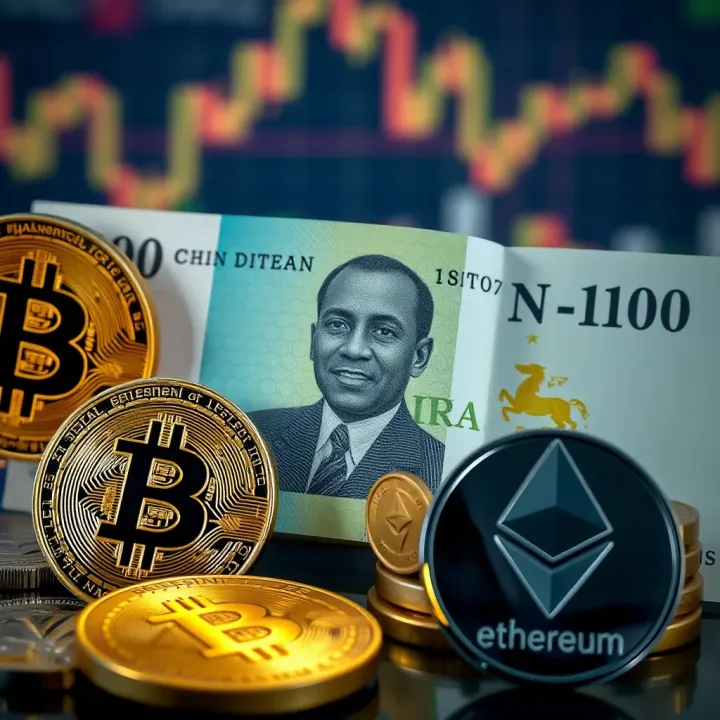
Mobile and Desktop Compatibility is critical given Nigeria’s mostly mobile internet users. A good trading platform will offer apps for Android and iOS, alongside a desktop version that works smoothly on popular web browsers. This ensures you can trade during Lagos traffic jams or when away from your desk.
Ease of Use for Beginners means the site should have clear menu options, simple navigation, and accessible educational content. Since many Nigerians trying crypto are newcomers, a complicated interface often discourages or confuses traders, increasing the risk of mistakes.
Customer Support Availability matters heavily as many users face issues related to account access, KYC verification, or withdrawal delays. A platform with active 24/7 customer support in English and possibly Nigerian Pidgin will save you serious frustration.
Fees and Commissions can quickly eat into your profits if you don’t watch out. Platforms vary widely in their fee structures — some charge flat transaction fees, while others take a percentage per trade. For instance, Binance’s maker-taker fees differ from those of Luno. Always compare fees before committing.
Available Cryptocurrencies determine the range of investment opportunities you get. Some sites only offer major coins like Bitcoin and Ethereum, while others list dozens or hundreds of altcoins. Nigerian traders looking to diversify should prioritise platforms with a broad selection.
Leverage and Margin Trading Options allow experienced traders to borrow funds for bigger positions, increasing potential gains — but also risks. If you’re new, it is safer to avoid leverage. However, seasoned investors may find these features attractive to maximise returns.
Choosing a crypto trading site with solid security, user-friendly design, and reasonable trade costs sets the foundation for safer and more successful trading in Nigeria’s unique market.
Navigating crypto trading in Nigeria demands a solid grasp of both the risks involved and the legal framework. Without this understanding, traders might find themselves falling into avoidable pitfalls or running afoul of regulations. Knowing these factors can protect your investments and help you trade confidently in the Nigerian market.
Cryptocurrency prices can swing wildly within minutes, a reality every trader must face. For example, Bitcoin’s price might jump or fall by 5% or more in a single day. Such rapid changes can mean quick profits but also heavy losses if you’re not cautious. This volatility is partly due to crypto's speculative nature and the thin liquidity of some tokens compared to traditional assets.
Because of this, it’s important to be disciplined with your trading strategy. Avoid investing money you can’t afford to lose, and consider setting stop-loss orders to limit potential downsides. Volatility requires traders to remain alert and not get swept up in hype or panic.
Nigeria’s growing interest in crypto has unfortunately attracted a wave of scam sites and bogus schemes. Some pretend to be legit exchanges but disappear with user funds, while others use phishing or fake investment offers to steal personal information.
A clear red flag is platforms promising unrealistically high returns or requiring upfront fees without proper transparency. Always verify if an exchange is recognised by regulatory bodies like the Securities and Exchange Commission (SEC) Nigeria or has good user reviews. P2P platforms like Paxful and LocalBitcoins, though popular, require extra vigilance since you trade directly with individuals.
Technical issues on exchanges can disrupt trading and cause frustration. In Nigeria, where power outages and unstable internet often affect connectivity, this risk is amplified. Sudden platform downtimes can prevent you from executing trades during critical price moves, leading to potential losses.
Major exchanges generally maintain better infrastructure and have backup systems, but outages still happen. Nigerian traders should always have contingency plans, such as checking multiple platforms or using mobile data as backup for internet.
The Central Bank of Nigeria (CBN) has maintained a cautious approach, not outright banning cryptocurrencies but restricting banks from servicing crypto exchanges. This means you may face difficulties transferring Naira to or from certain exchanges via Nigerian banks.
This stance impacts liquidity and ease of trading for many Nigerians, pushing them towards peer-to-peer (P2P) platforms or crypto-friendly fintech services. Traders need to stay updated on CBN pronouncements since policy shifts can affect access and trading conditions significantly.
Beyond the CBN, agencies like SEC Nigeria regulate capital markets and have issued guidelines to classify certain cryptocurrencies and tokens as securities. Failure to comply with these regulations can lead to legal complications or frozen assets.
Also, tax authorities like the Federal Inland Revenue Service (FIRS) are increasingly watchful of crypto profits. Ignoring reporting requirements may result in penalties. Being conversant with these rules helps traders avoid fines and protect their reputation.
Ensuring compliance starts with keeping thorough records of your trades, deposits, and withdrawals. Use exchanges and wallets that implement Know Your Customer (KYC) checks; this aligns with Nigerian regulations and enhances your security.
Additionally, registering your transactions for tax purposes strengthens your legal position. Consult tax professionals familiar with Nigerian crypto laws to understand your obligations. Staying compliant not only avoids legal trouble but also builds trust with financial institutions and service providers.
Understanding and respecting Nigeria's regulatory landscape alongside the inherent risks in crypto trading is essential for protecting your investments and trading experience. Always be vigilant, informed, and prepared.
Using a crypto trading website in Nigeria requires more than just choosing the right platform. Practical tips help you navigate common pitfalls and secure your investments. These straightforward steps reduce risks like fraud and technical glitches, which many Nigerian traders face occasionally.
Verifying Identity with BVN and NIN
Most legitimate Nigerian crypto trading sites ask for your Bank Verification Number (BVN) and National Identification Number (NIN) to verify your identity. This step protects you and the platform from fraud. For example, matching your BVN ensures your bank account links correctly to your trading wallet. Skipping this may block withdrawals or lead to account suspension.
Choosing Strong Passwords
A strong password is your first line of defence against hacking. It should combine letters, numbers, and symbols, and be at least 12 characters long. Avoid common phrases or birthdays, which hackers guess easily. Using password managers makes it easy to create and store complex passwords safely.
Using Secure Internet Connections
Public Wi-Fi in places like malls or cafes may expose your login details to hackers. Always use a trusted, private internet connection when trading cryptocurrencies. If you must use public networks, a Virtual Private Network (VPN) adds a layer of security by encrypting your data traffic.
Researching Market Trends
Understanding market movements is essential. Use reliable sources like Binance’s market data or CoinGecko for accurate price trends. Keeping up with local events that might affect cryptocurrencies, such as policy updates from the Central Bank of Nigeria (CBN), helps you make informed decisions.
Diversifying Crypto Portfolio
Don’t put all your naira in one crypto asset. Spread your investments across different cryptocurrencies like Bitcoin, Ethereum, and stablecoins. This approach limits the impact if one coin suddenly drops in value. It’s like not putting all your eggs in one basket, especially in Nigeria’s volatile financial environment.
Avoiding Emotional Trading
The crypto market swings sharply, but impulsive buy or sell decisions often lead to losses. Stick to your trading plan and avoid panic selling during drops or FOMO (fear of missing out) buying during rises. Using set stop-loss and take-profit limits helps control emotions.
Using Nigerian Banks and Payment Channels
After profits, convert your crypto to naira via banks or payment platforms like Paystack or Flutterwave. Nigerian banks sometimes delay or block transfers from crypto wallets due to regulatory caution, so pick platforms known for better compliance and smooth withdrawal processes.
Handling Exchange Rates and Charges
Exchange rates on crypto platforms can differ from official rates at the Bureau De Change (BDC) or banks. Monitor rates and charges closely to avoid losing part of your gains to unnecessary fees. For example, withdrawing ₦100,000 but paying ₦3,000 in transfer fees cuts into profits.
Timing Withdrawals to Minimise Losses
Naira value fluctuates daily against the dollar and cryptocurrencies. Withdrawing at the right time — for instance, when naira stabilises or strengthens — protects your returns. Avoid withdrawing during peak market volatility or times of poor naira performance, like during embargoes or political uncertainty.
Taking practical steps keeps your crypto trading journey smooth and your funds safe, especially in the Nigerian market where challenges from regulation and infrastructure exist.
By paying attention to these details, you greatly improve your chances of success and security while trading cryptocurrencies in Nigeria.
Choosing the right crypto trading platform is vital for Nigerians looking to trade cryptocurrencies safely and efficiently. Popular platforms offer reliability, ease of use, and localised payment methods that suit the Nigerian environment. Understanding the strengths and unique features of these platforms helps you make informed decisions while navigating the volatile crypto market.
Binance Nigeria is among the most popular centralised exchanges for Nigerians. Its strength lies in offering a diverse range of cryptocurrencies alongside competitive trading fees. Binance Nigeria also supports Naira deposits and withdrawals via local banks, making the process smoother and faster. The platform's user-friendly interface and advanced charting tools cater to both beginners and experienced traders alike.
Luno stands out as a beginner-friendly exchange with simple account setup and easy funding options using Nigerian bank accounts. It focuses on a limited but solid selection of popular cryptocurrencies like Bitcoin and Ethereum. Luno’s app and web platform offer straightforward buying and selling experiences without overwhelming users. Plus, Luno provides educational materials tailored for Nigerians to grasp crypto trading basics effectively.
Quidax serves Nigerians with quick verification and direct Naira funding options. The platform combines centralised exchange features such as instant trading with wallet integration. Quidax has also introduced easy-to-understand customer service channels, addressing common concerns promptly. It helps Nigerians avoid typical hurdles like long withdrawal times, making it a practical choice especially for active traders.
LocalBitcoins provides a peer-to-peer (P2P) marketplace where Nigerians can buy and sell Bitcoin directly with other users. This setup offers flexibility in payment options, including bank transfers and mobile money. LocalBitcoins' escrow system protects both buyers and sellers, reducing the risk of scams. The platform is ideal for Nigerians without direct access to bank accounts or those who prefer private trading.
Paxful is another leading P2P platform known for supporting diverse payment methods popular in Nigeria, such as airtime, Paystack, and direct bank transfers. Paxful’s escrow service adds a layer of security by holding funds until both parties fulfil their obligations. Its user base is large and active in Nigeria, meaning trades can be executed swiftly with competitive prices.
Binance P2P combines Binance’s infrastructure with P2P trading benefits. Nigerians use this platform to trade directly with peers using Naira with zero transaction fees. The platform’s integration within the Binance ecosystem adds trust and liquidity, as users can easily switch between P2P and spot trading on Binance. For Nigerians prioritising convenience and cost efficiency, Binance P2P delivers a seamless trading option.
When selecting a crypto platform, always consider factors like security, payment methods, and customer support. Popular platforms tailored for Nigerian users reduce barriers to entry and encourage safer trading practices.
Centralised exchanges like Binance Nigeria, Luno, and Quidax offer easy fiat-to-crypto access and advanced trading tools.
P2P platforms such as LocalBitcoins, Paxful, and Binance P2P allow flexible trading via various Nigerian payment methods.
Choosing a well-established platform with local bank integration reduces delays and risks.
Selecting any of these platforms depends on your trading style and security preference, but each offers practical solutions suited for the Nigerian market.
🔍 Find the best crypto trading platform in Nigeria! Learn about security, fees, features, and local regulations to trade confidently and safely. 🇳🇬💰
Ready to trade crypto in Nigeria? Learn market basics, pick the right platforms, manage risks, and handle ₦ payments safely. Start your crypto journey today! 🚀💰🇳🇬

Looking for the best trading app? 📱 Discover how to pick secure, user-friendly platforms with low fees, broad markets, and reliable support—perfect for Nigerian traders!
🔍 Find the best crypto trading platform in Nigeria! Learn how to pick secure, user-friendly options with low fees and great support to trade confidently. 🇳🇬💰
Based on 8 reviews