
Best Time to Trade Forex in Nigeria
📈 Discover the best Forex trading times in Nigeria! Learn how global sessions and market moves impact your success for smarter trades. 💹🌍
Edited By
David Chapman
Forex trading in Nigeria has caused a lot of confusion and questions, especially regarding its legality. Is it banned? Can you trade forex without running into trouble? This section clarifies the truth about forex trading in Nigeria, explaining the rules set by regulatory bodies and the risks involved.
Unlike some beliefs floating around, forex trading is not outright banned in Nigeria. However, trading outside the rules set by the Central Bank of Nigeria (CBN) and the Securities and Exchange Commission (SEC) can land traders into serious trouble. The confusion often arises because the CBN restricts the use of foreign exchange outside authorised channels. This affects forex brokers and traders dealing with unlicensed platforms.
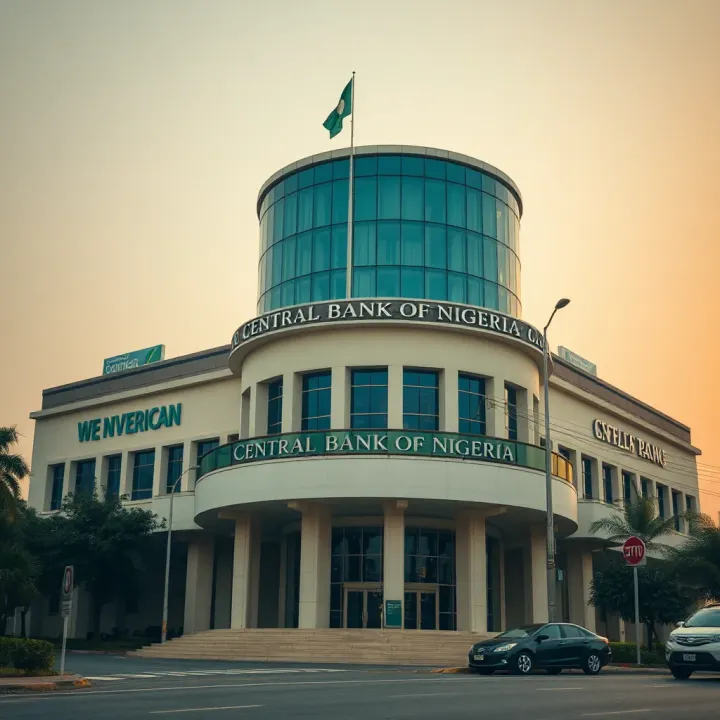
The CBN demands that all forex trading activities go through regulated platforms or authorised dealers. This means any broker operating without the approval of the SEC or CBN is illegal. Nigerians who trade with unregulated brokers risk losing their funds without legal recourse. Reports of scams and fraudulent schemes have made authorities alert to the dangers of unregulated forex trading.
To trade forex safely in Nigeria, always verify if the broker is registered with the SEC or authorised by the CBN. This protects you from scams and ensures compliance with Nigerian law.
Here are some key points to consider:
Regulatory oversight: SEC oversees forex brokers operating in Nigeria to protect investors.
Authorized dealers: The CBN permits only authorised dealers to sell foreign currency.
Restrictions: Unauthorized forex trading firms may face sanctions or closure.
Risk awareness: Forex trading carries risks, but these heighten when dealing with unregulated brokers.
Understanding these regulations helps you stay on the right path. Many Nigerians successfully trade forex through compliant brokers and platforms like local banks or licensed fintech companies. Avoiding unregistered brokers is crucial, as authorities have severally warned against dealing with unauthorised forex operators.
By following the rules, you can enjoy the potential benefits of forex trading without unnecessary legal or financial risk. This article will explore the regulatory framework in detail and highlight how you can identify safe options to trade forex in Nigeria.
Understanding the current legal framework for forex trading in Nigeria is essential for anyone looking to enter this market. With a complex landscape shaped by multiple regulatory bodies, clarity on what is allowed and what is not helps traders avoid unnecessary risks and make informed decisions. Knowing whether forex trading is banned or regulated can affect everything from platform choice to capital management.
Forex trading involves buying and selling currency pairs through licensed platforms and regulated brokers. It is a legitimate investment activity focused on speculation or hedging in the global currency markets. On the other hand, unauthorised foreign exchange activities refer to illegal operations such as black market currency trading or unlicensed dealers offering foreign exchange services. These activities violate the regulations set by Nigerian authorities and often attract severe penalties.
This distinction matters because some Nigerians confuse general unregulated forex dealings with the legitimate practice of trading forex through approved channels. The latter remains legal, provided one complies with the rules and uses platforms regulated by authorities like the Securities and Exchange Commission (SEC).
Several factors contribute to the mistaken belief that forex trading is banned in Nigeria. First, the Central Bank of Nigeria (CBN) places restrictions on certain foreign exchange transactions to control naira volatility and discourage illegal forex activities. These restrictions sometimes cause confusion about the legality of forex trading itself.
Second, high-profile scams involving unlicensed brokers have led to warnings and crackdowns by regulators, contributing to the misconception. Media reports about these incidents often lump all forex trading together, failing to distinguish between authorised trading and unlawful dealings. This has led many traders to believe that all forex trading is prohibited.
The CBN oversees foreign exchange policies in Nigeria, regulating how naira is traded against other currencies. It controls authorised dealers and sets limits on currency movement to stabilise the economy. While the CBN does not outright ban forex trading, it restricts certain foreign exchange transactions to prevent abuse and capital flight. Traders must therefore ensure their activities comply with CBN regulations, like using approved channels for currency conversion.
The SEC regulates capital market activities in Nigeria, including forex trading conducted through licensed brokers. It ensures brokers meet licensing requirements and uphold investor protection standards. By monitoring brokers and trading platforms, the SEC works to safeguard traders from fraud and malpractice. Any broker operating without SEC approval is considered illegal, and trades executed through such brokers carry significant risks.
Beyond the CBN and SEC, bodies like the Nigerian Financial Intelligence Unit (NFIU) and the Economic and Financial Crimes Commission (EFCC) play roles in enforcing compliance and curbing illicit forex activities. These agencies collaborate to detect money laundering and other financial crimes linked to forex scams. Their involvement underscores the government's commitment to maintaining a regulated and transparent forex market for Nigerians.
Traders in Nigeria should always verify the regulatory status of brokers and platforms and observe CBN and SEC guidelines to trade safely in forex markets.
In summary, forex trading is not banned in Nigeria but operates under strict regulations and oversight. Distinguishing legal forex activities from unauthorised foreign exchange dealings remains key to navigating the market successfully.
Regulation is vital to keep the forex trading space orderly and trustworthy in Nigeria. Without clear rules and oversight, traders face serious risks like fraud or sudden shutdowns by rogue brokers. Understanding how forex trading is overseen helps Nigerian investors identify safe platforms and avoid scams that have cost many people their hard-earned savings.
Forex brokers must meet specific licensing conditions before operating legally in Nigeria. The Central Bank of Nigeria (CBN) and the Securities and Exchange Commission (SEC) oversee these requirements. Brokers are expected to demonstrate a minimum capital base, submit clear business plans, and comply with anti-money laundering (AML) regulations. These conditions prevent shady operators from launching forex services without proper backing.
Having a licence also means the broker follows set standards for transparency and customer protection. For example, clients should know trading fees upfront, and brokers must maintain segregated client accounts to protect deposits if the broker collapses.
In Nigeria, only a handful of brokers hold valid licences. Firms like Meritrade NG, Afrinvest, and CSL Stockbrokers have received regulatory approval. This limited list shows that not all platforms advertising forex trading services are authorised. Nigerians are often cautioned to check the SEC’s website or CBN notices to verify a broker’s licence before engaging.
The SEC and CBN approve certain trading platforms to operate safely in Nigeria. Platforms like MetaTrader 4 and 5 are popular globally and supported by licensed Nigerian brokers. Using these approved platforms reduces the chance of system manipulation and ensures customers can access proper customer service.
Moreover, the SEC works to protect forex traders by enforcing regulatory compliance. They require licensed brokers to submit regular financial reports and conduct periodic audits. This oversight helps detect irregular activities early.
The SEC also runs investor education programmes to arm Nigerian traders with knowledge about forex risks and warning signs of scams. By promoting awareness and transparency, these measures build confidence and shield investors from fraudulent schemes.
Always confirm that your broker is licensed by SEC or CBN and uses a trusted trading platform before you start forex trading. This simple step lowers the chance of falling victim to scams that are widespread in the Nigerian market.
In summary, Nigeria’s forex market operates under clear regulatory frameworks aimed at protecting investors. Knowing the licensing demands, approved platforms, and SEC roles allows traders to navigate forex trading with more confidence and less risk.
Forex trading in Nigeria carries multiple risks that every trader must understand to avoid losses. Besides general market risks, local factors like unregulated brokers and economic volatility complicate the landscape. Being aware of these challenges can help protect your investment and improve your trading decisions.
Nigeria's forex market faces serious threats from unregulated brokers who often promise unrealistic returns. Common scams include Ponzi schemes, fake trading platforms, and brokers who withhold traders’ funds. For example, some platforms operate without SEC or CBN approval, enticing traders with high leverage but disappearing once withdrawals are requested. These scams have eaten into many traders’ savings, particularly those new to forex.
Identifying fraudulent forex platforms requires careful checks. First, verify if the broker holds a valid licence from the Securities and Exchange Commission (SEC) or is registered with the Central Bank of Nigeria (CBN). Beware of platforms that lack transparent contact details or pressure you to invest large sums quickly. Reviews from credible sources and feedback from experienced traders can further signal a platform’s legitimacy. Always perform due diligence before committing money.
The volatility of the naira significantly affects forex trading in Nigeria. Sudden naira depreciation can cause unexpected losses or gains when trading currency pairs involving the naira. For instance, a trader holding US dollar assets may see the value of their investment fluctuate sharply whenever the CBN adjusts exchange rates or when market forces push the naira’s value up or down. This unpredictability adds an extra layer of risk distinct from global forex markets.
Other economic challenges include the country’s inflation rate, interest rates, and government restrictions on foreign exchange transactions. High inflation reduces traders' real returns, while monetary policies can limit access to dollars, impacting trading volumes. Additionally, factors like power supply issues and internet connectivity problems may disrupt trading activities. Such challenges highlight why traders should start small, use reliable platforms, and keep updated on economic trends to navigate forex trading prudently.
Understanding these risks helps Nigerians make informed decisions, protecting investments from scams and economic shocks alike. Always approach forex trading with caution and adequate preparation.
Government efforts to control illegal forex activities play a critical role in safeguarding the Nigerian financial market and protecting investors. Without these measures, forex trading would be vulnerable to scams and unregulated operators that mislead the public and cause significant financial losses. These controls also aim to maintain the stability of the naira and curb illicit flows of foreign currency.
Limitations on naira conversion: The Central Bank of Nigeria (CBN) imposes specific limits on how much naira individuals and businesses can convert to foreign currencies. For example, there are caps on official purchases of dollars through authorised dealers for travel, school fees, and business purposes. This helps the CBN manage scarce foreign reserves and stabilise the naira exchange rate. For forex traders, it means they must work with brokers licensed by the CBN and avoid black-market currency dealings, which can carry hefty penalties.
Prohibition of certain forex transactions: Beyond limiting conversion amounts, the CBN also forbids unauthorised foreign exchange transactions, such as operating foreign currency accounts without approval or engaging with unlicensed forex brokers. This prohibition aims to choke illegal forex dealings that undermine monetary policy and facilitate money laundering or fraud. Traders should note that performing these banned transactions can result in blocked accounts or legal prosecution, underscoring the importance of compliance.
Examples of government crackdowns: Nigerian authorities have taken active steps to clamp down on rogue forex operators. For instance, the CBN and Securities and Exchange Commission (SEC) have shut down digital platforms promoting unauthorised forex trading and frozen accounts linked to scams. A notable case was the closure of several illegal forex trading websites in Lagos in 2022, which were preying on inexperienced traders. These actions send a clear message that the government will act decisively against activities that threaten market integrity.
Consequences for offenders: Those caught engaging in illegal forex activities face serious consequences. Offenders may be prosecuted under financial crime and banking laws, leading to fines, imprisonment, or both. Additionally, brokers operating without a licence can have their operations halted and assets confiscated. For individuals, involvement with rogue operators can mean loss of invested funds without any avenue for recovery. Therefore, compliance with regulatory requirements is not just about following rules — it protects your investment and reputation.
Understanding and adhering to the government’s measures against illegal forex activities is vital for anyone involved in Nigeria’s forex market. It ensures safer trading, preserves the value of the naira, and maintains the country's financial credibility.
In summary, the Nigerian government, through the CBN and SEC, sets clear limits on forex transactions and takes strong enforcement actions to control illegal operations. Traders and investors should prioritise engaging only with licensed brokers and remain cautious of unauthorised forex dealings to avoid penalties and potential financial losses.
Navigating the forex market requires caution, especially in Nigeria where regulations can be complex and unregulated brokers abound. Practising safe trading habits helps protect your investments and prevents losses from scams. By following practical tips tailored for Nigerian traders, you can improve your chances of success and avoid common pitfalls.
The first step in safe forex trading is to work with brokers properly licensed by Nigerian authorities like the Securities and Exchange Commission (SEC). Verifying broker licences involves checking the SEC’s official list of approved companies. This is crucial because unlicensed brokers often engage in fraudulent activities, and working with them puts your funds at risk. You can also cross-check brokers’ status through reputable financial news sources such as BusinessDay or Nairametrics.
Some Nigerian brokers with valid licences include FXTM Nigeria and EasyMarkets Nigeria, which comply with local regulations and offer transparent trading platforms. For Nigerians comfortable with international brokers, companies like XM, IG, and Pepperstone are commonly recommended due to their strong compliance records and user-friendly interfaces. Choosing these brokers helps you trade in a legitimate environment with support and protection.
Before starting to trade, education is key. Dive into materials that explain forex fundamentals, including how leverage works, market volatility, and technical and fundamental analysis. Many brokers offer free training resources or webinars tailored to beginners. Without proper knowledge, you risk making uninformed decisions that could lead to heavy losses.
Setting realistic goals is part of risk management. Forex trading is not a get-rich-quick scheme; even experienced traders face drawdowns and losing streaks. Using stop-loss orders and limiting the size of each trade are practical strategies to manage your exposure. For instance, never risk more than 2% of your trading capital on one position. Tracking your trades using journals or apps helps spot mistakes and improve over time.
Successful forex trading in Nigeria depends heavily on due diligence—choosing regulated brokers and managing risk intelligently is as important as understanding the market itself.
Ultimately, safe trading combines selecting trustworthy brokers with continuous learning and disciplined risk control. This approach helps Nigerian traders navigate the market without falling prey to scams or unrealistic expectations.
📈 Discover the best Forex trading times in Nigeria! Learn how global sessions and market moves impact your success for smarter trades. 💹🌍
📊 Find the best forex trading platform in Nigeria! Learn about security, fees, tools, and user experience to trade smart and avoid common risks.
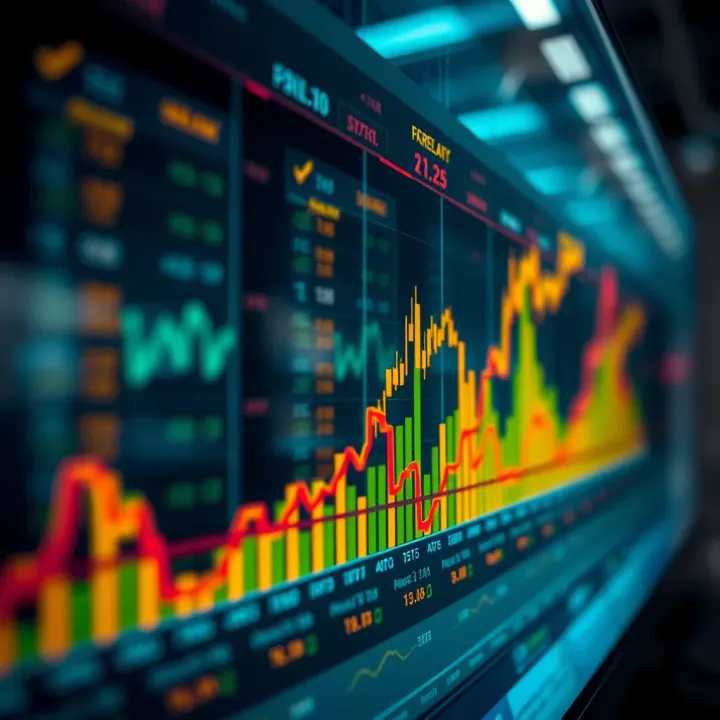
Discover effective forex trading strategies 🇳🇬 tailored for Nigerian traders, focusing on risk management, analysis methods, and disciplined trading tips 📈💡.
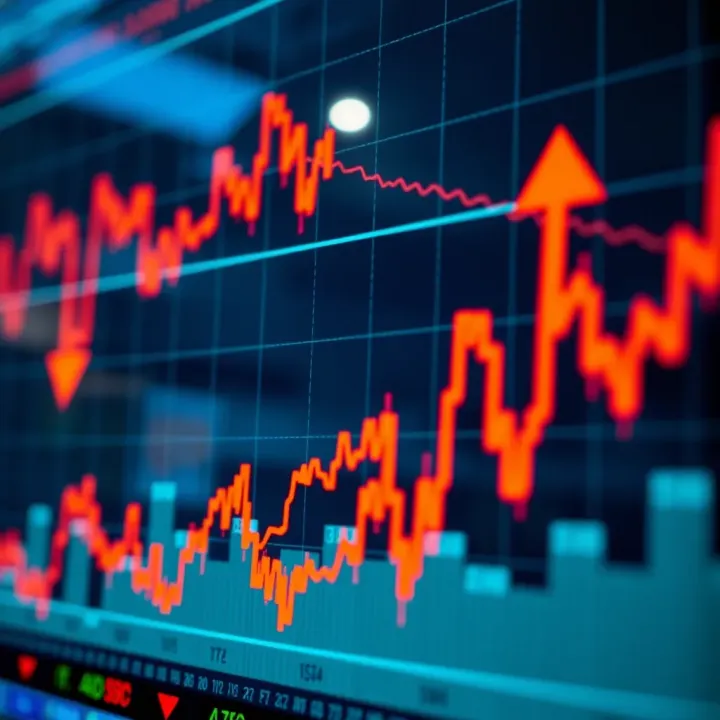
Discover top forex trading tips, strategies, and platforms tailored for Nigerian traders 🇳🇬. Manage risks and trade smarter in today’s market 📈💡.
Based on 11 reviews