
How to Pick the Best Forex Trading App in Nigeria
Discover how to pick the best forex trading app in Nigeria 🇳🇬. Learn about key features, security tips, regulations, and top local choices for smooth trading 📱💹.
Edited By
Emily Foster
Forex trading has grown popular in Nigeria, attracting many who want to earn from currency fluctuations. Yet, stepping into this market without the right tools and knowledge can quickly lead to losses, especially for beginners. Mobile trading apps now provide an accessible way to enter forex, but choosing the right app is critical to trading safely and effectively.
Understanding forex trading basics helps you navigate the market better. It involves buying one currency and selling another simultaneously, profiting from changes in exchange rates. For example, if you buy the US dollar against the naira and the dollar strengthens, you make gains. However, the forex market can be volatile, so managing risks matters.
When selecting a trading app in Nigeria, look beyond flashy features. Security is top priority. Ensure the app uses strong encryption and is regulated by reputable bodies like the Nigerian Securities and Exchange Commission (SEC) or globally recognised authorities. Avoid platforms with questionable reviews or those promising unrealistic returns.
User experience is just as important. A good trading app should offer a simple interface, real-time price charts, and quick access to your account details. Apps like ForexTime (FXTM) and IG Markets are well-known locally and provide a blend of ease and functionality. Ask yourself:
Does the app support Naira deposits and withdrawals smoothly?
Are transaction fees reasonable and transparent?
Does it allow demo accounts to practice before risking real money?
Opening an account usually requires submitting valid identification such as your National Identification Number (NIN) and proof of address. Many Nigerian apps integrate Bank Verification Number (BVN) verification for added security. This process helps prevent fraud, ensuring your funds stay safe.
Always start trading with amounts you can afford to lose. Forex carries risks, and beginners must focus on learning before chasing profits.
Starting forex trading through trusted apps adapted to Nigeria's banking systems and regulations gives you a solid foundation. This guide will walk you through choosing the best app, opening your trading account, and managing initial risks so you can trade confidently without falling into common traps.
Understanding the basics of forex trading and why it attracts many Nigerians is essential before diving into the market. This knowledge equips beginners to make informed decisions and avoid costly mistakes. Since forex trading involves dealing with foreign currencies, knowing how currency exchange works and what drives the market globally can help traders grasp risks and opportunities better.
Forex trading is essentially the buying and selling of currencies in pairs—for example, the US dollar (USD) against the Nigerian naira (NGN). The idea is to buy one currency while simultaneously selling another, hoping the exchange rate moves favourably to make a profit. Imagine you buy USD/NGN at ₦500 per dollar, and later, the rate rises to ₦550; selling then nets a gain. Nigerian traders must understand that profit or loss depends on the fluctuating value of currencies influenced by economic events, geopolitical tensions, and market sentiment.
The forex market is the largest financial market worldwide, with over US$6 trillion traded daily. It operates 24 hours a day, five days a week, spanning major financial centres like London, New York, Tokyo, and Sydney. This continuous operation means traders in Nigeria can enter the market almost anytime, matching global market movements. However, since forex trading depends on global events—such as US Federal Reserve decisions or Eurozone economic figures—Nigerian investors must keep up with international news that often affects currency prices.
Firstly, the naira's frequent swings against major currencies prompt many Nigerians to try forex trading for gains or as a hedge. Secondly, forex trading requires relatively low capital compared to other investments, which appeals to beginners testing financial markets. Plus, the accessibility of trading apps on smartphones allows thousands to participate without visiting physical brokers. As an example, with ₦50,000, a Nigerian trader can enter forex markets, unlike real estate or stock investments that often demand higher capital.
Naira's volatility can be a double-edged sword. While it creates chances to profit from sharp currency movements, it also increases risk. For example, unexpected Central Bank of Nigeria (CBN) policies or foreign exchange supply shortages can shift forex rates quickly, catching uninformed traders off guard. Therefore, beginners should prepare for sudden price swings and avoid risking too much of their trading capital on single trades.
Forex trading carries higher risks than some traditional investments like fixed deposits or mutual funds. The use of leverage, where traders borrow funds to increase position size, can amplify gains but also magnify losses. New traders may find themselves losing more than their initial deposits if they trade recklessly. Unlike owning shares which represent company ownership, forex trading is purely speculative, relying on price movements with no dividends or asset backing.
Regulation by bodies such as the Nigerian Securities and Exchange Commission (SEC) or credible foreign regulators helps protect traders from fraud and malpractice. In Nigeria, poorly regulated brokers or scams pose significant threats, especially for beginners. Using apps linked to regulated brokers ensures your funds are safer and the trading platform meets minimum standards. Always verify the broker’s regulatory status and read reviews before committing funds.
Starting forex trading without understanding these fundamentals is like setting out to sea without a map. The more aware you are of how the market works and its unique risks in Nigeria, the better your chances of success and staying safe.
This foundation prepares Nigerian traders to approach forex trading with a clear strategy and realistic expectations, setting the stage for practical steps in choosing and using the right trading app next.
Choosing the right forex trading app is a key step for beginners in Nigeria. The app acts as your gateway to the market, so its features directly impact your trading experience and chances of success. You want an app that’s easy to use, secure, and equipped with the right tools. This helps you trade confidently without getting lost in complicated menus or falling victim to scams. Here are the main features to check carefully before you commit.
Ease of navigation for beginners is crucial. Many apps flood you with information, making it hard to find what you need right away. A clean, simple layout helps you place trades quickly and monitor your positions without confusion. Imagine trying to catch a danfo in Lagos traffic — if your app throws too many distractions your way, you might miss trading opportunities or make mistakes. A beginner-friendly app uses intuitive icons and clear prompts, so you don’t have to guess what each button does.
Mobile compatibility and performance matter, especially given Nigeria’s widespread mobile internet use. Forex apps should work smoothly on both Android and iOS devices, without freezing or excessive battery drain. In rural areas or during power outages when you rely on mobile data, a lightweight app that loads fast can keep you trading without frustration. Plus, offline features or quick reconnections can be real lifesavers in a spotty network.
Available languages and localisation also boost usability. While English is the main trading language, having local Nigerian English options or even Pidgin prompts can make a difference for many users. Localisation means adapting the app’s features to Nigerian realities — like showing prices in naira, adjusting time zones to WAT, or even including locally preferred payment methods. This builds trust and makes the app feel made for you, not just imported.
Data protection measures shield your personal and financial details from hackers. Look for apps that use encryption, two-factor authentication, and keep data on secure servers. Since you’ll be linking your bank accounts or wallets, the app must safeguard your info to avoid fraud — a real worry in Nigeria’s digital space. For example, apps that instantly alert you about suspicious login attempts add a strong layer of defence.
Broker licences and regulatory oversight provide peace of mind. Nigeria’s Securities and Exchange Commission (SEC) and other bodies regulate some brokers to curb scams. Using an app linked to a broker with proper licences means your funds are better protected, and there’s a channel to address disputes. Ignoring this can land you in trouble with unregulated firms promising big returns but disappearing with money.
Secure payment options are vital because you’ll fund your trading account regularly. Trusted apps support established Nigerian banks, USSD transfers, or payment wallets like OPay and PalmPay with secure gateways. Avoid apps that only allow obscure methods or direct wallet transfers without safeguards, as these increase the risk of losing funds.
Charting and analysis features help you make informed decisions. A good app provides real-time charts with multiple timeframes, technical indicators (like RSI, MACD), and drawing tools. These are essential for spotting trends, support/resistance levels, and entry points. Even if you’re just starting, having these tools built-in means you won’t need to jump between separate apps.
Educational materials within the app support your learning curve. Beginner traders in Nigeria often lack formal training, so features like video tutorials, webinars, or written guides tailored to local market conditions make a difference. Apps that regularly update educational content keep you on top of new strategies and market changes.
Demo accounts and practice modes let you trade without risking real money. This is a lifesaver for beginners who want to test their understanding of the platform and strategies before going live. Many apps offer virtual balance to practise, which builds confidence and helps avoid costly mistakes from jumping in blind.
Selecting an app with the right mix of user-friendly design, strong security, and practical trading tools paves the way for a smoother forex journey in Nigeria. Always weigh these features carefully — it can be the difference between profit and frustration.
Starting forex trading using a mobile app in Nigeria is a practical way to access the global currency market from your smartphone. This approach offers convenience, speed, and real-time access, which are vital in the fast-moving world of forex. Understanding how to properly set up your account and place trades ensures you can navigate the market with confidence and avoid common pitfalls.
The registration process for a forex trading app usually requires identity verification to meet regulatory standards and protect against fraud. In Nigeria, apps will often ask for your National Identification Number (NIN), valid government-issued ID, and proof of address to confirm your identity. This step is crucial as it safeguards your account and helps the broker comply with the Nigerian financial regulatory bodies.
Funding your account in naira should be straightforward, with Nigerian forex platforms typically supporting local bank transfers, USSD payments, and sometimes popular fintech wallets like OPay or Flutterwave. This local currency funding prevents confusion from exchange rate swings before trading even begins. For example, if you fund your account with ₦50,000, the app usually converts it internally for trading. Ensuring the app supports seamless naira transactions reduces friction and makes it easier to deposit and withdraw funds.
Understanding spreads, leverage, and fees is key before you start trading. The spread is the difference between the buy and sell price of a currency pair; narrower spreads reduce your trading costs. Leverage lets you control larger volumes with smaller capital, but it also amplifies risks. Nigerian traders should be cautious using high leverage, as volatile markets can quickly lead to losses. Also, watch out for additional fees like commissions, overnight financing (swap rates), or withdrawal charges that can add up. Clear knowledge here helps manage your capital wisely.
Choosing currency pairs involves picking those relevant to Nigeria's economy and your trading goals. Popular options include USD/NGN for local currency exposure, EUR/USD for global liquidity, and GBP/USD reflecting Nigeria's historical ties with the UK. Trading familiar pairs can make analysis easier since you can follow news and events affecting those currencies.
Using market and limit orders is essential for executing trades at your preferred prices. A market order buys or sells immediately at the current price, good for quick entries or exits. A limit order lets you specify a price point, buying less expensively or selling higher, which helps with disciplined trading. For instance, if you want to buy USD/NGN only if the price dips by 1%, a limit order automates this.
Applying basic trading strategies will improve your chances as a beginner. Start with simple approaches like trend following—buying when the price is going up—or range trading—buying at support and selling at resistance levels. These strategies help you make decisions based on clear market behaviour rather than guesswork. Practicing on a demo account before using real money can build your skill without financial risk.
Setting up your account properly and understanding key trading steps are vital to protecting your funds and optimising your chances in forex trading. Take time at the start, and you’ll avoid mistakes that often catch new traders off guard.
By following these steps, Nigerian traders can use forex trading apps effectively, making the most of opportunities while managing risks sensibly.
Managing risks is fundamental for anyone stepping into forex trading, especially in Nigeria, where the market can swing quite sharply due to naira volatility and broader economic factors. Without a firm grip on risk management, traders often find themselves digging deep losses. Besides protecting your capital, managing risks also brings peace of mind and discipline to your trading routine, keeping you focused rather than reckless.
Similarly, avoiding common mistakes is just as critical. Beginners are vulnerable to scams, emotional decisions, and impatience, which can wipe away profits quickly. Understanding these risks in depth and having practical strategies to tackle them gives you a better chance of long-term success.
A stop-loss is a preset order that limits the amount you can lose on a trade, while a take-profit secures your gains once the price reaches a set level. For example, if you buy the USD/NGN pair at ₦500 and set a stop-loss at ₦490, your trade will automatically close if the price drops to that point, preventing further losses. Likewise, setting a take-profit at ₦520 locks in your gains before the market pulls back. These tools force discipline, so you don't let emotions drive you to hold losing trades or exit winning ones too soon.
It’s tempting to put all your funds on one trade when you spot a good opportunity, but this can be dangerous. Keeping trade sizes small relative to your total capital cushions you against market shocks. For instance, if you have ₦100,000 in your trading account, risking 1-2% per trade means you only lose ₦1,000–₦2,000 if the trade goes against you—soon enough to recover without wiping your account. This approach preserves your capital and improves your chances of lasting longer in the game.
Forex markets can move fast, especially during news events or economic shifts in Nigeria and globally. Knowing when the market is volatile helps you adjust your strategy accordingly. For example, during CBN policy announcements or petrol subsidy debates, currency pairs may fluctuate wildly. A strategy that works well in normal conditions might lead to heavy losses here. Monitoring news and using tools in your trading app to watch volatility can help you decide when to trade cautiously or sit out.
The Nigerian forex scene has had its fair share of dubious operators promising quick riches. Always check if the broker is regulated by credible bodies like the Securities and Exchange Commission (SEC) Nigeria or even international regulators. Unregulated brokers often disappear once you fund your account. To avoid this trap, research users’ reviews on trusted platforms, test demo accounts extensively, and avoid brokers that pressure for urgent deposits or promise guaranteed returns.
Emotions like fear and greed can sabotage your trading plans. For instance, after a loss, some jump back in hastily to recover funds, often doubling down on bad trades. Conversely, seeing profits can make you impulsively exit too early. Staying calm and sticking to your trading plan, including your stop-loss and take-profit, helps you avoid these emotional pitfalls. Using demo accounts and practising traders’ journal can improve emotional control.
Forex trading is not a ‘set and forget’ business. The market conditions, strategies, and regulations change continually. Regularly updating your knowledge through educational materials, webinars, and market analysis sharpens your skills. For example, learning how to read candlestick patterns or understanding the impact of geopolitical events on currency pairs helps you trade smarter. Even seasoned traders in Nigeria attend workshops or consult market reports to keep their edge.
In forex trading, protecting your capital and sharpening your skills are ongoing commitments. Managing risks and avoiding common mistakes turn you from an emotional gambler into a strategic trader, raising your chances to thrive in Nigeria’s dynamic market.
Choosing the right forex trading app is a key step for Nigerian traders aiming to succeed in the market. Popular apps usually earn their reputation through a combination of reliable service, transparent pricing, and local relevance. For beginners and experienced traders alike, selecting from established platforms reduces the risk of falling victim to untrustworthy brokers and scams.
Apps with good reputations in Nigeria have built their user base over time by meeting regulatory requirements and offering consistent service. Platforms like XM, FXTM, and HotForex have become household names here mainly because they support naira funding, provide local customer support, and adapt their features to fit the Nigerian trader’s needs. Their longevity and positive word-of-mouth within Nigerian trading forums serve as practical proof of their reliability.
Features that set them apart often include ease of use, fast transaction execution, and integration with popular Nigerian payment methods such as bank transfers through GTBank, Access Bank, and UBA. Apps that provide robust charting tools, real-time news updates, and robust educational content help users navigate volatile markets more confidently. For example, some platforms offer tailored market analysis focused on naira pairs, a vital feature for local traders.
Customer support availability is critical, especially for beginners who may need assistance outside regular business hours due to Nigeria's time zone differences or power supply challenges. Trusted apps offer multiple channels such as live chat, email, and phone support with agents familiar with Nigerian trading intricacies. This responsiveness reduces downtime and prevents costly mistakes that can arise from miscommunications or delayed problem resolution.
Checking app ratings and user reviews in app stores and trading forums gives you a sneak peek into the app’s real-world performance. Pay attention to consistent complaints about withdrawal delays, hidden fees, or poor customer service. However, also consider how recently the reviews were made since apps can improve or decline over time. A solid track record of positive feedback over months or years is a reliable indicator.
Testing demo versions first is a practical way to explore an app’s interface and trading features without risking real money. Demo accounts let you practice trades, test strategies, and gauge the responsiveness of charting tools. Nigerian traders can use demo mode to familiarise themselves with market conditions before committing actual funds, which is especially helpful given the naira’s volatile exchange rate.
Always ensure to confirm an app’s regulation and licences before committing funds. The Central Bank of Nigeria (CBN) and other international bodies like the Financial Conduct Authority (FCA) in the UK or the Cyprus Securities and Exchange Commission (CySEC) regulate brokers to protect traders. Legitimate platforms display their licence numbers clearly in their apps or websites. Avoid apps without transparent licensing, as these often operate without oversight, increasing the risk of fraud.
In all, taking the time to choose a reputable forex trading app tailored for Nigerian users can make a significant difference in your trading experience and financial safety. Popular apps that combine strong features with local adaptability offer the best pathway for beginners and seasoned traders to grow confidently in forex markets.
Discover how to pick the best forex trading app in Nigeria 🇳🇬. Learn about key features, security tips, regulations, and top local choices for smooth trading 📱💹.
Learn how to start forex trading in Nigeria 🇳🇬 with steps on choosing brokers, analysis, risk, and local tips to trade safely and boost your ₦ earnings.

📈 New to forex trading in Nigeria? Learn key concepts, steps, risks, and local tips to trade confidently on platforms like MTN, Qua Iboe, & more today!
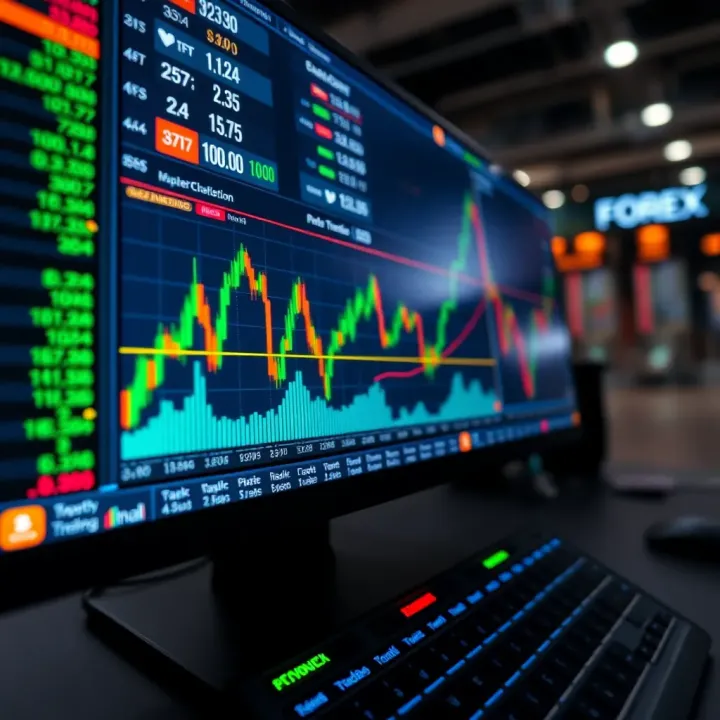
Learn how to pick the best forex trading platform in Nigeria 🇳🇬 for beginners! Compare top platforms, usability, costs, and security tips to trade confidently. 📈💰
Based on 7 reviews