

Best Time to Trade Forex in Nigeria
📈 Discover the best Forex trading times in Nigeria! Learn how global sessions and market moves impact your success for smarter trades. 💹🌍
Edited By
Chloe Armstrong
Successful forex trading in Nigeria depends heavily on having the right tools to make informed decisions and manage risks effectively. The Nigerian market presents unique challenges such as naira volatility, intermittent power supply, and fluctuating internet quality, all of which affect trading efficiency. Traders need to equip themselves with platforms, software, and resources tailored to these realities.
Firstly, a reliable trading platform is non-negotiable. Platforms like MetaTrader 4 (MT4) and MetaTrader 5 (MT5) remain popular due to their user-friendly interface and compatibility with most brokers operating in Nigeria. Local apps like Oanda and IG also provide access to forex markets with features designed for Nigerian users, including ease of funding via local banks and mobile money.
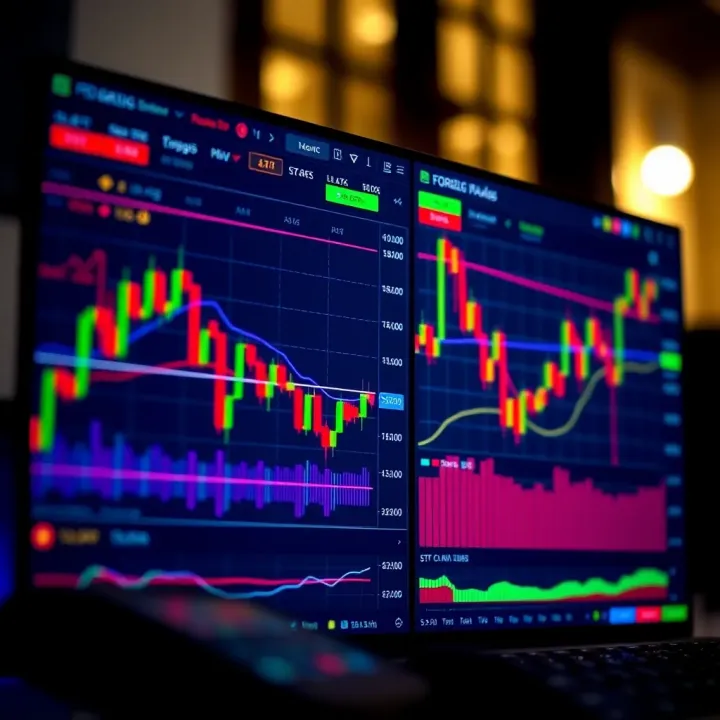
For analytical support, traders should use specialised charting and technical analysis software. Tools such as TradingView offer comprehensive charting options and real-time data, helping traders spot trends and make data-driven moves. This is crucial in Nigerian forex markets where sudden naira swings can catch the unprepared off guard.
Risk management is another key area. Using stop-loss and take-profit orders within trading platforms helps limit losses and lock in gains. Moreover, financial calculators for position sizing, margin, and pip value help traders understand exposure precisely. Nigerian traders often deal with smaller capital, making effective risk control vital for survival and growth.
Remember, no matter how good your trading strategy is, without the proper tools to implement it and control risk, your chances in the forex market can quickly evaporate.
Information resources designed for the Nigerian context also matter. Following updates from the Central Bank of Nigeria (CBN) on monetary policies, foreign exchange regulations, and market interventions can give traders the edge to anticipate market moves.
To sum up, successful forex trading in Nigeria involves combining:
Dependable trading platforms with local deposit and withdrawal options
Advanced charting and analysis tools matched to market dynamics
Solid risk management tools to protect capital
Up-to-date economic news and regulatory information
Equipping yourself with these essentials not only improves your trading accuracy but also shields your investments against Nigeria’s unique forex market risks.
Choosing the right trading platform is a critical step for forex traders in Nigeria. These platforms serve as the gateway to global currency markets, enabling you to execute trades, analyse market trends, and manage risk. A platform that offers speed, reliability, and useful features helps you make timely decisions and protect your capital, especially given the naira’s volatility and Nigeria's unique market dynamics.
MetaTrader 4 (MT4) and MetaTrader 5 (MT5) are the most popular trading platforms among Nigerian forex traders. MT4 is prized for its simplicity and speed, making it ideal for beginners. It offers automated trading through Expert Advisors (EAs), real-time charts, extensive technical indicators, and flexible order options. Many brokers in Nigeria still use MT4 because it runs smoothly even on low-end devices and slow internet connections.
On the other hand, MT5 builds on MT4 by adding more timeframes, advanced technical tools, and support for other asset classes like stocks and futures. It also includes an economic calendar and improved depth of market (DOM) features. Traders looking to diversify beyond forex or to use more sophisticated analysis often prefer MT5. Both platforms are accessible on desktop, web, and mobile, allowing Nigerians to trade at their convenience.
cTrader appeals to Nigerian traders who want a clean, user-friendly interface combined with powerful tools for technical analysis. It offers Level II pricing, which displays market depth to show liquidity beyond the best bid and ask prices. This can be a game-changer for those trading larger volumes or keen on scalp trading. Furthermore, cTrader supports algorithmic trading but through a more modern coding language (C#), attracting developers who want more flexibility than MT4’s MQL4.
Though primarily a charting and social trading platform, TradingView is highly popular in Nigeria for analysing potential trades before executing them elsewhere. It provides an intuitive layout, customisable charts, and access to global markets. Nigerian traders benefit from its comprehensive library of indicators, real-time data, and ability to share charts with the vibrant Nigerian trading community for collective insights. TradingView pairs well with brokers that don't have strong native charting tools.
Local platforms focussed on Nigerian traders often support deposits and withdrawals directly in naira, which helps avoid expensive currency conversions and delays common with foreign brokers. Some fintech companies and brokers are already providing NGN-powered trading apps integrated with Nigerian banks and mobile wallets like OPay or PalmPay. For instance, a trader using a local platform can fund their account with a bank transfer in naira and begin trading without worrying about FX costs or withdrawal complications. This convenience is particularly useful during ember months when forex liquidity dips and naira volatility spikes.
In summary, picking a trading platform tailored to your needs — whether it’s the worldwide acceptance of MetaTrader, the advanced features of cTrader, the analysis strength of TradingView, or the convenience of local NGN-supported platforms — sets the foundation for successful forex trading in Nigeria.
Analytical tools are essential to navigate the complex forex market efficiently, especially in Nigeria where currency fluctuations can be quite volatile. They help traders make informed decisions by analysing past and current data to predict future price movements. Whether you rely on charts or economic news, these tools form the backbone of successful trading.
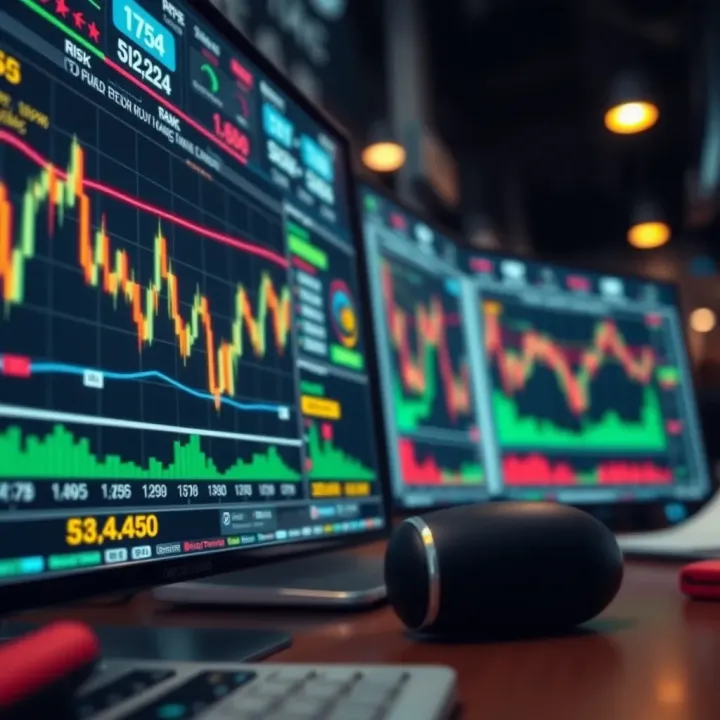
Moving Averages give you a clear view of price trends over a set period, smoothing out day-to-day fluctuations. For example, using a 50-day moving average can help traders spot if the naira-dollar exchange rate is generally trending upwards or downwards. This simplifies decision-making by highlighting whether to enter or exit trades.
Relative Strength Index (RSI) is a momentum indicator that shows whether a currency is overbought or oversold. If the RSI reading goes above 70, it suggests the asset might be overpriced and due for a correction. Conversely, an RSI below 30 indicates undervaluation. For Nigerian traders watching pairs like USD/NGN, RSI can highlight when to anticipate reversals.
Bollinger Bands track market volatility by placing bands around a moving average. When the bands contract, it means low volatility and a possible upcoming breakout. If the price touches the upper band, it may be overbought; hitting the lower band could signal oversold conditions. Such insight helps prevent surprises in the forex market, allowing traders to time their entries better.
Accessing Economic Calendars is vital for Nigerian traders to track upcoming economic events—like inflation reports or central bank meetings—that influence forex prices globally and locally. Knowing the dates and times of these announcements helps avoid sudden losses and take advantage of market moves.
Monitoring CBN Announcements keeps traders informed about interest rate changes, foreign reserve status, and exchange rate policies. The Central Bank of Nigeria’s decisions directly impact the naira’s stability and trading conditions, so staying updated is crucial.
Nigerian Economic Indicators Impact includes understanding data such as inflation rate, GDP growth, and trade balance. For instance, if inflation spikes, the naira tends to weaken, affecting forex pairs involving NGN. Traders who follow these indicators can better anticipate market trends and adjust strategies accordingly.
In forex trading, combining technical indicators with fundamental insights provides a more rounded approach. Especially in Nigeria's dynamic market, analytical tools help you stay a step ahead and manage risks effectively.
By mastering these analytical resources, you refine your trading strategy and improve the chances of securing profit amid Nigeria's forex market swings.
Managing risk is essential in forex trading, especially in Nigeria’s volatile market environment where currency swings and economic shifts can catch traders off guard. Risk management tools help you protect your capital, avoid heavy losses, and trade more confidently. Without solid strategies, even the most skilled traders can find themselves wiping out their accounts.
Stop loss and take profit orders are simple yet powerful tools that limit losses and secure profits automatically. A stop loss order closes your trade if the price moves against you by a set amount, preventing endless losses when the market goes haywire. On the flip side, a take profit order locks in your gains by closing the position once it hits your target price. For instance, if you buy USD/NGN at ₦460 and set a stop loss at ₦455, your position will close automatically if the naira strengthens too much, limiting your loss.
This automation removes the need to constantly watch the market, which is handy given Nigeria’s frequent power and internet disruptions. Many Nigerian traders use these orders on platforms like MetaTrader or cTrader to keep losses manageable, especially during high-impact news days where the Central Bank of Nigeria (CBN) announcements can send sudden ripples through the forex market.
Understanding how much to risk on each trade determines your survivability in the long run. Position sizing calculators help traders decide the exact number of lots or units they can trade without risking too much of their account balance. For example, if you have ₦500,000 in your trading account and want to risk only 2% per trade, the calculator will tell you the maximum position size that matches this risk.
Good money management also involves setting clear rules — like never risking more than a specified portion of your capital on a single trade. This approach stops emotional overtrading and helps weather losing streaks without blowing your account. Nigerian traders should factor in the typical volatility of the NGN paired pairs alongside this, as naira fluctuations can be sharp during off-market hours or around key economic releases.
Trading forex is as much mental as it is technical. Without discipline and patience, traders often fall prey to impulsive decisions or panic selling. Psychological tools include journalling trades, setting clear goals, and practicing mindfulness techniques that help maintain emotional balance.
For example, keeping a trading journal forces you to review past successes and mistakes, fostering better decision-making. Also, using reminders to stick to your risk limits or recognising when to step away prevents emotional trades. Many Nigerian traders find that managing stress during the ember months or election cycles, periods known for market jitteriness, is critical for consistent performance.
Successful forex trading hinges as much on managing the mind as it does on mastering charts and platforms. Combining proper risk tools with strong psychology paves the way for steady growth, not just lucky wins.
In summary, employing stop loss and take profit orders, using position sizing calculators along with firm money management, and working on psychological discipline form the backbone of risk management strategies. Nigerian traders who apply these consistently stand a better chance of navigating the forex market reliably and protecting their hard-earned ₦ capital.
Trading forex in Nigeria often means managing your investments amid busy days, traffic jams, and unpredictable power supply. Mobile tools and apps bring critical convenience, allowing you to monitor markets, execute trades, and manage positions from anywhere—be it in a danfo or at a roadside mama put. These portable solutions keep you connected to the market in real-time, reducing the risk of missing key opportunities or suffering unexpected losses.
Most leading forex platforms, such as MetaTrader 4 (MT4) and MetaTrader 5 (MT5), offer fully functional mobile apps compatible with Android and iOS. These versions retain core features like charting, indicators, and order placement, but are optimised for smaller screens and touch controls. For example, Nigerian traders appreciate being able to quickly glance at the USD/NGN pair on MT4 mobile during peak market hours without needing a laptop.
Other platforms like TradingView also provide mobile apps with advanced charting and social trading features. This enables traders to share insights and stay updated on sentiments, creating a community feel even when on the move.
Mobile trading apps often come with customisable alert systems designed to keep traders informed of price movements, economic releases, and trade executions instantly. Receiving notifications on breakouts or when stop loss levels trigger helps traders act fast, avoiding losses or locking in profits.
On-the-go alerts become particularly relevant in Nigeria, where sudden naira volatility can occur following CBN policy announcements or global events. Timely signals on your phone allow you to respond even from less reliable internet spots or during power outages with mobile data.
Successful forex trading isn’t just about market access; seamless transactions for deposits and withdrawals are key. Nigerian traders benefit when platforms support local payment methods, ensuring smooth fund movement.
USSD (Unstructured Supplementary Service Data) lets users perform banking transactions by dialling short codes from any mobile phone—no internet needed. For traders without constant data access, USSD provides a reliable way to fund trading accounts or withdraw profits. Codes like *389# for GTBank or *737 for Access Bank enable transfers directly from wallets or bank accounts to forex brokers offering this option.
Traditional bank transfers remain popular among Nigerian traders. Most forex brokers integrated with Nigerian banks support quick electronic transfers using Inter-Bank Settlement System (NIBSS). This method usually takes minutes to hours, depending on the bank. It's especially handy for large transactions beyond the limits of mobile wallets or USSD.
Mobile wallets have become a staple in Nigeria’s fintech scene. Platforms such as OPay and PalmPay allow traders to move funds instantly between wallets and brokers. These apps also offer extra features like bill payments, airtime purchase, and sometimes credit facilities.
Using mobile wallets adds flexibility, especially when bank branches or ATMs are out of reach. Traders can quickly top up accounts via their mobile phones to capture market moves without delays.
Mobile trading tools combined with Nigerian payment systems turn your smartphone into a powerful forex hub. Staying connected isn’t luxury; it’s a necessity for profitable trading in Nigeria’s fast-paced market.
Learning is a major pillar for anyone serious about forex trading. For Nigerian traders, access to well-structured educational materials and community backing plays a big role in sharpening skills and avoiding costly mistakes. Without proper guidance, it's easy to get lost in the complexities of the forex market or fall prey to scams, which are unfortunately common.
There are several online courses tailored specifically for Nigerian traders, offering step-by-step guides on forex basics, technical analysis, and trading psychology. Platforms like Udemy, Coursera, and local training providers offer affordable classes, sometimes in partnership with Nigerian fintech firms. Practical tutorials watch over real-time market scenarios, helping traders build confidence before risking real money. Enrolling in these courses offers a structured learning path that covers everything from setting up trading accounts to mastering indicators like RSI or moving averages.
Trading forums and social media groups can be invaluable for Nigerian forex traders. Spaces like the Forex Traders Nigeria Facebook group or WhatsApp clusters serve as hubs for sharing market insights, tips, broker reviews, and instant updates on market events. Community members often share real-world experiences about local challenges such as NGN liquidity issues or payment delays. These interactive platforms also provide an opportunity to connect with experienced traders who can offer mentorship or feedback, which is hard to get elsewhere.
The Securities and Exchange Commission (SEC Nigeria) oversees investment markets to protect traders and investors from fraud and unethical practices. SEC registration remains a significant criterion when selecting a forex broker or trading platform. Working with SEC-registered brokers ensures that the firm follows local rules on capital adequacy, disclosure, and client fund segregation, reducing the risk of loss through malpractice. Additionally, SEC periodically issues warnings about unlicensed operators, which is crucial knowledge for Nigerian traders to avoid get-rich-quick schemes.
The Central Bank of Nigeria (CBN) sets monetary policies that indirectly affect forex trading. Their foreign exchange regulations, such as authorised dealers and official rates, shape how easy or difficult it is to convert NGN to foreign currencies for trading. Traders should keep an eye on CBN announcements regarding FX policies because sudden changes can affect liquidity and trading costs. Furthermore, understanding CBN’s stance on capital flows helps in selecting payment methods that align with local banking rules, preventing deposit or withdrawal glitches.
Access to credible education and regulatory awareness can be the difference between consistent profit and costly errors in Nigerian forex trading.
Supporting your trading with reliable educational resources and community engagement strengthens your market approach and compliance. These tools help you navigate Nigeria’s unique forex market environment confidently and safely.
📈 Discover the best Forex trading times in Nigeria! Learn how global sessions and market moves impact your success for smarter trades. 💹🌍
📊 Find the best forex trading platform in Nigeria! Learn about security, fees, tools, and user experience to trade smart and avoid common risks.
Discover effective forex trading strategies 🇳🇬 tailored for Nigerian traders, focusing on risk management, analysis methods, and disciplined trading tips 📈💡.
Discover top forex trading tips, strategies, and platforms tailored for Nigerian traders 🇳🇬. Manage risks and trade smarter in today’s market 📈💡.
Based on 10 reviews