

Crypto Trading Guide for Beginners in Nigeria
📊 Dive into crypto trading with our detailed guide! Learn key strategies, tools, risks, and regulations to trade smartly in Nigeria and beyond. 💡
Edited By
James Thornton
Crypto trading means buying and selling digital currencies like Bitcoin, Ethereum, and others with the aim of making profits. Unlike traditional stock trading, crypto trading happens on online platforms called exchanges, where values can rise or fall sharply within minutes. For Nigerians, this market offers a new way to grow wealth, but it comes with unique challenges like naira volatility and fluctuating internet access.
In practical terms, trading involves analysing price trends, understanding market sentiment, and acting fast. Traders often use tools and charts to follow price movements and decide when to buy low and sell high. For example, if Bitcoin is ₦20 million today and a trader predicts it will go up, they buy now hoping to sell later at a higher price. It’s not just about luck but learning the behaviour of cryptocurrencies and timing the market.

Crypto trading is not a quick rich scheme; like driving a keke napep through busy Lagos traffic, patience and skill matter.
Liquidity: This shows how easy it is to buy or sell a crypto asset without affecting its price much. Bitcoin and Ethereum have high liquidity, making them safer choices for beginners.
Volatility: Crypto prices can jump or drop suddenly. While this volatility can create profit opportunities, it also increases the risk of loss.
Wallets: To trade, you need a crypto wallet—an app or device to store your digital coins safely. Think of it like your barbing salon cash box, but online.
Exchange Platforms: Nigerians often use platforms like Luno, Binance, or local apps such as Yellow Card to trade crypto. Choosing a trustworthy platform is vital to avoid scams.
Crypto trading is gradually becoming part of Nigeria's financial ecosystem, encouraged by fintech growth despite regulatory uncertainties. It demands a good grasp of key terms and ongoing market monitoring. Approaching it with clear goals and understanding can help you turn this new market into a solid income stream.
With this background, the next sections will cover essential terms, strategies, and local tips so you can trade effectively and safely.
Understanding the basics of crypto trading is essential for anyone interested in making money from digital currencies. It sets the foundation for informed decision-making, helping you avoid costly mistakes and scams, especially in a Nigerian context where regulation is still evolving. Knowing these basics means you can better identify opportunities and risks in the crypto market.
Cryptocurrency is a type of digital money that uses cryptography for security, making it difficult to counterfeit. Unlike physical cash, these currencies exist entirely online. Popular examples include Bitcoin (BTC), which is often regarded as digital gold, Ethereum (ETH), known for its smart contract capabilities, and Binance Coin (BNB), used extensively on the Binance exchange platform.
Cryptocurrencies offer an alternative to traditional money by providing a decentralised form of payments and value storage. For instance, Nigerians can use Bitcoin to send and receive money across borders without the delay or cost of banks. This is a huge advantage in a country where foreign remittances can sometimes be slow or costly.
Unlike naira or dollars controlled by a central authority such as the Central Bank of Nigeria (CBN), cryptocurrencies operate on decentralised networks like blockchain. This means no single organisation or government sets the rules or controls the supply directly.
Traditional money is legal tender issued by governments and widely accepted for daily transactions. Crypto, on the other hand, is mostly accepted by businesses familiar with digital payments or used mainly for investment and trading purposes. In Nigeria, where cash still rules many transactions, cryptocurrency is gradually gaining ground but remains outside formal banking systems.
Crypto trading involves actively buying and selling digital currencies to make a profit. For example, a trader in Lagos might buy Bitcoin at ₦24 million and sell it a few days later at ₦26 million, capturing the difference as profit. This buying and selling typically happen on crypto exchanges where prices fluctuate constantly based on supply and demand.
Crypto trading is quite dynamic, often involving quick decisions to benefit from volatile price movements. It’s unlike just holding or "HODLing" coins for years in hope of long-term gains. Traders exploit short-term market changes to grow their assets faster.
While investing focuses on the long-term holding of cryptocurrencies to benefit from price appreciation or other uses like staking, trading zeroes in on short-term price movements. The trader’s goal is to buy low and sell high repeatedly, often within days or even hours.
For example, an investor may buy Ethereum and hold it for several years, trusting its technology will become widely used. A trader, however, could engage in daily or weekly trades, capitalising on market noise and trends to make profits. Knowing this distinction helps Nigerian newcomers match their approach with their risk tolerance and financial goals.
Knowing these fundamentals arms you with the right mindset and tools to begin crypto trading confidently, especially in Nigeria’s unique market environment where caution and understanding pay off.
Understanding how crypto trading operates is essential for Nigerians who want to engage in this fast-moving market with confidence. The process hinges on using exchanges where cryptocurrencies like Bitcoin and Ethereum are bought and sold, and traders apply different strategies based on market movement. Knowing how trading functions helps you manage risks, spot opportunities, and make smarter decisions.
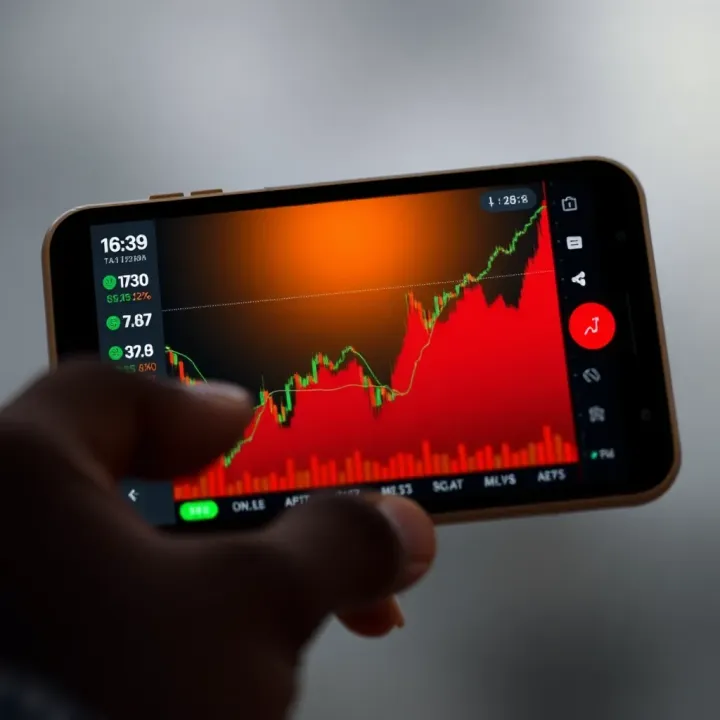
Nigerians have access to both local and international crypto exchanges. Popular platforms like Binance, Luno, and Quidax offer user-friendly interfaces and support direct funding with Nigerian Naira, which makes converting ₦ straightforward. On the global front, exchanges like Coinbase and Kraken have vast liquidity but might not provide easy naira deposit options. Choosing a platform with good security, reliable customer service, and access to the coins you want is vital.
Setting up an account typically involves registering with a valid email or phone number, verifying your identity using a Nigerian National Identification Number (NIN) or similar documents, and linking a bank account for easy deposits. Many platforms follow Know Your Customer (KYC) rules to comply with regulations, so having your BVN ready speeds up the verification. Once verified, you can fund your account either via bank transfer, USSD, or card payment, then begin trading.
Spot Trading is the simplest form, where you buy or sell cryptocurrencies immediately at the current market price. For instance, buying 0.1 Bitcoin with ₦5 million on Binance delivers ownership right away. This direct approach suits beginners and those wanting to hold coins or make quick profits from price swings.
Margin Trading and Leverage allow you to borrow funds to increase your trading position beyond what your capital permits. For example, with 10x leverage, ₦100,000 can control ₦1 million worth of crypto. While this can amplify profits, it also increases the risk of losses, so it requires experience and discipline to avoid margin calls or liquidation.
Futures and Derivatives contracts let traders speculate on crypto prices without owning the actual assets. Through futures, you can agree to buy or sell Bitcoin at a set price on a future date. This offers flexibility in hedging or profiting from market moves, but it also introduces complexity and greater risk, making it more suitable for advanced traders.
Day Trading involves buying and selling cryptocurrencies within the same day to capture short-term price movements. Nigerian traders keen on quick profits often use this method, but it demands constant market monitoring and quick reactions to avoid heavy losses.
Swing Trading takes advantage of price swings over several days or weeks. For example, a trader might buy Ethereum during a short-term dip and sell when the price recovers. It requires patience and basic technical analysis but is less stressful than day trading.
HODLing is a long-term strategy where traders buy and keep crypto assets despite market volatility, expecting value to rise significantly over months or years. This approach suits Nigerians who see cryptocurrencies as a store of value or hedge against naira depreciation.
For any Nigerian interested in crypto trading, understanding these mechanisms and strategies not only sharpens your edge but also keeps you aware of the risks amidst volatile markets.
In crypto trading, knowing the right terms and tools saves you from costly mistakes. These basics form the foundation for making smart decisions and understanding market movements clearly. Without grasping key vocabulary and mastering essential tools, you might struggle to trade confidently or protect your assets.
Wallets, private keys, and public addresses form the backbone of crypto ownership and transactions. A wallet is like your digital bank account where you store cryptocurrencies. However, unlike bank accounts, wallets come with private keys — secret codes that prove only you control the crypto within. Losing your private key is the same as losing your money; no one can retrieve it for you.
Every wallet has a public address, much like a bank account number, which you can share to receive funds. For example, if you want to receive Bitcoin, you share your Bitcoin wallet’s public address with the sender. Always safeguard your private keys and never share them, even if someone claims to be your broker or exchange support.
Order types: limit, market, and stop-loss are crucial for controlling how and when your trades execute. A market order means you buy or sell immediately at current prices. A limit order lets you set a specific price to buy or sell — it only executes if the market reaches that price.
A stop-loss order acts like a safety net. Say you buy Ethereum at ₦1,400,000 and set a stop-loss at ₦1,300,000; the system automatically sells if the price falls to ₦1,300,000, limiting your loss. Using these orders wisely helps manage risk and prevent emotional trading decisions.
Reading candlestick charts is one of the most practical ways to understand price action quickly. Each candlestick shows price movement in a set time — it includes open, close, high, and low prices, forming shapes that traders interpret for trends or reversals. For example, a candlestick with a small body and long upper wick might show sellers pushing prices down after an initial surge.
Technical indicators basics help sharpen your market analysis. Indicators like the Relative Strength Index (RSI) or Moving Averages smooth out price data to indicate momentum or trend direction. Nigerian traders often use RSI to identify overbought or oversold conditions — when the value crosses certain thresholds, it may signal a good time to buy or sell.
Using these tools, paired with chart reading skills, gives you a clearer picture of when to enter or exit trades. They don’t guarantee profits but reduce guesswork and help you make decisions based on data, not hearsay.
Mastering key terms and tools isn’t just about knowing definitions; it’s about applying them strategically in your trading routine to protect your investments and seize opportunities.
Crypto trading comes with its own set of risks that every Nigerian trader must understand. These challenges can affect profitability and security, so knowing how to manage them is vital. This section covers market volatility, security concerns, and the regulatory landscape in Nigeria.
The crypto market is famous for its wild price swings. For example, Bitcoin’s price can jump or drop by double-digit percentages within a single day. This high volatility means profits can be significant, but losses can come just as fast. In Nigeria, where naira exchange rates fluctuate and inflation is often high, crypto prices can react unpredictably. Traders must be ready for sudden market moves and should avoid risking more than they can afford to lose.
Security threats are a major worry in crypto trading. Hacks on exchanges or wallets can wipe out funds quickly, as seen with the attacks on global platforms like Binance or smaller local exchanges. Scams like fake investment schemes or phishing attempts also target Nigerians eager to jump into crypto. These fraudsters often pose as trusted entities offering quick profits but disappear with deposits.
To protect your assets, use wallets with strong security features and enable two-factor authentication (2FA) on all trading platforms. Hardware wallets, which store private keys offline, provide extra safety compared to online or mobile wallets. It’s also wise to avoid clicking links from unknown sources or giving out private keys to anyone. Regularly updating passwords and separating trading and storage wallets helps reduce risk.
The Central Bank of Nigeria (CBN) has taken a cautious approach to cryptocurrencies. Since 2021, the CBN banned banks from facilitating crypto transactions, which limits easy access to trading through Nigerian bank accounts. This policy affects liquidity and forces traders to use peer-to-peer platforms or crypto-friendly fintech like Binance P2P or Quidax.
Despite the CBN’s directive, crypto trading is not illegal in Nigeria, but it occupies a grey area without clear legal protections. Traders must understand that the government has not licensed crypto or imposed specific regulations on ownership or trading activities. This lack of regulation means traders have limited recourse if things go wrong, so extra caution is needed. Staying updated on government announcements can help avoid surprises.
Traders in Nigeria must balance the lure of crypto profits with a clear-eyed understanding of the risks involved — from volatile markets to security threats and uncertain regulations.
Knowing practical tips is vital for Nigerians stepping into crypto trading. Local conditions like fluctuating naira rates and evolving regulations shape the market differently compared to global settings. These pointers help you avoid common pitfalls and manage your assets wisely.
Local options like Binance, Luno, and Quidax offer user-friendly platforms tailored for Nigerians, allowing easy deposits and withdrawals in naira. These exchanges have built trust by complying with Nigerian financial rules and providing support suited to local challenges. For example, Binance’s P2P feature helps traders bypass some banking restrictions by connecting buyers and sellers directly.
Keeping your assets safe is not negotiable. Use wallets that give you full control over private keys to reduce hacking risks. Hardware wallets, like Ledger or Trezor, are more secure than keeping crypto on exchanges alone. Also, enable two-factor authentication (2FA) on your account to add an extra layer of defence against unauthorised access.
Start small and learn gradually. The crypto market’s volatility can be harsh on beginners who place large sums upfront. Begin with small trades to understand how prices move daily and get comfortable with your chosen platforms. This approach helps you build confidence without risking ₦100,000 or more at once, which might hurt if things go south.
Avoid following hype blindly. Social media and messaging groups often spread buzz about coins promising huge returns. Jumping in without research usually ends badly. Instead, base decisions on solid analysis or advice from trusted sources. Remember, if a deal sounds too good to be true, it probably is.
Funding accounts with bank transfers and USSD is convenient for many Nigerians. Most exchanges accept Naira deposits via bank transfers or USSD codes, making it easy to move money without visiting bank branches. For instance, Quidax supports direct bank payments, which speeds up transactions and avoids currency conversion hassles.
Dealing with naira volatility requires strategic planning. Since the naira exchange rate can swing unexpectedly, some traders prefer converting to stablecoins like USDT to protect their funds during market fluctuations. Keeping part of your holdings in stablecoins balances exposure and reduces risks during periods of high naira instability.
Taking these practical steps seriously improves your chances of success in Nigeria’s crypto market. By choosing reliable platforms, protecting your assets, managing risks carefully, and using local payment methods wisely, you set a solid foundation for profitable trading.
📊 Dive into crypto trading with our detailed guide! Learn key strategies, tools, risks, and regulations to trade smartly in Nigeria and beyond. 💡
📈 A hands-on guide for Nigerians on crypto trading: learn how to pick exchanges, smart trading strategies, risk management, and stay compliant with local rules.
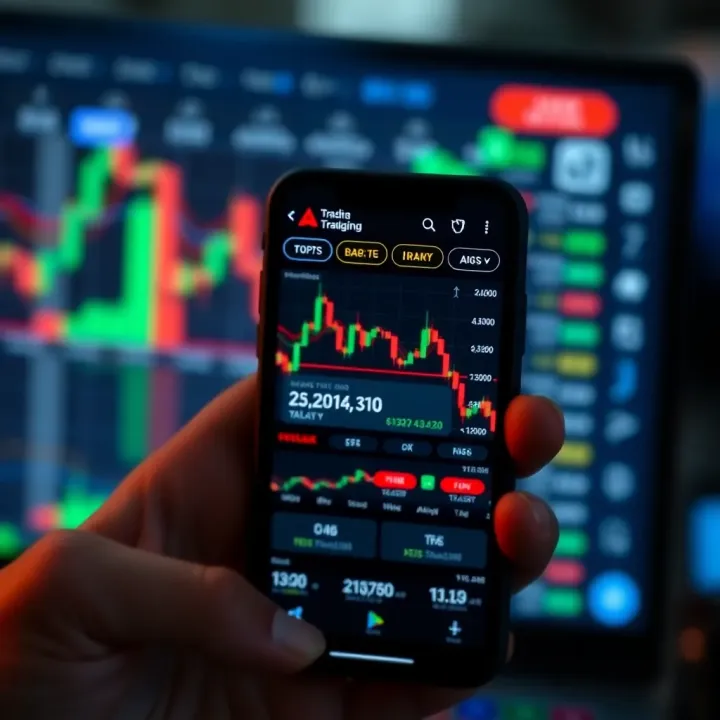
Discover the best trading app for Nigeria 🇳🇬 with tips on fees, security, features, and smart choices to fit your trading style and boost your investing success 📈
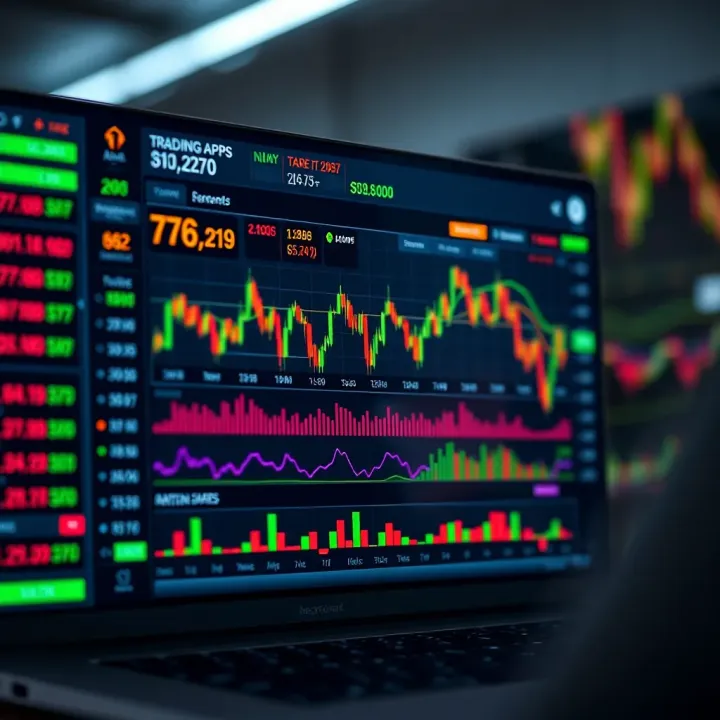
Explore Nigeria's top trading apps 📈, comparing their features, security 🔒, fees 💰, and ease of use to help you trade smarter and safer.
Based on 12 reviews