
Forex Trading in the USA: Guide for Nigerian Traders
Learn how Nigerian traders can navigate the USA forex market with key tips on regulations, brokers, tax rules, and profitable trading strategies 📊💱🇺🇸
Edited By
Amelia Hughes
Chart forex trading offers a clear path to understanding the foreign exchange (forex) market by focusing on price movements shown through charts. For Nigerian traders navigating the volatile ₦/US$ exchange rate and global market shifts, mastering chart analysis can sharpen decision-making and improve profits.
Price charts display historical data visually, helping traders spot trends, reversals, and key price levels at a glance. Unlike fundamental analysis, which reviews economic indicators and geopolitical events, chart trading emphasises patterns and market psychology, essential tools in fast-moving scenarios like those caused by naira fluctuations or CBN policies.
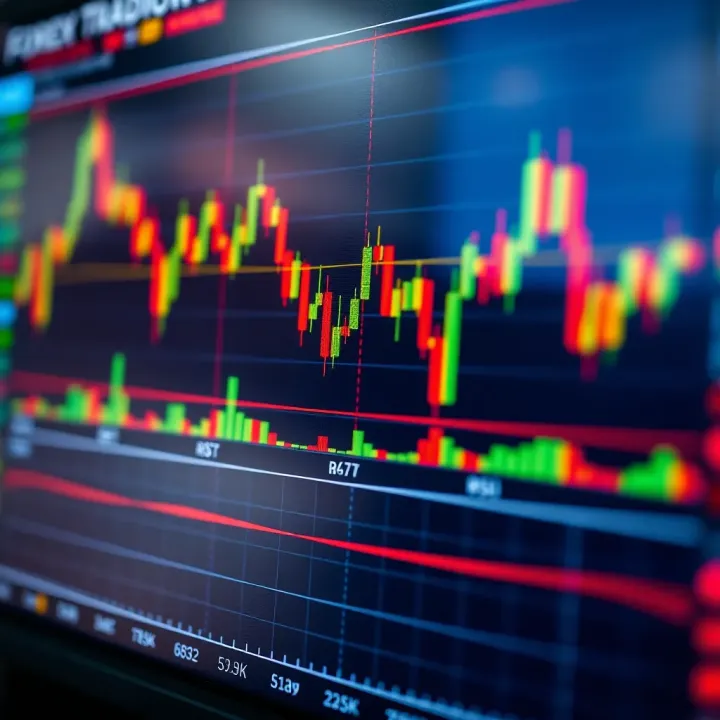
Key chart types to know include:
Line charts: Simple, showing closing prices over time for a quick market snapshot.
Bar charts: Provide open, high, low, and close (OHLC) prices, offering richer information about trading sessions.
Candlestick charts: Popular for their visual clarity, each candlestick reflects OHLC prices and market sentiment within specified intervals.
Choosing the right chart depends on your trading style and time frame. Day traders often prefer candlesticks for their detail, while longer-term investors might rely on line charts for overall trends.
For Nigerian traders, understanding these charts alongside market context — such as local economic reports or policy announcements — is crucial. For instance, sudden naira devaluation announcements usually reflect promptly in currency charts, providing trading signals.
Reading charts well is less about guessing and more about recognising how market participants behave under different conditions.
To start practical chart trading, familiarize yourself with common indicators like Moving Averages, Relative Strength Index (RSI), and Bollinger Bands. These tools help identify momentum, overbought or oversold conditions, and price volatility.
In the next sections, you will find detailed explanations of these chart types, indicators, and actionable strategies tailored for Nigerian traders who want to trade forex with confidence and practical insight.
Understanding chart forex trading enables you to respond quickly to market changes, protect your capital, and systematically build your trading skills in Nigeria’s dynamic market environment.
Getting a solid grip on forex price charts is essential for any trader serious about making informed decisions. These charts condense complex market data into visual formats that help predict where prices might head next. Without understanding these visuals, you’d be trading blind, especially in Nigeria’s often volatile forex market where quick decisions matter.
Line charts offer the simplest view, plotting just the closing price over a period. For example, if you look at the daily closing price of the USD/NGN pair for a month, a line chart connects those dots to show the general trend. Although it lacks detail about intraday highs and lows, it's a good starting point for beginners who want a clean snapshot of overall price direction.
Bar charts, unlike line charts, provide more detail by showing the open, high, low, and close (OHLC) price for each trading period. Imagine you’re monitoring the EUR/USD pair; the bar chart shows the daily price range and whether the price closed higher or lower than it opened. This detail helps traders spot volatility and potential reversals better, which is handy during periods of political announcements or CBN policy changes impacting the market.
Candlestick charts combine the benefits of bar charts with easy visual cues. Each candlestick shows the OHLC prices, but with a filled or hollow body indicating bullish or bearish movement. Nigerian traders often prefer these charts because patterns like doji or engulfing candles signal potential market reversals or continuation, helping to spot opportunities even during sharp market swings caused by factors like oil price shifts or election jitters.
Price movements and trends are clearly visible on these charts and are the backbone of technical analysis. For instance, if the USD/NGN pair consistently forms higher highs and higher lows on the candlestick chart, it signals an uptrend, pointing traders to consider buying. Recognising these trends helps avoid going against the market, which is a common trap among new Nigerian traders during unstable periods.
Support and resistance levels act like invisible walls where prices tend to pause or reverse. Say the GBP/USD rate repeatedly drops near 1.30 but doesn’t fall below it—that 1.30 mark is a support level. Conversely, if it struggles to rise above 1.40, that's resistance. Identifying these levels on charts allows traders to time entries and exits better, especially when markets react to news like CBN’s monetary policy announcements.
Timeframes in chart analysis mean looking at different periods on charts, like minutes, hours, days, or weeks. A trader might check a 15-minute chart for short-term trades but also glance at daily charts to grasp the bigger picture. This multi-timeframe approach helps Nigerian traders adapt to fast market moves, such as those during ember months when forex volumes and volatility tend to spike.
Understanding these chart types and market behaviours equips you to navigate Nigeria’s dynamic forex market confidently. It throws light on when to enter or exit trades, helping avoid costly mistakes in an unpredictable environment.
Technical indicators stand as essential tools for traders looking to make sense of price movements in the forex market. They help break down raw chart data into understandable signals, guiding traders on when to enter or exit trades. For Nigerian traders, mastering these indicators can save time and reduce the guesswork in volatile market conditions, such as those driven by global economic news or local events.
Moving averages smooth out price data to identify trends over a specific period. The two common types are the simple moving average (SMA) and the exponential moving average (EMA). For example, Nigerian traders often watch the 50-day and 200-day moving averages to spot medium- to long-term trends in currency pairs like USD/NGN. When the short-term average crosses above the long-term one, it can signal the start of an upward trend. This indicator helps cut through the noise, especially in markets where news can cause sudden moves.
RSI measures the speed and change of price movements to pinpoint overbought or oversold conditions. It oscillates between 0 and 100, with readings above 70 indicating overbought assets and below 30 pointing to oversold ones. For instance, if the EUR/USD pair’s RSI hits 75, it might suggest the price will pull back soon, giving Nigerian traders a cue to consider selling or taking profits. RSI is particularly effective during sideways markets, helping avoid premature entries.
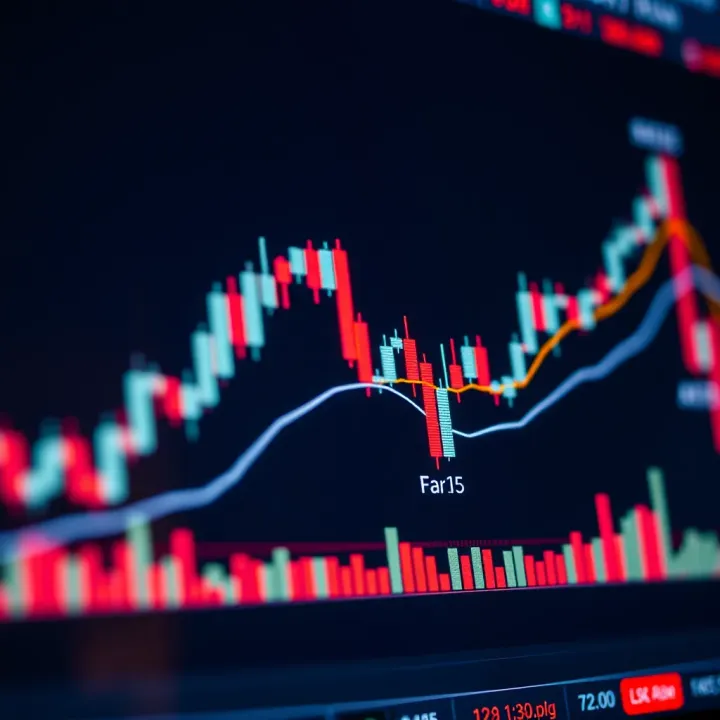
Bollinger Bands consist of a middle moving average lined by upper and lower bands reflecting price volatility. When the bands contract, it indicates low volatility, often preceding a price breakout. Nigerian traders using the GBP/USD pair may watch these bands to time entry points just before big moves, adopting either breakout or reversal strategies. Since markets in Nigeria can have bursts of volatility around economic releases, Bollinger Bands offer a practical way to anticipate such shifts.
MACD shows the relationship between two moving averages, highlighting momentum changes. By subtracting the 26-day EMA from the 12-day EMA, traders get the MACD line, which they compare with a 9-day signal line. Crossovers signal potential buying or selling moments. For example, if the MACD crosses above the signal line on USD/JPY charts, it might indicate bullish momentum. Nigerian traders rely on MACD to confirm trend strength and spot reversals in both trending and range-bound markets.
Using multiple indicators together helps Nigerian traders confirm trends and reduce false alarms. For example, a trader might combine the RSI with moving averages: if the RSI signals oversold conditions and the price touches a key moving average support, the case for a buy strengthens. This layered confirmation builds confidence before committing capital.
Avoiding false signals is critical, especially in markets prone to sudden swings like the forex scene in Nigeria. Relying on just one indicator often led traders astray, but combining tools like MACD and Bollinger Bands can filter out noise. If the MACD shows bullish momentum but Bollinger Bands stay narrow with no breakout, a trader might hold off rather than rush into a trade.
Setting indicator parameters should align with your trading style. A scalper might use shorter periods for moving averages and RSI to catch quick moves, while a swing trader could prefer longer periods for steadier signals. Adjusting these parameters helps adapt popular indicators to the rhythm of the Nigerian forex market, balancing sensitivity with reliability.
Technical indicators are guides, not guarantees. Using them thoughtfully in combination allows you to read the market better and make informed decisions suited to Nigeria’s trading environment.
In short, key technical indicators like moving averages, RSI, Bollinger Bands, and MACD provide Nigerian forex traders with practical, actionable insights. Learning to combine and customise these tools sharpens your market edge, whether you are trading USD/NGN, EUR/USD, or other pairs relevant to your portfolio.
Trading forex with charts gives you a clearer view of how prices move, helping to decide when to enter or exit the market. Solid strategies based on chart patterns and indicators can reduce guesswork and increase your chances of making profitable trades. Nigerian traders especially benefit when they apply methods suited to the market’s unique volatility and economic shifts.
Identifying and trading trends involves spotting the general direction in which a currency pair is moving—either upwards, downwards, or sideways. For example, if the price of USD/NGN consistently forms higher highs and higher lows, it indicates an uptrend. Following the trend means making trades aligned with this direction, which often reduces risk compared to fighting against the market’s flow.
Using moving averages and trend lines helps confirm trends and signal entry points. A simple moving average (SMA) smoothens price data, showing if prices are generally rising or falling over a set period. Traders often draw trend lines connecting significant peaks or troughs on the chart to visually assess momentum. For instance, when a short-term SMA crosses above a long-term SMA, it can signal a strong buying opportunity. This approach suits Nigerian traders who want practical tools that don’t rely solely on gut feeling.
Spotting consolidation phases is about recognising periods when prices move within a tight range without a clear trend, such as USD/NGN trading steadily between ₦410 and ₦415 for several days. These phases often precede major movements. Learning to spot them allows traders to prepare for potential breakouts or reversals.
Trading breakouts and reversals means taking positions when the price exits these tight ranges. For example, if USD/NGN breaks above ₦415 with strong volume, it may continue rising—an opportunity to go long. Conversely, if it fails to break out and reverses downward, traders can short the pair. Effective breakout trading requires waiting for confirmation to reduce false signals, a common trap for many beginners.
Considering market volatility is crucial due to factors like naira fluctuations, fuel scarcity impacts, and periods of political uncertainty, which cause sharp price swings. Traders should adjust their stop-loss and take-profit levels wider during high volatility to avoid being stopped out prematurely. For example, trading around election seasons requires extra caution because sudden price shifts are common.
Adapting strategies to news events and economic data is vital since reports like inflation data or CBN policy decisions affect forex markets quickly. Nigerian traders who track scheduled releases, such as the Central Bank’s monetary policy announcements, can avoid getting caught on the wrong side. Sometimes sitting out before key news prevents losses; other times, traders might exploit expected movements by entering positions just as trends begin.
Successful chart-based forex trading in Nigeria depends on combining solid strategy with an awareness of local market rhythms, financial news, and economic realities. This boosts confidence and sharpens trading decisions.
Use trend lines and moving averages to ride clear market trends.
Watch consolidation periods closely to anticipate profitable breakouts.
Adjust strategies to Nigeria’s volatile conditions and economic events.
These approaches bring structure to your trading and help you avoid emotional decisions in a market that can at times feel as unpredictable as Lagos traffic during rush hour.
Managing risk is a fundamental part of trading forex using charts, especially in Nigeria’s often volatile market. Traders who overlook risk control end up wiping out their capital before steady profits can build. Chart-based risk management helps you make decisions backed by price data, reducing guesswork and emotional errors.
A stop-loss order limits your loss by automatically closing a trade once the price hits a certain level. On forex charts, ideal stop-loss points often sit just beyond significant support or resistance levels. For instance, if you buy USD/NGN near a support level at 460, setting a stop-loss slightly below this, say 458, gives your trade some breathing space while protecting your funds.
Choosing the right stop-loss is a balance between avoiding premature exits and limiting potential loss. Nigerian traders must consider typical daily price swings, which can be quite wide due to local and global economic factors, to avoid getting stopped out unnecessarily.
Take-profit points are prices where you close a trade to lock in gains. Chart analysis identifies resistance levels or prior highs as logical targets. Suppose you entered a sell position on EUR/USD around 1.1200 after spotting a resistance level. Setting take-profit near 1.1100, where price bounced before, can maximise profits.
Using chart levels for take-profit ensures your gains align with realistic price movements seen in past patterns. It avoids the trap of greed, where you hold on too long and lose gains when the market reverses.
Position sizing means deciding how much of your capital to risk on each trade. A common rule is risking no more than 1–2% of your trading account per trade. So, if you have ₦500,000, your acceptable loss per trade should not exceed ₦5,000 to ₦10,000.
To put this into practice, if your stop-loss distance from entry is 50 pips, you calculate the lot size that corresponds to a ₦5,000 loss at that distance. This method keeps losses manageable and allows you to trade multiple times without wiping your account.
Nigerian forex markets can be highly volatile, especially during periods of political uncertainty or important economic announcements. Overexposure means risking too much capital when prices can swing widely, increasing the chance of large losses.
Adjusting position size downward during such times helps protect your funds. For example, if regular trades involve 0.1 lot, lowering to 0.05 lot during the ember months or currency policy changes reduces your risk. Discipline in this regard is essential; it prevents reckless moves when the market feels unpredictable.
Managing risk with chart-based tools is not just for preserving capital; it structures your trading to survive bad runs and seize profitable setups reliably.
Properly setting stop-loss and take-profit points, combined with careful position sizing, forms the backbone of successful forex chart trading for Nigerian traders. Consistent application of these techniques can make a significant difference over time, especially amid the ups and downs of the naira forex space.
In forex trading, steering clear of common mistakes saves both time and capital. Nigerian traders especially face unique challenges like market volatility, irregular data flow, and emotional stress. Understanding frequent pitfalls helps build steady habits and boosts chances of success.
One major trap is overtrading—entering too many trades without clear signals. This usually happens when traders chase losses or try to catch every market move, often fueled by emotions like fear or greed. For instance, a trader who losses ₦50,000 might immediately jump into another position, hoping to recover quickly, but ends up losing more. This behaviour drains the capital fast and clouds judgement.
Emotional trading also leads to impulsive decisions, ignoring the analysis charts provide. In Nigeria, factors like engine power cuts and news cycles can raise anxiety, tempting traders to react hastily. Keeping calm and sticking to your plan prevents such costly mistakes.
Risk management isn’t optional in forex trading—it’s a lifeline. Some traders overlook setting stop-loss orders or risk too much on a single trade, hoping for big returns. For example, risking ₦100,000 on a single trade when your entire capital is ₦500,000 exposes you to huge loss on one bad move.
Failing to manage risk properly can wipe out accounts within hours, especially during volatile times linked to geopolitical events or CBN monetary policy announcements. Smart traders determine their risk per trade, often no more than 1-2% of total capital, to preserve funds for the long haul.
Documenting every trade sharpens your awareness of patterns and errors. A journal details entry points, reasons for trading, emotions felt, and outcomes. Such records reveal weaknesses—you might discover you trade impulsively after receiving market news, for example.
Many Nigerian traders who keep journals find improvement in discipline and profits. It also aids reflection during ember months when market swings can be extensive. Without a journal, traders risk repeating bad habits unknowingly.
In forex, mixing strategies mid-way or chasing “hot tips” often backfires. Sticking with well-researched and tested strategies helps maintain consistency. For instance, if you rely on moving averages combined with RSI signals, avoid adding random indicators every week.
Discipline to follow your tested plan avoids the frustration that comes with jumping from one method to another. Consistency builds confidence and lets you measure real trading progress rather than chasing quick wins.
Smart chart forex trading demands more than technical expertise; it requires discipline that shields you from costly mistakes and emotional roller-coasters.
Avoiding these pitfalls will improve your trading journey and help you grow steadily even during uncertain conditions typical in Nigerian markets.
Learn how Nigerian traders can navigate the USA forex market with key tips on regulations, brokers, tax rules, and profitable trading strategies 📊💱🇺🇸
🌍 Discover forex trading in the UK from a Nigerian trader’s stance. Learn how Brexit affects markets, pick trusted brokers, master smart strategies, and protect your ₦ funds safely.
🤔 Wondering if forex trading is just gambling? Learn how strategy, knowledge, and risk management set Nigerian traders apart from chance in the forex market. ₦
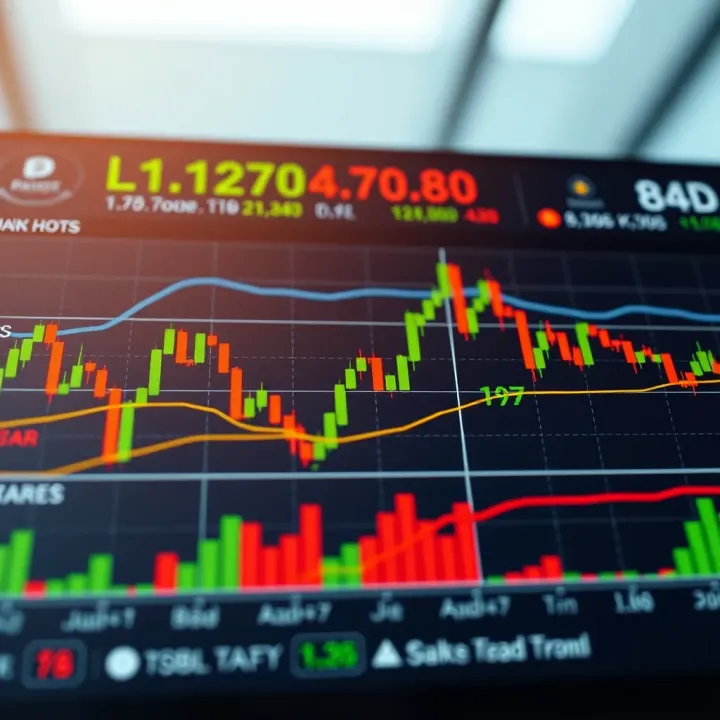
📊 Master forex trading in Nigeria with a strong plan. Learn to set goals, handle risks, develop strategies, and adjust for local market vibes. Trade smarter with confidence.
Based on 15 reviews