
Complete Guide to Candlestick Patterns with PDFs
📊 Master candlestick patterns with our detailed guide! Learn to read charts, spot trends, and access handy PDF resources for practical trading skills.
Edited By
Emily Carter
Candlestick patterns have become a key tool for traders and investors worldwide, and Nigeria is no exception. These patterns provide visual clues about price movements on charts, helping you make more informed decisions on the Nigerian Stock Exchange (NGX) and other markets.
At its core, a candlestick chart shows price data for a specific period using candlestick-shaped bars. Each 'candle' displays the opening, closing, high, and low prices. Recognising the shape and formation of these candles can hint at upcoming market direction—whether prices may rise, fall, or stay sideways.
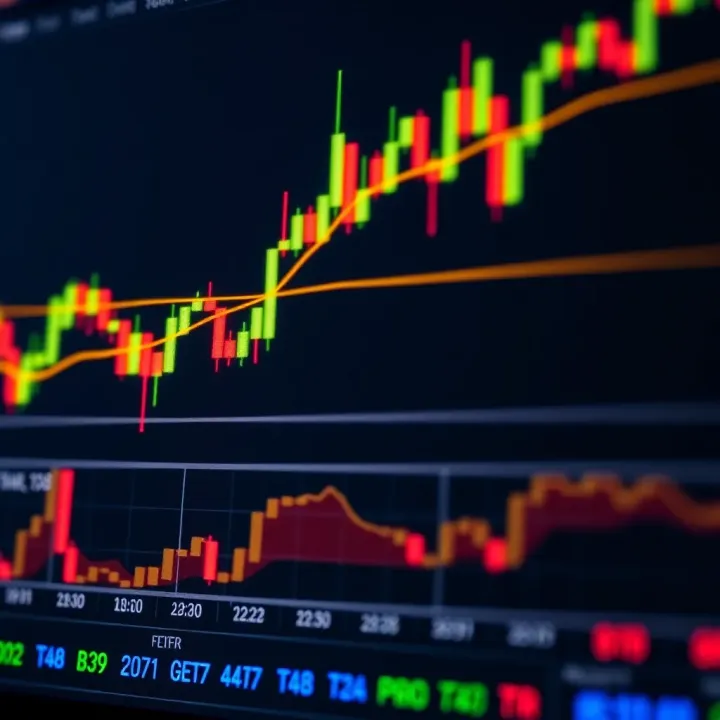
Why does this matter? Because understanding candlestick patterns can improve your timing when buying or selling shares, forex, or commodities. For example, spotting a 'Hammer' pattern after a price drop might suggest a potential reversal upwards. Meanwhile, the 'Shooting Star' signals possible selling pressure after an uptrend.
Mastering these patterns helps reduce guesswork. It builds your confidence, especially for trading strategies based on technical analysis rather than rumours or hearsay.
If you're new to this, several free PDF guides are available from reputable platforms like Investopedia and BabyPips. These resources often include detailed explanations with clear charts to practice identifying patterns.
Here’s a quick list of widely recognised candlestick patterns to start with:
Bullish Engulfing: Indicates strong buying interest after a downtrend.
Bearish Engulfing: Signals a possible downturn following an uptrend.
Doji: Shows market indecision, often a pause before trend continuation or reversal.
Morning Star and Evening Star: Powerful signals for trend reversal.
Applying these patterns requires more than memorisation. Consider volume trends, market news, and your overall trading plan. Combining candlestick signals with other technical tools like moving averages or RSI adds extra confirmation.
This guide will take you through practical tips on using candlestick patterns effectively, and show where to get free PDF downloads tailored for Nigerian markets. It’s time to sharpen your investment decision tools and trade smarter.
Candlestick charts are essential tools that give traders a clear visual of price action over specific periods. In various Nigerian and international markets, such charts provide detailed snapshots that go beyond mere numbers, revealing the market’s mood and direction. For example, on the Nigerian Stock Exchange (NGX), a candlestick chart might show how an oil company's share price reacts during economic changes, presenting opportunities that line or bar charts might miss.
A candlestick summarises price data for a given time frame — it shows the opening and closing prices, plus the highs and lows. The 'body' of each candlestick visualises the range between opening and closing prices, while the 'wicks' (or shadows) depict the intraday highs and lows. For traders, understanding these components is crucial. For instance, a long body with a close higher than the open often signals buying pressure, while a short body with long wicks may indicate indecision or a possible reversal.
Take a practical example: a trader watching MTN Nigeria shares might notice a hammer candlestick after a price dip, signalling a possible bottom and a chance to enter the market.
While line charts connect closing prices over time and bar charts display similar information, candlestick charts pack more data into each interval. This added detail helps traders grasp market sentiment quickly. Compared to bar charts, candlesticks are visually friendlier and better for spotting reversal and continuation patterns. In Nigeria’s volatile markets, where sudden price swings are common, candlestick charts can offer faster, clearer signals than traditional line charts.
Candlestick patterns serve as a window into market psychology. They let traders read the tug-of-war between buyers and sellers at a glance. For example, a bullish engulfing pattern in Dangote Cement shares can reflect a shift from selling to buying, suggesting rising confidence.
This visual nature helps investors make faster decisions, especially when news or political events move markets rapidly in Nigeria. By watching for such patterns, traders can react to sentiment changes without waiting for complicated indicators.
Recognising when a stock might change direction—or keep moving the same way—is vital. Candlestick patterns like dojis or shooting stars help predict reversals after strong trends, potentially protecting investors from losses.
For instance, a shooting star pattern on Guaranty Trust Bank’s chart after a price uptrend might signal weakening momentum, prompting traders to sell or tighten stop losses. Conversely, patterns like bullish haramis indicate that an uptrend may continue, helping traders hold positions with more confidence.
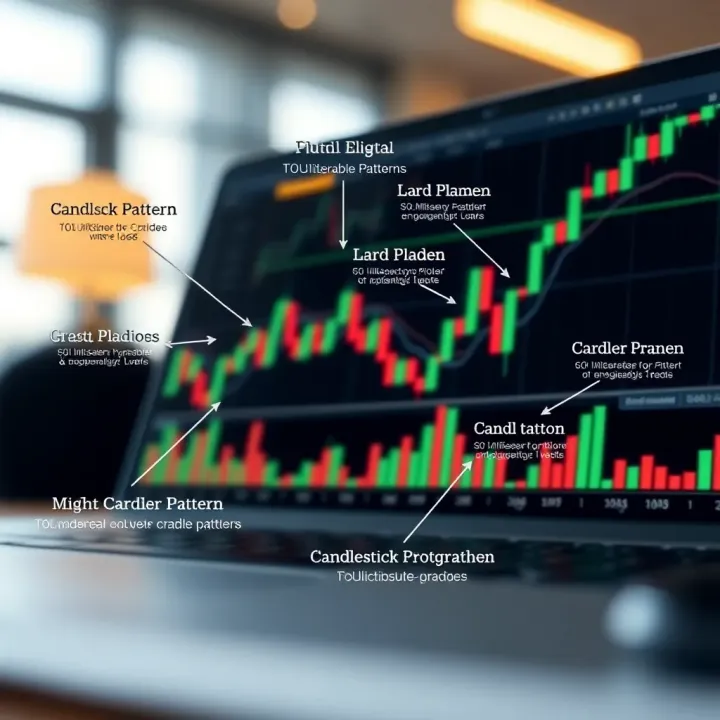
Knowing how to read candlestick charts equips traders and investors in Nigerian markets to make more informed decisions, balancing risk and opportunity with sharper insight.
Trading success hinges on understanding these charts' role—it’s not just about prices, but about reading the story they tell.
For traders and investors, especially in Nigeria's dynamic financial market, access to reliable candlestick patterns PDF resources is a significant advantage. These materials offer a structured way to grasp complex trading concepts without paying hefty fees for courses or books. Having trustworthy PDFs lets you study at your own pace, refer back anytime, and sharpen your skills efficiently.
Trusted financial websites and trading platforms often provide free learning materials, including PDFs, that explain candlestick patterns in detail. For example, local platforms like the Nigerian Stock Exchange (NGX) website sometimes share beginner guides and technical analysis insights tailored to Nigerian traders. International sites such as Investopedia or BabyPips also offer reliable PDFs. The practical benefit is that these sources usually ensure up-to-date, tested content you can depend on, which directly reflects current market realities.
Educational portals focused on Nigerian market specifics are another valuable source. Portals run by Nigerian universities or financial training centres often produce materials addressing the peculiarities of the Nigerian trading environment. They might cover how Nigerian market volatility or naira exchange fluctuation affects candlestick pattern interpretation. This local context matters because it makes the learning immediately applicable without the guesswork common with generic global resources.
Checking author credentials and credibility is essential to avoid wasted time on subpar or misleading information. Look for materials authored by recognised professionals such as certified technical analysts, or instructors affiliated with the Chartered Institute of Stockbrokers, ICAN, or other reputable Nigerian financial bodies. Publications by seasoned traders with visible track records tend to provide more actionable insights that align with local market nuances.
Ensuring updated and practical content makes a marked difference in how beneficial the resource will be. Financial markets evolve rapidly; older materials might not account for recent developments like updated regulations by the Securities and Exchange Commission (SEC) or new trading instruments on NGX. Practical PDFs come with real chart examples, step-by-step explanations, and exercises that help move from theory to real trading decisions. Always pick resources that balance theory with practice, not dry academic texts.
Reliable candlestick pattern PDFs empower Nigerian traders to make better-informed decisions, reducing guesswork and enhancing trading confidence across the market's ups and downs.
In summary, when looking for free PDFs on candlestick patterns, prioritise sources linked to trusted financial institutions or those focusing on Nigeria's unique market demands. At the same time, evaluate authorship and content relevance carefully to ensure quality learning. This approach sets a firm foundation for practical trading success.
Understanding common candlestick patterns is central to improving your trading strategy. These patterns give you quick insights into market psychology, showing when buyers or sellers are gaining the upper hand. By recognising these formations on your charts, you can anticipate potential price movements, allowing for better entry and exit decisions. Traders in Nigeria, especially those active on the Nigerian Stock Exchange (NGX), benefit greatly from mastering these patterns to capture profitable trades or safeguard investments.
Bullish engulfing and hammer patterns are among the most straightforward signals of a potential uptrend. A bullish engulfing pattern happens when a small bearish candlestick is followed by a larger bullish candlestick that completely covers it, signalling strong buying pressure. For example, if a stock like MTN Nigeria Plc shows this pattern after a downtrend, it may suggest sellers are losing control, and buyers want to push prices up.
The hammer pattern, on the other hand, features a small body with a long lower wick, which forms at the bottom of a downtrend. This indicates that although sellers pushed the price down during the session, buyers managed to reclaim control before the close. It represents a potential turning point, quite useful in markets prone to volatility, like Nigerian equities.
Conversely, bearish engulfing and shooting star patterns hint at possible price declines. The bearish engulfing pattern consists of a large bearish candlestick following a smaller bullish candle, signalling heavy selling pressure. For instance, in a stock experiencing an extended rise, spotting this pattern near resistance could indicate the start of a downward correction.
The shooting star has a small real body near the day's low and a long upper wick. This means buyers tried to lift prices but failed to sustain the higher levels, showing hesitation and selling strength. When it appears at market tops, it provides a warning to traders to watch for a reversal.
Doji variations are candlesticks where opening and closing prices are almost the same, forming a cross, inverted cross, or plus sign shape. This indicates indecision in the market; buyers and sellers are evenly matched. In Nigerian trading, spotting a Doji after an extended uptrend or downtrend should alert you to possible trend slowing or reversal. However, it’s essential to confirm this signal with volume or other technical indicators before acting.
Morning and evening stars are three-candle patterns that forecast trend reversals and take a bit more patience to spot. The morning star emerges after a downtrend, comprising a bearish candle, a small-bodied candle (indicating indecision), and then a bullish candle closing well into the first candle’s body. This formation points to a bullish reversal. Conversely, the evening star appears atop an uptrend and signals bearish reversal, with a similar three-candle structure but in the opposite context.
Recognising these common and complex patterns helps you read the market’s intentions more clearly, reducing guesswork and improving confidence in your trades.
Applying this knowledge to real charts, especially from Nigerian equities, sharpens your ability to time moves more precisely and reduce exposure to false signals.
Candlestick patterns play a significant part in Nigerian trading, particularly on the Nigerian Stock Exchange (NGX). These visual tools help traders make better decisions by revealing shifts in market sentiment and potential price movements. Given the volatility and unique dynamics in Nigerian markets, recognising and applying these patterns offers practical advantages. For instance, sudden changes in oil prices or government policy announcements often trigger quick market reactions, and understanding candlestick signals can help spot those shifts early.
Candlestick patterns offer clear cues for when to buy or sell securities on the NGX. A bullish engulfing pattern, for example, may signal a good time to enter a trade because it suggests buyers are gaining control. Conversely, a shooting star pattern might warn that a price rally is about to end, signalling a chance to exit. Traders watching shares of companies like Dangote Cement or MTN Nigeria can use these signs in conjunction with price movements to time their entries and exits more confidently.
Volume plays a major role in confirming candlestick signals. A candlestick pattern accompanied by increased trading volume carries more weight, implying stronger conviction among traders. For example, if a hammer pattern appears on the chart of a bank stock like GTBank with rising volume, it could confirm a strong reversal signal. On the other hand, price trends provide context; spotting a bearish engulfing after a long uptrend could signal a trend change. Integrating this helps avoid false signals from patterns appearing in isolation.
Candlestick patterns can sometimes mislead, particularly in markets with irregular volume or sudden external shocks — common in Nigeria’s economic landscape. False breakouts or reversals occur when a pattern suggests a move that quickly reverses. For example, that bullish engulfing pattern might fail if broader market sentiment is poor due to political unrest or currency devaluation. Traders relying on these signals alone may end up caught on the wrong side, leading to avoidable losses.
Relying only on candlestick patterns is risky, so combining them with tools like moving averages, Relative Strength Index (RSI), or Fibonacci retracement levels enhances decision-making. For example, confirming a candlestick reversal with an RSI below 30 (indicating oversold conditions) adds weight to a buy signal. Nigerian traders often combine these with fundamental checks on corporate earnings or macroeconomic indicators to build a more reliable trading strategy. Such a balanced approach helps manage risks better and captures more consistent profits.
Successful trading on the NGX requires not just spotting candlestick patterns but understanding their context within volume trends and other technical tools. This layered analysis can reduce errors and improve timing in Nigeria's dynamic market environment.
In sum, candlestick patterns are valuable in Nigeria’s markets when used wisely. They clarify market psychology and help identify key moments for trades, provided traders stay alert to limits and complement pattern reading with additional analysis.
Mastering candlestick patterns requires more than just reading about them. To truly benefit from free PDFs on this topic, you need a structured approach that combines theory with hands-on practice. This ensures you can recognise patterns confidently and apply them to real trading situations.
Start with a clear study plan to avoid feeling overwhelmed by technical content. Decide how many patterns or chapters you want to cover each week. For example, you might begin by learning three basic patterns like the hammer, shooting star, and bullish engulfing. Set aside specific time slots daily or weekly to revise these patterns, and use short quizzes or flashcards to test yourself. This disciplined approach prevents last-minute cramming and helps the knowledge stick.
Reading pattern descriptions alone isn't enough—you should actively apply what you learn. Use charting software or free online platforms to pull up historical price data of popular stocks on the Nigerian Stock Exchange (NGX), such as Dangote Cement or GTBank. Then, try to spot the patterns you’ve studied in the PDF. Replicating these examples solidifies your understanding, as you begin recognising how patterns form in real market conditions. Over time, you'll become quicker at spotting potential signals in your live trading.
Simulated or demo trading accounts allow you to practise trading without risking real money. Most Nigerian brokers and online platforms offer this feature, where you trade with virtual funds. Implement the candlestick strategies you learnt from your PDFs in these accounts. For instance, after identifying a morning star pattern signalling a potential upward move, place a virtual buy order. This kind of practice builds confidence and sharpens decision-making without financial pressure.
Learning doesn’t end at placing trades, even in simulation. Keep a trade journal where you record the pattern you based your decision on, entry and exit points, reasons for the trade, and the outcome. Review your trades severally to identify what worked and where errors crept in. Over time, you’ll spot trends in your trading behaviour and refine your skill in reading candlestick signals. This feedback loop, combining PDF knowledge with practical insights, is indispensable for becoming a skilled trader.
Consistent study, active chart replication, simulated trading, and thorough self-review together transform free candlestick PDFs from mere reading material into tools for effective skill development.
Using this approach, your understanding of candlestick patterns will grow deeper and more practical, enabling better trading decisions in both the NGX and other markets you follow.
📊 Master candlestick patterns with our detailed guide! Learn to read charts, spot trends, and access handy PDF resources for practical trading skills.

📈 Explore key candlestick patterns 🔥 Single, double & triple forms explained 🔍 Spot trends & make smarter trading moves in Nigeria's markets today!
Master powerful candlestick patterns for smarter trading! 📈 Learn to spot and use 35 essential patterns with our free downloadable PDF guide.
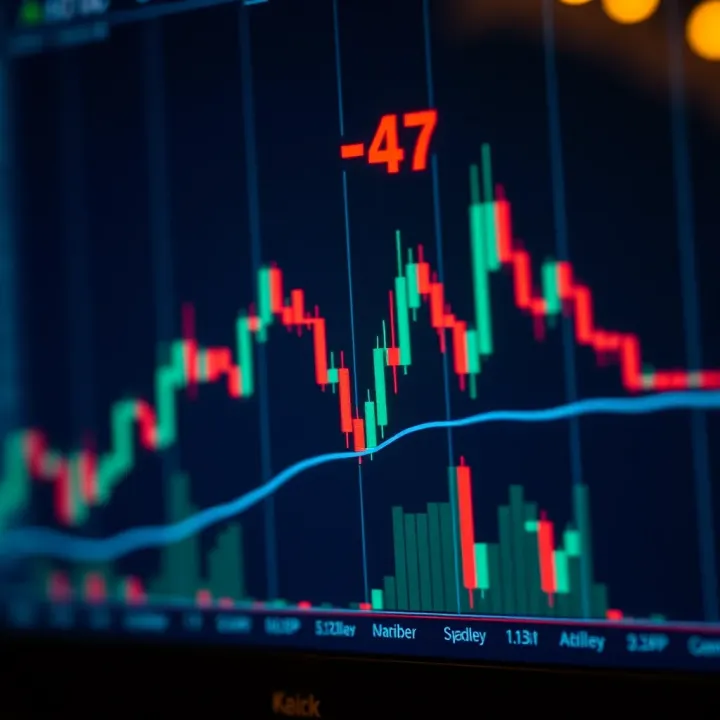
📉 Discover how bearish candlestick patterns signal price drops in trading. Learn key types, strategies, and risk tips tailored for Nigerian and global markets.
Based on 6 reviews