

Binary Options Trading Guide for Nigerians
Learn how binary options trading works in Nigeria 🇳🇬, discover essential tips, avoid scams ⚠️, and find trusted platforms to trade safely and smartly 📈.
Edited By
Charlotte Evans
Binary options trade presents a straightforward way for Nigerian investors to engage with financial markets. Essentially, it involves predicting whether the price of an asset—such as currencies, stocks, or commodities—will go up or down within a set timeframe. Unlike traditional trading, which can be complex and requires deep market analysis, binary options work on a simple yes-or-no proposition.
For example, if you predict that the price of Brent crude oil will rise within the next 30 minutes, and it does, you earn a fixed payout. If not, you lose the amount invested in that trade. This clear 'win or lose' structure makes binary options appealing, especially for new traders looking to test their market instincts without navigating complicated charts or limitless outcomes.
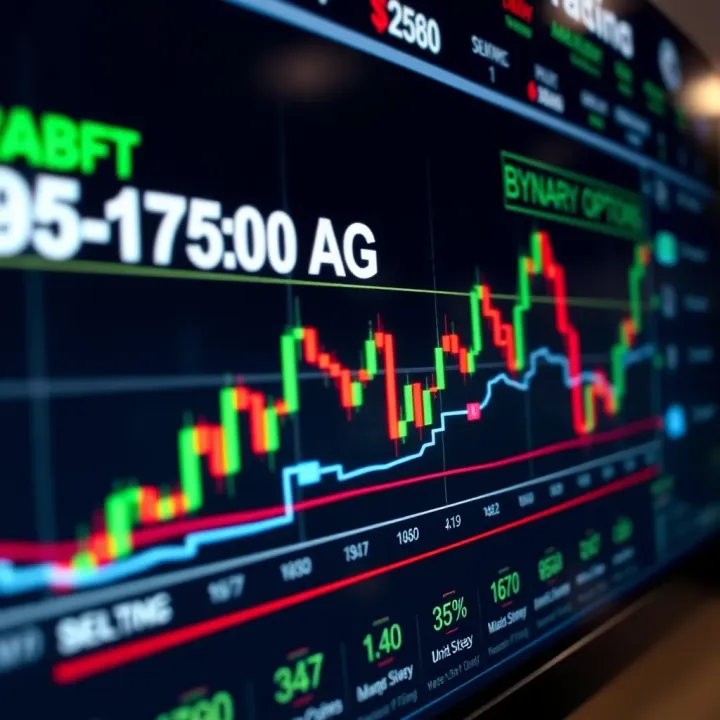
In Nigeria, where market access can be limited and foreign exchange controls remain tight, binary options trading offers a more accessible entry point for those interested in growing their wealth. It allows participation with small amounts of capital, sometimes as low as ₦500, making it less intimidating compared to more traditional investing.
That said, the simplicity masks significant risks. Markets can be volatile, and the fixed expiry times mean you have limited opportunity to adjust your position. Nigerian investors should approach binary options with caution and a clear understanding of how trades work, managing risks carefully to avoid losing capital rapidly.
Keep in mind: Every binary options trade carries risk. Success depends on solid knowledge, timely decisions, and trusted platforms that safeguard your funds.
In the following sections, we will explore how binary options trading functions, the market risks Nigerians face, legal considerations specific to Nigeria, and tips on trustworthy trading platforms. Getting these basics right helps you move confidently into this investment method with a clear plan and realistic expectations.
Binary options trading is a straightforward method of investing that involves predicting whether the price of an asset will go up or down within a fixed timeframe. For Nigerian investors, it presents a simplified route to tapping into financial markets without the complexity of owning the asset itself. Understanding binary options trading is essential, especially for those looking to diversify their investment portfolio beyond traditional assets like shares or real estate.
The practical appeal lies in its simplicity and clear risk-reward structure. Unlike conventional trading where profits depend on the magnitude of price movements, binary options offer fixed payouts. This makes it easier to assess potential gains or losses upfront, helping investors manage their capital wisely.
A binary option is a financial contract that provides a yes/no outcome based on whether an asset’s price meets a certain condition at expiry. Typically, you decide if the price of an asset—such as a currency pair, stock, commodity, or index—will be above or below a set level at a specific time. If your prediction is correct, you receive a fixed payout; if wrong, you lose your investment.
For instance, if you predict that the price of crude oil will be above $70 per barrel in one hour and it is, you get a predetermined return—say 80% of your stake. If not, you lose what you put in. This binary nature defines the trade.
Traditional trading requires buying or selling an asset to profit from price changes. Your profit or loss varies directly with the asset’s movement, meaning bigger swings can mean bigger gains or losses. Binary options cut through that complexity by removing the need to own the asset or worry about how much the price moves—only the direction at expiry matters.
This distinction makes binary options popular among Nigerian investors who want a clear risk profile and simpler decision-making. However, it also means you need sharp timing and prediction skills since the payout depends entirely on whether you guessed right by the expiry time.
In binary options, you mainly deal with two types of trades: "call" and "put" options. A call option is when you expect the asset price to rise above the current level before the expiry. A put option means you believe the price will fall below the specified level.
For example, if the exchange rate of USD/NGN is ₦780 and you think it will rise shortly, buying a call option aligns with that view. Conversely, buying a put option bets on the rate dropping.
Binary options have fixed expiry times that can range from 60 seconds to several hours or days. The choice affects your strategy; shorter expiries might suit quick decisions during volatile market hours, while longer expiries allow consideration of broader trends.
Payouts in binary options are predetermined. If your prediction is right, you receive a fixed percentage return of your investment—often between 70% and 90%. If wrong, you lose the amount staked. For example, staking ₦10,000 with an 80% payout on a correct trade earns you ₦18,000 total; otherwise, it's a ₦10,000 loss.
The fixed risk-return setup of binary options is both a strength and a vulnerability—it demands careful timing and disciplined risk management, especially given Nigeria’s dynamic forex and commodity markets.
Understanding these fundamentals helps Nigerian investors navigate binary options trading more confidently, avoiding common pitfalls and recognising the type of trades that best fit their financial goals.
Trading binary options involves predicting the price movement of certain assets within a set timeframe. Understanding the common asset classes used in this form of trading is vital for Nigerian investors aiming to make informed decisions. Different assets react uniquely to market events, so knowing their characteristics helps tailor strategies and manage risks effectively.
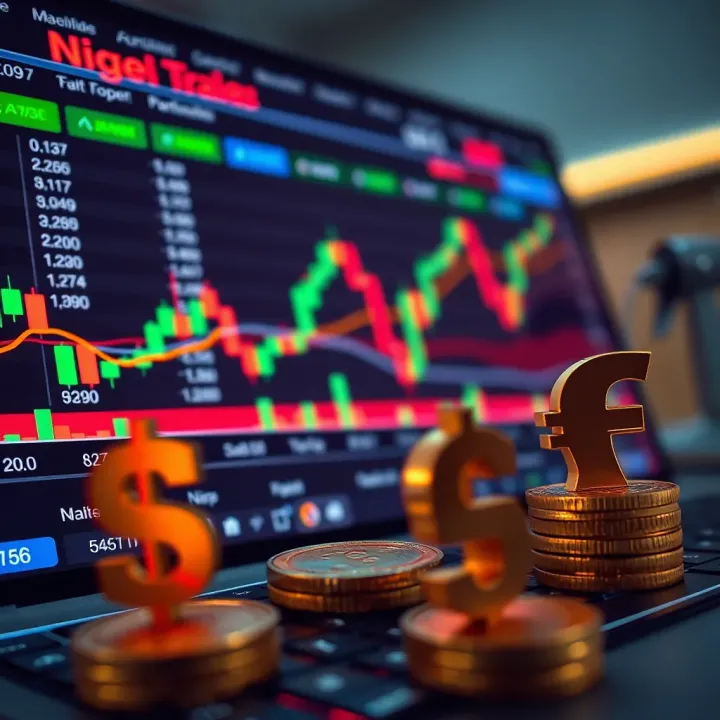
Currency pairs dominate binary options trading, especially forex pairs like USD/NGN, EUR/USD, and GBP/USD. These pairs represent the exchange rate between two currencies. For Nigerian traders, forex pairs offer active markets with high liquidity and volatility, making them attractive for short-term trades. For example, fluctuations in the US dollar against the naira can create opportunities within minutes or hours.
Binary options on stocks allow traders to speculate on the price movement of individual companies, such as MTN Nigeria, Dangote Cement, or international giants like Apple and Tesla. This option suits those interested in keeping track of company news, earnings reports, or sector trends. Unlike forex, stock markets operate during fixed hours, so timing your trade matters.
Commodities including gold and crude oil are popular in binary trading due to their global demand and sensitivity to geopolitical events. For example, Nigeria being an oil-producing country means global oil prices can impact local economics. Traders can benefit from price swings caused by OPEC decisions or supply disruptions. Gold, seen as a safe haven, often rises when markets turn uncertain, presenting different trading angles.
Indices represent a basket of several stocks, reflecting overall market health. Common indices include the Nigerian Stock Exchange (NSE) All-Share Index, Dow Jones, or FTSE 100. Trading indices offers a way to speculate on market trends without focusing on single companies. For Nigerian investors, indices provide exposure to wider economic movements rather than company-specific events.
Forex pairs offer higher volatility compared to other assets, meaning prices can change rapidly, creating quick profit chances. Importantly, forex markets operate 24 hours across different time zones, suiting Nigerians’ diverse schedules. Unlike stocks with fixed hours, you can trade forex pairs even late in the night or early morning, providing flexibility amid busy lifestyles.
Many Nigerian brokers focus on forex trading, offering easy access to currency pairs via familiar platforms. These brokers provide services like local deposit and withdrawal methods, making forex trading smoother. For instance, platforms like FXTM or HotForex allow funding with naira and support mobile trading, lowering entry barriers. Local broker presence also helps ensure better customer support and sometimes compliance with Nigerian regulations.
Knowing the common assets used in binary options and why forex pairs dominate among Nigerian traders equips you with better insights to select trades aligned with your goals and risk appetite.
In summary, whether you prefer the straightforwardness of forex, the company-specific focus of stocks, the global swings in commodities, or the broad market view from indices, understanding these assets is crucial. For Nigerian investors, trading forex pairs remains the most practical choice for its round-the-clock availability and local broker support.
Trading binary options is tempting because of its simplicity, but it carries serious risks that Nigerian investors must understand. Without knowing these risks, it's easy to suffer losses quickly and fall into traps set by dishonest brokers. This section explains the key dangers, aiming to help you trade smarter and safer.
Binary options operate on an all-or-nothing payout structure. This means you either win a fixed amount or lose your entire stake. For example, if you bet ₦10,000 on the price of oil rising within an hour and you’re wrong, the whole ₦10,000 is lost. This stark setup requires traders to be very careful with their choices because there’s no middle ground or partial recovery.
The danger grows with short expiry times. Some brokers offer expiry periods as short as 30 seconds or 1 minute, which is little time for accurate prediction. Market prices can jump wildly due to sudden news or technical glitches, leading to losses that feel like mere luck rather than skill. It’s better to avoid extremely short expiry options and focus on slightly longer periods where you can analyse price trends meaningfully.
Scams are unfortunately common in binary options trading. Be on alert for certain red flags such as:
Promises of guaranteed profit or unrealistic returns
Pressure to deposit large sums quickly
Lack of transparent information about the broker’s location or licence
Difficulty withdrawing your funds
For instance, stories abound of Nigerian investors depositing tens of thousands of naira only to find their accounts frozen when they request withdrawal. These tactics trap many who are eager to see quick money.
Checking platform regulation is critical. A legally recognised broker will display licences from reputable financial authorities such as the Cyprus Securities and Exchange Commission or the Financial Conduct Authority (FCA) in the UK. Unfortunately, Nigerian regulators like the Securities and Exchange Commission (SEC) have not authorised binary options trading platforms locally, which means you must look for international regulation as a mark of credibility. A well-regulated platform reduces your chance of falling victim to fraud.
The Central Bank of Nigeria (CBN) and Securities and Exchange Commission (SEC) have both expressed caution about binary options trading. CBN has warned banks against facilitating payments to unlicensed online trading platforms. Similarly, SEC lists unregistered binary options firms as high-risk and discourages Nigerian investors from engaging with such platforms. This stance reflects the high risk and prevalence of scams in the sector.
While Nigerian law does not explicitly ban trading through international platforms, online binary options platforms are not overseen by Nigerian authorities. This legal grey area means you trade at your own risk, with limited local options for dispute resolution if problems arise. Always use platforms with clear terms and make sure to understand how withdrawals and disputes are handled before risking your funds.
Binary options trading might look simple, but the risks of total loss, scams, and weak regulation require serious caution. Nigerian investors must weigh these factors carefully and stay informed.
Understanding these risks prepares you to make better decisions, protect your money, and choose trusted platforms if you decide to participate in binary options trading.
Starting with binary options trading requires careful steps to avoid common pitfalls, especially in the Nigerian market where scams and unregulated platforms pose serious risks. Clear guidance helps investors distinguish reliable opportunities from questionable ones. Grasping how to choose the right platform, manage risks, and develop trading habits can determine your success and protect your funds.
When selecting a platform, regulation should be top of mind. Platforms regulated by recognised authorities—such as the UK's Financial Conduct Authority (FCA), Cyprus Securities and Exchange Commission (CySEC), or Nigerian regulators like the Securities and Exchange Commission (SEC)—offer better security. Avoid platforms without transparent regulation or complaints about withdrawal delays. Reading honest user reviews adds practical context beyond official claims.
Payment options are also important. Reliable platforms support multiple methods like bank transfers, card payments, and popular e-wallets accessible in Nigeria, such as Paystack or Flutterwave. This ensures smooth fund deposits and withdrawals, avoiding delays common with international payment systems. For example, an investor using Access Bank or GTBank should confirm the platform supports convenient transfer channels.
Examples of platforms accessible to Nigerians include IQ Option, ExpertOption, and Binomo. These platforms offer localized services like Naira deposit options and provide demo accounts. Though not regulated by Nigerian authorities, they operate under international licences, but always check the current status and reviews as platforms can change policies rapidly.
Risk management is vital. Begin with small trade sizes—less than 2% of your trading capital per trade—to cushion against losses. Using stop-loss orders is less common in binary options, so controlling your stake size is the closest equivalent. Also, avoid chasing losses by increasing stakes blindly; that only deepens losses.
Starting small and using demo accounts lets you understand platform mechanics without risking real money. Demo accounts simulate live trading with virtual funds, helping you test strategies during realistic market changes. Before committing ₦5,000 or ₦10,000, spend time on demo platforms like Olymp Trade’s simulator to build confidence.
Setting clear goals helps you track progress and avoid aimless trading. Decide on daily or weekly profit targets that fit your capital and skill level. For instance, aiming for a 5% weekly gain from your starting capital provides structure. Also, define your maximum loss threshold to protect your funds.
Emotional control is critical. Binary options' all-or-nothing nature can tempt traders into rash decisions, especially after consecutive wins or losses. Pausing to breathe, sticking to your plan, and avoiding trades based on gut feeling reduces costly mistakes.
Learning from losses and keeping detailed records separates serious traders from gamblers. Jot down trade details: asset, expiry time, stake, outcome, and reasons for entering the trade. Over time, this journal becomes a valuable tool to identify what works and what doesn’t.
Consistency in trading comes down to discipline. Managing your risks, controlling emotions, and learning continuously will increase your chances to succeed in Nigeria's fast-growing binary options market.
Using the right tools can make a big difference in your binary options trading success. These resources help you understand market patterns, make better decisions, and avoid common mistakes often seen with beginners. In the noisy world of financial markets, having clear charts and reliable educational support is like having a trusted guide on a tricky road.
Basic technical indicators are essential for traders who want to make informed choices rather than guesswork. Indicators such as the Moving Average (MA), Relative Strength Index (RSI), and Bollinger Bands offer insight into price trends, momentum, and volatility. For example, an MA can help you spot when the price may be reversing its direction – useful for deciding whether to pick a call or put option.
Beginners should focus on just a few indicators at first to avoid information overload. Over time, understanding these tools can improve your timing and reduce impulsive trades. Knowing when an asset is overbought or oversold through RSI, for instance, can be a practical edge.
Free charting tools are widely available online, making it easy for Nigerian traders to start without extra cost. Platforms like TradingView and MetaTrader 4 offer user-friendly interfaces with real-time charts and access to popular indicators. These platforms feature customisable displays and alert systems you can tailor to your strategy.
Using charting tools alongside your broker’s interface helps you verify signals and track price movements effectively. Many brokers also provide built-in charts, but independent tools often give more detailed analysis, making them a valuable addition.
To sharpen your skills, engaging with structured learning resources like online courses, webinars, and tutorials is invaluable. These offer step-by-step guidance on fundamental concepts and advanced strategies, often with examples relevant to markets Nigerians trade most, such as forex pairs or commodities like crude oil and gold.
Nigerian trading communities and forums provide a chance to exchange ideas, ask questions, and hear firsthand experiences. Groups on popular social media platforms and specialised sites encourage interaction with peers who understand local market quirks and regulatory environments.
Active participation in Nigerian trading groups can alert you to scams or unregulated brokers, which remain a major risk. Plus, hearing success stories or setbacks from local traders keeps you grounded and motivated.
Remember, relying solely on gut feeling in binary options trading can lead you astray. Use charting tools, learn continuously, and engage with community support to make smarter, consistent decisions.
Together, these tools and resources build a solid foundation – crucial for trading binary options confidently and responsibly in Nigeria’s unique financial landscape.
Learn how binary options trading works in Nigeria 🇳🇬, discover essential tips, avoid scams ⚠️, and find trusted platforms to trade safely and smartly 📈.

Explore how binary options work, practical trading tips, risks, and legal advice designed for Nigerian traders 🇳🇬 to navigate this market safely 📈💡

Explore trusted binary options brokers in Nigeria 🇳🇬, learn how to pick safe platforms, understand risks, trading accounts, and avoid scams. 📊💡
📊 Explore binary investment formats tailored for Nigerian investors! Understand trading methods, risks, regulations, and smart strategies to invest wisely today.
Based on 7 reviews