

Binary Options Trading Guide for Nigerians
Learn how binary options trading works in Nigeria 🇳🇬, discover essential tips, avoid scams ⚠️, and find trusted platforms to trade safely and smartly 📈.
Edited By
James Whitaker
Binary options offer a quick and straightforward way for Nigerians to participate in trading by predicting whether an asset’s price will rise or fall within a fixed time frame, such as 15 minutes or an hour. Unlike traditional trading where you buy or sell an asset, with binary options, the outcome is all about a simple yes-or-no choice: will the asset close above or below a certain price? This simplicity makes binary options appealing, especially for those new to the trading world.
For example, if you predict that the price of oil will be higher in 30 minutes and your bet is correct, you earn a fixed profit, typically between 70% to 90% of your stake. However, if you’re wrong, you lose the entire amount invested in that trade. This all-or-nothing nature means managing risks carefully is critical.
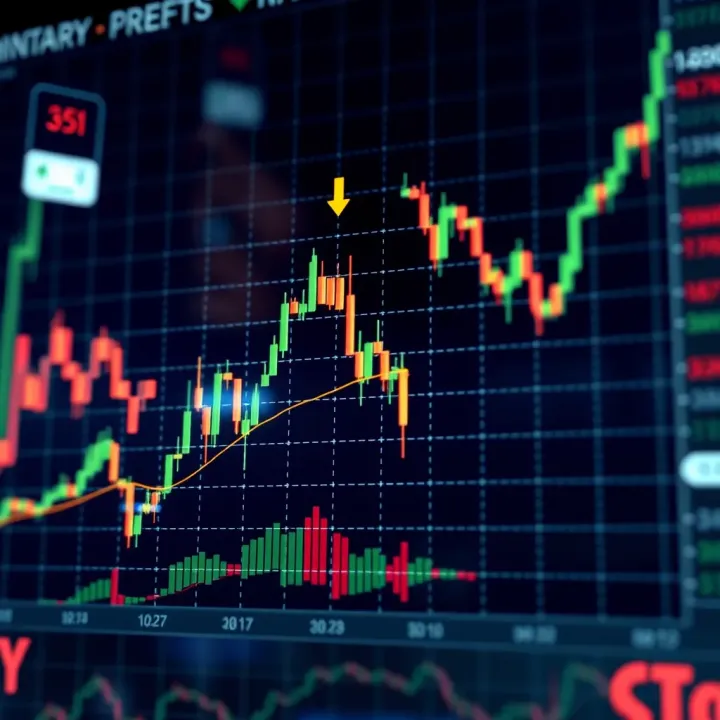
Binary options are like placing a wager on price direction over brief periods — clarity on conditions and timing is essential.
In Nigeria, awareness is growing as more platforms enable local investors to try this method alongside traditional stock or forex trading. However, regulation remains a grey area. Currently, the Securities and Exchange Commission (SEC) Nigeria has cautionary guidelines, but many binary options brokers operate from offshore, which increases risk for investors. Nigerians should prioritise dealing only with platforms licensed either locally or by recognised international regulators.
Fixed expiry time: trades end at a predetermined moment, ranging from minutes to hours.
All-or-nothing payoff: either a fixed profit or complete loss per trade.
Wide asset choices: including forex pairs, commodities like crude oil, indices, and stocks.
For Nigerian traders, binary options offer a way to make fast decisions and potentially earn significant returns without owning the underlying assets. However, the method demands discipline, clear strategy, and awareness of scams prevalent in the market.
Understanding these basics sets the stage for exploring strategies, risks, and how to approach binary trading responsibly within the Nigerian context.
Binary options present a straightforward way to trade financial assets by predicting whether their prices will rise or fall within a fixed period. Nigerian investors often find binary options appealing because they offer simple, quick trades with defined risk and reward. Understanding what binary options are helps traders make informed decisions while navigating Nigeria’s growing online trading scene.
Binary options are a type of financial contract where the outcome is one of two possibilities: either the asset’s price moves above or below a specified level by expiry. Unlike traditional trading, you don’t buy the underlying asset itself. Instead, you bet on price direction—up or down—within a set timeframe, often from minutes to hours.
For example, if you predict that the Nigerian Naira (₦) will strengthen against the US dollar within the next hour, you might buy a "call" option. If the Naira indeed gains value at expiry, you get a fixed payout. If not, you lose your stake. This clear-cut outcome makes binary options popular among traders who prefer less complexity.
At the end of the option’s life, the result depends solely on whether your prediction is correct. You either receive a predetermined payout or lose the amount invested. There is no partial win or loss — hence the term “binary.” This fixed payoff structure limits surprises and helps traders plan their risk exposure.
For instance, if you invest ₦10,000 on a binary trade with an 80% payout, a correct prediction earns you ₦18,000 (original ₦10,000 plus ₦8,000 profit). If wrong, you lose the ₦10,000 invested. This “all or nothing” feature clearly shows your maximum risk upfront.
For Nigerian investors, currency pairs involving the Naira often attract attention. Trades might include NGN/USD (Nigerian Naira vs US Dollar) or NGN/EUR (Naira vs Euro), as their movements reflect Nigeria’s economic conditions, oil prices, and global market shifts. Given the naira’s volatility, binary options on these pairs can offer trading opportunities within short time frames.
Traders should remember that factors like Central Bank of Nigeria (CBN) policies or foreign exchange supply directly affect these currency pairs. Quick news from the forex market or political developments can cause sharp moves, making timely binary options decisions sensible.
Apart from currency pairs, popular assets include global stock indices such as the Dow Jones or FTSE 100. Nigerian investors keen on international markets use these to diversify beyond local stocks.
Commodities like crude oil, gold, and silver are also common, especially considering Nigeria’s oil dependence. For example, a binary option on crude oil price could be influenced by OPEC meetings or geopolitical tensions affecting supply.
Cryptocurrencies such as Bitcoin and Ethereum are increasingly popular too. Their rapid price swings suit binary options’ short expiry times but also carry higher risk.
Traders must choose assets they understand well and keep track of relevant market news to improve their chances in binary options trading. The simplicity of binary options doesn't remove the need for careful analysis and disciplined risk management.
Understanding how binary options trading works is key for anyone interested in this type of investment. It offers a straightforward approach: you predict whether the price of an asset will rise or fall within a set time frame. This simplicity makes binary options attractive, especially for Nigerian investors who want to engage without the complexities involved in traditional trading.
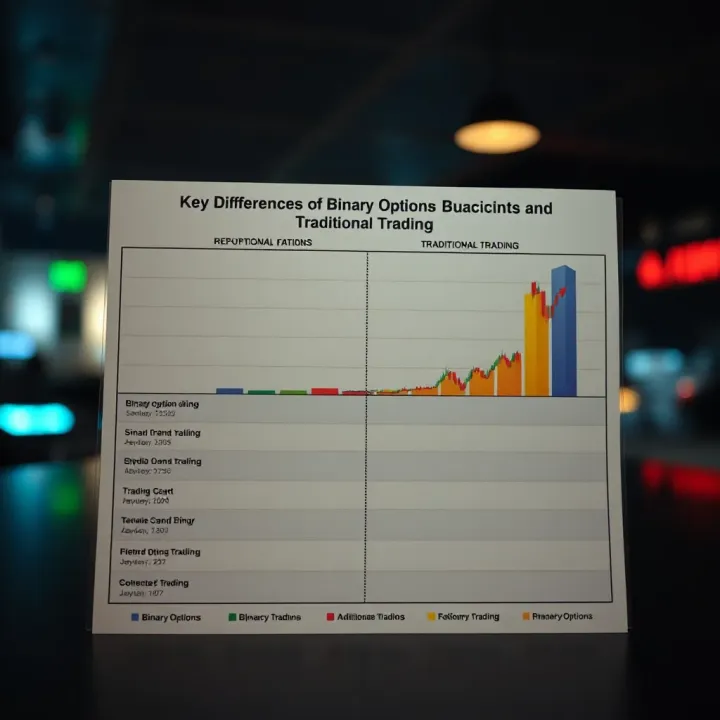
When placing a trade, you choose between a "call" or a "put" option. A call option means you expect the asset’s price to go up by the end of the expiry period. For instance, if you believe that the ₦/$ exchange rate will increase, you'd place a call option. On the other hand, a put option is a bet that the price will fall. Say you think the price of crude oil, which heavily influences Nigeria's economy, will drop—you would select a put option.
Predicting these price movements requires analysis of market trends, news, and economic data. While it might seem like guesswork at first, getting familiar with technical charts and economic reports helps you make informed decisions. The goal is to predict the direction before your option expires.
Expiry times are another important consideration. These range from as little as 60 seconds to several hours or even a day. Choosing shorter expiry times suits traders looking for quick results and willing to take higher risks. For example, during periods of high market volatility—like when the Central Bank of Nigeria announces interest rate changes—deciding on the right expiry can impact outcomes significantly.
Longer expiry times give markets more chance to shift and might suit traders following broader trends. For instance, if you expect that the Naira will strengthen over a few days due to incoming foreign investments, a longer expiry makes sense. However, the trade-off is that the position is exposed to more market fluctuations.
Binary options offer fixed returns, which means you know exactly how much you can gain if your prediction is correct. Suppose you invest ₦10,000 with a return rate of 80%. If your call or put option ends in-the-money (correct prediction), you receive your ₦10,000 back plus ₦8,000 profit. This fixed payoff clarifies your potential reward upfront, avoiding surprises.
However, if your prediction is wrong, you usually lose the entire trade amount. In many cases, brokers might offer a small refund on losses—say 5-10%—but this varies. For example, if the Naira unexpectedly weakens and your put option on the currency fails, you risk losing the ₦10,000 invested on that trade.
This all-or-nothing structure makes understanding risks vital. While fixed returns provide clear expectations, the potential for total loss means you must only trade with funds you can afford to lose. This setup differs greatly from traditional investing, where assets might retain some value even if prices drop.
Always approach binary options trading with a clear strategy, recognising that the fixed return model both simplifies outcomes and demands cautious risk management.
Properly grasping these elements of how binary options work equips Nigerian investors to navigate the market with more confidence, making more calculated bets rather than guesswork.
Binary options trading can seem straightforward, but it carries significant risks that investors must understand. Many Nigerians are attracted by the prospect of quick gains, yet this high-risk nature means that losses can be just as swift and severe. Being clear about potential pitfalls is essential for anyone considering binary options as part of their investment strategy.
One glaring risk with binary options is the possibility of losing your entire investment on a single trade. Unlike traditional stock trading where you might see some value retained, binary options work on an all-or-nothing payout basis. For instance, if you predict that the price of a commodity like crude oil will rise within a certain expiry time and the actual price falls instead, your stake is lost completely. This feature means traders need careful discipline and must accept that total loss is a real chance on every position opened.
Volatility of the underlying assets further complicates binary options trading. Assets like cryptocurrencies or currency pairs involving the naira can experience wild price swings in very short periods. For example, sudden central bank policy announcements or political developments can cause rapid shifts, throwing off even well-informed predictions. This makes timing crucial and requires constant monitoring of market events. Volatility increases both the potential reward and the risk of losing money.
Unfortunately, unregulated brokers often target Nigerian traders by promising unrealistic returns with little transparency. Such platforms may operate without proper registration or oversight from bodies like the Securities and Exchange Commission (SEC). Without regulation, clients face risks of withdrawal issues, manipulated prices, or outright theft. It is common for scam brokers to lure investors with flashy websites and aggressive marketing but disappear when requested to pay out winnings.
Recognising signs of fraudulent schemes can protect you from falling victim. Be wary of brokers demanding large upfront deposits without proof of licence, or those that refuse to provide verifiable company information. Platforms that pressure you to trade more, offer guaranteed profits, or lack clear terms bear scrutiny. One practical tip is to test services with minimal amounts and read reviews from credible Nigerian investor forums before committing significant capital.
Protecting your investment in binary options starts with knowing these risks and choosing verified brokers. Greed and impatience have caused many to lose ₦ millions in scams or reckless trades.
Understanding these challenges helps Nigerian investors approach binary options more responsibly, steering clear of pitfalls while managing their exposure wisely.
Understanding the regulatory environment around binary options is essential for Nigerian investors. Since these financial products involve predicting price movements in fixed timeframes, recognising legal boundaries reduces exposure to scams and unregulated platforms. Being informed about Nigeria's laws and advisories ensures safer trading practices and helps investors avoid heavy losses or legal troubles.
The Securities and Exchange Commission (SEC) Nigeria oversees securities trading and investment activities to protect investors' interests. While binary options are not fully regulated under traditional securities laws, SEC issues warnings to traders about potential risks. The commission keeps watch on platforms operating without licences, cautioning Nigerians against trading through unauthorised bodies.
For example, SEC has repeatedly highlighted that investors should engage only with entities registered under its purview. Failure to comply often leads to involvement with fraudulent operators. Therefore, checking SEC’s registry before trading binary options can prevent entanglement with rogue brokers.
The Central Bank of Nigeria (CBN) also plays a role by monitoring foreign exchange and payment channels related to online trading. CBN advisories often warn about high risks associated with unregulated digital trading platforms, including binary options. They emphasise the importance of verifying the legitimacy of these platforms before transferring funds.
Additionally, the CBN advises Nigerians to be cautious of FX volatility and transaction security when using payment services linked to binary trading. For instance, developers of mobile money platforms and digital banks often comply with CBN’s guidelines to secure client funds, establishing some level of trustworthiness.
Trading through licensed brokers is not just a formality but a critical safety measure. Licensed brokers must adhere to rules on transparency, fair trading, and client fund protection. For Nigerian investors, this means the ability to report complaints to regulatory bodies like SEC and reduce the risk of losing funds to fraudulent sites.
Take for example a Nigerian trader who opts for a broker registered with SEC or a well-known international regulator such as the UK’s FCA. Such brokers usually offer transparent terms, clear payout structures, and proper customer support. This contrasts sharply with unlicensed platforms offering unrealistic returns without regulation.
Payment security is crucial in binary options trading to avoid unauthorized withdrawals and fraud. Nigerian investors should rely on secure payment methods—such as bank transfers through established banks like GTBank or Access Bank, or trusted platforms like Paystack and Flutterwave—that offer encryption and transaction monitoring.
Using secure digital payment options also provides a clear trail for disputes and refunds if necessary. Avoiding payments through unregulated mobile money vendors or peer-to-peer transfers helps prevent scams. In summary, secure payments protect both your money and personal information during trading.
Confirming broker licences and using trusted payment channels offer practical ways for Nigerian investors to navigate the risks of binary options trading.
This regulatory awareness equips you for safer investment decisions and boosts confidence in navigating the complex online trading environment.
Understanding how binary options contrast with traditional trading methods helps investors make informed choices about where to focus their efforts and funds. Nigerian investors often grapple with deciding between the straightforward nature of binary options and the more intricate paths of forex or stock trading. This section breaks down those differences to clarify which suits your goals and risk appetite better.
Binary options offer a simpler trading process compared to forex or stock markets. With binary options, you just predict whether an asset's price will rise or fall within a set timeframe. This all-or-nothing approach removes complicated elements such as margin calls or position sizing found in traditional trading. For example, if you wager ₦10,000 on the Nigerian Naira versus the US Dollar and guess correctly, you might get a fixed return like ₦18,000. The simplicity is appealing, especially when contrasted with forex trading where understanding leverage, spread, and pip movements requires more skill and continuous learning.
The transparency of potential outcomes in binary options is another advantage. Before placing a trade, you know exactly how much you stand to gain or lose. This upfront clarity makes it easier to manage risk, especially for investors wary of hidden costs or uncertain liabilities. In contrast, traditional trading can involve fluctuating profits and losses as markets move, sometimes rapidly, making it difficult to forecast precise results. For instance, in stock trading, your investment value may swing widely before you decide to sell.
Binary options tend to attract beginners because of their straightforward nature. New traders can dip their toes in the markets without needing to understand complex chart patterns or economic indicators extensively. Nevertheless, experienced investors might find binary options too limiting since the fixed-payoff structure restricts profit potential compared to traditional methods. For example, a seasoned forex trader could harness leverage to magnify profits over time, an advantage binary options don’t offer.
Regarding strategy, binary options suit short-term trading tactics focused on quick wins within minutes or hours. This fits investors who prefer rapid results and are comfortable with frequent trading sessions. On the other hand, traditional trading—stocks and forex included—is often better for long-term investors who hold positions for months or years, benefiting from market trends and compounding returns. A Nigerian investor interested in retirement savings might lean toward traditional mutual funds or stock portfolios rather than constantly timing short expiry periods.
Choosing between binary options and traditional trading depends largely on your personal goals, risk comfort, and time commitment. Knowing these distinctions helps avoid jumping into unsuitable investments that could result in loss or frustration.
Trading binary options successfully requires more than just guessing price movements; it calls for sound strategies grounded in market understanding and careful money management. For Nigerian investors, having a clear game plan improves chances of making informed decisions rather than relying on luck alone.
Technical analysis involves studying past price data and chart patterns to forecast future market actions. For binary options traders, this method provides cues about when assets might rise or fall within short timeframes. For example, spotting a support level where prices consistently bounce back or a resistance point where prices stall can guide your ‘call’ or ‘put’ choices. Many Nigerian online platforms offer charting tools that help track these price movements in real time, making technical analysis practical for everyday trading.
Economic announcements such as Central Bank of Nigeria (CBN) policy decisions, inflation data, or crude oil price updates often cause sudden shifts in asset prices. Traders who monitor economic calendars and breaking news can anticipate volatility spikes. For instance, if the CBN unexpectedly changes its Monetary Policy Rate, the Nigerian naira’s value against the dollar might swing, affecting currency pair binary options. Being aware of such events lets you avoid blind trading and better position your trades around key market developments.
Limiting how much you invest on each binary option trade protects your capital from heavy losses. It’s advisable to use only a small fraction of your total trading fund, say around 1–2%, per trade. This discipline helps you survive losing streaks without derailing your finances. Think of it like managing fuel on a long journey by topping up only enough to reach your destination rather than overfilling and risking spills.
Before risking real money, practising on demo accounts offered by many brokers gives you hands-on experience with trading mechanics and strategy testing. Demo trading simulates live markets using virtual funds, so you learn how expiry times, payout calculations, and order placing work without financial risk. Nigerian beginners, in particular, benefit greatly from this step as it builds confidence and hones decision-making skills ahead of real trading.
Successful binary options trading is as much about managing risk carefully and studying markets wisely as it is about predicting prices. By combining technical analysis, attention to economic news, and disciplined risk controls, Nigerian traders can approach the market responsibly and improve their chances of steady gains.
Learn how binary options trading works in Nigeria 🇳🇬, discover essential tips, avoid scams ⚠️, and find trusted platforms to trade safely and smartly 📈.
Explore how binary options work, practical trading tips, risks, and legal advice designed for Nigerian traders 🇳🇬 to navigate this market safely 📈💡

Explore trusted binary options brokers in Nigeria 🇳🇬, learn how to pick safe platforms, understand risks, trading accounts, and avoid scams. 📊💡
📊 Explore binary investment formats tailored for Nigerian investors! Understand trading methods, risks, regulations, and smart strategies to invest wisely today.
Based on 6 reviews